Scarf Necklace With Charm: The Ultimate 2026 Buying Guide
Discover how to choose the perfect scarf necklace with charm. Our 2026 buying guide covers material grades, drape styles, and hardware durability.

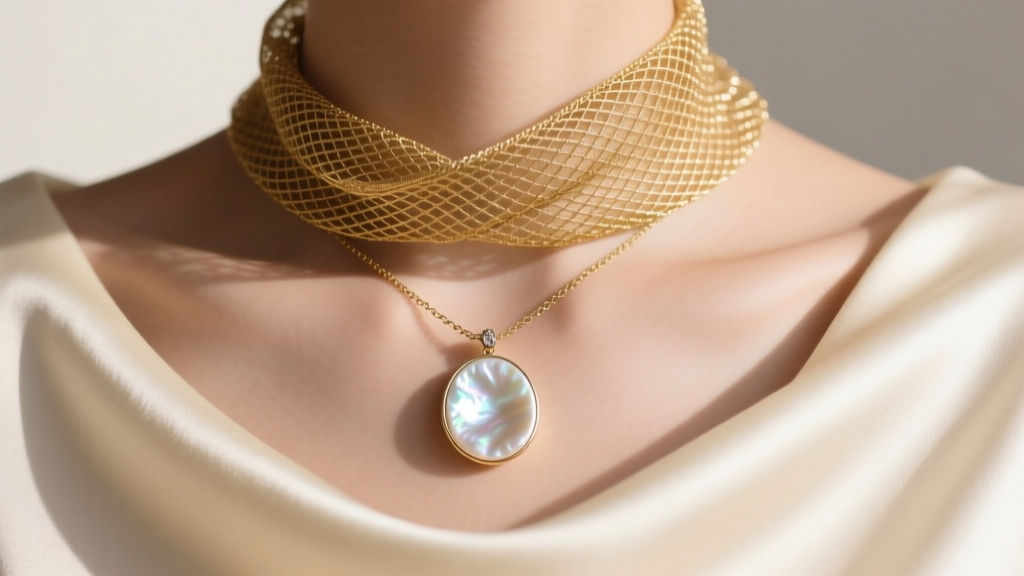
The Evolution of the Scarf Necklace with Charm
In the landscape of 2026 jewelry trends, the scarf necklace with charm has emerged as a masterclass in versatile styling. Bridging the gap between fluid, fabric-like metal drapery and the personalized sentimentality of charm jewelry, this specific silhouette offers a unique sartorial statement. However, the term 'scarf necklace' is frequently misunderstood by casual shoppers. It generally refers to two distinct architectural styles: the flexible tubular mesh drape (designed to wrap and flow like a silk scarf) and the scarf ring pendant (a structural hardware ring meant to thread and secure an actual silk twilly scarf, adorned with dangling charms). Understanding which architecture you are buying—and the specific hardware required to support charms on each—is critical to avoiding premature wear, chain fraying, and clasp failure.
Defining the Architecture: Mesh Drape vs. Scarf Ring Pendant
Before evaluating metals, you must identify the structural foundation of the piece. The way a charm interacts with the chain dictates the necklace's lifespan.
1. The Flexible Tubular Mesh Drape
This style mimics the fluid bias drape of a silk scarf using interwoven metal threads. When adding a charm to a mesh scarf necklace, you cannot use a standard clip bail. The metal mesh is highly susceptible to fraying and crushing under localized pressure. Charms must be attached via a Teflon-lined slide bail or a silicone-gripped tube slider that distributes the charm's weight across a 5mm to 8mm surface area of the mesh. Never use a pinch-clasp or alligator bail on a tubular mesh scarf necklace; the teeth will sever the micro-wires within three to five wears.
2. The Scarf Ring Pendant Necklace
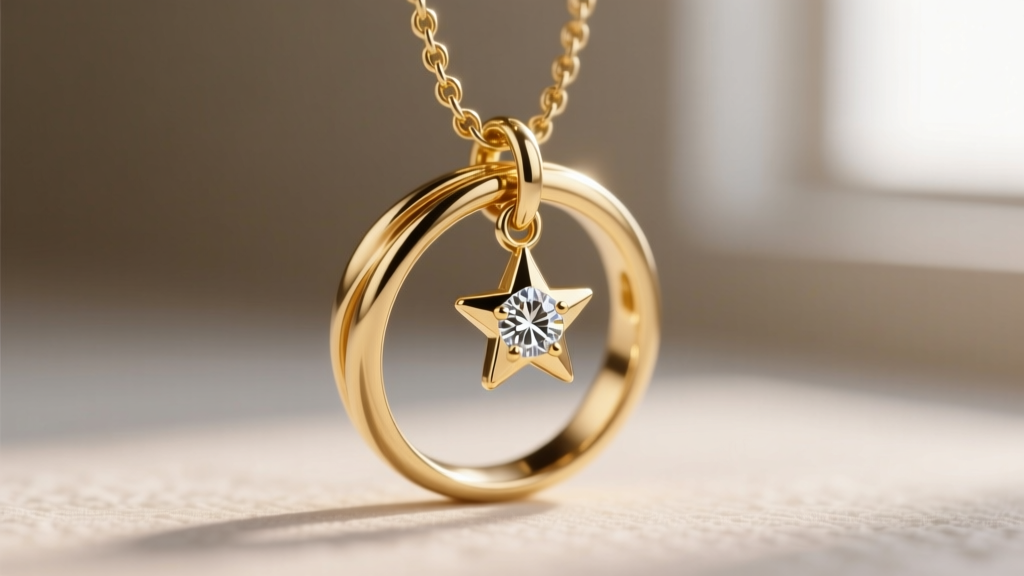
Alternatively, a scarf ring pendant is a rigid geometric focal point (usually 25mm to 40mm in diameter) suspended on a heavier chain. Its primary function is to act as an anchor for a rolled silk scarf, but in 2026, designers are integrating secondary micro-bails on the outer perimeter of the ring specifically for charms. When buying this style, ensure the charm bail is offset or articulated with a swivel ring; otherwise, the charm will tangle in the silk fabric and cause tension on the chain's primary jump ring.
Material Grades and Tarnish Resistance
Because scarf necklaces require a significant length of metal (often 28 to 36 inches for a proper drape), the material grade directly impacts both the price and the oxidation rate. According to the Federal Trade Commission's Jewelry Guides, precise terminology matters when evaluating gold alternatives.
- 316L Surgical Stainless Steel: The most durable option for heavy, draping mesh. It resists kinking and tarnish, but its rigid tensile strength means it will not drape as softly as precious metals. Ideal for heavy, oversized charms.
- 925 Sterling Silver (Rhodium Plated): Offers a beautiful, soft drape. However, if the rhodium flash plating wears off on the back of the neck due to friction with clothing or skin acidity, the underlying silver will oxidize. Look for 'solid rhodium' or 'heavy electroplate' specifications.
- 18k Gold Vermeil: To be legally classified as vermeil, the piece must feature a sterling silver base with a minimum of 2.5 microns of 18k gold plating. For a scarf necklace that experiences high friction against the collarbone and garments, 2.5 microns is the absolute minimum; 3.0 to 4.0 microns is highly recommended for longevity. For deeper insights into gold purity and plating standards, refer to the Gemological Institute of America (GIA).
Hardware Mechanics and Failure Modes
The integration of a charm introduces kinetic stress to a scarf necklace. The most common failure mode in charm-laden necklaces is the separation of the jump ring. When a charm swings, it creates lateral torque. If the jump ring connecting the charm to the scarf ring pendant or mesh slider is merely 'butt-jointed' (pressed together without solder), the gap will eventually pull apart under the charm's centrifugal force.
Expert Rule of Thumb: Always inspect the jump ring holding the charm. It must be laser-soldered or torch-soldered completely shut. If you can see a hairline seam or gap in the metal loop, the charm will eventually be lost.
Furthermore, evaluate the primary clasp of the scarf necklace. A standard 5mm spring ring is entirely inadequate for a 30-inch mesh chain burdened with a 15-gram charm. You must look for a 12mm to 15mm lobster clasp with a reinforced internal spring mechanism to support the asymmetric weight distribution.
Drape Lengths and Neckline Pairing
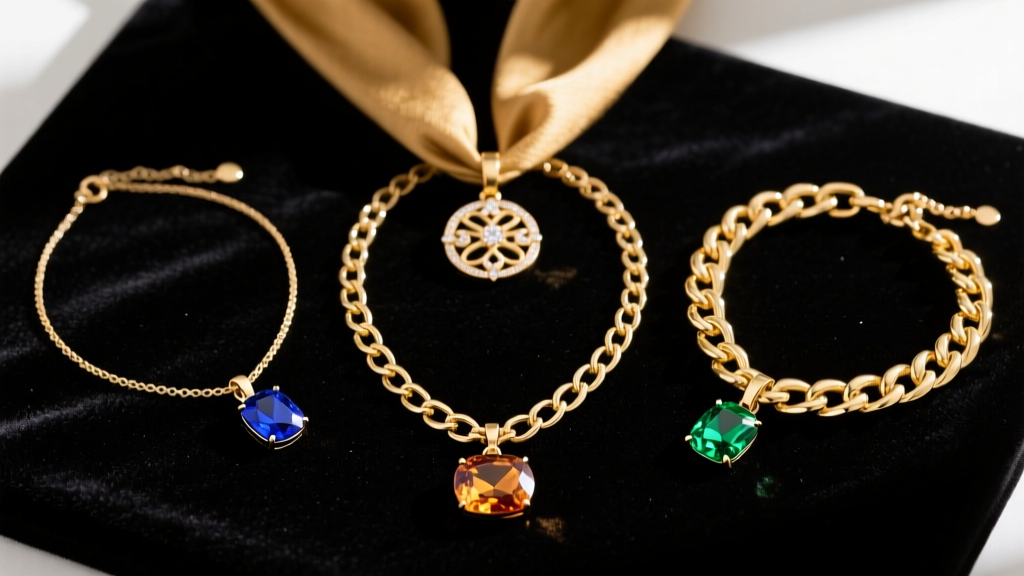
The defining characteristic of a scarf necklace is its length and how it manipulates the visual weight of your torso. Pairing the correct length with the appropriate neckline ensures the charm sits perfectly without flipping upside down.
| Chain Length | Drape Style | Ideal Neckline | Charm Placement |
|---|---|---|---|
| 24 - 26 Inches | Matinee Wrap | V-Neck, Wrap Dresses | Rests on the sternum; requires a lightweight charm (under 5g) to prevent pulling the collar forward. |
| 28 - 32 Inches | Classic Scarf Loop | Crew Neck, Turtlenecks | Hangs below the bust line; accommodates heavy, oversized statement charms without distorting the fabric. |
| 36 - 42 Inches | Double-Wrap Lariat | Off-Shoulder, Open Silk Shirts | Wrapped twice; charms should be placed on the secondary slider to dangle between the layered loops. |
2026 Pricing Tiers and Value Assessment
When shopping for a scarf necklace with charm, pricing is heavily dictated by the chain's manufacturing complexity. Tubular mesh requires specialized micro-weaving machinery, making it inherently more expensive than standard cable chains.
- Entry-Level ($45 - $120): Typically 316L stainless steel or brass with thin gold PVD coating. Charms are usually cast alloy with cubic zirconia. Acceptable for seasonal trend-wearing, but the mesh may stiffen over time.
- Mid-Tier Artisan ($180 - $450): Heavy 18k gold vermeil (3.0+ microns) or solid 925 silver. Features Teflon-lined charm sliders and soldered jump rings. This is the sweet spot for everyday luxury and durability.
- Fine Jewelry ($1,200 - $3,500+): Solid 14k or 18k gold flexible omega or tubogas-style mesh. Charms feature genuine gemstones (e.g., lapis lazuli, malachite) set in bezels. These pieces hold intrinsic metal value and are designed for generational wear.
The Final In-Hand Inspection Checklist
Whether you are purchasing online or in a boutique, run your new scarf necklace through this rigorous quality control checklist before committing to the piece:
- The Drape Test: Hold the necklace by the clasp and let it hang. Does it spiral or twist? A high-quality scarf mesh should fall in a straight, fluid line. If it spirals, the internal tension is flawed, and it will tangle constantly.
- The Slider Friction Test: Move the charm slide up and down the chain. It should glide smoothly but offer slight silicone resistance. If it slides too freely, it will pool at the bottom clasp; if it's too tight, you will crush the mesh links forcing it.
- The Bail Clearance Check: Ensure the charm's bail does not scrape against the primary chain links when rotated 360 degrees. Metal-on-metal friction will rapidly wear away gold vermeil plating.
- The Clasp Spring Tension: Pull the lobster clasp lever back. It should snap shut with an audible, sharp click. A sluggish return indicates a weak internal spring that will fail under the weight of a heavy charm.
By prioritizing structural integrity, precise material grades, and kinetic hardware design, your scarf necklace with charm will remain a fluid, elegant staple in your wardrobe for years to come.


