Styling a Botanical Necklace Choker: Jewellery Garden Party Guide
Master the art of wearing a floral necklace choker. Our step-by-step jewellery garden styling guide covers metals, layering, and outdoor care.

The Jewellery Garden Aesthetic: More Than Just Florals
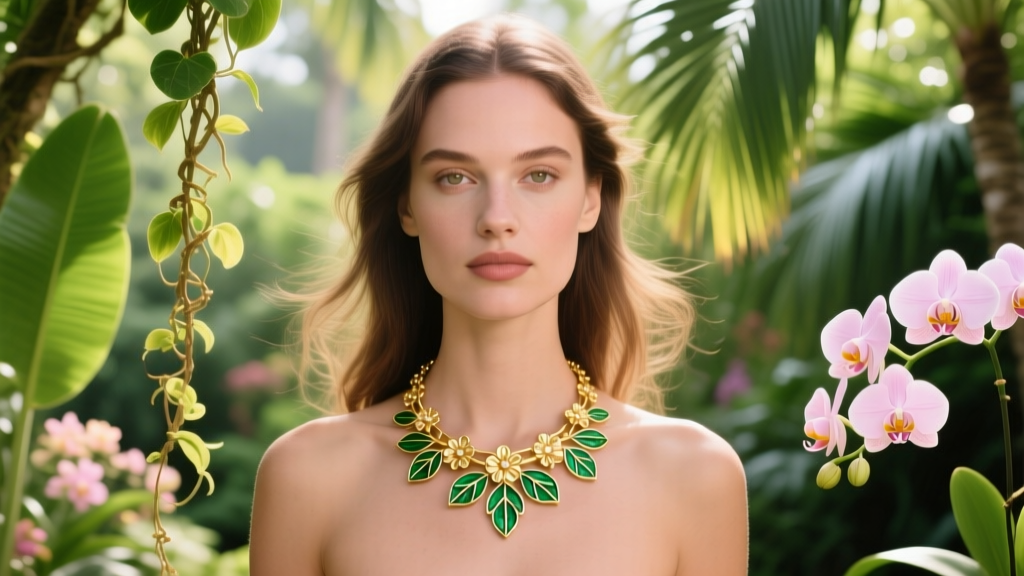
The 'jewellery garden' aesthetic is a celebrated movement in high jewelry, drawing inspiration from the intricate, organic forms of botanical life. Think of the legendary high jewelry collections from houses like Chaumet or Dior, where precious metals and gemstones are sculpted into blooming roses, creeping ivy, and delicate ferns. When attending a high-tea garden party, a botanical exhibition, or an outdoor summer wedding, wearing a botanical necklace choker is the ultimate style statement. However, the outdoor environment presents unique challenges for fine jewelry. Humidity, pollen, sunscreen, and physical movement can compromise delicate pieces if they are not properly selected and styled. This comprehensive, step-by-step guide will teach you how to choose, layer, and care for a floral necklace choker, ensuring your jewellery garden styling is both breathtaking and resilient.
Step 1: Selecting the Right Botanical Choker Base
The foundation of any durable garden-party choker lies in its metal grade and chain construction. Outdoor environments are notoriously humid, and the sulfur compounds present in garden air and certain floral pollens can rapidly tarnish unprotected silver.
Metal Grades and Moisture Resistance
For a botanical necklace choker, avoid standard gold-plated brass or uncoated sterling silver. Instead, seek out 925 sterling silver with an e-coating (electrophoretic lacquer). This microscopically thin, 1-to-2-micron clear layer acts as an impermeable barrier against moisture and sulfur, keeping your silver brilliant throughout a humid afternoon. If you prefer gold, opt for 18k gold vermeil (which requires a minimum of 2.5 microns of gold over a sterling silver base) or solid 14k gold. According to manufacturing standards outlined by Rio Grande, vermeil's thicker gold layer provides significantly better resistance to the friction and sweat associated with outdoor wear compared to standard flash plating.
Chain Gauge and Durability
A choker sits tightly against the neck, making it susceptible to snagging on lace collars, hair, or even low-hanging garden branches. Never choose a chain gauge thinner than 1.0mm for an outdoor event. The ideal specification is a 1.2mm to 1.5mm cable or rolo chain. This gauge provides the necessary tensile strength to support a botanical pendant (like a cast-ivy leaf or a gemstone-studded flower) without risking a catastrophic snap.
Step 2: Mastering the Garden Party Layering Technique
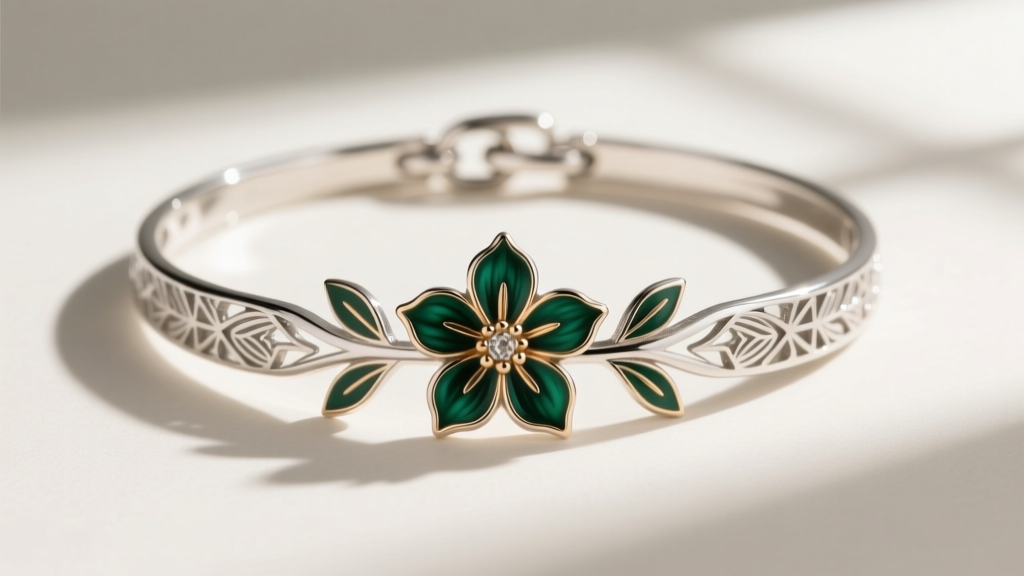
A standalone choker is beautiful, but the true 'jewellery garden' look is achieved through strategic layering that mimics the cascading layers of foliage. The golden rule of layering is the 2-inch drop rule: each subsequent necklace must be at least two inches longer than the one above it to prevent the clasps and pendants from tangling and scratching each other.
| Layer Position | Length | Style & Function | Pendant Weight Limit |
|---|---|---|---|
| Base (Choker) | 14 - 15 inches | Botanical motif, sits on the collarbone | Up to 8 grams |
| Second Layer | 16 - 17 inches | Delicate chain with a single gemstone drop | Up to 4 grams |
| Third Layer | 18 - 20 inches | Longer lariat or Y-necklace with a leaf motif | Up to 12 grams |
When layering, mix your metal textures. Pair a high-polish floral choker with a matte-finished or hammered chain for the second layer. This contrast creates visual depth, much like the varying textures of leaves in a real garden.
Step 3: Navigating Enamel and Gemstone Choices
Botanical jewelry heavily relies on color to bring floral and leaf motifs to life. This is typically achieved through enamel work or colored gemstones. However, not all techniques and stones survive outdoor events.
Enamel Techniques: Guilloché vs. Plique-à-Jour
You will often encounter two types of enamel in high-end botanical jewelry. Plique-à-jour is a stunning technique where translucent enamel is held in a metal framework without a backing, resembling stained glass. While breathtaking, it is highly fragile; a single bump against a stone garden bench can shatter it. For outdoor garden parties, always choose Guilloché enamel. This technique involves engraving a pattern into the metal base (engine-turning) and fusing translucent enamel over it. The solid metal backing makes it incredibly durable while providing a mesmerizing, light-catching ripple effect that mimics the veins of a leaf or the petals of a rose.
Gemstone Porosity and Outdoor Hazards
When selecting a gemstone-studded floral choker, you must consider the stone's porosity and hardness. The Gemological Institute of America (GIA) warns that porous gemstones can absorb chemicals, moisture, and oils, leading to irreversible damage. Avoid turquoise, pearl, and opal for garden events, as the high humidity, sudden rain, or accidental contact with sunscreen and insect repellent can cause them to crack or lose their luster. Instead, opt for tsavorite garnet, peridot, or morganite. Tsavorite (Mohs 7-7.5) offers a vivid, botanical green that is highly resistant to scratching and completely non-porous, making it the ultimate gemstone for a jewellery garden aesthetic.
Step 4: Securing the Fit and Choosing the Right Clasp
A choker must fit impeccably to look elegant; too tight, and it restricts movement and causes discomfort; too loose, and it loses its structural identity. To achieve the perfect fit, ensure your choker features a 2-inch extender chain. This allows you to adjust the piece based on the neckline of your garden party attire.
Matching Necklines
- Sweetheart Neckline: Adjust the choker to 14 inches so it frames the collarbone without overlapping the dress's bodice.
- Scoop Neck: Let the choker sit at 15 inches, allowing the botanical pendant to rest just above the fabric line.
- Halter Top: Skip the choker and opt for a 16-inch princess-length botanical pendant to avoid visual clutter around the neck ties.
Clasp Mechanics for Outdoor Security
Standard spring-ring clasps are notoriously difficult to fasten one-handed and can fail if the internal spring weakens. Upgrade your choker with a lobster claw clasp for maximum security. If you have dexterity concerns, a magnetic clasp is an excellent alternative, but you must verify the magnet grade. Ensure the clasp uses N42 grade neodymium magnets or higher, which provide a pull force of approximately 10 pounds—more than enough to keep a 10-gram botanical pendant secure during active garden mingling.
Step 5: Post-Event Care for Botanical Enamels
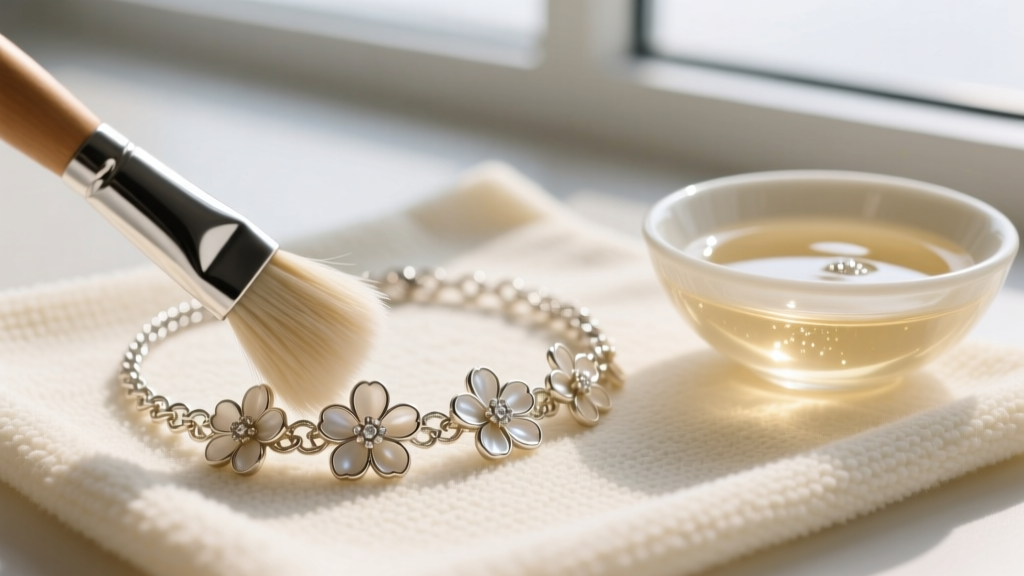
After a day in the garden, your necklace choker will have accumulated invisible layers of sweat, pollen, and perhaps a misting of sunscreen. Proper post-event care is critical to maintaining the integrity of the enamel and the brilliance of the metal.
Never place an enameled botanical choker in an ultrasonic cleaner. The high-frequency vibrations can cause micro-fractures in the glass-like enamel, leading to eventual chipping or clouding.
Follow this step-by-step cleaning protocol recommended by conservators at institutions like the Victoria and Albert Museum:
- Dry Dusting: Use a clean, dry, ultra-soft makeup brush to gently sweep away any dry pollen or botanical debris from the crevices of the floral metalwork.
- Mild Wash: Mix a few drops of phosphate-free, pH-neutral dish soap into a bowl of lukewarm (never hot) distilled water.
- Gentle Agitation: Submerge the choker for no more than 60 seconds. Use a soft-bristled baby toothbrush to lightly brush the chain links, avoiding direct, heavy scrubbing on the guilloché enamel surfaces.
- Rinsing and Drying: Rinse thoroughly under a gentle stream of distilled water. Pat dry with a lint-free microfiber cloth, and allow it to air-dry completely flat before storing it in an anti-tarnish flannel pouch.
Conclusion
Styling a floral necklace choker for a jewellery garden event is an exercise in balancing aesthetic romance with material science. By selecting e-coated metals, prioritizing durable guilloché enamel, choosing non-porous gemstones like tsavorite, and employing the 2-inch layering rule, you ensure your jewelry remains as vibrant and resilient as the garden itself. Armed with these expert techniques, you can confidently wear your botanical treasures, knowing they are perfectly engineered to withstand the elements while elevating your outdoor style.


