How to Style a Spinal Cord Necklace: A Beginner Guide
Discover how to style a spinal cord necklace. Learn about materials, anatomical symbolism, and the best necklines for this bold statement piece.

What is a Spinal Cord Necklace?
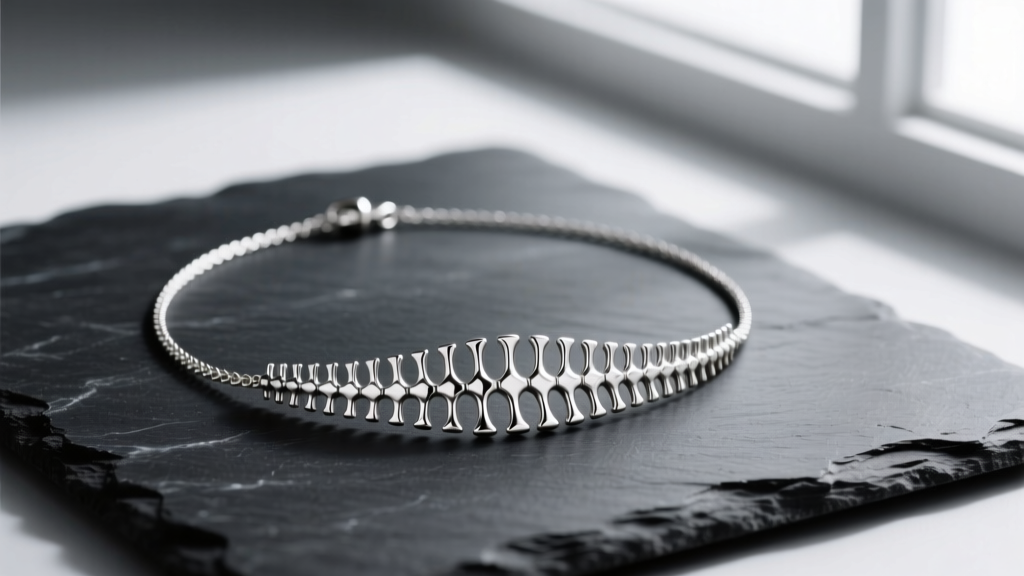
A spinal cord necklace is a highly specialized piece of anatomical jewelry designed to mimic the human vertebral column. Unlike traditional pendants that rest statically on the chest, a spinal cord necklace features a series of articulated horizontal bars, beads, or metallic vertebrae attached to a central chain or cord. This design creates a fluid, segmented look that moves with the wearer. While historically rooted in medical and gothic subcultures, this striking accessory has crossed over into mainstream avant-garde fashion, celebrated for its bold symbolism of strength, alignment, and the core of the human nervous system.
For beginners, navigating the world of anatomical jewelry can feel intimidating. The key to pulling off a spinal cord necklace lies in understanding its structural variations, material grades, and the specific necklines that allow the piece to truly shine. Whether you are drawn to the piece for its edgy aesthetic or its spiritual representation of the body's central pillar, this guide will break down everything you need to know before making your first purchase.
The Anatomy of the Design: Links and Chains
The human spine consists of 33 individual vertebrae, but replicating this exact number in jewelry often results in a piece that is too heavy or visually cluttered. According to anatomical archives like those found at the National Center for Biotechnology Information, the presacral spine contains 24 articulated vertebrae (7 cervical, 12 thoracic, and 5 lumbar). High-end jewelry designers often abstract this number down to 12 to 18 stylized links to maintain a sleek profile while preserving the anatomical illusion.
The "cord" of the necklace is just as critical as the vertebrae. The chain type dictates how the piece drapes against the skin:
- Snake Chain: Tightly interlocked rings create a smooth, tubular surface. This is the most popular choice for spinal cord necklaces because it mimics the sleek, continuous look of a spinal cord itself.
- Box Chain: Square links offer a geometric, modern contrast to the organic shape of the vertebrae. It is highly durable and resists kinking.
- Cable Chain: Classic oval links provide a more traditional jewelry aesthetic, though the gaps between links can sometimes catch on body hair or delicate fabrics.
Material Grades: Choosing Your Metal
Because a spinal cord necklace often rests directly against a large surface area of the skin—especially when worn as a back-drape—metal reactivity and weight are crucial factors. Cheap alloys can cause contact dermatitis, while overly heavy metals can cause neck strain. Below is a comparison of the most common materials used in anatomical jewelry.
| Material | Durability & Weight | Skin Reactivity | Price Range |
|---|---|---|---|
| 316L Surgical Steel | Highly durable, moderate weight, resists tarnish | Hypoallergenic (contains trace nickel, usually safe) | $25 - $80 |
| 925 Sterling Silver | Moderate durability, lightweight, prone to tarnish | Generally safe, but copper alloys can cause reactions | $90 - $250 |
| Grade 23 Titanium | Extremely strong, ultra-lightweight, scratch-resistant | 100% Hypoallergenic, biocompatible | $120 - $300+ |
| Brass/Zinc Alloy | Low durability, lightweight, high tarnish rate | High reactivity, not recommended for sensitive skin | $10 - $30 |
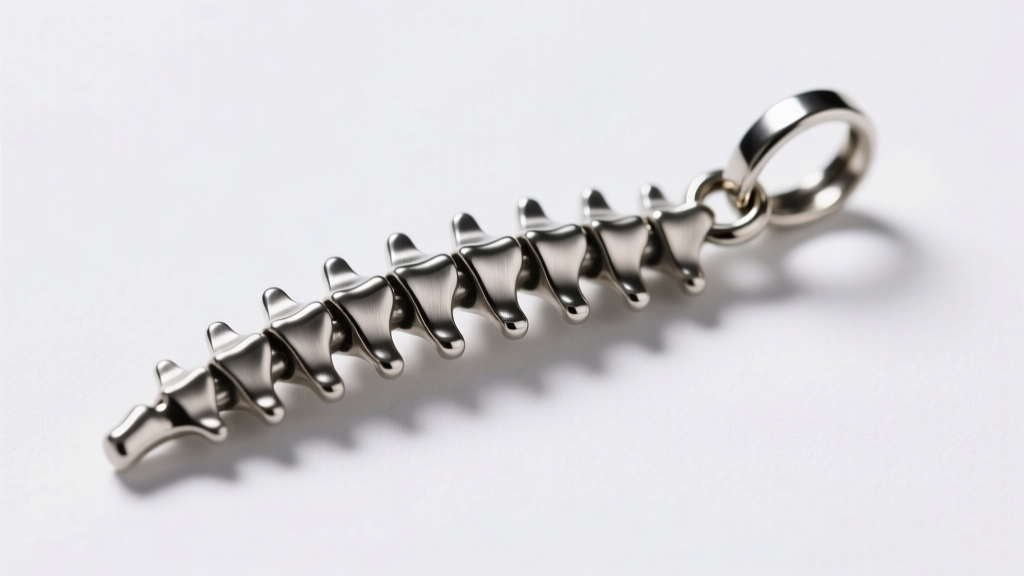
For daily wear, 316L surgical stainless steel offers the best balance of affordability and durability. If you have severe metal allergies or plan to wear the necklace while swimming or sweating, invest in Grade 23 (Ti-6Al-4V ELI) titanium. It is the exact grade used in medical implants and will never corrode or irritate the skin.
Front Pendant vs. Back "Backbone" Styling
One of the most unique aspects of the spinal cord necklace is its versatility in placement. You are not restricted to wearing it on your chest.
The Front Anatomical Pendant
When worn on the front, the necklace acts as a long, linear pendant. This style typically features a shorter chain (18 to 24 inches) with a concentrated cluster of vertebrae resting on the sternum. It draws the eye vertically, creating an elongating effect on the torso. This style is deeply popular in dark academia, gothic, and avant-garde streetwear circles.
The Back-Draping "Backbone"
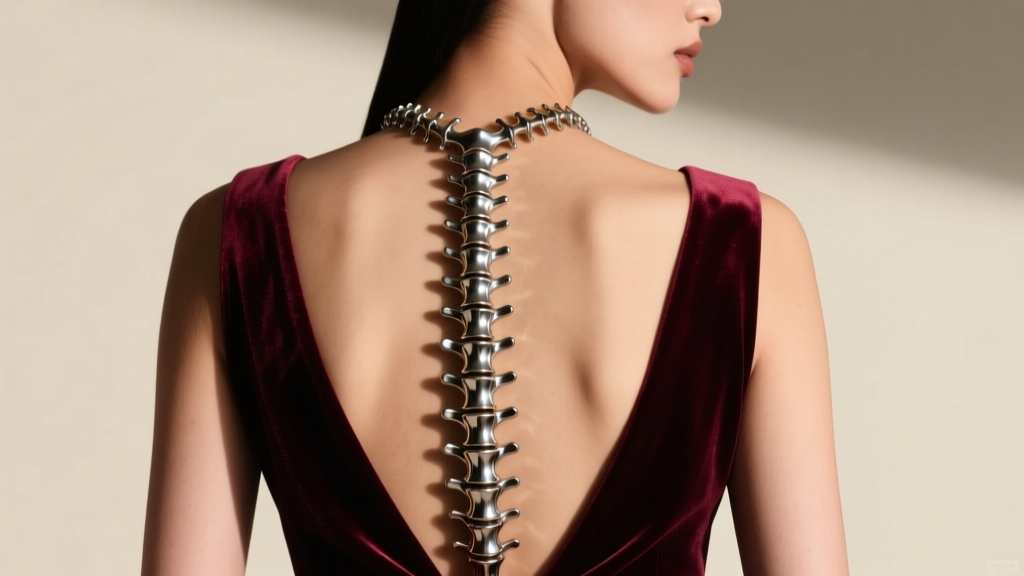
The back-drape is where the spinal cord necklace truly earns its name. Utilizing a longer chain (30 to 36 inches), the vertebrae align perfectly down the groove of the wearer's back. This requires an open-back garment and transforms the jewelry into an intimate, striking statement piece. The weight distribution of a back-drape is actually more comfortable than a heavy front pendant, as it rests on the upper back rather than pulling on the cervical spine.
Neckline Pairing Matrix
Pairing the right clothing with your spinal cord necklace is essential for maximizing its visual impact. Use this quick reference guide to match your outfit to your jewelry placement:
- Deep V-Neck / Plunge (Front Drape): Allows the vertical line of the vertebrae to follow the neckline, creating a cohesive, elongating silhouette.
- Open-Back / Backless Dresses (Back Drape): The ultimate pairing for the 30+ inch spinal cord necklace. Ensure the dress back dips low enough to reveal at least the thoracic and lumbar sections of the chain.
- Black Turtleneck (Front Drape): A sterling silver or bright steel spine pendant popping against a tight black turtleneck creates a high-contrast, modernist look perfect for winter layering.
- Off-the-Shoulder / Boat Neck: Avoid these with front-draping spine necklaces, as the horizontal neckline will clash with the vertical lines of the jewelry, creating visual clutter.
Sizing, Length, and Clasp Mechanics
Getting the length right is the difference between a masterpiece and a tangled mess. If you are opting for a back-draping spinal cord necklace, you must measure from the base of your front neck, over the shoulder, and down to your desired endpoint on your back. For most adults, a 32-inch chain will reach the mid-back (thoracic region), while a 36-inch chain will reach the lower back (lumbar region).
Pay close attention to the clasp. Because spinal cord necklaces feature multiple protruding links, they are prone to catching on hair and fabrics. A standard spring-ring clasp is too small and difficult to fasten blindly behind your neck. Always look for a large lobster claw clasp or a magnetic toggle clasp if you plan to wear the piece as a back-drape. Additionally, ensure the jump rings connecting the vertebrae to the main chain are soldered shut; unsoldered jump rings will easily pull apart under the pendulum-like weight of the moving links.
Care and Maintenance for Intricate Links
The segmented nature of a spinal cord necklace creates dozens of tiny crevices where sweat, lotion, and dead skin cells can accumulate. Proper maintenance is non-negotiable to keep the piece hygienic and visually striking.
According to the Gemological Institute of America (GIA), silver and steel jewelry should be cleaned using a gentle, non-abrasive approach. Avoid harsh chemical dips, which can degrade the solder points on the vertebrae. Instead, follow this maintenance protocol:
- Weekly Wipe Down: Use a microfiber cloth to wipe the chain and vertebrae after wearing, especially if the piece was worn against bare skin on a hot day.
- Monthly Deep Clean: Mix a few drops of mild dish soap with warm water. Use a soft-bristled baby toothbrush to gently scrub between the horizontal vertebrae links and the jump rings.
- Drying: Pat dry with a lint-free cloth and allow it to air dry completely before storing. Trapped moisture in the chain links can accelerate tarnishing in sterling silver pieces.
- Storage: Never toss a spinal cord necklace into a jewelry box loosely. The links will tangle and bend. Always hang it vertically on a jewelry stand or lay it perfectly flat in a lined drawer.
For more insights on the history of anatomical motifs in fashion and jewelry, the Victoria and Albert Museum offers extensive archives detailing how the human form has influenced jewelry design for centuries. Understanding the rich history and structural nuances of your spinal cord necklace will elevate your styling from a simple trend to a deeply intentional fashion statement.


