The Beginner's Guide to Wearing a Star Moon Necklace Gold
Discover how to choose, style, and care for your star moon necklace gold. Learn about karats, chain lengths, and celestial layering tips.

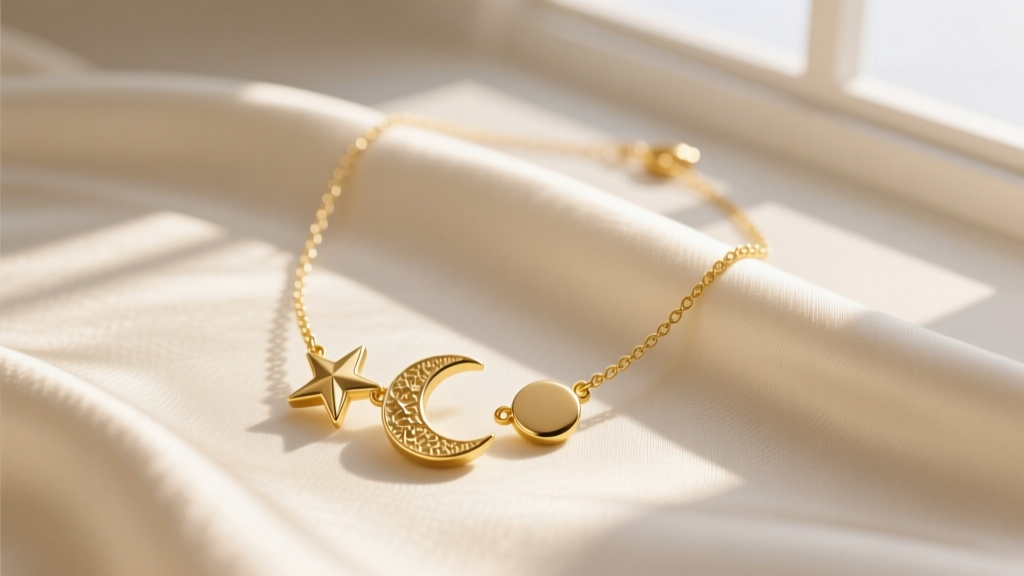
The Timeless Appeal of Celestial Jewelry
Celestial motifs have captivated jewelry designers and wearers for centuries, but few pieces carry the enduring versatility of a star moon necklace gold design. Whether you are drawn to the romanticism of the night sky or simply appreciate the delicate geometry of celestial charms, this specific pendant style bridges the gap between whimsical and sophisticated. For beginners stepping into the world of fine jewelry, navigating the myriad of gold purities, chain styles, and layering techniques can feel overwhelming. This comprehensive guide breaks down everything you need to know to select, style, and maintain your celestial piece with confidence.
Decoding Gold: Solid, Vermeil, and Plated
When shopping for your first fine jewelry piece, understanding the difference between solid gold, gold vermeil, and gold-plated brass is crucial for managing your budget and expectations. According to the Gemological Institute of America (GIA), pure 24-karat gold is too soft for everyday pendants and chains. Therefore, it is alloyed with metals like copper, silver, and zinc to increase durability.
Material Comparison for Beginners
| Material Type | Composition | Durability & Lifespan | Ideal For | Price Range |
|---|---|---|---|---|
| 14k Solid Gold | 58.3% pure gold, 41.7% alloy | Excellent; will not tarnish or rub off | Everyday wear, showering, sleeping | $150 - $400+ |
| Gold Vermeil | Sterling silver base, 2.5+ microns of gold | Good; lasts years with proper care | Frequent wear, avoiding heavy moisture | $60 - $120 |
| Gold Plated | Brass/copper base, thin gold flash | Poor; tarnishes quickly, skin sensitivities | Occasional, short-term trend wear | $15 - $40 |
For a piece you intend to wear daily, 14k solid gold is the undisputed champion. It offers the perfect balance of rich yellow hue and structural integrity. If you are on a stricter budget, gold vermeil is a highly respectable alternative, provided the gold layer meets the industry standard of at least 2.5 microns in thickness.
Selecting the Right Chain and Bail
The pendant itself is only half the equation; the chain and the bail (the loop that connects the pendant to the chain) dictate how the necklace drapes and feels against your skin. A standard star and moon pendant is relatively lightweight, usually weighing between 1.5 and 3 grams. Therefore, you need a chain that is delicate enough to match the pendant's scale but strong enough to prevent snapping.
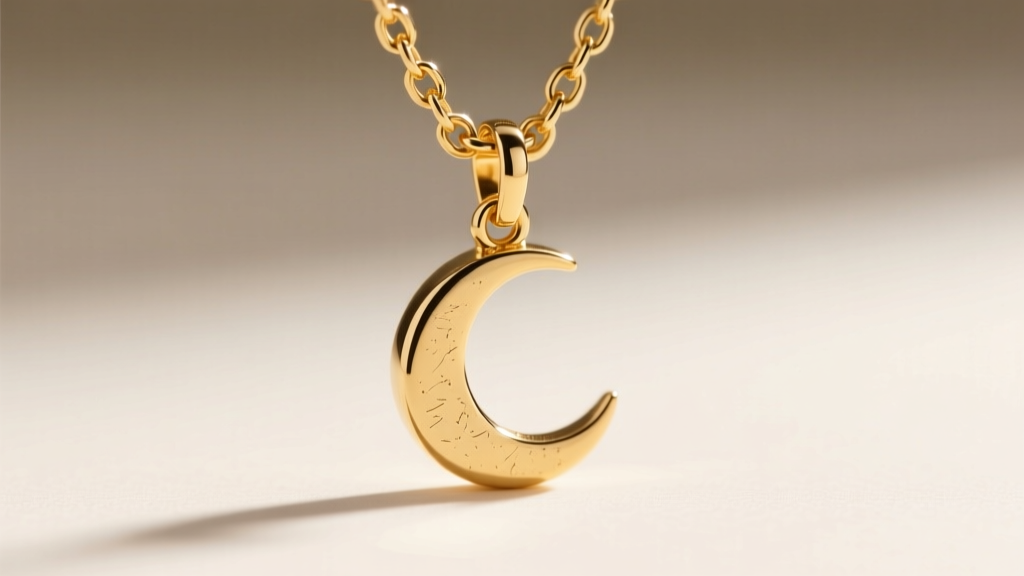
Recommended Chain Styles
- Cable Chain (0.9mm - 1.1mm): The classic choice. Oval links are uniform and reflect light beautifully, complementing the celestial theme without overpowering it.
- Rolo Chain (1.0mm - 1.2mm): Featuring round, interlocking links, the rolo chain offers a slightly more modern, textured look and is exceptionally resistant to kinking.
- Box Chain (0.8mm - 1.0mm): Made of square links, this chain lies flat and offers a sleek, contemporary backdrop for vintage-inspired star and moon charms.
Pay close attention to the clasp. While spring-ring clasps are common on delicate chains, upgrading to a small lobster claw clasp will significantly reduce the frustration of fastening the necklace behind your neck and prevent accidental unclasping.
The Symbolism of the Star and Moon
Beyond aesthetics, celestial jewelry carries deep historical and personal symbolism. During the Victorian era, celestial motifs were frequently used in acrostic and sentimental jewelry to convey hidden messages of love and guidance. Today, the pairing of the star and the moon represents a harmonious balance of opposing forces.
'The moon represents intuition, cycles, and the subconscious, while the star symbolizes ambition, guidance, and the conscious mind. Wearing them together is a reminder to balance your dreams with actionable direction.'
This duality makes a star moon necklace gold an incredibly meaningful gift for graduations, new career beginnings, or personal milestones where one is navigating a transition.
How to Layer Your Celestial Pendant
Layering is where a simple pendant truly shines. The golden rule of necklace layering is to maintain at least a two-inch difference between the lengths of your chains to prevent tangling and ensure each piece is visible. The London Assay Office notes that mixing chain textures is just as important as mixing lengths to create visual depth.
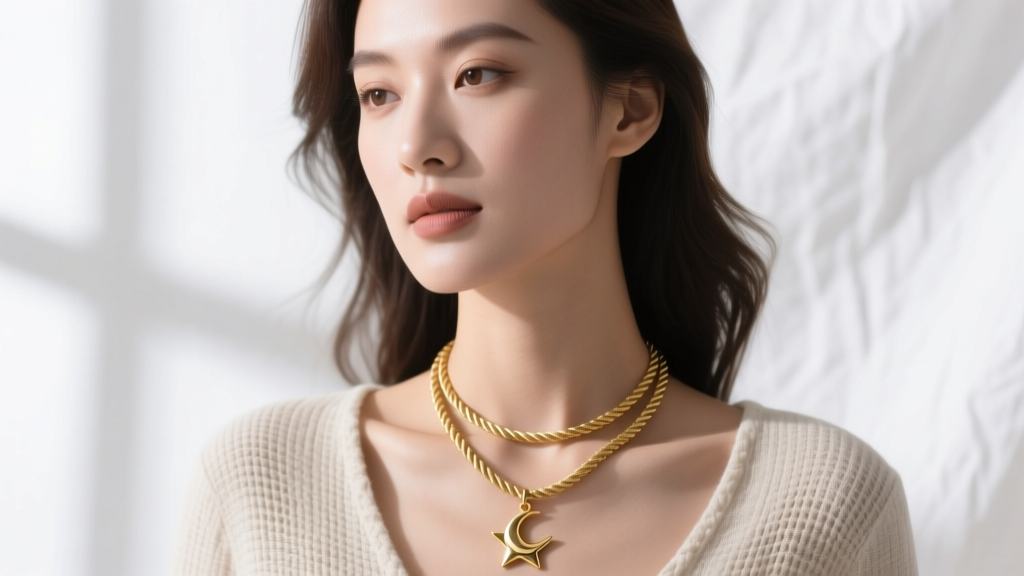
The Beginner's 3-Step Layering Framework
- The Base (16 inches): Start with a simple, lightweight chain or a small choker. A 16-inch cable chain with a tiny 3mm bezel-set diamond or cubic zirconia sits perfectly at the collarbone.
- The Focal Point (18 inches): This is where your star moon necklace gold pendant lives. An 18-inch length allows the celestial charms to rest comfortably on the upper chest, drawing the eye without competing with your neckline.
- The Anchor (20 to 22 inches): Finish with a heavier, more substantial chain, such as a 20-inch rope chain or a paperclip link chain. You can add a larger, solid geometric pendant (like a simple gold disc or bar) to ground the whimsical nature of the star and moon.
Everyday Care and Maintenance
Even solid 14k gold requires basic maintenance to retain its luster. Over time, lotions, perfumes, and natural skin oils can create a microscopic film over the metal, dulling the intricate details of the star and moon engravings.
To clean your necklace, simply mix a few drops of mild, phosphate-free dish soap into a bowl of lukewarm water. Let the necklace soak for five minutes, then gently agitate the water. Use a soft-bristled baby toothbrush to lightly sweep the crevices of the moon's craters and the star's points. Rinse thoroughly under warm running water and pat dry with a lint-free microfiber cloth. Avoid using harsh chemical dips or ultrasonic cleaners, especially if your celestial pendant features delicate gemstone accents like opals or pearls, which are highly porous and easily damaged by vibrations and chemicals.
By understanding the nuances of gold purity, selecting the appropriate chain anatomy, and mastering the art of the two-inch layering rule, you can transform a simple star moon necklace gold piece into a cornerstone of your everyday jewelry wardrobe.


