The Best Metals for a Motif Necklace: A Material Guide
Discover how different metals impact the durability, inlay security, and price of your motif necklace. A deep-dive metallurgical comparison.

The Structural Demands of Motif Jewelry
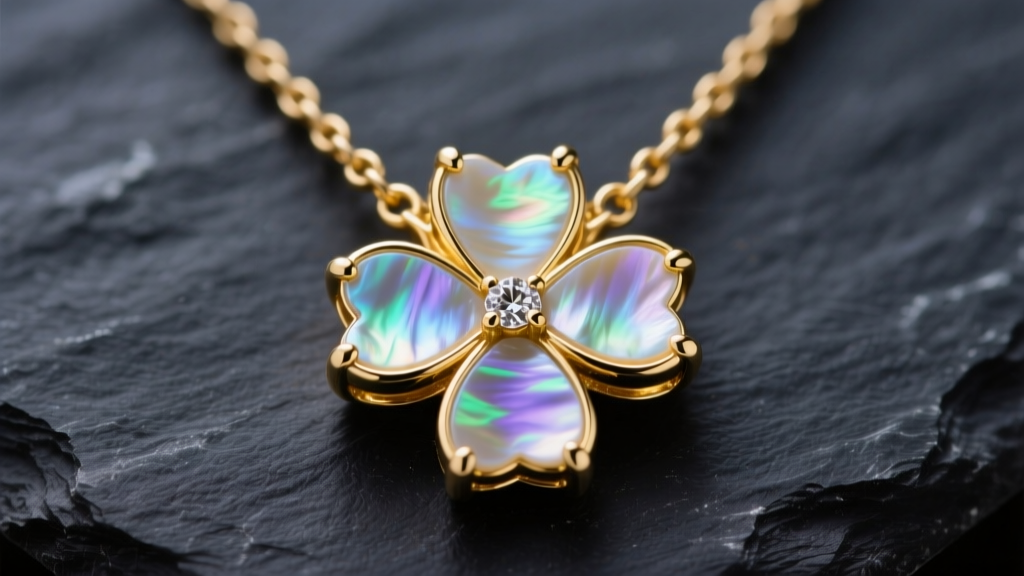
A motif necklace is defined by its recognizable, often repetitive design elements—think of the iconic four-leaf clover, the coiled spring, or the geometric evil eye. Unlike simple solitaire pendants, motif necklaces require complex manufacturing techniques, such as lost-wax casting or multi-stage metal stamping. The material you choose is not merely an aesthetic backdrop; it is the structural skeleton that dictates the piece's longevity, weight, and ability to securely hold delicate inlays like malachite, onyx, or mother-of-pearl.
As we navigate the jewelry market in 2026, advancements in metallurgical alloying have shifted the baseline for what constitutes a 'durable' everyday necklace. Understanding the Vickers Hardness (HV) and tensile strength of your chosen metal is critical before investing in high-end motif jewelry.
Precious Metal Breakdown for Motif Designs
When evaluating precious metals for intricate motif necklaces, jewelers look at how the metal flows into microscopic mold crevices during casting and how it withstands daily friction at the bail (the loop connecting the pendant to the chain).
18k vs. 14k Gold: The Inlay Factor
Gold purity drastically alters the mechanical properties of a motif necklace. 18k gold (75% pure gold) offers a rich, saturated color that elevates luxury motifs, but it sits at roughly 125 HV on the Vickers scale. This relative softness means that the tiny prongs securing fragile stone inlays can bend if caught on heavy knitwear. Conversely, 14k gold (58.3% pure gold) achieves a hardness of approximately 150 HV due to higher copper and silver alloy content. While 14k gold provides superior prong security for active lifestyles, it lacks the deep luster of 18k and is more prone to causing contact dermatitis in wearers with nickel or copper sensitivities.
Platinum 950: The Heavyweight Champion
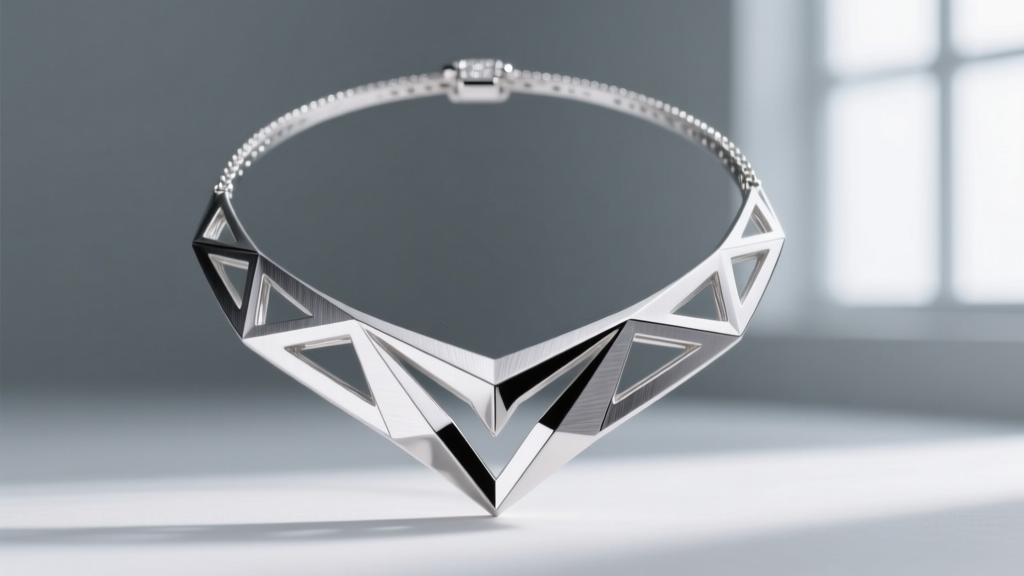
Platinum (typically alloyed with 5% ruthenium or cobalt) is the undisputed king of security. With a density of 21.45 g/cm³, a platinum motif necklace will feel substantially heavier than its gold counterpart. Platinum does not wear away; it merely displaces, developing a soft patina over time. However, its high melting point and density make casting ultra-thin, filigree-style motifs incredibly challenging. If you are buying a large, solid geometric motif, platinum is unmatched. For delicate, lace-like motifs, it may be too heavy, causing the necklace chain to pull uncomfortably against the nape of the neck.
Sterling Silver and the Oxidation Trap
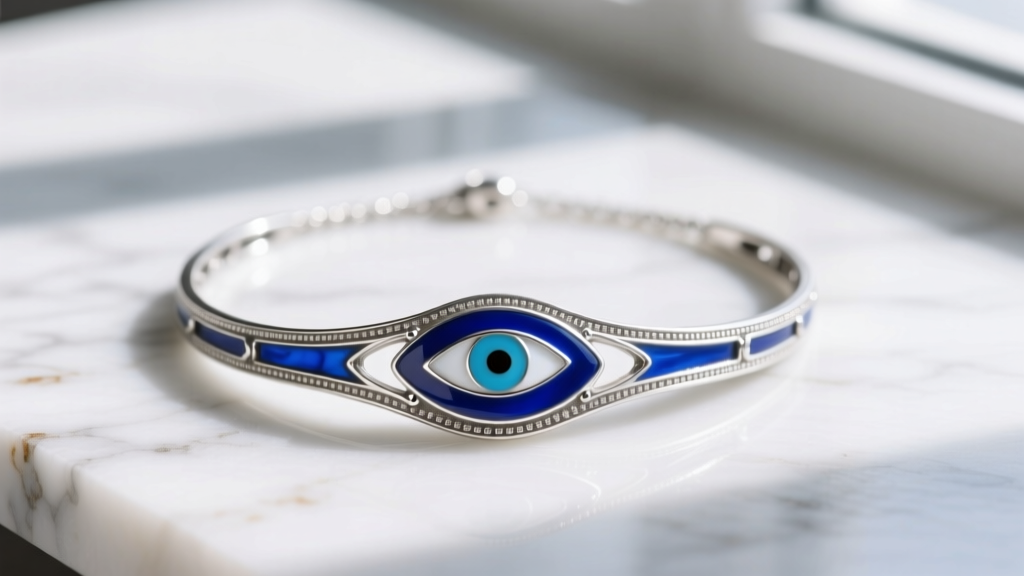
Sterling silver (92.5% silver, 7.5% copper) remains a popular entry point for motif necklaces, particularly for stamped coin or evil eye designs. However, the copper content makes it highly susceptible to oxidation. In motif necklaces with deep recesses or textured backgrounds, tarnish accumulates rapidly and is difficult to polish out without abrasive compounds that can scratch adjacent gemstone inlays. Upgrading to Argentium Silver (which replaces some copper with germanium) offers a highly tarnish-resistant alternative that maintains the bright white luster required for high-contrast motif designs.
Material Comparison Matrix
The following table breaks down the metallurgical properties most relevant to motif necklace construction, helping you align your material choice with your lifestyle and design preferences.
| Material | Hardness (Vickers) | Best Motif Style | Inlay Security | Avg. Price Premium |
|---|---|---|---|---|
| 18k Yellow Gold | ~125 HV | Classic Clovers, Florals | Moderate (requires annual prong checks) | Baseline (Luxury) |
| 14k Yellow Gold | ~150 HV | Everyday Coins, Geometric | High | -35% vs 18k |
| Platinum 950 | ~140 HV | Heavy Geometric, Diamond-Set | Exceptional | +40% vs 18k |
| Sterling Silver | ~105 HV | Stamped Talismans, Oxidized | Low (prongs wear quickly) | -85% vs 18k |
| Grade 5 Titanium | ~350 HV | Modern Architectural, CNC Milled | Permanent (often bezel or tension) | -70% vs 18k |
Alternative & Inlay Materials in Modern Motifs
A motif necklace is rarely just metal. The interplay between the metal framework and the inlay material defines the piece's character. Understanding the thermal expansion coefficients of these materials is vital for long-term wear.
- Mother-of-Pearl & Malachite: These organic and semi-precious stones are highly porous and sensitive to thermal shock. If set in a metal that conducts heat rapidly (like silver or thin gold), sudden temperature changes can cause the inlay to crack or separate from the metal bezel.
- High-Tech Ceramic: Used heavily in modern luxury motifs, ceramic is virtually scratch-proof (rating 8-9 on the Mohs scale) and maintains a permanent, non-fading color. However, it is brittle. A dropped ceramic motif necklace on a marble floor will shatter, whereas a gold motif would merely dent.
- Vitreous vs. Cold Enamel: Traditional vitreous enamel (fused glass powder) offers unparalleled depth and color stability but is prone to chipping upon impact. Modern cold enamels (epoxy resins) are more impact-resistant but will yellow over 5-10 years of UV exposure, a critical flaw for bright white or pastel motif backgrounds.
Real-World Failure Modes and Maintenance
According to master bench jewelers, the most common point of failure in a motif necklace is not the pendant itself, but the bail and the chain connection. Because motif pendants are often wider and heavier than standard drops, they create lateral friction against the bail loop.
'When a heavy gold motif pendant hangs from a delicate 14-inch cable chain, the constant sawing motion at the bail will eventually wear through the chain link. We always recommend pairing heavy motif pendants with a reinforced rolo or wheat chain to distribute the kinetic load.' — Master Jeweler Bench Notes, 2025
Furthermore, maintenance requires specific care. Never place a motif necklace with porous inlays (like turquoise, opal, or malachite) in an ultrasonic cleaner. The high-frequency vibrations will fracture the stone along its natural cleavage planes. Instead, use a soft horsehair brush and mild, phosphate-free dish soap to gently clean the metal recesses.
Final Verdict: Matching Metal to Motif
Choosing the right material for your motif necklace requires balancing aesthetic desires with mechanical realities. If your motif features intricate, multi-stone inlays and you lead an active lifestyle, 14k gold or platinum offers the necessary prong security. If you prioritize the rich, heritage look of a solid gold clover or coin motif and are willing to perform annual maintenance, 18k gold remains the undisputed standard of luxury. For those seeking modern, scratch-proof daily wear, exploring titanium or ceramic-inlaid motifs provides a contemporary edge that defies traditional wear-and-tear.
For deeper insights into precious metal grading and authenticity, consult the Gemological Institute of America (GIA) or review market alloy standards via the World Gold Council.


