Best Necklace with Bow: 2026 Budget & Value Guide
Discover how to choose the perfect necklace with bow in 2026. We break down pricing tiers, metal grades, and value retention for every budget.

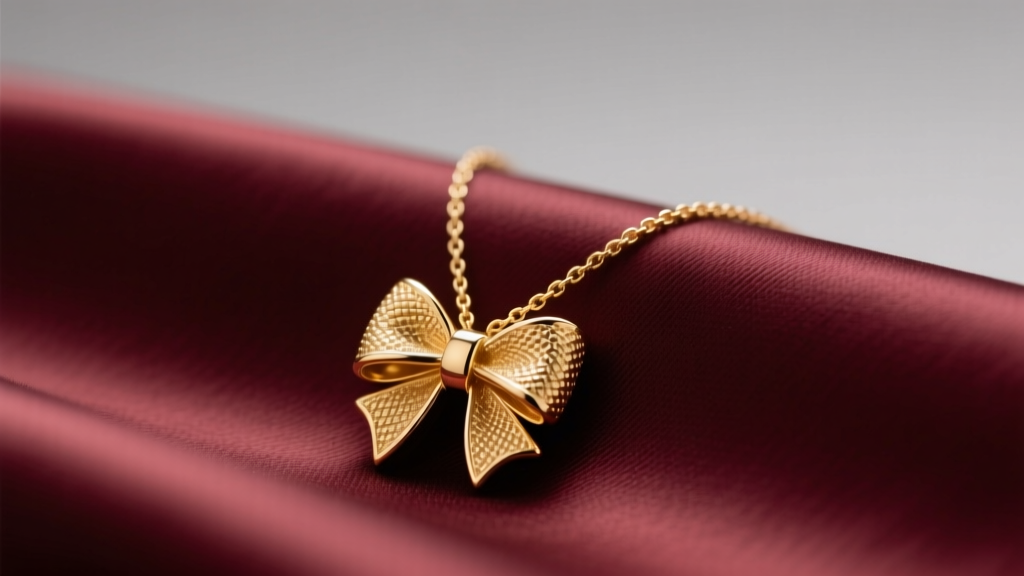
The Coquette & Balletcore Effect: Beyond the Trend
As we navigate the 2026 jewelry market, the coquette and balletcore aesthetics have matured from fleeting internet micro-trends into permanent fixtures of modern feminine styling. At the center of this movement is the classic necklace with bow. However, the market is currently saturated with options ranging from $15 fast-fashion alloys to $800 heirloom-quality solid gold pieces. For the discerning buyer, assessing the true value of a bow pendant requires looking past the initial aesthetic appeal and scrutinizing metallurgy, hardware mechanics, and long-term wearability.
Whether you are seeking a subtle micro-bow for daily layering or a statement enamel piece for evening wear, understanding the cost-to-value ratio is essential. This guide deconstructs the pricing tiers of bow necklaces, providing a concrete framework to help you determine where to invest your money and where to save.
Material Breakdown: What You Are Actually Paying For
The price disparity in the bow necklace market is almost entirely driven by base metals, plating thickness, and casting methods. Here is how the three primary market tiers break down in terms of budget and long-term value.
Tier 1: Fashion Brass & Flash Plating ($15 - $45)
At the entry-level, bow necklaces are typically cast from brass or zinc alloys and coated in "flash plating"—a microscopic layer of gold or silver that is often less than 0.5 microns thick. While these pieces capture the trendy silhouette perfectly, their value proposition is strictly seasonal. The high copper content in brass reacts with skin acidity and ambient humidity, leading to verdigris (the green oxidation layer) and rapid tarnishing. Value Verdict: Buy only for occasional, short-term styling. Do not expect these to survive daily wear or exposure to moisture.
Tier 2: Gold Vermeil & Sterling Silver ($60 - $180)
This is the sweet spot for most buyers seeking a balance of affordability and longevity. According to the Federal Trade Commission Jewelry Guides, true gold vermeil must consist of a sterling silver base coated with at least 2.5 microns of 10k, 14k, or 18k gold. This thickness provides a durable barrier against tarnish and can last for years with proper care. Sterling silver bows (without gold plating) are also excellent, though they require occasional polishing to remove silver sulfide tarnish. Value Verdict: High value for everyday wear. Vermeil offers the luxurious look of solid gold at a fraction of the cost, making it the smartest budget choice for trend-forward pieces.
Tier 3: Solid 14k/18k Gold & Fine Enamel ($300 - $900+)
Fine jewelry bow necklaces are cast in solid 14k or 18k gold. As noted by the Gemological Institute of America (GIA), 14k gold (58.5% pure gold) offers the optimal balance of rich color and structural durability, ensuring the delicate loops and tails of the bow do not bend or warp over time. High-end pieces may also incorporate vitreous enamel (fired glass) rather than cold enamel (epoxy resin), providing a glass-like finish that will not yellow or chip. Value Verdict: An heirloom investment. These pieces retain intrinsic metal value and can be worn continuously without fear of water damage or plating loss.
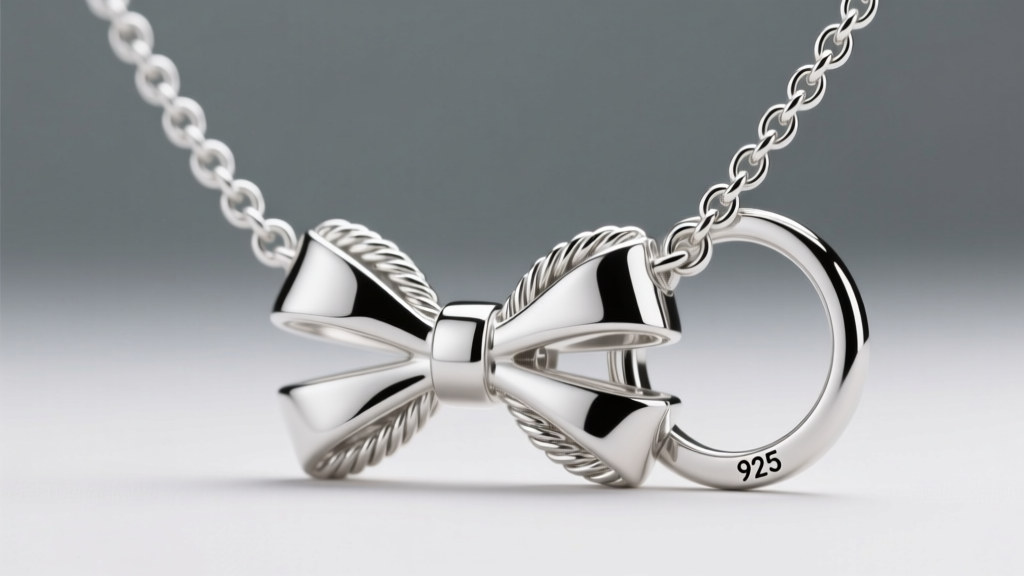
The Value Assessment Matrix
To make an informed purchasing decision, compare the material tier against your intended wear frequency. Use the matrix below to align your budget with realistic lifespan expectations.
| Material Tier | Average Price Range | Expected Lifespan | Tarnish & Water Resistance | Resale / Heirloom Value |
|---|---|---|---|---|
| Brass / Flash Plated | $15 - $45 | 3 - 6 Months | Very Low (Tarnishes quickly) | None |
| Sterling Silver | $50 - $120 | 5 - 10+ Years | Moderate (Requires polishing) | Low (Scrap value only) |
| Gold Vermeil (2.5µm+) | $80 - $180 | 2 - 5 Years | High (With proper care) | Low |
| Solid 14k / 18k Gold | $300 - $900+ | Lifetime | Very High (Waterproof) | High (Intrinsic metal value) |
Hardware Mechanics: Bails, Chains, and Center of Gravity
A major failure point in poorly designed bow necklaces is the bail—the component that connects the pendant to the chain. A bow is horizontally biased, meaning its weight is distributed outward. If a manufacturer simply solders a standard jump ring to the back of the bow's top knot, the pendant will tilt forward, exposing the flat, unpolished back of the metal against your skin.
The Expert Fix: High-value bow necklaces feature a custom-cast, integrated bail angled at approximately 15 degrees, or a hidden horizontal tube bail. This engineering ensures the bow lays perfectly flat against the sternum. When assessing a necklace with bow in the $100+ range, inspect the bail closely. If it is a rudimentary jump ring, the piece lacks structural forethought and is overpriced.
Furthermore, chain gauge must match the pendant weight. A delicate 0.7mm cable chain is visually appealing but will easily snap under the dynamic stress of a 15mm solid gold bow (which can weigh upwards of 2.5 grams). For pendants exceeding 2 grams, demand a 1.0mm to 1.2mm rolo or reinforced cable chain equipped with a soldered lobster clasp to prevent accidental loss.
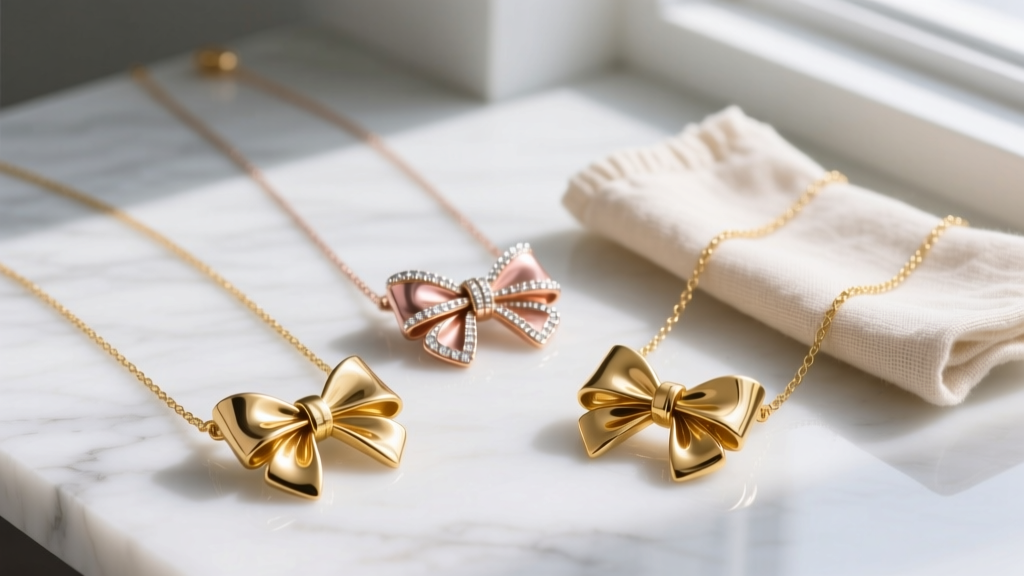
Sizing the Bow: Micro vs. Statement Proportions
The physical dimensions of the bow dictate both its price and its styling versatility. In 2026, the market is distinctly split into two categories:
- Micro Bows (6mm - 10mm): These minimalist pendants are lightweight, requiring less raw material, which keeps solid gold options accessible (often under $250). They are ideal for layering with longer lariat chains or pearl strands, serving as a subtle textural accent near the collarbone.
- Statement Bows (20mm - 35mm): Larger, sculptural bows require complex 3D casting to ensure the loops do not look flat or heavy. Because they require significantly more metal, solid gold versions command a premium. These are best worn solo on a 15-inch choker chain to emulate a classic velvet ribbon tie.
Maintenance Protocols to Maximize ROI
Protecting your investment requires specific care protocols, particularly for necklaces featuring enamel or gemstone accents. Never place an enameled bow necklace in an ultrasonic cleaner; the high-frequency vibrations can shatter vitreous enamel or loosen the adhesive on cold enamel. Instead, use a few drops of mild, phosphate-free dish soap in lukewarm water, gently agitating the chain and pendant with a soft-bristled baby toothbrush. Dry immediately with a microfiber cloth to prevent water spots on high-polish gold surfaces.
Final Verdict: Where to Invest and Where to Save
"The true value of a bow necklace lies not just in its metal weight, but in its structural engineering. A perfectly balanced bail and a proportionate chain gauge elevate a simple pendant into a lifelong staple."
If you are buying strictly to participate in a seasonal styling trend, save your money and opt for a sterling silver or high-quality vermeil piece in the $70 to $120 range. However, if you view the necklace with bow as a permanent addition to your daily uniform—a modern heirloom that bridges the gap between vintage romance and contemporary minimalism—bypass the plated options entirely. Investing in a solid 14k gold piece with an integrated, angled bail will yield the highest cost-per-wear value and ensure the silhouette remains pristine for decades.


