Buying Popular Necklaces: 2026 Quality & Style Guide
Discover what to look for when buying popular necklaces in 2026. Expert advice on chain gauges, metal grades, clasp types, and pricing for lasting quality.

The Anatomy of High-Quality Popular Necklaces
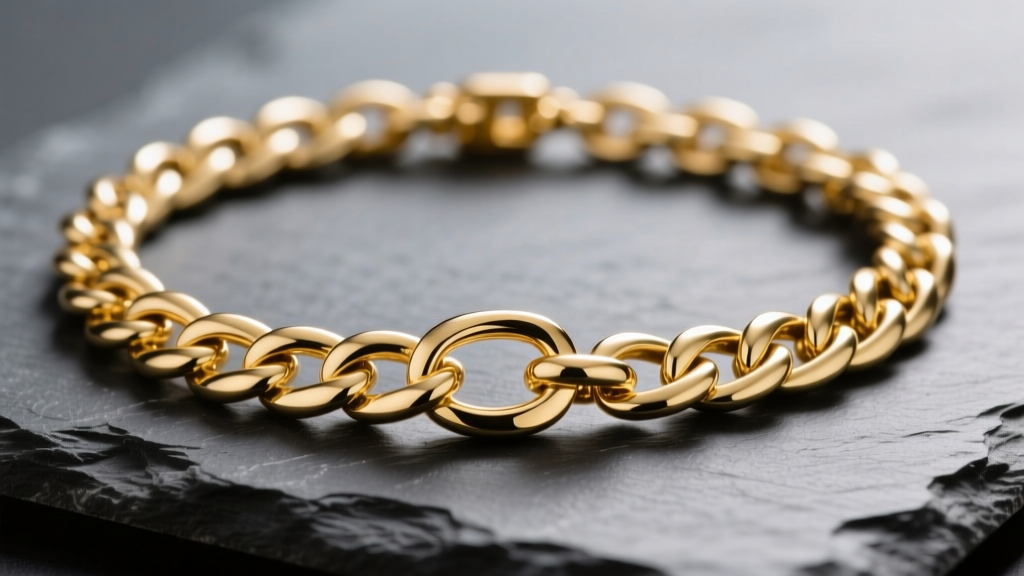
The market for popular necklaces has expanded exponentially, driven by social media trends and the rise of direct-to-consumer jewelry brands. However, this surge in demand has also flooded the market with fast-fashion alternatives that prioritize aesthetic mimicry over structural integrity. When investing in a piece you intend to wear daily, understanding the metallurgical and mechanical realities of chain manufacturing is non-negotiable. A truly enduring necklace is defined by its metal purity, plating thickness, chain gauge, and clasp mechanics. In this 2026 buying guide, we strip away the marketing jargon to provide a definitive framework for evaluating popular necklace styles, ensuring your investment withstands the rigors of daily wear.
Metal Purity and Plating Thickness
Not all gold-toned necklaces are created equal. The Federal Trade Commission (FTC) strictly regulates jewelry metal marking, yet misleading terminology remains rampant. Here is the technical breakdown of what you are actually buying:
- Flash Plated (Gold Plated): Typically a brass or copper core with a microscopic layer of gold (less than 0.05 microns). This will tarnish or rub off within weeks of daily wear due to skin acidity and friction.
- Gold Vermeil: By US standards, vermeil must consist of a .925 sterling silver base plated with at least 2.5 microns of 10k, 14k, or 18k gold. While significantly more durable than flash plating, the gold layer will eventually wear through at high-friction points (like the clasp and jump rings) after 1 to 3 years of continuous use.
- Gold-Filled: A mechanical bonding process where a thick layer of 14k gold (comprising at least 1/20th of the total weight) is heat-bonded to a brass core. Gold-filled chains offer decades of durability and are the premier choice for non-solid gold buyers.
- Solid Gold (14k or 18k): The ultimate standard for heirloom-quality popular necklaces. 14k gold (58.5% pure gold) offers the ideal balance of rich color and tensile strength, whereas 18k (75% pure) is softer, richer in color, but more prone to scratching and stretching.
For authoritative data on gold purity and alloy compositions, consult the Gemological Institute of America (GIA) educational resources before making high-ticket purchases.
Chain Styles: Durability vs. Aesthetics
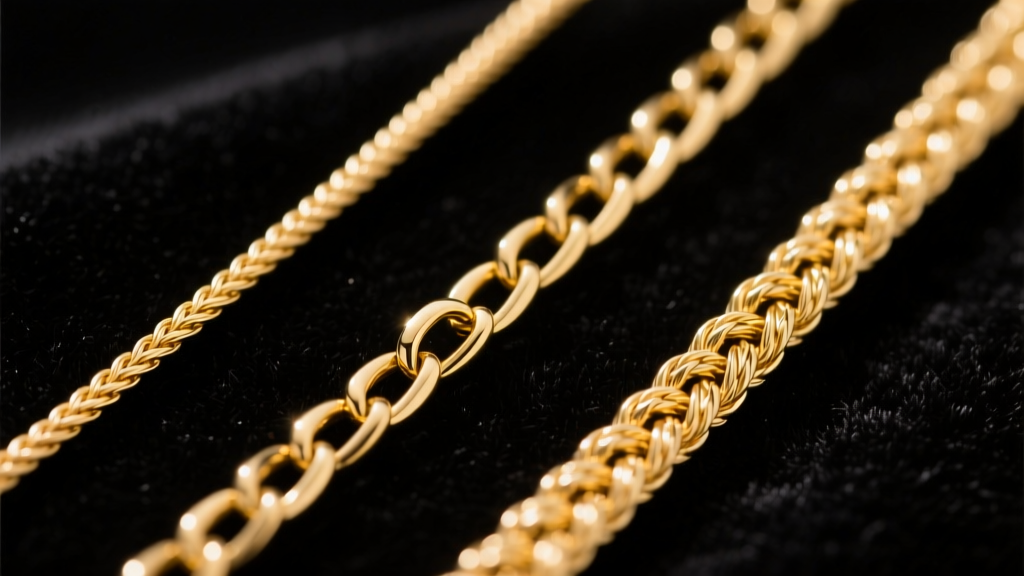
The structural geometry of a chain dictates its tensile strength, flexibility, and susceptibility to kinking. When browsing popular necklaces, you must match the chain style to its intended use—whether it is meant to hold a heavy pendant or serve as a standalone statement piece. Below is a technical comparison of the most prevalent chain styles on the market in 2026.
| Chain Style | Ideal Gauge Range | Tensile Strength | Best Use Case | Approx. Price (Solid 14k, 18") |
|---|---|---|---|---|
| Cable | 1.0mm - 2.0mm | Low to Medium | Lightweight micro-pendants; delicate layering. | $250 - $600 |
| Curb | 2.5mm - 6.0mm | Very High | Standalone wear; heavy pendants; everyday durability. | $800 - $3,500+ |
| Figaro | 2.0mm - 5.0mm | High | Textured standalone wear; vintage aesthetics. | $700 - $2,800 |
| Rope | 1.5mm - 4.0mm | Medium | Light-reflective layering; medium-weight pendants. | $500 - $2,200 |
| Box | 1.2mm - 3.0mm | Medium-High | Geometric pendants; sleek, modern minimalist looks. | $400 - $1,500 |
Expert Insight: Avoid hollow chains at all costs. Many manufacturers produce thick-looking curb or Cuban link chains that are hollowed out to save on gold weight. These chains are incredibly fragile; a single accidental snag will dent or crush the links irreparably, and they are virtually impossible for jewelers to solder back together.
The Weakest Link: Clasp and Jump Ring Mechanics
A necklace is only as strong as its weakest mechanical joint. The vast majority of broken popular necklaces fail not at the chain links, but at the clasp or the jump ring connecting the clasp to the chain.
Clasp Selection
Skip the traditional spring-ring clasp. Spring rings utilize a microscopic internal spring and a thin wire gate that easily snags on hair or clothing, pulling the gate open and losing the necklace. Instead, insist on a machined lobster clasp. Lobster clasps feature a solid, spring-loaded lever that snaps shut securely. For heavier chains (over 4.0mm), a box clasp with a figure-eight safety latch is mandatory to distribute tension and prevent accidental unhooking.
The Soldered Jump Ring Requirement
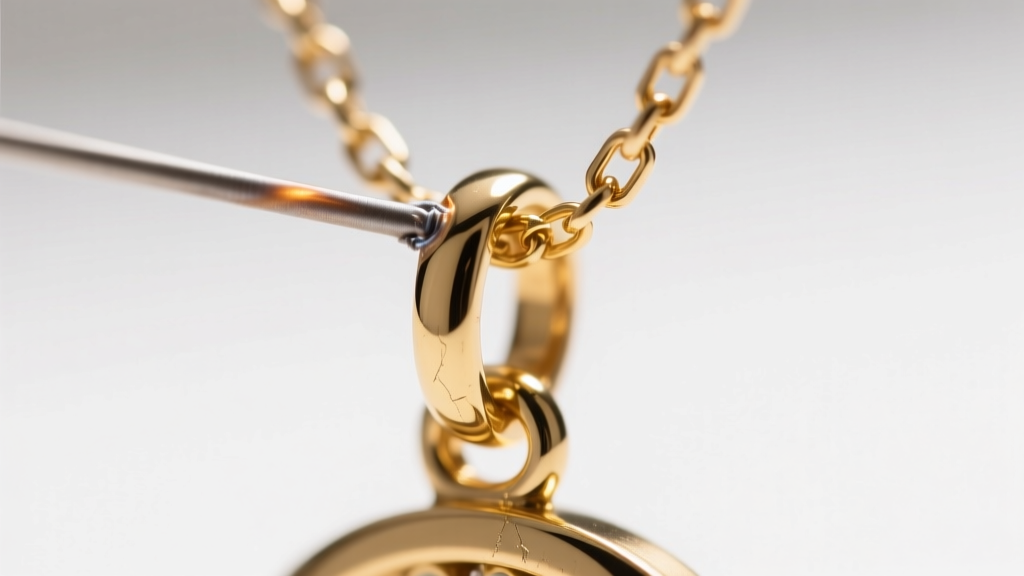
The jump ring is the small circular loop that connects the chain to the clasp or pendant. If the jump ring is simply bent shut (unsoldered), the weight of a pendant or a sharp tug on the chain will pull the gap open, causing the jewelry to slip off. Always inspect the jump rings on popular necklaces. They must be soldered (fused shut with a laser or torch) or, at the absolute minimum, crafted from thick 16-gauge or 18-gauge wire that resists pulling apart.
Pricing Framework: What You Should Actually Pay
Understanding the intrinsic value of the materials protects you from predatory markups. In 2026, with gold spot prices remaining historically high, the pricing of solid gold necklaces is heavily dictated by gram weight and manufacturing complexity. Here is a realistic pricing framework to guide your purchasing decisions:
- Gold Vermeil / Gold-Filled (Mass Market): $80 to $180. Anything above $250 for plated jewelry is a brand-tax markup.
- Solid 10k Gold (Entry Level): $350 to $800 for standard 18-inch chains in the 1.5mm to 3.0mm range.
- Solid 14k Gold (Mid-Tier / Standard): $600 to $2,500. Machine-made chains (cable, curb) sit at the lower end, while hand-linked or diamond-cut ropes command a premium due to labor costs.
- Solid 18k Gold (Luxury): $1,200 to $5,000+. Due to the higher pure gold content and the density of 18k alloys, these chains are significantly heavier and more expensive per inch.
Red Flags When Shopping Online
When evaluating popular necklaces on e-commerce platforms, be highly skeptical of the following marketing tactics:
- "Gold Clad" or "Gold Bonded": These are unregulated, ambiguous terms often used to disguise standard flash-plated brass. Stick to FTC-recognized terms like "Gold-Filled" or "Vermeil."
- Missing Hallmarks: By law, solid gold jewelry sold in the US and Europe must bear a purity stamp (e.g., 14K, 585, 18K, 750) and a maker's mark. If the clasp or jump ring lacks a laser-engraved hallmark, assume it is plated.
- Vague Weight Descriptions: High-quality jewelers list the exact gram weight of their solid gold chains. If a retailer only lists the dimensions (e.g., "18 inches, 3mm") without the gram weight, they are likely selling hollow or heavily plated base metals.
Final Verdict: Building a Core Collection
Investing in popular necklaces is an exercise in balancing trend-driven aesthetics with horological-grade material standards. For a versatile, lifelong collection, prioritize a solid 14k gold 2.5mm curb chain with a soldered jump ring and a machined lobster clasp as your foundational piece. It possesses the tensile strength to hold a variety of pendants and the classic geometry to be worn alone. By scrutinizing metal grades, demanding soldered connections, and understanding the true cost of gold weight, you can navigate the crowded jewelry market and acquire pieces that will outlast fleeting trends.


