2026 Gift Guide: Choosing the Perfect Hmong Silver Necklace
Discover how to choose, authenticate, and gift a traditional Hmong silver necklace for weddings, milestones, and cultural celebrations in our 2026 guide.

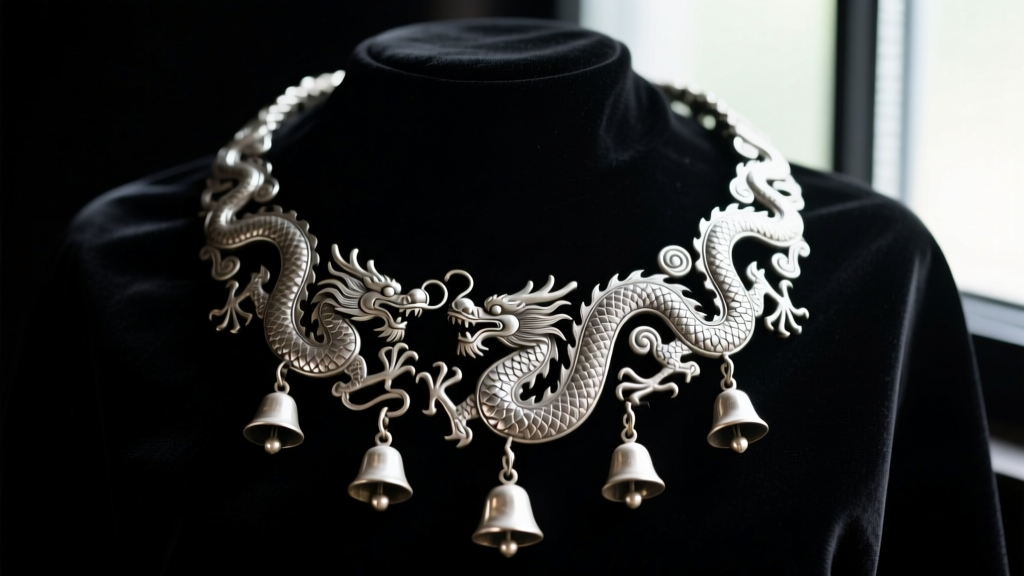
Gifting jewelry is an intimate act, but gifting heritage jewelry is a profound exchange of history, identity, and artistry. As we navigate the 2026 landscape of ethical and culturally significant fashion, the Hmong silver necklace has emerged as a highly sought-after piece for collectors, diaspora communities, and lovers of ethnographic art. Far from mass-produced costume jewelry, authentic Hmong silverwork represents centuries of migratory history, spiritual protection, and masterful metallurgy.
Whether you are shopping for a wedding, a milestone birthday, or a cultural celebration like the Hmong New Year (Noj Peb Caug), selecting the right piece requires an understanding of motif symbolism, silver purity, and structural ergonomics. This comprehensive guide will equip you with the domain expertise needed to choose, authenticate, and gift a Hmong silver necklace with confidence and respect.
The Cultural Weight of Hmong Silver
To gift a Hmong silver necklace is to gift a tangible piece of ancestral wealth. Historically, the Hmong people—an ethnic group with roots in the mountainous regions of Southern China, Vietnam, Laos, and Thailand—did not use paper currency in their remote highland communities. Instead, wealth was stored and transported in the form of silver jewelry and silver-threaded textiles. According to the University of Minnesota's Hmong Archives, silver torques and necklaces were not merely decorative; they were spiritual armor. The heavy silver collars, known as xauv, were believed to lock the soul to the body, protecting the wearer from malevolent spirits and ensuring spiritual wholeness.
"In traditional Hmong culture, silver is the ultimate conduit of spiritual protection and familial wealth. To present a silver torque to a bride or a newborn is to tether their soul to the safety of the family lineage."
When gifting these pieces today, you are participating in a continuum of protection and blessing. Understanding this context elevates the gift from a simple accessory to a deeply meaningful heirloom.
Decoding Metallurgy: Coin Silver vs. Modern Alloys
One of the most common pitfalls for buyers is misunderstanding the silver purity of vintage versus contemporary Hmong necklaces. Authenticity and material grade drastically affect both the price and the care requirements of the piece.
Vintage Coin Silver (Pre-1970s)
True vintage Hmong silver was rarely stamped "925." Artisans historically melted down French Indochinese piastres (silver coins circulated in Southeast Asia during the colonial era). These coins had a fineness of approximately 0.900 (90% silver), with the remaining 10% usually being copper for durability. This alloy, known as coin silver, develops a rich, warm, golden-grey patina over time. Vintage pieces are highly collectible, often priced between $800 and $3,500 depending on weight and provenance, but they are also more brittle and prone to cracking if bent repeatedly.
Contemporary Artisan Silver (925 and 999)
Modern Hmong silversmiths, particularly those operating out of cooperatives in Luang Prabang (Laos) and Chiang Mai (Thailand), primarily use 925 sterling silver or 999 fine silver. Fine silver (99.9% pure) is exceptionally malleable, allowing for the deep, dramatic repoussé work and intricate filigree that defines the Hmong aesthetic. However, because 999 silver is soft, structural components like clasps and torque hinges are usually reinforced with sterling silver or brass.
Occasion Matching: Motifs and Milestones
Hmong silverwork is a visual language. The motifs hammered into the silver carry specific blessings, making certain necklaces more appropriate for specific gifting occasions. The Minneapolis Institute of Art, which houses an extensive collection of Southeast Asian highland textiles and metalwork, notes that nature and mythology heavily dictate these designs.
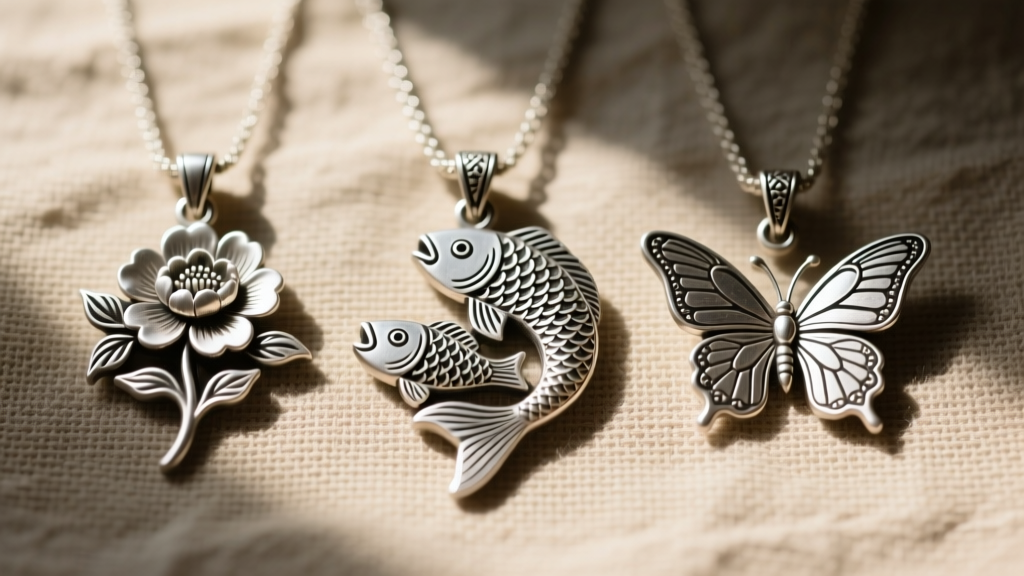
| Occasion | Recommended Motif | Symbolic Meaning | Ideal Necklace Style |
|---|---|---|---|
| Weddings | Dragon & Phoenix | Yin and Yang balance, marital harmony, and prosperity. | Heavy multi-strand festoon or rigid torque (xauv). |
| Hmong New Year | Peony & Butterfly | Blooming youth, beauty, and the arrival of spring. | Lighter collar with dangling bell or coin pendants. |
| Newborn / Baptism | Longevity Lock / Fish | Soul tethering, abundance, and protection from water spirits. | Adjustable braided cord with a hollow silver lock pendant. |
| 60th Milestone Birthday | Turtle / Crane | Longevity, wisdom, and a long, healthy life. | Thick chain with a large, ornate repoussé medallion. |
Ergonomics: Navigating Torque Weight and Sizing
A critical aspect of gifting a Hmong silver necklace—particularly the traditional rigid collar or xauv—is understanding the physical weight and ergonomics of the piece. Traditional festival torques were designed to be worn for short durations during ceremonies and can weigh anywhere from 300 grams to over 800 grams. While visually stunning, an 800-gram solid silver collar can cause severe clavicle fatigue if worn for an entire day.
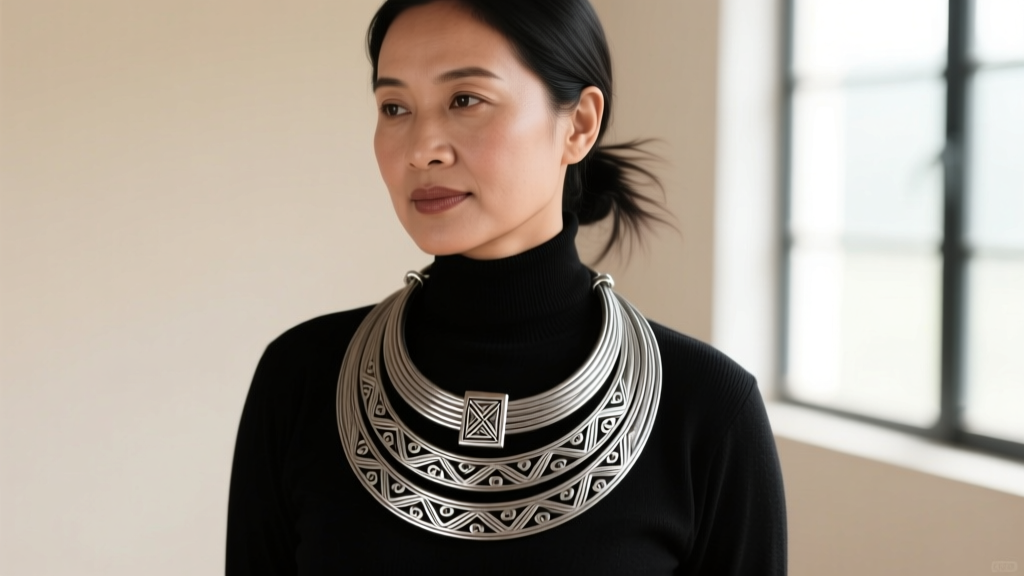
Sizing and Fit Guidelines:
- Open-Ended Torques: These rely on the tension of the thick silver wire (often 6mm to 10mm in diameter) to stay on the neck. They are adjustable but should only be bent by a professional jeweler to avoid metal fatigue and snapping.
- Hinged Torques: A modern adaptation featuring a discreet hinge at the back and a box clasp at the front. These are much easier to put on and remove, making them the superior choice for everyday wear or older recipients.
- Layered Rope Necklaces: For recipients who prefer lighter jewelry, consider a Hmong-style braided silver rope necklace. These offer the visual volume of a torque but weigh significantly less (typically 80g–150g) and drape softly against the collarbone.
Authentication and Ethical Sourcing
The market is unfortunately flooded with mass-produced, machine-stamped "tribal" jewelry made from nickel-silver (which contains zero actual silver) or white metal alloys. To ensure you are gifting an authentic piece, apply these expert verification methods:
- The Patina Test: Authentic vintage coin silver develops a complex, multi-tonal patina. The high points will be polished bright from friction against clothing, while the deep repoussé crevices will hold a dark, almost black oxidation. Fake tarnish is often uniformly grey and chemically applied.
- The Ring Test: Gently tap the piece with a wooden dowel or your fingernail. High-purity silver emits a clear, high-pitched, sustained ping. Base metals or heavily alloyed pot metals produce a dull, short thud.
- Seam Inspection: Handcrafted Hmong silver often features granulation (tiny silver beads) and applied wirework. Under a jeweler's loupe, you should see slight irregularities and evidence of hand-soldering. Machine-made pieces will look perfectly uniform and flat.
When purchasing new, seek out certified artisan cooperatives that directly employ Hmong silversmiths. This ensures the preservation of traditional repoussé and chasing techniques while providing fair wages to the communities that originated these designs.
Gifting Etiquette and Presentation
Presentation is paramount when gifting heritage jewelry. Avoid generic velvet retail boxes. Instead, wrap the necklace in a piece of authentic paj ntaub (Hmong story cloth or cross-stitch textile). The vibrant pinks, greens, and blues of the traditional embroidery provide a breathtaking contrast to the oxidized silver, while honoring the dual textile and metalworking traditions of the Hmong people. Include a handwritten note explaining the specific motif you chose and its traditional blessing, bridging the gap between ancient symbolism and your personal relationship with the recipient.
Heirloom Care and Maintenance
Because Hmong silver features deep, intricate repoussé grooves, standard silver polishing cloths cannot reach the tarnish trapped in the crevices. Furthermore, aggressively polishing vintage coin silver can strip away the historical patina that collectors and museums prize.
- Routine Cleaning: Use a soft, clean horsehair detailing brush to gently sweep dust and oils out of the filigree and repoussé grooves.
- Deep Tarnish Removal: For modern 925 pieces, use a specialized liquid silver dip sparingly, followed by an immediate rinse in distilled water and thorough drying. Never use dips on vintage pieces with porous gemstones or woven fabric accents.
- Storage: Store the necklace in an airtight anti-tarnish bag with 3M anti-tarnish strips. Keep it flat; hanging heavy torques on standard jewelry hooks can warp the silver wire over time due to gravity.
By understanding the metallurgy, respecting the cultural symbolism, and prioritizing ethical sourcing, your gift of a Hmong silver necklace will transcend mere fashion. It becomes a wearable archive, a spiritual talisman, and a breathtaking work of art that will anchor the recipient's wardrobe and heritage for generations to come.


