Best Bracelet Necklace Holder: Jewelry Storage Guide
Discover how to choose the best bracelet necklace holder to prevent tangling and tarnishing. Expert tips on materials, tiers, and anti-tarnish linings.

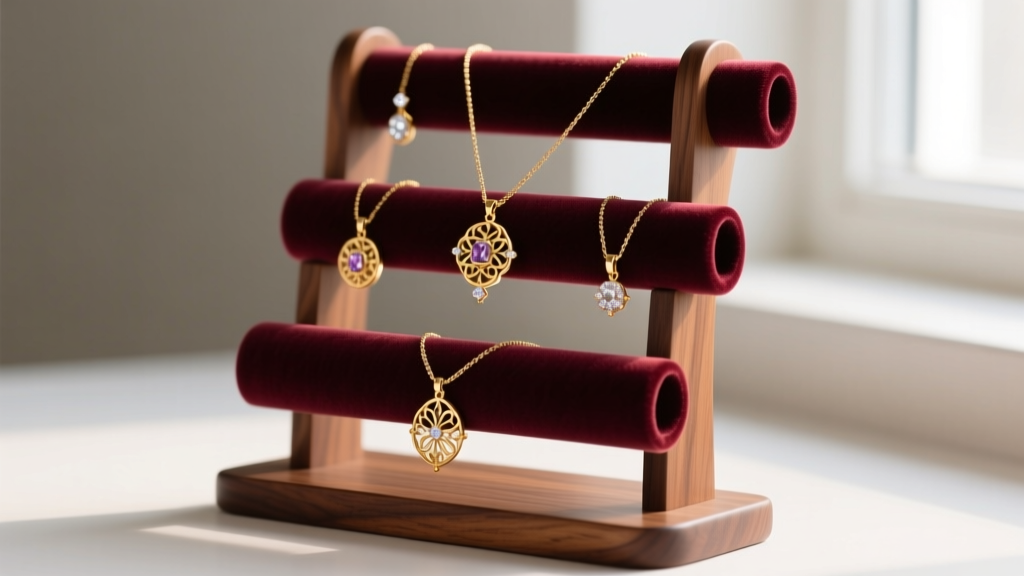
Fine necklaces, intricate pendants, and layered chains represent a significant investment in both craftsmanship and precious metals. Yet, many jewelry enthusiasts unknowingly degrade their collections by storing them on inadequate hooks or tossing them into crowded drawers. A high-quality bracelet necklace holder is not merely a decorative vanity accessory; it is a critical preservation tool designed to prevent micro-abrasions, chain kinking, and accelerated oxidation. Whether you are storing a fragile 18-inch gold snake chain or a heavy sterling silver locket, selecting the right storage architecture is essential.
Why Fine Necklaces Require Specialized Storage
The physics of chain tangling and metal oxidation dictate how your jewelry should be stored. According to Jewelers of America, improper storage is one of the leading causes of premature wear and structural damage to fine jewelry. When necklaces are piled together, the links act like microscopic gears, catching on one another and creating severe knots that can permanently distort box chains and herringbone patterns.
Furthermore, environmental factors play a massive role in jewelry degradation. Airborne hydrogen sulfide and sulfur dioxide react with the copper alloys in gold and the surface of sterling silver, causing tarnish. A dedicated bracelet necklace holder mitigates these risks by providing spatial separation and, when constructed correctly, an anti-tarnish microenvironment.
Key Features to Evaluate in a Bracelet Necklace Holder
When shopping for a dual-purpose stand that accommodates both bangles and necklaces, you must look beyond aesthetics. The structural integrity and material science of the holder are paramount.
Base Weight and Center of Gravity
Heavy pendants, such as solid gold lockets or gemstone-studded pieces, can easily weigh between 20 and 50 grams. When hung on a tall, lightweight stand, this creates a pendulum effect that can tip the entire unit, dragging your jewelry across the floor. A premium bracelet necklace holder must feature a weighted base—often constructed from cast iron, solid marble, or dense hardwood—with a footprint diameter of at least 6 inches to ensure absolute stability.

Anti-Tarnish Lining Materials
The fabric covering the hanging tiers is your first line of defense against oxidation. Avoid standard untreated cotton or synthetic felts, which can trap moisture and release trace sulfur compounds. Instead, look for holders lined with Pacific cloth, treated flannel, or Silverguard fabrics. These specialized textiles are embedded with fine silver particles or zinc that absorb and neutralize corrosive gases before they reach your jewelry. As recommended in Tiffany & Co.'s jewelry care guidelines, storing silver and gold in treated, airtight, or chemically neutral environments is crucial for maintaining their luster.
Hook Design and Tier Spacing
The geometry of the hooks determines whether your chains will slip off or become snagged. Blunt-ended hooks capped with soft silicone are ideal for preventing scratches on delicate clasps. Additionally, tier spacing must accommodate various necklace lengths. A well-designed stand will offer a minimum of 12 inches of vertical clearance between tiers, allowing 24-inch opera chains and 28-inch rope chains to hang freely without bunching at the bottom.
Material Comparison: Wood vs. Acrylic vs. Metal
The primary material of your bracelet necklace holder dictates its longevity, maintenance requirements, and overall footprint. Below is a comparative breakdown of the most common materials used in high-end jewelry organizers.
| Material | Base Stability | Anti-Tarnish Efficacy | Price Range | Best Chain Type |
|---|---|---|---|---|
| Solid Walnut Wood | High | Medium (Requires lining) | $45 - $90 | Delicate link and cable chains |
| Brushed Brass | Very High | Low (Needs separate strips) | $60 - $120 | Heavy pendant and curb chains |
| Clear Acrylic | Low | None | $20 - $40 | Minimalist chokers and wires |
| Velvet-Covered MDF | Medium | High (If treated fabric) | $30 - $55 | Box, herringbone, and snake chains |
Travel-Friendly Bracelet Necklace Holders: Rolls vs. Cases
If your jewelry needs to travel, a traditional tabletop stand is impractical. Travel-specific bracelet necklace holders generally fall into two categories: soft rolls and hard-shell cases. Understanding the mechanics of both will help you choose the right protection for your journey.
The Jewelry Roll
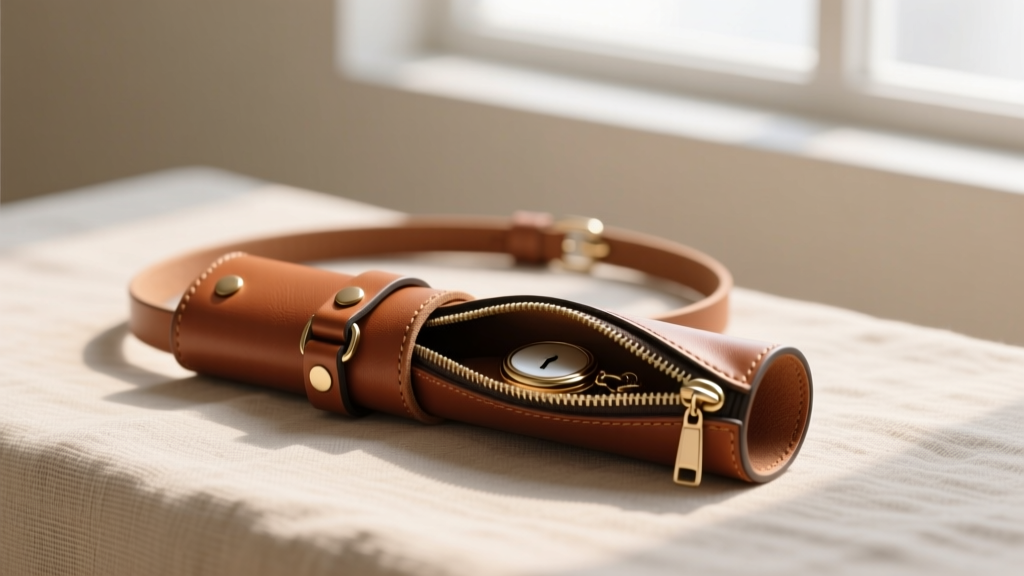
Soft rolls are excellent for minimizing luggage volume. Look for vegan leather or microfiber exteriors with an interior featuring individual snap-button straps. The critical feature to look for is a gusseted flap that folds over the hanging necklaces before the roll is closed. This prevents the chains from sliding out of their straps and tangling with the bracelet loops during transit. Always ensure the roll includes a dedicated zippered pouch at the bottom for heavy, asymmetrical pendants that might otherwise punch through the soft fabric.
Hard-Shell Valet Cases
For maximum protection, especially when carrying high-carat diamond pendants or vintage lockets, a hard-shell EVA or aluminum case is superior. These cases feature rigid, slotted velvet inserts that lock the chain links into place. The best models include a built-in compartment for 3M anti-tarnish strips, which actively scrub the air inside the sealed case of corrosive elements.
Maintenance and Cleaning Your Jewelry Stand
Your bracelet necklace holder requires maintenance to remain effective. Dust accumulation on the tiers can transfer to your jewelry, acting as a mild abrasive. Use a soft microfiber cloth to wipe down wooden and acrylic surfaces weekly. If your holder features an anti-tarnish fabric lining, never use liquid cleaners or water, as this will strip the active tarnish-absorbing chemicals from the fibers. Instead, use a soft-bristled brush to gently lift dust from the velvet or Pacific cloth.
Finally, if your stand relies on replaceable anti-tarnish strips tucked into the base, mark your calendar to replace them every six months. Once the strips turn entirely black or dark brown, they are fully saturated with sulfur and will no longer protect your precious metals.
Final Thoughts on Protecting Your Collection
Investing in a premium bracelet necklace holder is an investment in the longevity of your jewelry. By prioritizing weighted bases, chemically treated linings, and proper spatial geometry, you ensure that your necklaces and pendants remain pristine, untangled, and ready to wear. Evaluate your specific collection—whether it leans toward heavy statement pieces or delicate layering chains—and select a storage solution engineered to meet those exact physical demands.


