Green Gold Necklace Care: Troubleshooting Tarnish and Skin Reactions
Is your green gold necklace tarnishing or causing skin discoloration? Learn the metallurgy, safe cleaning methods, and troubleshooting steps.

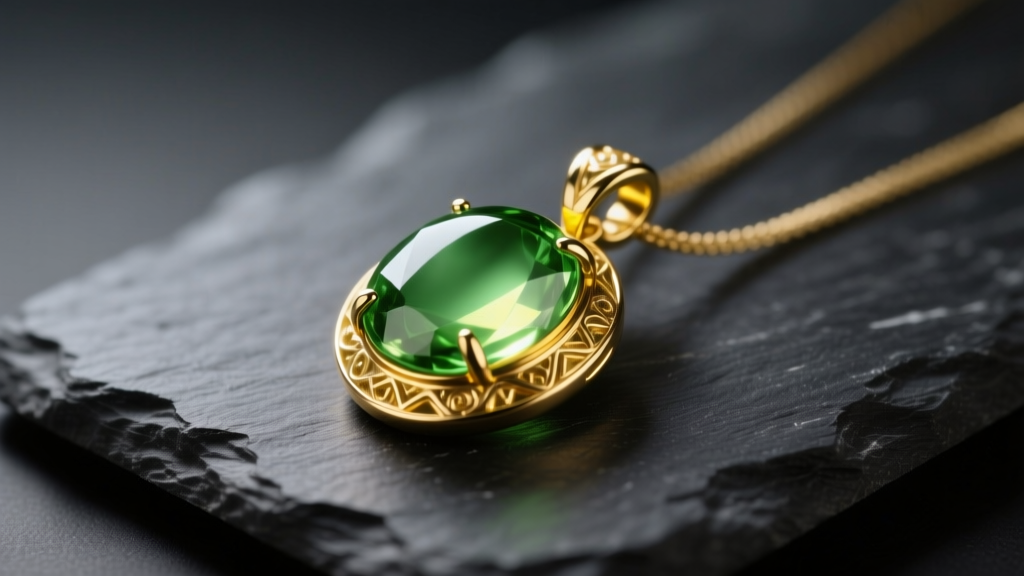
When a green gold necklace begins to tarnish, lose its subtle hue, or leave dark marks on your skin, it is rarely a defect in the gold itself. Instead, it is a chemical reaction tied to the alloy's specific metallurgical profile. True green gold is a specialized alloy, and caring for it requires a completely different approach than standard yellow or white gold. If you are dealing with a discolored chain, a dull pendant, or the dreaded 'green neck' effect, this troubleshooting guide will help you diagnose the exact metallurgical cause and restore your jewelry safely.
The Metallurgy of Green Gold: Intentional Alloy vs. Chemical Reaction
To troubleshoot your necklace, you must first understand what green gold actually is. According to the Gemological Institute of America (GIA), green gold is created by alloying pure yellow gold with silver, and sometimes trace amounts of copper or zinc. Historically, this natural alloy was known as electrum. Today, modern jewelers achieve the greenish-yellow hue by strictly controlling the gold-to-silver ratio.
True 18k green gold contains 75% pure gold and 25% silver. Because it lacks the high copper content found in rose gold, it does not tarnish green. Instead, the high silver content makes it prone to silver sulfide tarnish, which appears as a dull gray or black film.
If your necklace is leaving a green or black mark on your skin, or if the metal itself is turning a muddy brown, you are likely dealing with one of three specific issues: silver sulfide tarnish, microscopic abrasion from cosmetics, or a misidentified base-metal alloy masquerading as green gold.
Troubleshooting Matrix: Diagnosing Your Necklace's Discoloration
Before applying any cleaning solutions, identify the exact symptom your necklace is exhibiting. Use the matrix below to pinpoint the root cause of the discoloration.
| Symptom | Probable Metallurgical Cause | True Green Gold Status |
|---|---|---|
| Dark gray/black film on the metal | Silver sulfide tarnish (reaction with sulfur in the air or skin) | Likely authentic 14k or 18k green gold |
| Green/black mark on the skin | Copper chlorides reacting to acidic sweat (pH below 5.5) | Likely a copper-heavy base metal or low-karat fake |
| Metal looks dull, scratched, and gray | Micro-abrasion from zinc oxide or titanium dioxide in cosmetics | Authentic, but surface is physically abraded |
| Flaking or peeling 'green' color | Gold plating wearing off a brass or bronze core | Not solid green gold; plated costume jewelry |
Step-by-Step Tarnish Removal for High-Silver Gold Alloys
Because green gold relies heavily on silver for its color, you cannot use harsh commercial gold dips. Many commercial cleaners contain thiourea or harsh acids that will strip the silver from the surface layer, permanently altering the alloy's color and leaving it looking like standard yellow gold. Instead, use an electrochemical reduction method that reverses silver sulfide tarnish without removing any metal.
The Aluminum Foil and Baking Soda Method
This method is highly effective for solid 14k and 18k green gold chains and pendants. Warning: Do not use this method if your necklace contains porous gemstones (like pearls, opals, or turquoise) or fracture-filled diamonds, as the hot water and alkaline solution will destroy them.
- Line a glass or ceramic bowl with heavy-duty aluminum foil, shiny side up.
- Place your tarnished green gold necklace directly onto the foil. The metal must touch the aluminum.
- Boil a cup of distilled water and pour it into the bowl.
- Add one tablespoon of baking soda and one teaspoon of non-iodized salt. The solution will bubble vigorously as it creates an electrolytic bath.
- Let the necklace sit for exactly 3 to 5 minutes. The sulfur will transfer from the silver alloy to the aluminum foil.
- Remove the necklace with wooden tongs, rinse thoroughly under lukewarm distilled water, and pat dry with a microfiber cloth.

What to Avoid: Chemical Strippers and Ultrasonic Risks
Never use ultrasonic cleaners on green gold jewelry that has been cast with high porosity or features tension-set stones. The high-frequency vibrations can cause micro-fractures in the softer 18k green gold alloy, which has a lower Vickers hardness rating than standard 18k yellow gold due to the absence of copper hardening agents.
Solving the 'Green Neck' Skin Discoloration Issue
If your necklace is leaving a green or black smudge on your collarbone, the problem is not the gold; it is a galvanic reaction between the alloying metals and your body chemistry. While true green gold uses silver (which causes black smudges), many commercial 'green gold' pieces are actually lower-karat alloys containing high levels of copper or zinc to artificially force a greenish tint. When copper mixes with the chlorides and salts in human sweat, it creates copper chloride—a green compound that rubs off on the skin.
To troubleshoot and prevent this skin reaction, implement the following protocols:
- pH Balancing: Highly acidic sweat accelerates metal oxidation. If you live in a humid climate or exercise while wearing your necklace, wipe your skin and the jewelry with a slightly damp, pH-neutral cloth immediately afterward.
- The Rhodium Flashing Solution: If the skin reaction is severe, take the necklace to a professional jeweler and request a 'rhodium flash' on the inner surfaces that touch your skin. This creates a microscopic, hypoallergenic barrier that prevents copper and silver from interacting with your sebum.
- Cosmetic Interference: Lotions containing zinc oxide, titanium dioxide, or aluminum oxide act as liquid sandpaper. These compounds are harder than 14k and 18k gold on the Mohs scale. Over time, they scrape microscopic particles of metal off your necklace, which embed in your skin and oxidize, appearing as a dark or green smudge. Always apply lotions and perfumes at least 15 minutes before putting on your green gold jewelry.

Verifying Authenticity: When to Suspect a Fake
If you have attempted the electrochemical cleaning method and the necklace still leaves a vibrant green mark on your skin, you likely do not own a solid green gold necklace. According to hallmarking standards verified by The Assay Office, authentic gold alloys must bear a stamp indicating their purity (e.g., 750 for 18k, or 585 for 14k).
If your piece is stamped 'HGE' (Heavy Gold Electroplate), 'GF' (Gold Filled), or lacks a stamp entirely, the green discoloration is caused by a brass or bronze core bleeding through a microscopic layer of gold plating. No amount of cleaning will fix a plated necklace once the core metal is exposed. In this scenario, the only permanent solution is to have a jeweler strip the remaining plating and apply a thick layer of rhodium or platinum to seal the base metal away from your skin.
Long-Term Storage and Maintenance
To preserve the delicate yellowish-green hue of your authentic necklace, storage environment is critical. Because of the high silver content, green gold is highly susceptible to airborne sulfur compounds. Store your necklace in an airtight polyethylene ziplock bag alongside a 3M anti-tarnish strip or activated charcoal sachet. Avoid storing it in cardboard boxes or wrapped in rubber bands, as the adhesives and vulcanized rubber emit sulfur gases that will rapidly turn your green gold necklace a dull, oxidized black.


