Barb Wire Necklace Guide: Metals, Gauges & Styling
Discover how to choose, style, and safely wear a barb wire necklace. Learn about metal grades, wire gauges, and neckline pairing in our guide.

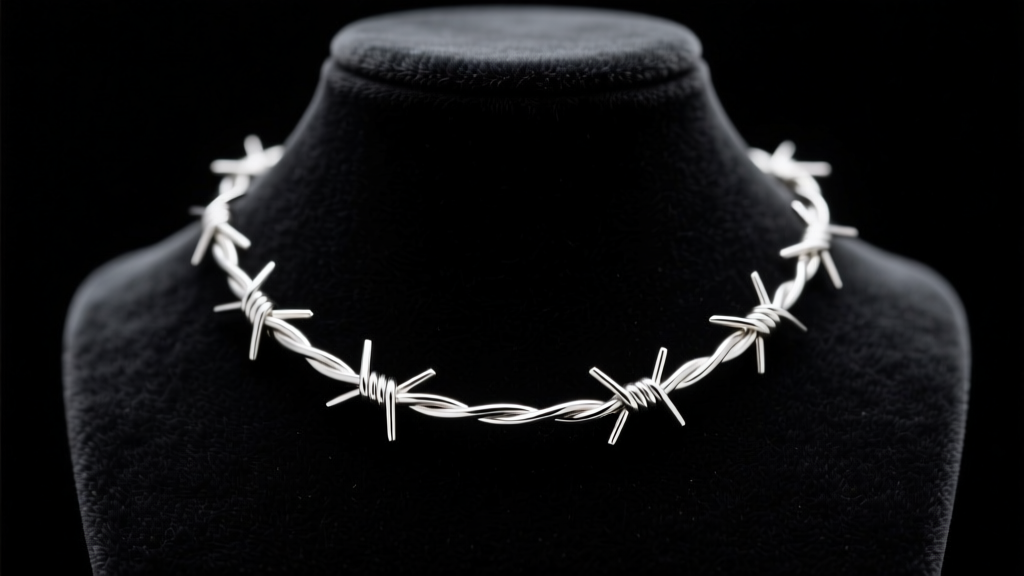
The barb wire necklace has successfully transcended its 1990s grunge roots to become a sophisticated staple in modern jewelry boxes. Once relegated to edgy subcultures, today's iterations are crafted with precision, featuring precious metals, refined proportions, and elevated finishing techniques. However, buying your first piece can be intimidating. The sharp aesthetic raises immediate questions about comfort, durability, and wardrobe compatibility. This comprehensive beginner's guide breaks down the exact specifications, material grades, and styling frameworks you need to choose a piece that is both striking and wearable.
The Anatomy of a Barb Wire Necklace
Before evaluating metals, you must understand how these necklaces are constructed. A standard barb wire necklace consists of a central strand (the core wire) with smaller, sharply angled wire pieces (the barbs) attached at regular intervals. The distance between these barbs is known as the 'barb pitch.' A tight pitch (barbs every 0.5 inches) creates a heavy, aggressive look but increases the risk of snagging. A wider pitch (barbs every 1.5 to 2 inches) offers a more delicate, minimalist silhouette that is significantly easier to wear daily.
Manufacturing methods also dictate longevity. In budget-friendly pieces, barbs are typically 'wrapped'—meaning a thinner wire is tightly coiled around the core strand. Over time, wrapped barbs can unspool or shift. In luxury and fine jewelry pieces, barbs are 'soldered.' Soldering fuses the barb directly to the core wire using a high-heat metal alloy, creating a permanent bond that will not slip, rotate, or unspool, even under tension.
Decoding the Materials: Which Metal Should You Choose?
The metal you select dictates the necklace's weight, tarnish resistance, and price point. Because barb wire designs feature intricate crevices where the barbs meet the core, certain metals require more maintenance than others. According to metal education resources from the Gemological Institute of America (GIA), understanding silver alloys and steel grades is critical for jewelry longevity.
| Metal Type | Durability & Tarnish | Average Price Range | Best For |
|---|---|---|---|
| 316L Stainless Steel | Highly durable, scratch-resistant, zero tarnish. | $25 - $65 | Everyday wear, showering, sensitive skin. |
| 925 Sterling Silver | Softer, prone to bending. Will tarnish in crevices. | $70 - $180 | Occasional wear, luxury aesthetic on a budget. |
| 14k/18k Gold Vermeil | Silver core with thick gold plating. Plating wears off over time. | $90 - $250 | Warm-toned styling without solid gold pricing. |
| Solid 14k Gold | Extremely durable, hypoallergenic, will not tarnish. | $400 - $1,200+ | Lifetime investment, heirloom quality. |
If you are buying your very first barb wire necklace and plan to wear it frequently, 316L surgical stainless steel is the most pragmatic choice. It possesses a high Vickers hardness rating, meaning it will not bend out of shape if caught on a sweater, and it will not oxidize when exposed to sweat or humidity.
Understanding Wire Gauge and Proportions
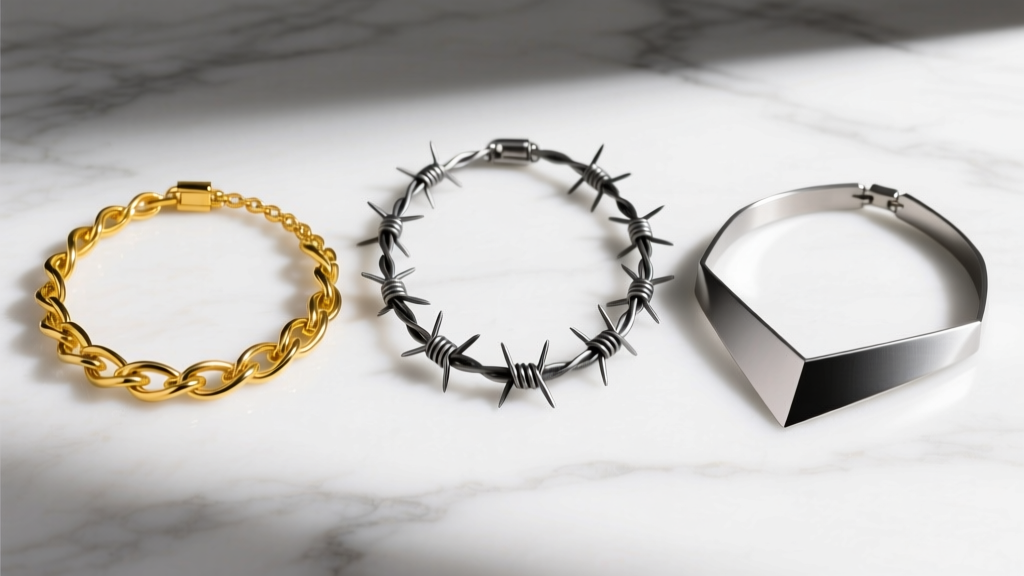
Wire gauge is the measurement of the core wire's thickness, and it operates on an inverse scale: the lower the number, the thicker the wire. Choosing the wrong gauge is the most common mistake beginners make, leading to pieces that are either uncomfortably heavy or frustratingly fragile.
- 18-Gauge (1.0mm): Delicate and lightweight. This gauge mimics the look of traditional fine jewelry. However, 18-gauge wire has low tensile strength; if pulled, it will permanently stretch or kink. Best for chokers worn under controlled conditions.
- 14-Gauge (1.6mm): The industry standard for high-quality barb wire necklaces. It offers the perfect balance of visual presence and structural integrity. It is thick enough to resist bending but light enough for all-day comfort.
- 12-Gauge (2.0mm+): Heavy, bold, and highly rigid. This is a statement piece that sits stiffly on the collarbone. Due to its weight, it requires a heavy-duty clasp to prevent the chain from slipping open.
The Clasp Conundrum: Matching Hardware to Weight
A 12-gauge or thick 14-gauge barb wire necklace should never be fitted with a standard spring-ring clasp. The tension of the heavy wire will easily pull a small spring ring open, resulting in a lost necklace. Always verify that your piece features a sturdy lobster claw clasp or a secure magnetic toggle clasp rated for the specific weight of the wire.
The 'Snag Factor': Troubleshooting Wardrobe Disasters
The inherent risk of the barb wire design is its tendency to catch on fabrics and hair. The sharp angles of the barbs act like tiny hooks. To mitigate this, you must pair the necklace with the correct textiles. Avoid wearing any barb wire piece with loose-knit sweaters, mohair, lace, or frayed denim. The barbs will inevitably hook into the loops of the knit, potentially pulling the yarn and bending the jewelry.
Pro Tip: If you have long, fine hair, opt for a barb wire necklace with a 'swept-back' barb design, where the sharp points are angled downward toward the chest rather than jutting outward horizontally. This simple design tweak reduces hair snags by over 80%.
Styling Frameworks for Different Necklines
Styling a barb wire necklace requires balancing its aggressive texture with your clothing's silhouette. As noted by fashion editors at Vogue, contrasting edgy accessories with soft, romantic, or highly structured garments creates a compelling visual tension.

The V-Neck and Plunging Necklines
A V-neck draws the eye downward, making it the ideal canvas for a 'princess-length' (18-inch) barb wire necklace. The V-shape of the neckline mirrors the downward angle of the barbs, creating a cohesive, elongating effect. Pair a 14-gauge sterling silver piece with a silk V-neck camisole for a look that is both elegant and subversive.
The Crew Neck and High Collar
For crew necks, turtlenecks, or buttoned-up collared shirts, opt for a shorter 'choker-length' (14 to 16 inches). The necklace should rest entirely above the fabric line. This prevents the barbs from scraping against the collar and scratching the material, while framing the face with a sharp, structured halo of metal.
Care, Cleaning, and Storage
Because of the tight angles where the barbs meet the core wire, dirt, lotion, and dead skin cells easily accumulate in the crevices. Do not use a standard jewelry polishing cloth, as it will shred on the sharp barbs. Instead, use a soft-bristled baby toothbrush dipped in a solution of warm water and mild dish soap. Gently scrub the intersections, rinse thoroughly, and dry completely with a microfiber cloth.
For storage, never toss a barb wire necklace loosely into a jewelry box. The barbs will scratch softer pieces and tangle with fine chains. Always hang the necklace on a dedicated velvet-lined hook or lay it flat in an individual felt pouch to preserve its structural integrity and finish.
Final Thoughts
A barb wire necklace is a masterclass in contrast, blending industrial inspiration with fine jewelry craftsmanship. By prioritizing a 14-gauge thickness, selecting a metal that matches your lifestyle, and paying close attention to clasp security and barb pitch, you can confidently integrate this iconic piece into your everyday rotation. Approach the purchase with an eye for structural details, and your necklace will remain a sharp, untangled staple for years to come.