Christian Fish Necklace Buying Guide: What to Look For
Discover how to choose the perfect Christian fish necklace. Learn about material grades, chain types, sizing, and durability in our expert buying guide.

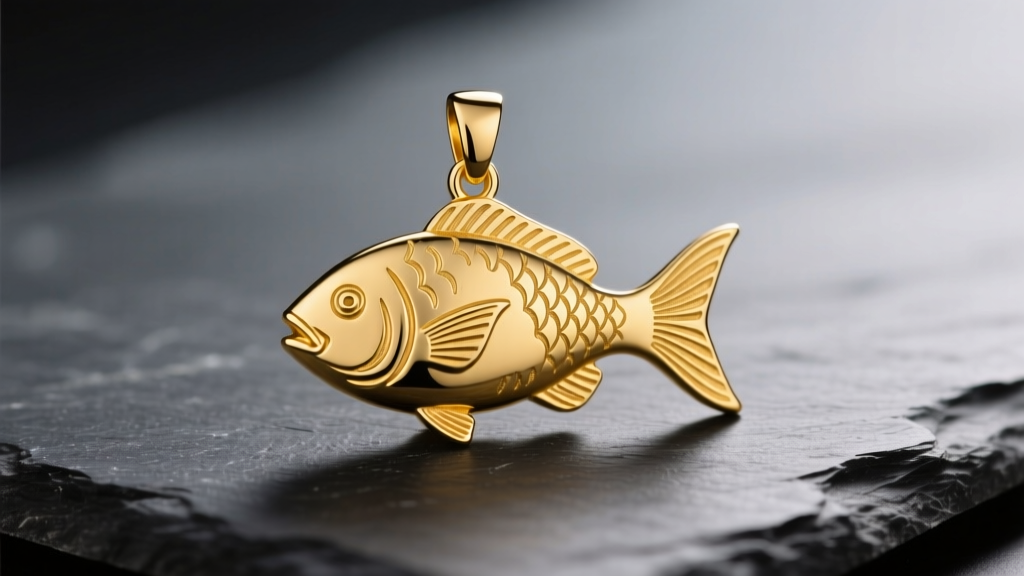
The Christian fish necklace, historically known as the Ichthys, remains one of the most enduring and recognizable symbols of faith in modern jewelry. Whether you are purchasing a piece for a baptism, a confirmation gift, or as a personal daily reminder of your beliefs, selecting the right pendant requires more than just a glance at the display case. In 2026, jewelry designers have moved far beyond the bulky, mass-produced styles of the late 20th century, offering sleek, minimalist, and highly durable options. This comprehensive buying guide will walk you through the exact material grades, chain gauges, and structural details you need to evaluate before making a purchase.
The Symbolism and Evolution of the Ichthys Pendant
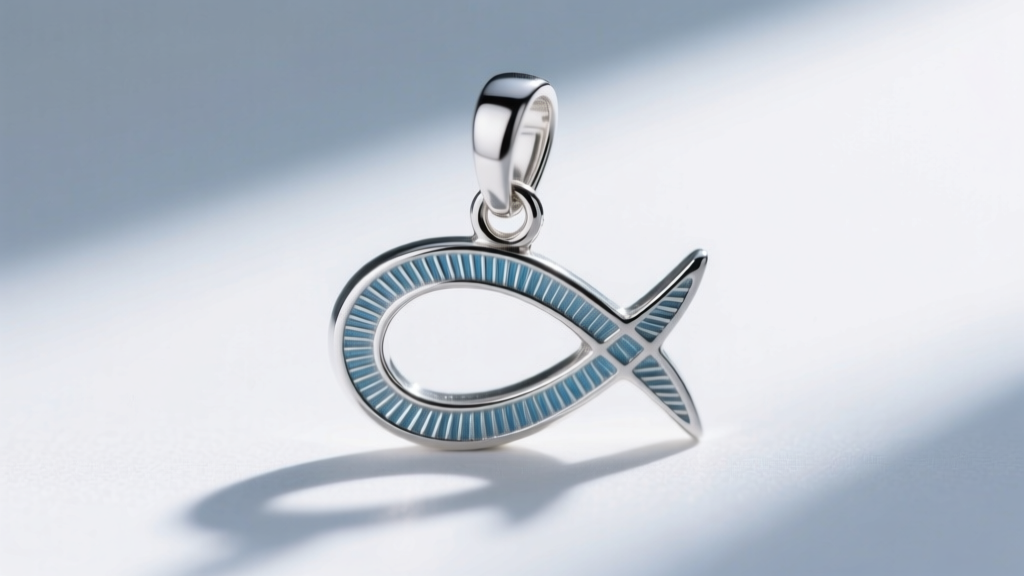
The word "Ichthys" is Greek for fish, but early Christians used it as an acronym for "Jesus Christ, Son of God, Savior." According to historical records documented by Encyclopædia Britannica, the symbol was used as a secret marker during times of persecution. Today, the design has evolved. While the classic intersecting arcs remain the standard, modern interpretations include geometric outlines, negative space cutouts, and integrated gemstone accents. When shopping, decide whether you want a traditional solid cast piece or a contemporary wire-work design, as this dictates the metal weight and overall durability.
Material Grades: Choosing the Right Metal for Daily Wear
A necklace worn daily is exposed to sweat, friction, and environmental pollutants. Choosing the correct metal grade is critical for longevity and skin health.
Sterling Silver vs. White Gold
925 Sterling Silver is an alloy containing 92.5% pure silver and 7.5% copper. While affordable, the copper content makes it prone to oxidation and tarnish. If you choose silver, look for pieces that are rhodium-plated to create a barrier against moisture. Alternatively, 14k White Gold offers a similar bright, silvery aesthetic but is significantly more resistant to tarnish and scratching due to its alloyed metals (like nickel or palladium) and durable rhodium finish.
Titanium and Surgical Steel for Hypoallergenic Needs
For those with contact dermatitis or metal allergies, the Gemological Institute of America (GIA) recommends avoiding alloys containing nickel. Instead, opt for Grade 23 Titanium (Ti 6Al-4V ELI) or 316L Surgical Stainless Steel. These metals are highly corrosion-resistant, incredibly lightweight, and will not react with the skin's natural acids, making them ideal for active individuals or those who wear their necklaces in the shower or pool.
Avoiding Gold-Plated Brass
Avoid standard gold-plated brass for daily wear, as the base metal will eventually show through and cause skin discoloration. Gold vermeil (a thick layer of 14k+ gold over sterling silver) is a better alternative, but solid 10k or 14k gold remains the ultimate standard for heirloom-quality faith jewelry.
Chain Selection: Matching the Pendant Weight
The most common mistake buyers make is pairing a heavy pendant with an inadequate chain. A mismatched chain will stretch, kink, or eventually snap under the dynamic load of daily movement.
| Pendant Weight | Recommended Chain Gauge | Best Chain Styles |
|---|---|---|
| Under 3 grams | 0.9mm - 1.2mm | Cable, Box, or Rope |
| 3 to 8 grams | 1.5mm - 2.0mm | Box, Curb, or Figaro |
| Over 8 grams | 2.5mm - 4.0mm | Curb, Rope, or Wheat |
Always check the clasp mechanism. Spring ring clasps are suitable only for lightweight chains (under 1.5mm). For anything heavier, a lobster claw clasp is mandatory to prevent accidental unclasping and loss of the pendant.
Sizing and Proportions: Getting the Length Right
The visual impact of a Christian fish necklace depends heavily on the chain length and the pendant's dimensions relative to the wearer's frame.
- 16 Inches (Choker): Sits tightly at the base of the neck. Best for small, delicate pendants (10mm - 15mm) and younger wearers.
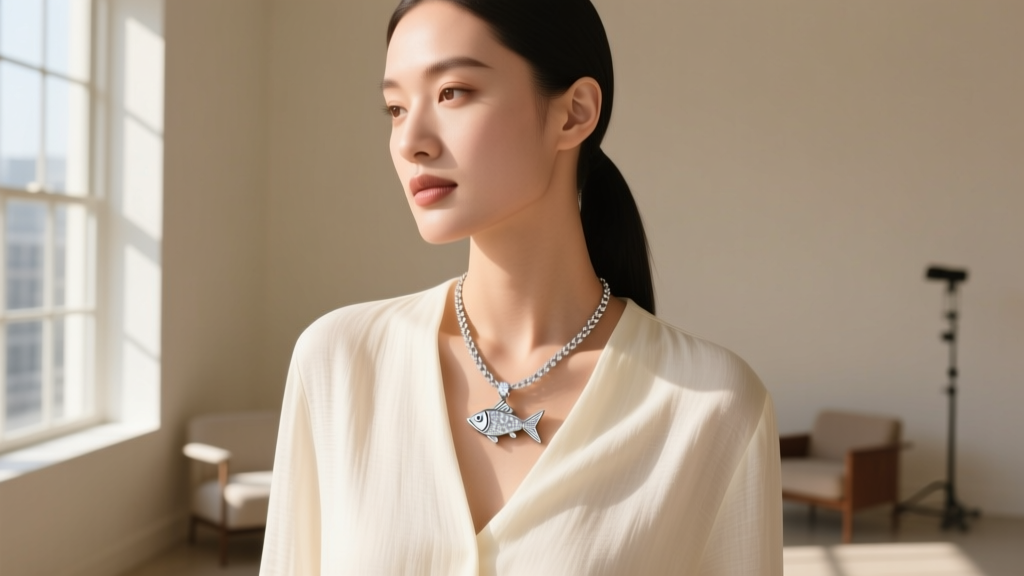
- 18 Inches (Collarbone): The universal standard for women. The pendant rests perfectly in the clavicle hollow. Ideal for medium pendants (15mm - 25mm).
- 20 to 22 Inches (Chest): Sits a few inches below the collarbone. This is the standard starting length for men, accommodating larger, bolder Ichthys designs (25mm - 40mm).
- 24 to 30 Inches (Lower Chest): Often worn over clothing. Requires a heavy, substantial pendant to avoid looking disproportionate.
If you are buying a gift and are unsure of the recipient's preferred length, look for chains that include a 2-inch extender chain. This provides versatility, allowing the wearer to adjust the drape depending on the neckline of their clothing.
Common Failure Modes and How to Avoid Them
To ensure your necklace lasts a lifetime, inspect the structural weak points before purchasing.
Bail Friction and Wear
The bail is the loop that connects the pendant to the chain. If the bail is unlined and the chain is thick, constant metal-on-metal friction will eventually wear a hole through the bail. Look for pendants with a hardened steel or ceramic-lined bail, or ensure the chain gauge is significantly thinner than the bail opening to allow for free movement.
Jump Ring Separation
Many mass-produced pendants are attached to the chain via a jump ring that is simply bent closed. Over time, a tug on the necklace can pull this ring open. Always demand a soldered jump ring or a solid, seamless bail loop for any piece you intend to wear daily.
Clasp Spring Failure
Spring ring clasps contain a tiny internal spring that frequently fails or gets stuck when exposed to lotion and skin oils. If your necklace comes with a spring ring, take it to a local jeweler to have a lobster claw clasp soldered on for less than $20 to ensure long-term security.
Gemstone Accents and Custom Engraving
Modern Christian fish necklaces often incorporate subtle gemstone accents. If you are looking at diamond pavé or birthstone inlays, verify the setting style. Bezel settings are vastly superior to prong settings for daily-wear pendants, as prongs can easily catch on clothing and bend, leading to lost stones. Additionally, many jewelers offer laser engraving on the flat reverse side of the fish. If you plan to engrave a baptism date or a short scripture reference, ensure the pendant is at least 20mm in length and features a smooth, untextured back plate to maintain legibility.
Pricing Tiers: What to Expect in 2026
Understanding the market value prevents overpaying for inferior craftsmanship.
- Budget ($25 - $75): 316L stainless steel or basic 925 sterling silver. Expect machine-stamped designs with hollow backs.
- Mid-Range ($150 - $400): Solid 10k or 14k gold, or heavy sterling silver with genuine gemstone accents. These pieces feature solid casting, soldered jump rings, and lobster clasps.
- Luxury ($600+): 18k gold, platinum, or designer pieces featuring VS-clarity diamond pavé and custom hand-finished detailing.
Selecting the right Christian fish necklace is a balance of personal meaning, aesthetic preference, and structural integrity. By prioritizing appropriate metal grades, matching the chain gauge to the pendant weight, and inspecting the bail and jump rings, you can secure a piece of faith-based jewelry that will endure for decades.


