Bradford Exchange Cross Necklace: A Collector's Technical Guide
Explore the technical details, material grades, and collector value of the Bradford Exchange cross necklace in our expert authentication guide.

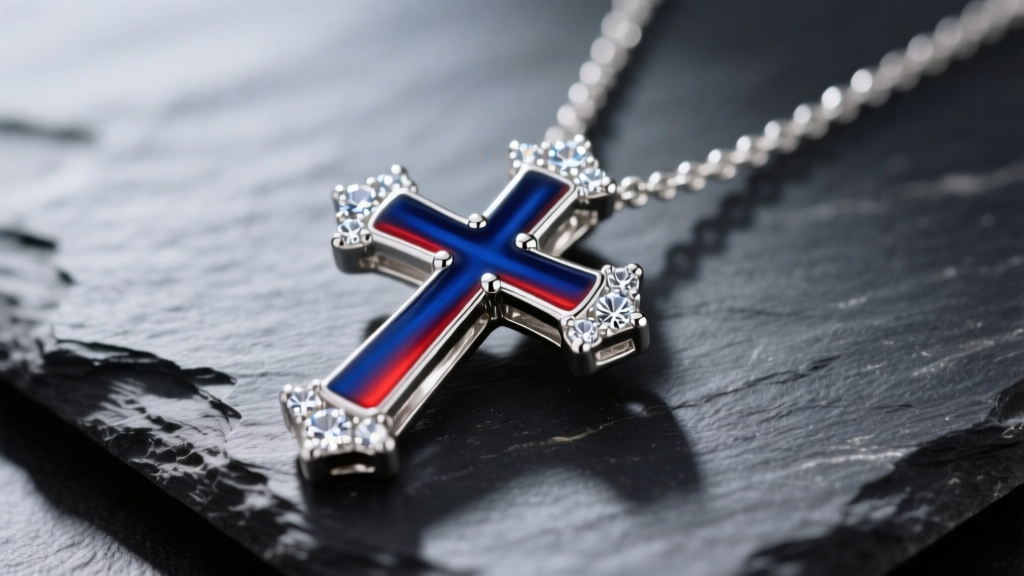
For jewelry collectors and enthusiasts of thematic, limited-edition pieces, the Bradford Exchange cross necklace represents a unique intersection of devotional symbolism, commemorative art, and accessible luxury. Unlike mass-market fashion jewelry, Bradford Exchange pieces are typically released in strict limited editions, often accompanied by Certificates of Authenticity (COA) and thematic tie-ins ranging from military memorials to nature-inspired motifs and Thomas Kinkade collaborations. However, evaluating these pieces requires moving beyond their sentimental value to understand their metallurgical composition, structural integrity, and secondary market dynamics.
In this expert deep dive, we deconstruct the technical specifications, material grades, and collector grading frameworks necessary to authenticate, value, and preserve a Bradford Exchange cross necklace. Whether you are acquiring a piece from the secondary market or preserving a family heirloom, understanding these granular details is essential for any serious collector.
The Anatomy of a Bradford Exchange Cross Pendant
The defining characteristic of most Bradford Exchange cross pendants is their multi-material construction. Rather than relying on a single metal, these pieces often combine precious metal bases with specialized plating, synthetic gemstones, and jeweler's enamel.
Base Metals and Plating Specifications
The foundation of a high-tier Bradford Exchange cross necklace is typically .925 sterling silver. According to the Gemological Institute of America (GIA), sterling silver must contain 92.5% pure silver and 7.5% alloying metals (usually copper) for structural hardness. However, many gold-toned Bradford Exchange pieces utilize a brass or jeweler's bronze core that is heavily electroplated.
When evaluating gold-toned pieces, it is crucial to distinguish between standard flash plating and true vermeil. The Federal Trade Commission (FTC) Jewelry Guides mandate that for a piece to be classified as gold vermeil, it must feature a sterling silver base with a gold plating thickness of at least 2.5 microns. Many Bradford Exchange pieces marketed as "14K gold clad" or "heavy gold electroplate" meet or exceed this threshold, providing a durable, tarnish-resistant surface that outlasts standard 0.5-micron flash plating found in fast-fashion jewelry.
Enamel and Gemstone Integration
Unlike high-end artisanal jewelry that utilizes vitreous (fired glass) enamel, Bradford Exchange typically employs cold enamel—an epoxy-based resin. Cold enamel allows for intricate, multi-colored detailing (such as floral patterns or scenic imagery) without the risk of thermal shock to embedded gemstones. On the Mohs hardness scale, cured epoxy enamel sits around 2.5 to 3.0, making it highly susceptible to micro-scratches if cleaned with abrasive compounds.

The gemstones featured in these crosses are predominantly machine-cut Cubic Zirconia (CZ). As noted by the GIA's Cubic Zirconia overview, CZ offers a high refractive index (2.15–2.18) and exceptional brilliance. Bradford Exchange typically utilizes 1.5mm to 2.0mm round brilliant melee stones, secured via micro-prong or bead settings to maximize light return without obscuring the underlying enamel work.
Chain Specifications and Clasp Mechanics
A pendant is only as secure as the chain that supports it. Bradford Exchange cross necklaces are generally paired with chains that prioritize durability and drape over ultra-fine delicacy.
- Chain Style: The most common configurations are the rope chain and the cable chain. Rope chains (typically 1.5mm to 2.0mm in gauge) are favored for heavier, multi-material pendants because their twisted links distribute weight evenly and resist kinking.
- Gauge Thickness: Standard Bradford Exchange chains range from 1.2mm to 1.8mm. Anything below 1.0mm is generally avoided for these specific pendants, as the weight of the enamel and silver cross can cause thin links to stretch or snap over time.
- Clasp Mechanics: Authentic pieces almost exclusively utilize lobster claw clasps rather than spring-ring clasps. A lobster clasp features a solid cast body and a stronger internal spring, providing a secure closure that can support the 8-to-15-gram weight of a typical Bradford Exchange pendant.
- Jump Rings: Look for soldered jump rings at the clasp connection points. Open jump rings are a common failure point in vintage jewelry, and Bradford Exchange's use of soldered rings significantly increases the chain's structural lifespan.
Collector's Grading and Market Valuation
Unlike fine jewelry, which is valued primarily on melt weight and gemstone grading, the value of a Bradford Exchange cross necklace is driven by its edition status, thematic rarity, and completeness. Original retail prices typically ranged from $99 to $149, but the secondary market (eBay, Mercari, specialized collector forums) operates on a different matrix.
| Condition Grade | Definition | Secondary Market Value Impact |
|---|---|---|
| Mint in Box (MIB) | Unworn, original packaging, includes COA and edition number card. | Commands 80% - 120% of original retail for retired/limited themes. |
| Excellent | Worn sparingly, no enamel scratches, plating intact, includes COA. | Typically sells for 40% - 60% of original retail price. |
| Good | Visible wear on high-contact points, minor enamel dulling, no COA. | Valued at 20% - 35% of retail; bought mostly for the pendant itself. |
| Fair / Parts | Missing stones, cracked enamel, broken chain, or severe base metal oxidation. | Scrap silver value or under $15 for replacement parts. |
Collector's Note: Thematic collaborations, such as the Thomas Kinkade "Light of Faith" series or specific military branch memorial crosses, hold their value significantly better than generic nature-themed editions due to dedicated niche collector bases.
Authenticity Verification: Spotting Counterfeits
While Bradford Exchange jewelry is not counterfeited at the same volume as luxury brands like Tiffany & Co., the secondary market does see misrepresented pieces or "franken-jewelry" (authentic pendants placed on non-original, low-quality chains). Here is a technical framework for verification:
The Weight and Acoustic Test
A genuine .925 sterling silver Bradford Exchange cross pendant of average size (1.25 to 1.5 inches) should weigh between 5.5 and 9.0 grams. Counterfeit pieces cast from zinc alloy or hollow brass will feel noticeably lighter (often under 4 grams). Furthermore, if you gently tap a solid silver piece with a plastic tool, it produces a high-pitched, sustained acoustic ring. Base metal alloys produce a dull, immediate thud.
Hallmark and Bail Inspection
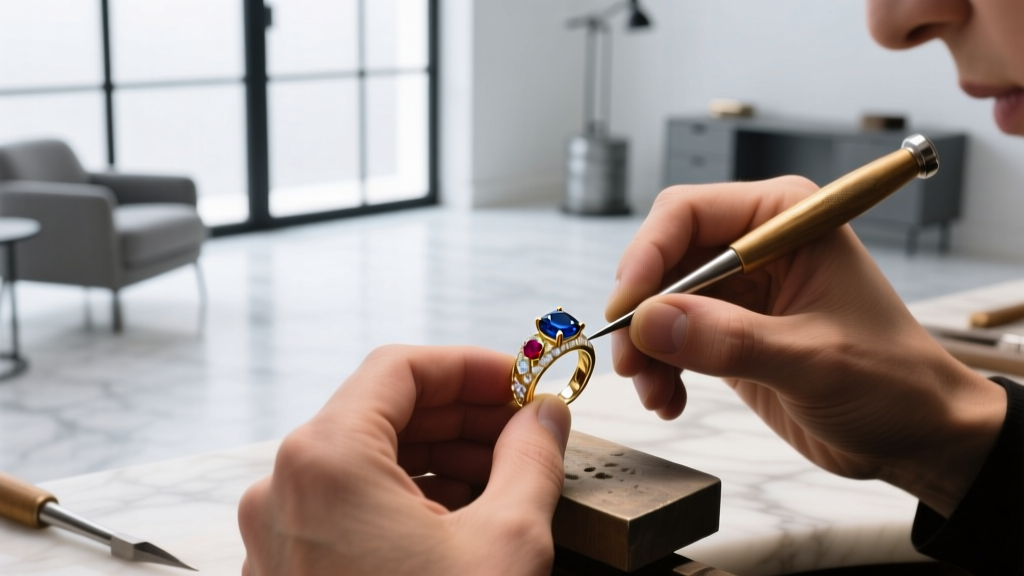
Use a 10x jeweler's loupe to inspect the bail (the loop connecting the pendant to the chain). Authentic Bradford Exchange silver pieces will feature a cleanly stamped "925" hallmark, often accompanied by a maker's mark or copyright symbol (©). Be highly suspicious of pieces where the "925" stamp appears blurred, shallow, or stamped on a separate soldered plate rather than directly into the bail casting.
Certificate of Authenticity (COA) Matching
For limited editions, the COA is not just a piece of paper; it is a vital component of the asset. Verify that the edition number on the COA matches any etching found on the reverse of the pendant. Bradford Exchange typically etches the edition number (e.g., "145/5000") near the bottom edge of the cross's reverse side.
Care and Preservation for Long-Term Collecting
Preserving the intricate enamel and plating of a Bradford Exchange cross necklace requires abandoning standard jewelry cleaning methods. Because the cold enamel is an epoxy resin, ultrasonic cleaners are strictly prohibited. The high-frequency cavitation bubbles generated by ultrasonic machines will cause the epoxy to micro-fracture, cloud, or detach from the metal recesses entirely.
Expert Preservation Protocol: Never use liquid silver dips or ammonia-based cleaners on multi-material Bradford Exchange pieces. The harsh chemicals will strip the gold electroplating and permanently dull the epoxy enamel. Instead, use a dry, untreated microfiber cloth to gently buff the silver surfaces, and a soft-bristled makeup brush to dust the crevices around the CZ melee stones.
For long-term storage, keep the necklace in an airtight polyethylene bag with an anti-tarnish silica strip. Store it flat to prevent the rope chain from kinking, and ensure the pendant does not rub against other jewelry, which could easily scratch the relatively soft cold enamel surface.
By understanding the metallurgical realities, structural nuances, and collector grading metrics of the Bradford Exchange cross necklace, you can confidently navigate the secondary market, authenticate potential acquisitions, and preserve these thematic pieces for future generations.


