Brandy Melville Heart Necklace: Metal Analysis & Longevity Hacks
We deconstruct the Brandy Melville heart necklace, analyzing base metals, plating thickness, failure points, and expert hacks to prevent tarnish.

The Anatomy of a Fast-Fashion Icon
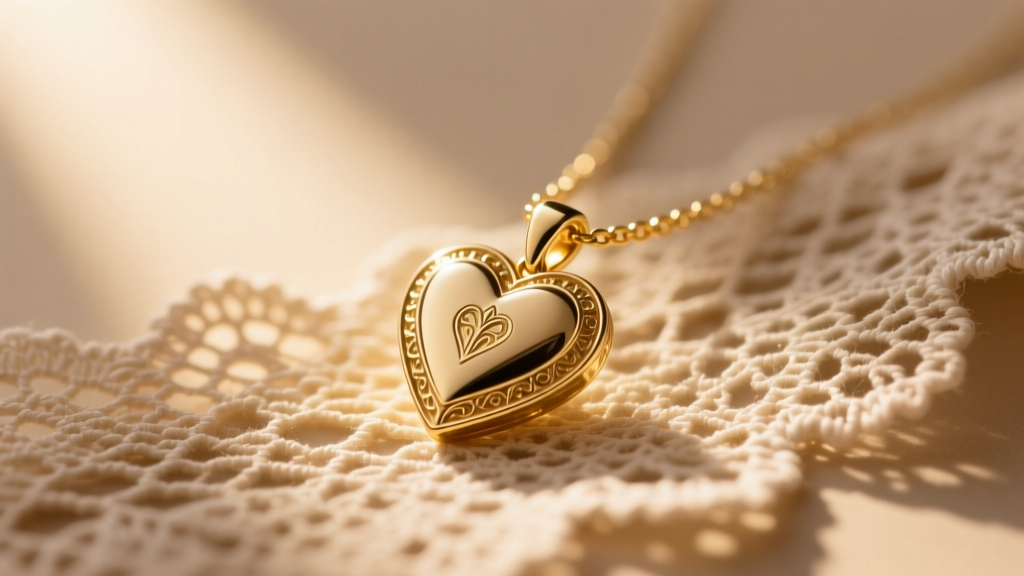
The Brandy Melville heart necklace has cemented itself as a cultural touchstone for Gen Z, serving as a foundational piece in the modern "coquette" and Y2K revival aesthetics. Its dainty proportions, affordable price point, and nostalgic charm make it an impulse-buy staple. However, from a metallurgical and jewelry-manufacturing perspective, this piece represents a classic case study in fast-fashion accessory production. As jewelry experts, we believe in understanding exactly what we wear. By deconstructing the material composition, structural vulnerabilities, and electrochemical realities of this popular pendant, we can uncover why it behaves the way it does—and more importantly, how to engineer a longer lifespan for it.
Metallurgical Breakdown: What Are You Actually Wearing?
To understand the longevity of the Brandy Melville heart necklace, we must first examine its core composition. Unlike demi-fine jewelry that utilizes sterling silver or gold vermeil, fast-fashion accessories are typically cast from inexpensive base metal alloys.
The Base Alloy: Zinc and Brass
The pendant and chain are predominantly cast from a zinc alloy (often referred to commercially as "pot metal") or a low-grade brass. Zinc alloys are favored in high-volume, low-cost manufacturing because they have a low melting point, allowing for rapid die-casting and intricate detailing—like the raised borders and engraved motifs on the heart pendant—without expensive tooling. However, zinc and brass are highly reactive metals when exposed to oxygen, moisture, and the acidic pH of human skin.
Flash Plating vs. Vermeil
The gold or silver tone of the necklace is achieved through electroplating. According to the Federal Trade Commission Jewelry Guides, plating thickness is strictly categorized. The Brandy Melville heart necklace utilizes "flash plating," a process that deposits a micro-thin layer of gold or rhodium (usually less than 0.1 to 0.5 microns) over a nickel or copper undercoat. This is vastly different from gold vermeil, which requires a minimum of 2.5 microns of gold over a sterling silver base. Because the flash plating is so thin, everyday friction from clothing and skin oils will wear through the top layer in a matter of weeks, exposing the reactive base metal beneath.
The "Green Skin" Phenomenon Explained
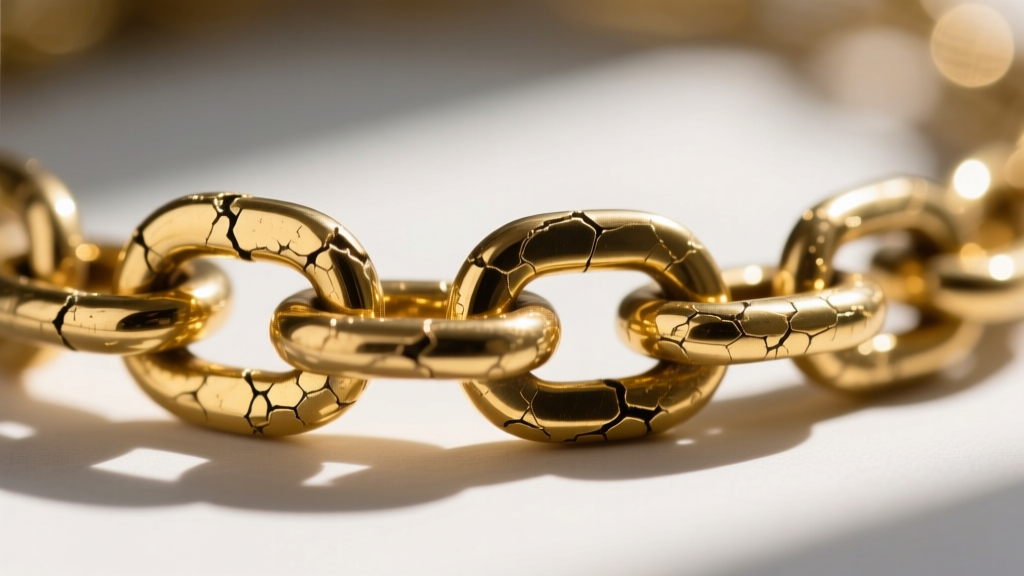
One of the most common complaints regarding fast-fashion pendants is the green or black discoloration left on the wearer's neck. This is not a sign of toxicity, but rather a predictable chemical reaction. When the copper or brass base metal is exposed to sweat (which contains lactic acid and sodium chloride), it oxidizes to form copper chloride. This compound transfers to the skin, creating a harmless but unsightly green stain. Furthermore, the American Academy of Dermatology warns that the nickel underlayer used in cheap electroplating is a primary trigger for allergic contact dermatitis, resulting in red, itchy rashes for sensitive individuals once the topcoat wears away.
Structural Vulnerabilities & Failure Modes
Beyond the chemical composition, the physical architecture of the Brandy Melville heart necklace presents several mechanical failure points. Understanding these can help you handle the piece with the necessary caution.
- Chain Gauge and Tensile Strength: The accompanying cable chain is exceptionally delicate, typically measuring between 1.0mm and 1.2mm in width with a wire gauge of roughly 26 to 28. At this thickness, the tensile strength is minimal. Snagging the pendant on a sweater or catching it in your hair can easily exceed the chain's yield strength, causing permanent deformation or a clean snap.
- Unsoldered Jump Rings: The small circular rings (jump rings) that connect the heart pendant to the chain, and the clasp to the chain, are rarely soldered shut in mass-market costume jewelry. Over time, the lateral tension of wearing the necklace causes these rings to warp into an oval shape, eventually opening just enough for the pendant to slip off and be lost.
- Spring Ring Clasp Fatigue: The miniature spring ring clasp relies on a tiny internal steel spring. When exposed to moisture and cosmetics, this internal mechanism is prone to rusting or seizing, leaving the clasp permanently stuck open or closed.
Expert Hacks for Extending Lifespan
If you own this necklace and want to preserve its aesthetic appeal, you must proactively mitigate its material shortcomings. Here is a technical maintenance protocol to extend the life of your flash-plated jewelry.
1. The Polymer Barrier Method
To prevent the copper oxidation that causes green skin, apply a micro-barrier between the metal and your epidermis. While many suggest clear nail polish, this can yellow and chip unevenly. Instead, use a specialized jewelry shielding liquid (like Jeweler’s Skin Guard) or a thin coat of Renaissance Wax. Apply it specifically to the back of the heart pendant and the clasp, allowing it to cure for 30 minutes before wearing. Reapply every three weeks.
2. Aggressive Moisture Avoidance
Water is the catalyst for galvanic corrosion in plated base metals. Never wear this necklace in the shower, pool, or ocean. Chlorine and saltwater will strip the 0.5-micron flash plating in a matter of hours. If the necklace gets wet, immediately pat it dry with a microfiber cloth; do not let it air dry, as water spotting will etch into the soft topcoat.
3. Proper Storage Protocols
Do not leave the necklace exposed to ambient humidity on a bathroom counter or jewelry stand. Store it in an airtight ziplock bag with a silica gel desiccant packet and an anti-tarnish 3M strip. This starves the base metals of the oxygen and moisture required to trigger oxidation.
The Upgrade Matrix: Fast Fashion vs. Demi-Fine
While the Brandy Melville heart necklace is an excellent entry-level trend piece, its cost-per-wear becomes poor once it inevitably tarnishes. For those looking to invest in a permanent version of this aesthetic, below is a technical comparison of material tiers available on the market.
| Feature | Fast Fashion (Brandy Melville) | Demi-Fine (Gold Vermeil) | Fine Jewelry (Solid 14k Gold) |
|---|---|---|---|
| Base Metal | Zinc Alloy / Brass | 925 Sterling Silver | 14k or 18k Gold Alloy |
| Plating Thickness | < 0.5 microns (Flash) | > 2.5 microns (Vermeil) | N/A (Solid throughout) |
| Tarnish Resistance | Very Low (Weeks) | Moderate (Months/Years) | Extremely High (Lifetime) |
| Water Safety | Strictly Avoid | Occasional Exposure | Safe for Daily Wear |
| Estimated Price Range | $15 - $25 | $65 - $120 | $250 - $450+ |
Restoring a Tarnished Piece
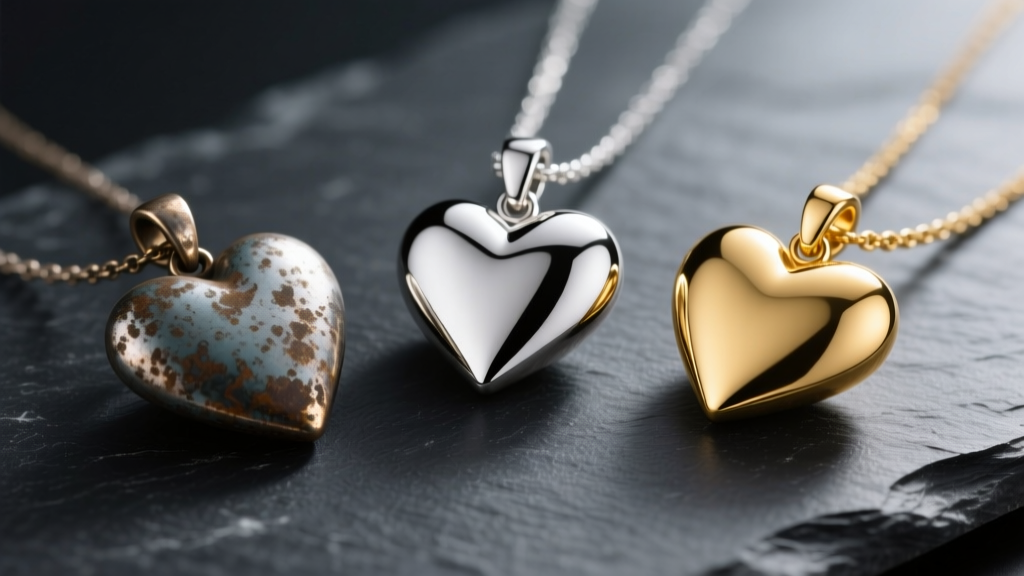
If your necklace has already begun to darken or show brass undertones, avoid commercial silver dips or harsh chemical polishes. These abrasives will completely strip the remaining flash plating. Instead, use a mild, phosphate-free dish soap mixed with distilled water. Gently agitate the chain with a baby-soft toothbrush for 30 seconds, rinse quickly under distilled water, and immediately dry with a lint-free cloth. For areas where the plating has entirely worn off, the only true restoration method is to take the piece to a local jeweler for professional re-plating, though this often costs more than the retail value of the necklace itself.
Final Verdict: Costume vs. Keepsake
The Brandy Melville heart necklace succeeds brilliantly as a seasonal accessory that captures a specific cultural zeitgeist. From a technical standpoint, it is exactly what it claims to be: an affordable, trend-driven costume piece utilizing high-volume casting and flash plating. By understanding its metallurgical limitations and employing proactive barrier methods, you can maximize its wearable lifespan. However, if you are seeking a daily-wear heirloom capable of surviving showers, workouts, and decades of use, the data clearly points toward upgrading to a solid 14k gold or heavy gold vermeil alternative.


