Is a Brass Pendant Necklace Worth It? Value & Care Guide
Discover if a brass pendant necklace offers real value in 2026. We analyze pricing, alloy grades, tarnish risks, and how to maximize your budget.

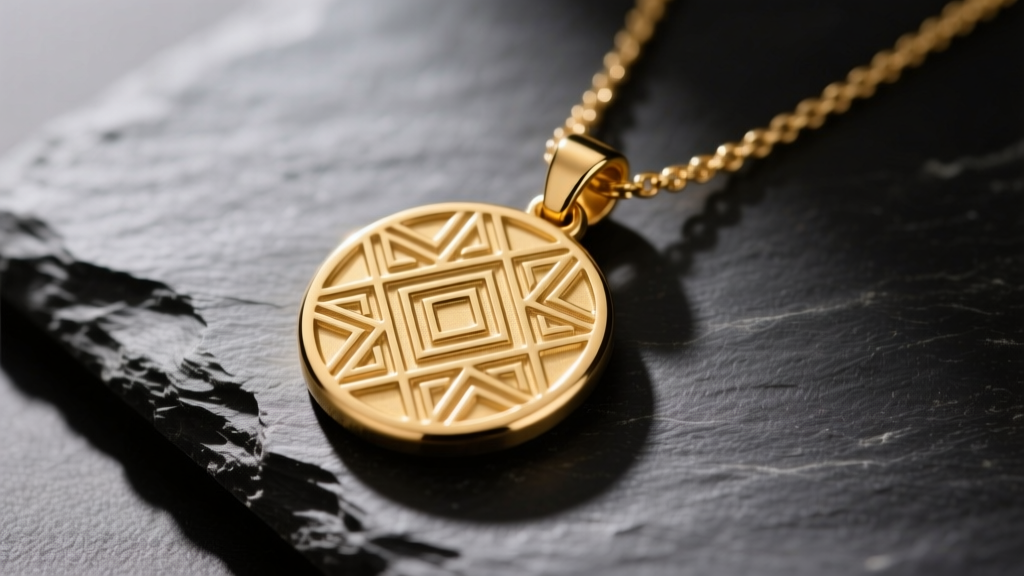
The Real Cost of Brass Jewelry in Today's Market
When building a versatile jewelry wardrobe on a budget, a brass pendant necklace often emerges as the ultimate 'fake gold' alternative. But does it offer genuine long-term value, or is it merely a fast-fashion trap destined for the landfill? In 2026, the jewelry market is heavily saturated with gold-plated base metals, making solid brass a refreshing, albeit misunderstood, contender. To assess its true value, we must look past the initial price tag and examine the metallurgy, manufacturing shortcuts, and lifecycle costs of brass jewelry.
Raw material costs for brass are remarkably low. With copper trading at roughly $4.00 per pound and zinc at $1.20 per pound, the intrinsic melt value of a standard 20-gram brass pendant is mere pennies. Therefore, when you purchase a brass necklace, you are paying almost entirely for craftsmanship, design, and brand overhead. Mass-produced, cast brass pendants from overseas marketplaces typically retail between $8 and $15. However, artisan-crafted, hand-stamped pendants made from high-grade sheet brass command $40 to $85. The value proposition lies in the latter: a $60 hand-finished brass pendant will easily outlast a $60 gold-vermeil piece, whose thin gold layer will inevitably wear away within 12 to 18 months of daily use.
Metallurgy 101: Understanding Brass Alloys
Brass is not a single metal; it is a family of copper-zinc alloys. The specific ratio of these elements drastically alters the pendant's durability, color, and skin-reactivity. According to the Copper Development Association, there are dozens of brass alloys, but jewelry makers primarily rely on two:
C26000: Cartridge Brass (70% Copper, 30% Zinc)
This is the gold standard for jewelry. C26000 offers a rich, warm yellow hue that closely mimics 14k gold. More importantly, it possesses exceptional cold-working properties, meaning it can be deeply stamped, textured, and bent without cracking. If you are investing in an artisan brass pendant necklace, C26000 is the alloy you want.
C28000: Muntz Metal (60% Copper, 40% Zinc)
Cheaper and more brittle, Muntz metal is often used in low-tier cast jewelry. The higher zinc content makes it prone to a destructive failure mode known as dezincification. When exposed to the chlorides in human sweat or swimming pools, the zinc selectively leaches out of the alloy, leaving behind a porous, brittle sponge of pure copper that will eventually snap under the weight of the chain.
The Verdigris Factor: Skin Reactions and Tarnish
The most common complaint regarding brass jewelry is the infamous 'green neck.' This is not an allergic reaction, nor is it toxic. It is a simple chemical reaction. When the copper in the brass reacts with the lactic acid, urea, and chlorides in your sweat, it forms copper chloride and copper carbonate—collectively known as verdigris. This green patina rubs off on the skin, creating an unsightly stain that washes off easily with soap and water.
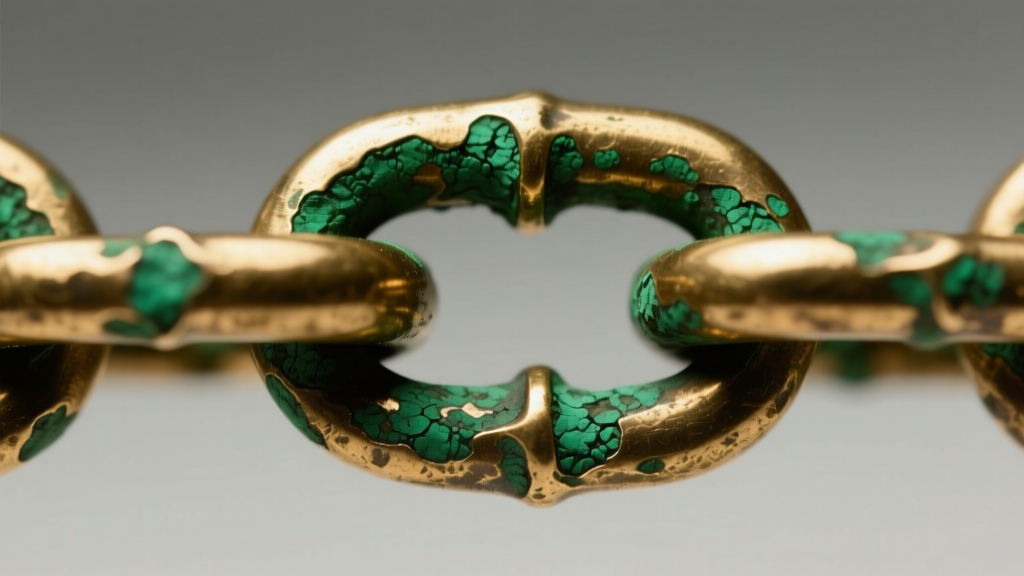
While some vintage enthusiasts covet the dark, oxidized patina that brass develops over time, most wearers prefer the bright, golden shine. Unsealed brass will oxidize within weeks of daily wear, shifting from bright yellow to a muted, brownish-bronze. To maximize the value of your purchase, look for artisans who pre-treat their brass pendants with a microcrystalline wax coating, which delays tarnishing by months without altering the metal's natural luster.
Value Assessment: Brass vs. Gold Vermeil vs. Bronze
To truly understand where a brass pendant necklace fits into a budget-conscious collection, we must compare it against its closest market competitors. The table below outlines the 2026 market realities for budget-friendly pendant materials.
| Material | Core Composition | Avg. Price Range | Tarnish Risk | Expected Lifespan (Daily Wear) |
|---|---|---|---|---|
| Solid Brass | Copper + Zinc | $35 - $85 | High (Reversible) | 10+ Years (Indefinite if maintained) |
| Gold Vermeil | Sterling Silver + 2.5μm Gold | $75 - $180 | Low (Until worn) | 1 - 3 Years (Plating wears off) |
| Solid Bronze | Copper + Tin | $40 - $90 | Medium (Darker patina) | 10+ Years (Harder, more brittle) |
| Gold-Filled | Jeweler's Brass + 5% Gold | $50 - $120 | Very Low | 5 - 10 Years (Mechanical wear) |
As the data illustrates, solid brass offers the highest structural longevity. While gold vermeil looks superior on day one, its lifespan is inherently capped by the thickness of its gold plating. Brass, conversely, can be polished back to its original brilliance hundreds of times without losing structural integrity.
How to Inspect a Brass Pendant Before Buying
Not all brass necklaces are created equal. When evaluating a piece for purchase, run it through this rigorous inspection checklist to ensure you are getting genuine value:
- The Magnet Test: Brass is strictly non-magnetic. However, a common manufacturing shortcut is pairing a solid brass pendant with a brass-plated steel chain. Hold a strong neodymium magnet to the chain links. If they attract, the chain is steel and will eventually rust from the inside out once the plating wears through. Demand a solid brass, stainless steel, or sterling silver chain.
- Weight and Acoustics: Brass has a density of roughly 8.5 g/cm³. It should feel surprisingly heavy for its size. When gently tapped against a wooden surface, solid brass produces a dull, low-pitched 'clunk,' whereas hollow castings or plated zinc alloys produce a high-pitched 'clink.'
- Jump Ring Integrity: Inspect the loop connecting the pendant to the chain. High-value pieces feature soldered jump rings (where the seam is fused shut with silver or brass solder). Unsoldered jump rings will inevitably pull apart under the dynamic stress of daily movement, leading to lost pendants.
- Edge Finishing: Run your fingernail along the edges of the pendant. Mass-produced cast brass often suffers from 'flashing'—thin, sharp ridges of excess metal left behind by the mold seam. Hand-finished pieces will have smooth, beveled, or deliberately textured edges.
Long-Term Maintenance and Restoration
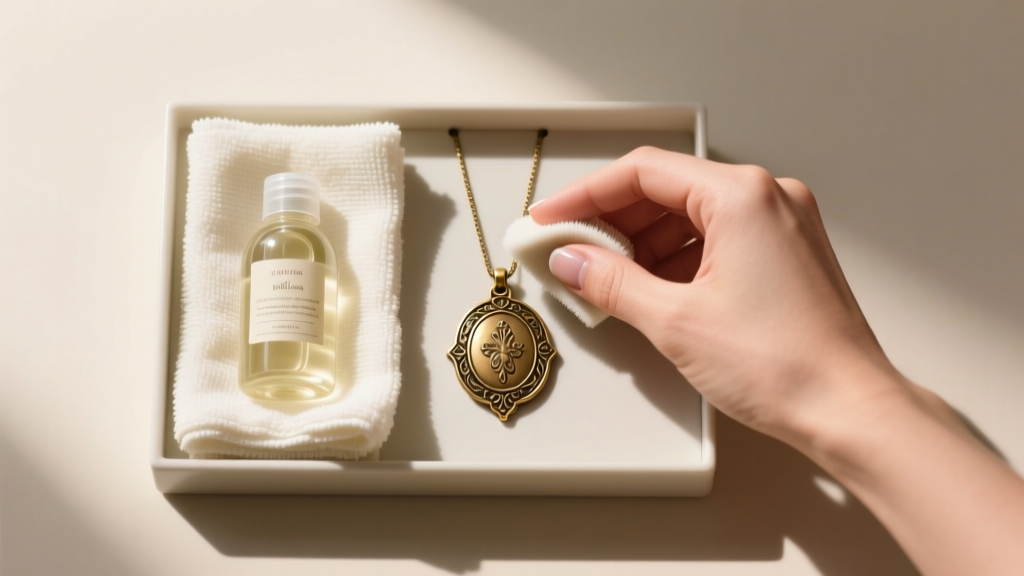
The true hidden cost of a brass pendant necklace is the maintenance it requires. Fortunately, restoring brass is incredibly cheap and relies on basic household chemistry. The GIA Gem Encyclopedia notes that organic acids are highly effective at dissolving copper oxide without damaging the base metal.
Expert Troubleshooting Tip: If your brass pendant has developed severe, pitted tarnish that commercial polishes cannot remove, submerge it in a shallow dish of white vinegar and a tablespoon of table salt for exactly five minutes. The acetic acid and sodium chloride react to form a mild hydrochloric solution that strips heavy oxidation instantly. Rinse thoroughly with water and baking soda to neutralize the acid, then dry completely to prevent water spots.
For daily upkeep, avoid commercial liquid dips, which are often too harsh and can strip the zinc from the surface layer, leaving the pendant looking unnaturally pink or red. Instead, use a mild abrasive paste like Brasso, or simply rub the pendant with a microfiber cloth and a dab of tomato ketchup—the natural acidity of the tomatoes works wonders on light tarnish.
Galvanic Corrosion: The Hidden Chain Killer
A critical, often overlooked factor in the value assessment of brass jewelry is galvanic corrosion. If you pair a solid brass pendant with a sterling silver or white gold chain, you create a galvanic cell. In the presence of an electrolyte (like humidity or sweat), the more anodic metal (brass) will corrode at an accelerated rate to protect the more cathodic metal (silver). This will cause the bail of your brass pendant to degrade and snap prematurely. To preserve the structural integrity of your investment, always pair brass pendants with chains made of the exact same alloy, or use an inert metal like surgical-grade stainless steel or titanium.
Final Verdict: Should You Invest?
Is a brass pendant necklace worth your hard-earned money? If you are seeking a maintenance-free, 'wear it and forget it' piece, the answer is no. The inevitable tarnish and potential for skin staining make it a poor choice for the low-effort consumer. However, if you appreciate the warmth of gold but refuse to pay the premium, and if you are willing to spend two minutes a month polishing your jewelry, a solid C26000 brass pendant offers unmatched value. It provides the heft, acoustic satisfaction, and visual brilliance of fine jewelry at a fraction of the cost, making it an indispensable staple in any budget-conscious collector's repertoire.


