Bright Pink Necklace Value Guide: Budgeting for Pink Gems in 2026
Discover the true value of a bright pink necklace in 2026. Compare pink sapphire, tourmaline, and enamel pricing, durability, and investment potential.

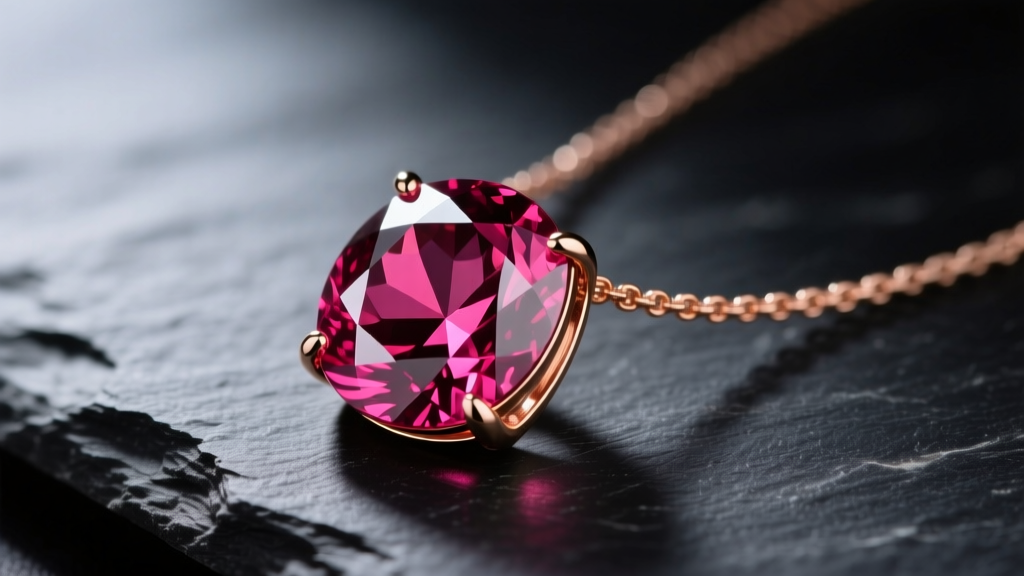
The market for colored gemstones has shifted dramatically as we move through 2026, with the bright pink necklace emerging as a highly coveted staple in both fine and fashion jewelry collections. However, the visual similarity between a $5,000 unheated pink sapphire and a $150 beryllium-diffused alternative creates a minefield for buyers focused on budget and long-term value. Assessing the true worth of a pink necklace requires looking far beyond the initial price tag, delving into gemological treatments, chain metallurgy, and secondary market liquidity.
This guide provides a rigorous, data-driven framework for evaluating bright pink necklaces, ensuring your investment aligns with your financial and aesthetic goals.
The Material Matrix: What Actually Makes a Necklace "Bright Pink"?
When shopping for a bright pink necklace, the base material dictates not only the upfront cost but the structural longevity and resale value. We categorize the market into three distinct tiers based on material science and market demand.
Tier 1: High-Value Natural Gemstones
- Pink Sapphire (Corundum): Rated 9 on the Mohs scale, making it exceptionally durable for daily wear. Unheated, vivid pink sapphires command premium prices due to extreme rarity.
- Rubellite Tourmaline: A specific variety of tourmaline that maintains its bright pink/red hue under different light sources. With a Mohs hardness of 7 to 7.5, it requires protective bezel or halo settings to prevent chipping.
- Pink Spinel: Often mistaken for sapphire, spinel (Mohs 8) offers incredible brilliance and is rarely treated, making it a favorite among gemologists seeking natural, unenhanced color.
Tier 2: Lab-Grown and Treated Alternatives
Advancements in hydrothermal and flux growth methods have flooded the 2026 market with lab-grown pink sapphires. While chemically identical to natural stones, their value proposition is strictly aesthetic, with near-zero resale value. Similarly, heat-treated and lattice-diffused natural sapphires offer vibrant color at a fraction of the cost but are heavily penalized on the secondary market.
Tier 3: Vitreous Enamel and Anodized Metals
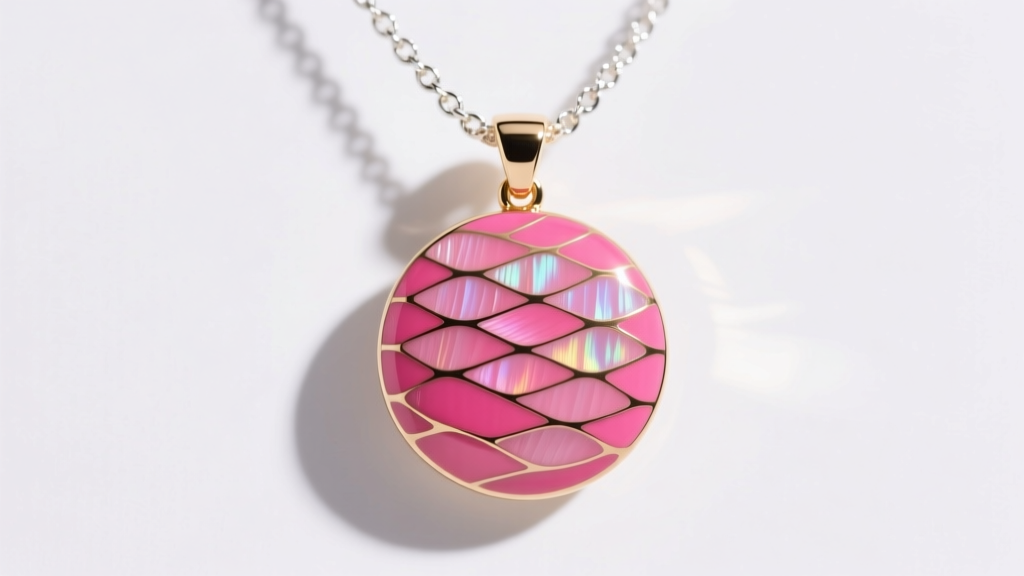
For fashion-forward buyers prioritizing artisanal craftsmanship over gemological rarity, guilloché vitreous enamel over 18k gold offers a bright pink finish that outlasts synthetic resins. Unlike cold enamel (epoxy), which yellows and degrades within 3 to 5 years, fired vitreous enamel is essentially glass, retaining its vibrant pink hue for centuries if protected from hard impacts.
2026 Pricing Tiers & Value Assessment
To accurately budget for a bright pink necklace, you must understand the current pricing per carat (for gems) or per gram (for enamel/metals). The table below outlines the financial landscape for a standard 1.5-carat center stone or equivalent pendant size.
| Material | Avg. Price Range (USD) | Mohs Hardness | Resale Value Retention | Primary Failure Mode |
|---|---|---|---|---|
| Unheated Pink Sapphire | $4,500 - $12,000+ | 9.0 | 70% - 90% | Prong wear over decades |
| Rubellite Tourmaline | $800 - $2,500 | 7.0 - 7.5 | 50% - 70% | Edge chipping / abrasion |
| Pink Spinel (Natural) | $1,200 - $4,000 | 8.0 | 60% - 80% | Surface scratching |
| Beryllium-Diffused Sapphire | $150 - $400 | 9.0 | 10% - 20% | Color zoning if recut |
| Lab-Grown Pink Sapphire | $50 - $150 | 9.0 | 0% - 5% | Market saturation |
| Vitreous Enamel on 18k Gold | $900 - $2,200 | N/A (Glass) | 40% (Gold weight + Art) | Shattering on impact |
The "Treated" Trap: Beryllium Diffusion Explained
If you are evaluating a bright pink necklace marketed as "natural sapphire" at a suspiciously low price point, you are likely looking at beryllium-diffused corundum. According to the Gemological Institute of America (GIA), beryllium diffusion involves heating pale sapphires with beryllium powder, which penetrates the crystal lattice to create an artificial, vibrant pink or orange hue.
Buyer Beware: A beryllium-diffused pink sapphire may look identical to an unheated stone to the naked eye, but its wholesale value is often 90% lower. Always demand a gemological report from a reputable lab (GIA, AGL, or Gübelin) that explicitly states "No indications of heating" or "No beryllium detected" if you are paying premium prices.
Chain Metallurgy: Hidden Costs in Pink Jewelry Settings
The value of a bright pink necklace is not solely determined by the pendant; the chain metallurgy plays a massive role in long-term maintenance costs and skin compatibility. Pink gemstones are traditionally paired with rose gold, white gold, or platinum.
Rose Gold: The copper alloy in 14k and 18k rose gold naturally amplifies the warmth of pink tourmalines and sapphires. However, buyers with copper or nickel sensitivities must check the exact alloy breakdown. 18k rose gold contains 75% gold and 25% copper/silver, making it highly hypoallergenic and structurally sound.
White Gold vs. Platinum: White gold is an alloy that requires rhodium plating to achieve its bright white finish. Over time, the friction of daily wear will cause the rhodium to wear off, revealing the yellowish-white alloy beneath. Replating a white gold chain and pendant setting costs between $60 and $120 every 18 to 24 months. Platinum, while 30% to 50% more expensive upfront, requires zero replating and develops a desirable patina over time, making it the superior choice for heirloom-value necklaces. For a deeper dive into metal longevity, Lang Antiques' metallurgy guide offers excellent historical and practical comparisons.
Actionable Buying Framework: Maximizing Your Budget
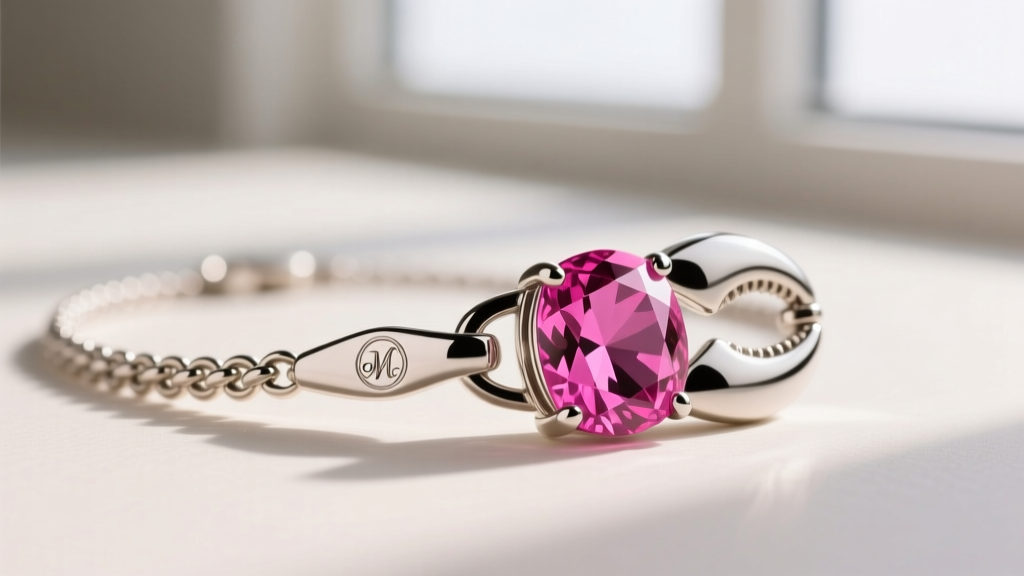
To ensure you extract maximum value from your purchase, apply this four-step assessment framework before finalizing any bright pink necklace acquisition in 2026:
- Verify the Treatment Status: Never purchase a natural pink sapphire or ruby over $1,000 without a third-party lab report confirming the absence of lattice diffusion or glass filling. For tourmalines, ask if the stone has been irradiated or heated, as this affects the pricing tier.
- Assess the Cut for Color Saturation: Pink gems rely heavily on precision cutting to avoid "windowing" (where light leaks out the bottom, creating a dead spot). Tilt the necklace under direct and diffused light; the bright pink color should remain saturated across at least 80% of the stone's face-up surface area.
- Inspect the Setting Architecture: Because pink tourmaline and spinel are more prone to chipping than sapphire, ensure the setting features V-prongs at the corners or a full bezel. Avoid delicate micro-pavé halos if the necklace is intended for daily, active wear, as the tiny melee diamonds will loosen and fall out over time.
- Calculate the Total Cost of Ownership (TCO): Factor in the 5-year maintenance costs. A cheaper white gold setting with a lab-grown stone might require $200 in rhodium replating over five years, whereas a solid 18k rose gold setting with a natural spinel requires only occasional ultrasonic cleaning and prong tightening.
Final Verdict: Where the Smart Money Goes
The ideal bright pink necklace depends entirely on your definition of value. If your goal is pure aesthetic impact on a strict budget under $300, a high-quality lab-grown pink sapphire set in 14k rose gold vermeil offers unmatched visual return on investment. However, if you view jewelry as a store of wealth and an heirloom asset, the smart money in 2026 is moving toward untreated pink spinels and rubellite tourmalines. These stones offer the vivid, unenhanced color that collectors demand, paired with a much more accessible entry price than the increasingly scarce unheated pink sapphires.


