Rainbow Cross Necklace Styling & Trend Guide 2026
Discover how to style the rainbow cross necklace in 2026. Explore material grades, chain pairings, and trend forecasts for this vibrant jewelry staple.

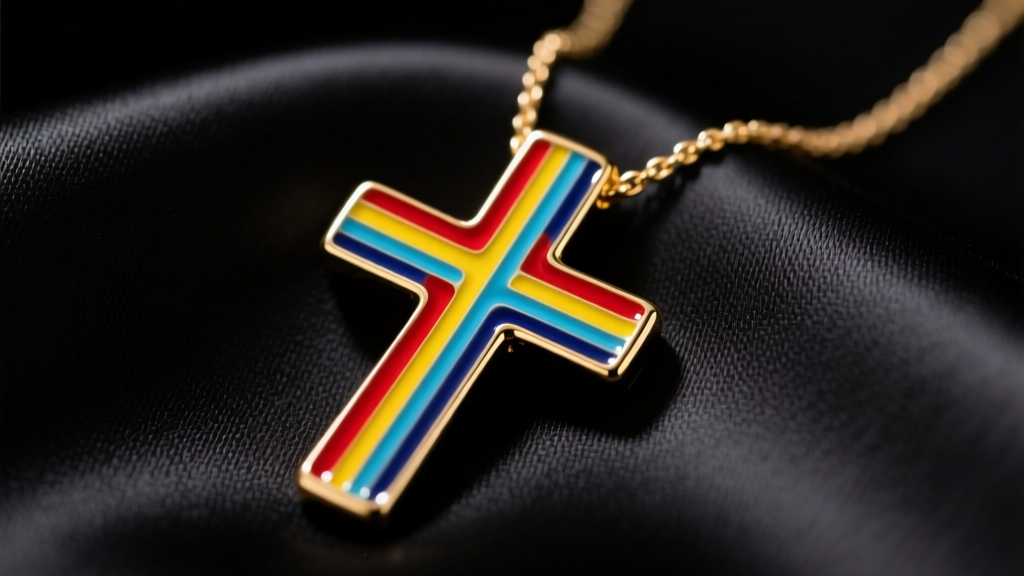
The Evolution of the Rainbow Cross Necklace in 2026
Once relegated to early 2000s pop-punk aesthetics and fast-fashion impulse buys, the rainbow cross necklace has undergone a radical transformation. As we navigate the jewelry landscape of 2026, this vibrant pendant has matured into a sophisticated symbol of intersectionality, personal heritage, and maximalist self-expression. According to trend analyses from Vogue, the modern consumer is no longer satisfied with flimsy, mass-produced accessories; they demand heirloom-quality construction, even in playful, color-saturated designs. The rainbow cross necklace now sits at the fascinating intersection of heritage fine jewelry and unapologetic individuality, making it one of the most sought-after statement pieces of the year.
But what separates a high-end, collectible rainbow cross pendant from a disposable novelty item? The answer lies in material science, precise chain pairing, and intentional layering. This comprehensive guide breaks down the exact specifications you need to know before investing in this trending silhouette.
Material Breakdown: Enamel vs. Gemstones vs. Resin
The visual impact of a rainbow cross necklace relies heavily on how the color is applied or set. In 2026, the market is distinctly segmented into three material categories, each with vastly different durability profiles and price points. Understanding these differences is critical for long-term wearability.
Cold Enamel (Epoxy Resin) vs. Vitreous Enamel
Cold enamel is essentially a pigmented epoxy resin poured into metal recesses and cured at room temperature. While it offers vibrant, opaque colors and is highly cost-effective, it is prone to yellowing from UV exposure and can chip or scratch easily. Vitreous enamel, conversely, is powdered glass fused to a metal backing (usually 14k or 18k gold) in a kiln at temperatures exceeding 1400°F. The result is a luminous, scratch-resistant finish that will not degrade over time. The Gemological Institute of America (GIA) frequently notes that vitreous enamel shares the hardness characteristics of glass (Mohs 5.5 to 6.5), making it vastly superior for daily wear jewelry compared to resin.
| Material Type | Durability (Mohs) | UV Resistance | Average Price Range | Best Use Case |
|---|---|---|---|---|
| Cold Enamel (Resin) | 2.0 - 3.0 | Poor (Yellows over time) | $45 - $120 | Occasional wear, trend-chasing |
| Vitreous Enamel | 5.5 - 6.5 | Excellent (Glass-based) | $400 - $1,200 | Daily wear, heirloom pieces |
| Rainbow Sapphires | 9.0 | Perfect | $1,800 - $5,000+ | Fine jewelry, luxury investment |
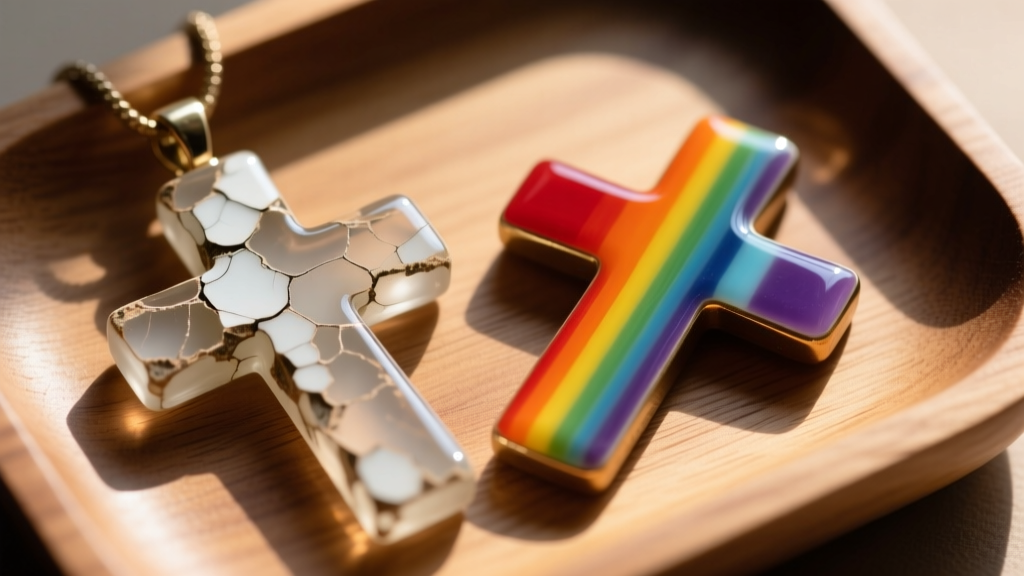
The Gemstone Alternative: Rainbow Sapphires and Tourmaline
For those seeking the ultimate in durability and light refraction, fine jewelers are increasingly crafting the rainbow cross necklace using precision-cut gemstones. Rainbow sapphires are the premier choice. Because sapphires occur in every color except red (which is classified as ruby), jewelers can source matching sets of padparadscha (pink-orange), vivid yellow, tsavorite-green, and royal blue sapphires. These are typically set in a bezel or flush-mount setting to protect the girdles of the stones. Alternatively, multi-colored tourmaline offers a more organic, slightly included look that appeals to buyers seeking earthy, unheated gemstones, though tourmaline's Mohs hardness of 7 to 7.5 requires slightly more care than sapphire.
Chain Pairings: Gauges, Lengths, and Clasps
A common failure point in pendant jewelry is a mismatched chain. A heavy vitreous enamel or solid gold rainbow cross pendant can easily weigh between 4 and 8 grams. Suspending this weight on a delicate 0.8mm chain will inevitably lead to metal fatigue and breakage.
Selecting the Right Gauge
- 1.2mm to 1.5mm Cable Chain: Ideal for petite, minimalist rainbow crosses (under 15mm in height) weighing less than 3 grams. Best worn at a 16-inch choker length or 18-inch collarbone length.
- 2.0mm to 2.5mm Rope or Box Chain: The sweet spot for standard-sized pendants (20mm to 25mm). The twisted links of a rope chain provide excellent tensile strength while adding a subtle textural contrast to the smooth enamel or polished gemstones.
- 3.0mm+ Cuban or Curb Chain: Reserved for oversized, streetwear-inspired rainbow crosses. The heavy, interlocking links provide a bold, industrial framing that grounds the bright colors of the pendant.
The Clasp Imperative
Never rely on a standard 5mm spring-ring clasp for a substantial rainbow cross necklace. The internal spring mechanism is a notorious failure point under continuous tension. Always opt for a 10mm or 12mm lobster claw clasp, or for high-end pieces, a hidden box clasp equipped with a figure-8 safety latch on the side. This ensures that even if the primary clasp mechanism snags and opens, the secondary safety wire will keep the pendant secure.
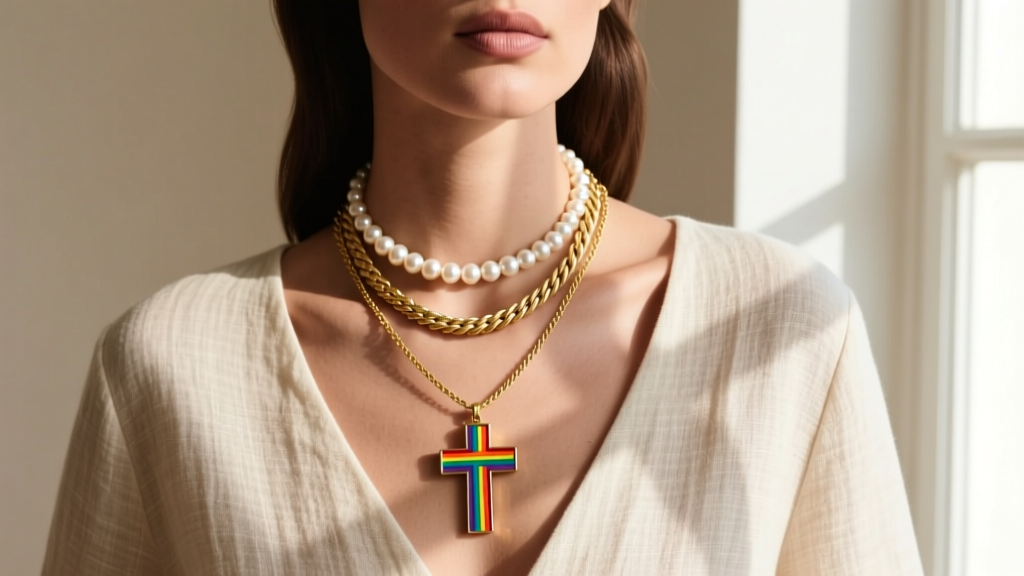
How to Layer a Rainbow Cross Necklace: The 2026 Framework
Layering is no longer about simply throwing multiple chains together; it requires architectural precision. The rainbow cross necklace, due to its high visual weight and saturated colors, must act as the focal point of your neckline. Here is the definitive layering framework for 2026:
1. The Anchor (14 to 16 Inches)
Start with a minimalist, non-competitive texture at the base of the neck. A 14-inch freshwater pearl choker or a 16-inch 1.0mm solid gold snake chain works perfectly. The goal is to provide a subtle frame that draws the eye downward without competing with the colors of the cross.
2. The Focal Point (18 to 20 Inches)
This is where your rainbow cross necklace lives. Ensure the bail (the loop connecting the pendant to the chain) is large enough to slide freely over any clasp. The pendant should rest precisely at the collarbone or just below, creating a clear visual break from the anchor chain above. Maintain at least a 2-inch gap between the anchor chain and the cross pendant to prevent tangling and metal scratching.
3. The Elongator (24 to 28 Inches)
To balance the visual weight of the colorful cross, add a long, lightweight chain that falls over the sternum. A 24-inch 1.5mm bead chain or a delicate lariat ending in a simple, unadorned gold geometric shape (like a small bar or plain disc) pulls the silhouette downward, elongating the neck and torso.
Pricing Tiers and Sourcing Authenticity
When shopping for a rainbow cross necklace, price is a direct indicator of material integrity. Fast-fashion retailers will offer cold enamel pieces in the $30 to $80 range, often utilizing brass or plated copper bases that will oxidize and turn the skin green within months.
For a piece that will last a lifetime, expect to invest in the mid-tier ($400 to $1,200), which should guarantee a solid 14k gold backing, vitreous enamel fired by master artisans, and a secure lobster clasp. Luxury tiers ($2,000+) enter the realm of bespoke gemstone setting, featuring ethically sourced rainbow sapphires or custom-cut tourmaline set in 18k gold or platinum. Always request a certificate of authenticity or a detailed material breakdown from the jeweler, specifically verifying that the enamel is vitreous and the gold is solid, not vermeil or gold-filled.
Final Verdict
The rainbow cross necklace in 2026 is a triumph of modern jewelry design, proving that playful aesthetics and rigorous craftsmanship are not mutually exclusive. By prioritizing vitreous enamel or precision-cut gemstones, matching your chain gauge to the pendant's weight, and employing a strategic layering framework, you can elevate this vibrant symbol into a cornerstone of your permanent jewelry collection.


