Pocahontas Necklace Value: Assessing Disney Jewelry Prices in 2026
Evaluate the true cost and material quality of a Pocahontas necklace. We compare Disney official merch, Pandora pendants, and artisan turquoise pieces.

The 2026 Market Landscape for Themed Pendants
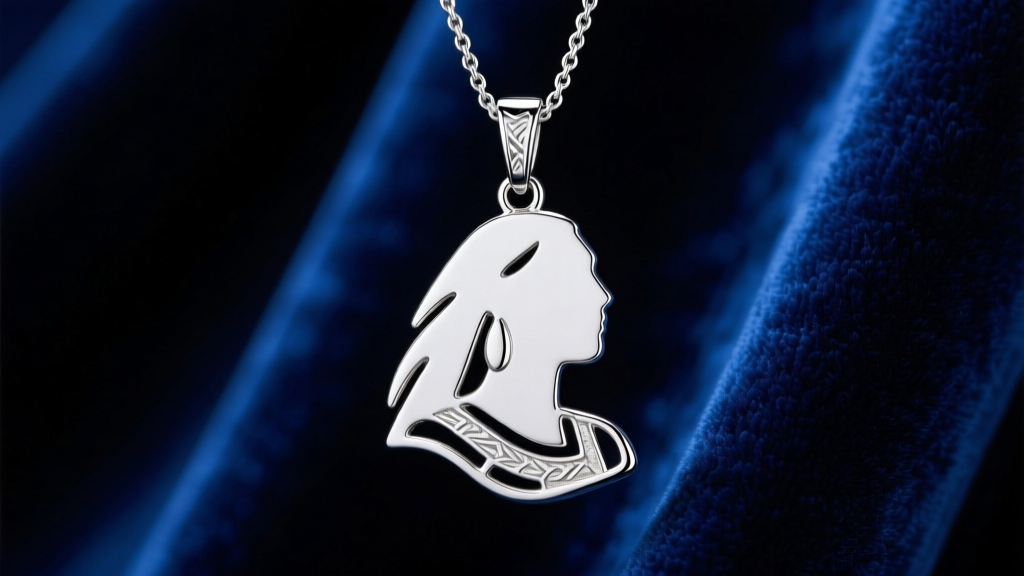
The market for character-inspired jewelry has evolved significantly over the last decade. When shopping for a Pocahontas necklace in 2026, buyers are no longer limited to cheap plastic trinkets from theme park gift shops. Today's landscape is divided into three distinct categories: mass-market novelty jewelry, official licensed collaborations (like Disney x Pandora), and independent artisan pieces that draw on Native American-inspired motifs like turquoise and feather pendants. Assessing the true value of these necklaces requires looking past the branding and evaluating the metallurgy, gemstone authenticity, and structural integrity of the chain.
As a jewelry appraiser and style analyst, I frequently see consumers overpay for base-metal alloys simply because they feature a recognizable silhouette, or conversely, miss out on high-quality artisan craftsmanship because they assume all themed jewelry is mass-produced. This guide breaks down the exact materials, price points, and failure modes you need to know before making a purchase.
Material Breakdown: What Are You Actually Paying For?
The foundation of any pendant necklace is its metal composition. According to the Federal Trade Commission Jewelry Guides, manufacturers must adhere to strict hallmarking standards. However, online marketplaces are flooded with misleading terminology like 'Tibetan Silver' or 'Native Alloy,' which often contain zero actual silver and high levels of nickel or lead.
| Material Grade | Common Usage | Tarnish Resistance | Average Price Range |
|---|---|---|---|
| Zinc Alloy / Brass | Fast fashion, novelty merch | Poor (requires heavy plating) | $10 - $25 |
| 925 Sterling Silver | High-end Disney merch, Artisan | Moderate (requires polishing) | $45 - $150 |
| 14k Gold Vermeil | Premium licensed collaborations | High (if 2.5 microns thick) | $80 - $200 |
| Solid 14k Gold | Custom fine jewelry | Excellent | $350+ |
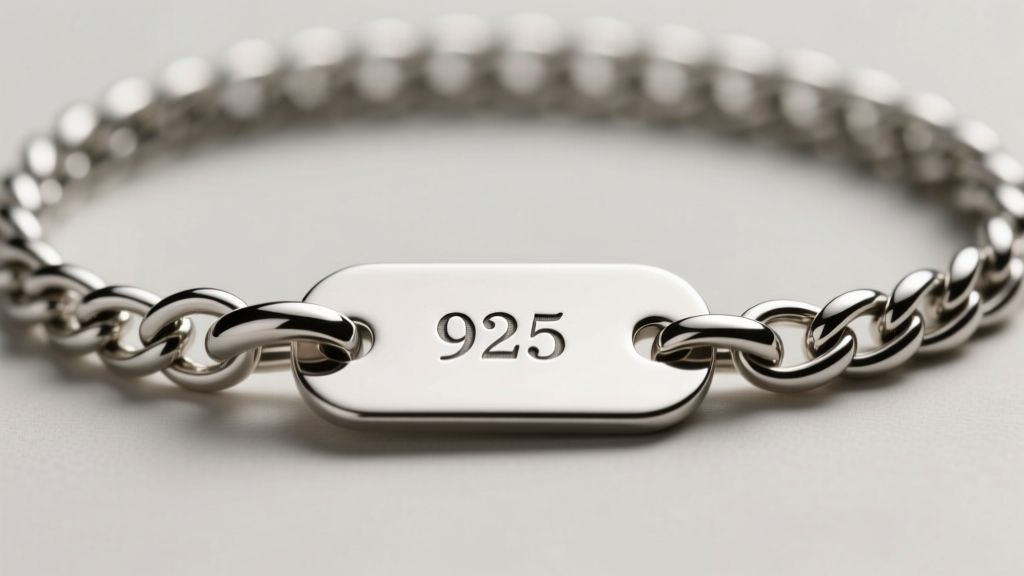
When evaluating a sterling silver piece, always look for the '925' stamp. For gold-plated items, the term 'vermeil' legally requires a base of sterling silver plated with at least 10k gold that is a minimum of 2.5 microns thick. Anything less is considered 'gold flashed' and will wear off within months of daily use.
Price Tiers and True Value Assessment
Tier 1: Fast Fashion and Novelty ($10 - $25)
At the lowest price point, you are paying for the design, not the materials. These necklaces typically feature a zinc or brass base coated in a thin layer of rhodium or silver-tone paint. The pendants are often cast using the lost-wax method but lack finishing polish, leaving rough edges that can snag on clothing. The primary value here is purely nostalgic; from a longevity standpoint, these pieces are disposable.
Tier 2: Official Disney and Pandora Collaborations ($50 - $120)
Official licensed merchandise represents the mid-tier market. A sterling silver Pocahontas silhouette pendant from the Disney Store or a Pandora charm carrier necklace offers reliable metallurgy. Pandora pieces, for instance, utilize high-quality cubic zirconia and vitreous enamel rather than cheap cold enamel. Vitreous enamel is essentially fired glass, meaning it will not yellow from UV exposure or skin oils, providing excellent long-term value for the price.
Tier 3: Handcrafted and Native-Inspired Artisan ($150 - $300+)
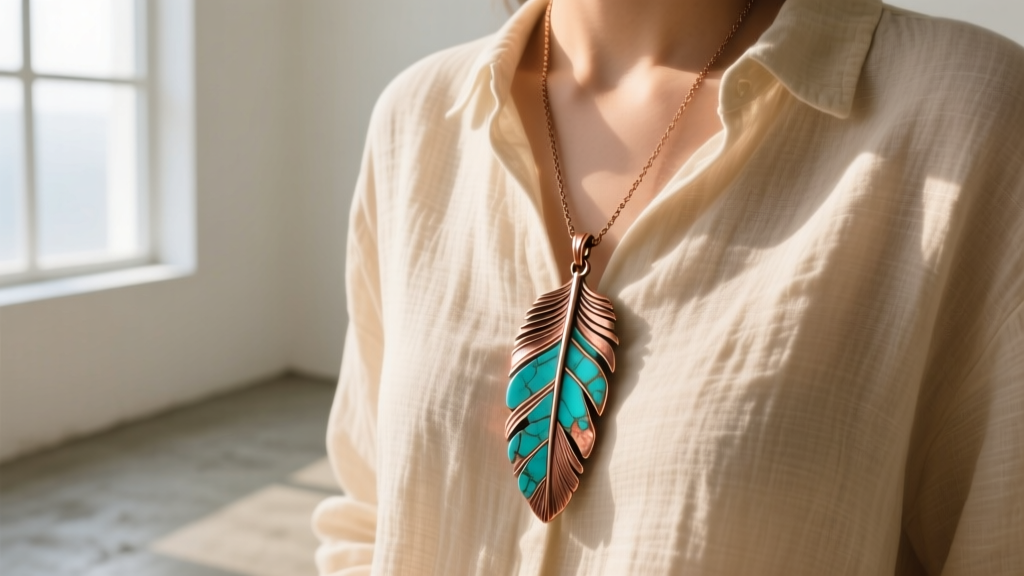
For buyers seeking a Pocahontas necklace that honors the character's connection to nature without relying on corporate silhouettes, artisan jewelers offer hand-stamped copper or 925 silver feather pendants set with genuine turquoise. The value here lies in the labor and gemstone quality. However, buyers must be vigilant about gemstone authenticity.
Durability and Common Failure Modes
A beautiful pendant is useless if the chain snaps or the clasp fails. When assessing your budget, factor in the structural weak points common in themed jewelry:
- Spring Ring Clasps: Common on sub-$30 necklaces. The internal spring mechanism is notoriously weak and prone to seizing or snapping under tension. Always upgrade to a lobster clasp for pendants over 5 grams.
- Cold Enamel Chipping: Mass-market necklaces use epoxy resin (cold enamel) to fill colored areas. This material shrinks over time, pulling away from the metal bezel and eventually chipping out entirely.
- Chain Tensile Failure: A standard 0.8mm cable chain is sufficient for lightweight charms. However, if you are buying a heavy artisan turquoise pendant (10+ grams), a 0.8mm chain will eventually stretch and snap at the solder points. Demand a minimum 1.5mm rolo or box chain for heavier pieces.
- Nickel Contact Dermatitis: Cheap 'antique silver' finishes often contain nickel. If you experience a green tint on your skin or an itchy rash, the jewelry is likely a copper-nickel alloy mislabeled as silver.
How to Spot High-Quality Themed Jewelry
If you are investing in an artisan piece featuring turquoise—a staple of Native American-inspired jewelry that aligns with the Pocahontas aesthetic—you must know how to identify real stones. According to the Gemological Institute of America (GIA), natural turquoise is highly porous and is frequently stabilized with clear epoxy to improve durability. This is an accepted industry practice. However, you should avoid 'dyed howlite' or 'reconstituted turquoise,' which are essentially crushed stone dust or completely different minerals dyed blue. Genuine stabilized turquoise will have a waxy luster and natural brown or black matrix veining that looks organic, not perfectly uniform.
Furthermore, inspect the bail (the loop connecting the pendant to the chain). High-quality pieces feature a soldered bail or a hidden pinch-bail. Cheap novelty necklaces simply drill a hole through the top of the metal silhouette, which causes the chain to rub against rough metal edges, leading to premature chain wear and breakage.
Final Verdict: Budgeting for Your Necklace
The value of a Pocahontas necklace in 2026 is entirely dependent on your end goal. If you are buying a piece for a one-time cosplay event or a young child, the $15–$25 fast-fashion tier is perfectly adequate, provided you check the alloy for nickel content. For daily wear and long-term collectibility, budget between $60 and $120 for official 925 sterling silver merchandise with vitreous enamel details. Finally, if you view jewelry as an investment in wearable art, allocate $150+ for an independent artisan who sources genuine stabilized turquoise and utilizes heavy-gauge 925 silver rolo chains. By prioritizing metal stamps, clasp mechanisms, and enamel types over mere branding, you ensure your budget translates into lasting quality.


