The Deathly Afraid Necklace Trend: 2026 Macabre Jewelry Guide
Explore the 2026 deathly afraid necklace trend. Discover macabre pendants, oxidized silver styles, and dark academia jewelry styling tips.

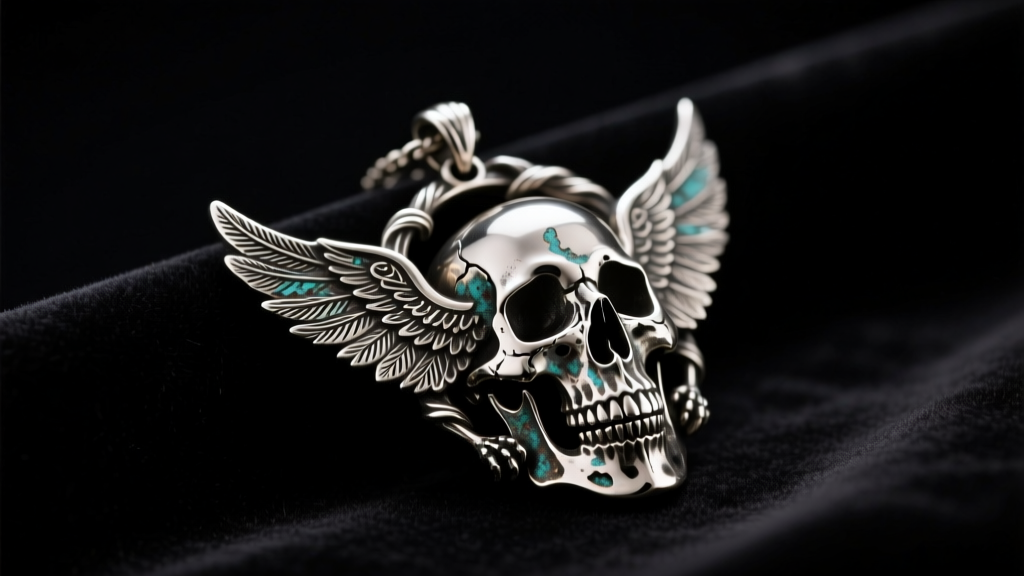
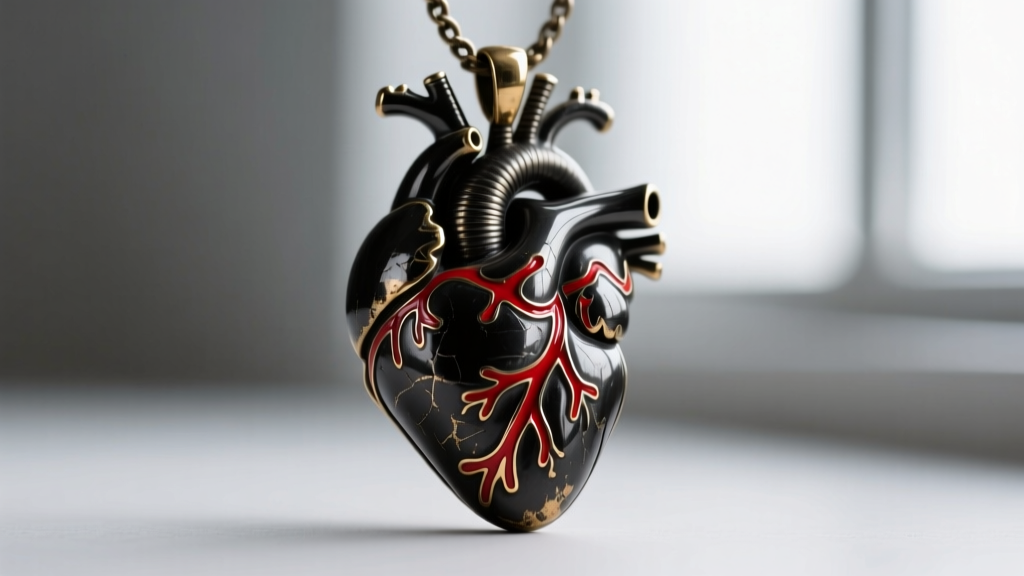
In the ever-evolving landscape of alternative fashion, the search for a deathly afraid necklace has become a massive cultural touchstone for 2026. While the phrase may sound like a typo for a famous fantasy franchise or a niche horror brand, it has actually evolved into a colloquial catch-all term used by Gen Z and alt-fashion communities to describe horror-core, macabre, and dark academia pendants. These are pieces designed to evoke a sense of beautiful dread—think anatomical hearts, intricate skeletal structures, grim reapers, and gothic architectural motifs.
As a senior style analyst at Jewel Style Radar, I have tracked the surge in demand for fear-inspired and morbid jewelry. This guide breaks down the metallurgy, chain engineering, and styling frameworks required to master the macabre necklace trend this year, ensuring your dark aesthetic is backed by genuine quality and expert styling.
The Anatomy of Macabre Jewelry: Materials and Finishes
The foundation of any true gothic or horror-inspired pendant lies in its metallurgy and surface treatment. Cheap, shiny metals completely destroy the macabre illusion. To achieve the authentic "deathly afraid" aesthetic, jewelers rely on specific oxidation techniques and dark plating methods.
925 Sterling Silver and Liver of Sulfur
The gold standard for dark fantasy jewelry is 925 sterling silver treated with liver of sulfur (potassium sulfide). This chemical bath forces the silver to oxidize rapidly, turning it black. The jeweler then polishes the high points of the casting, leaving the deep crevices—like the eye sockets of a skull or the valves of an anatomical heart—pitch black. This creates a stark, high-contrast relief that highlights the macabre details. According to the Gemological Institute of America (GIA), proper oxidation does not compromise the structural integrity of the silver, but it does require occasional re-treatment if the piece is frequently exposed to harsh chemicals or abrasion.
Black Rhodium and Antiqued Brass
For a more premium, gunmetal-grey finish, fine jewelers use black rhodium plating over a silver or brass base. Black rhodium is incredibly hard and scratch-resistant, offering a permanent dark sheen that doesn't rub off on the skin like some chemical patinas. Alternatively, artisan makers often use solid brass with an antiqued patina, which develops a unique, verdigris-tinged decay over time, perfectly suiting the dark academia and Victorian mourning jewelry aesthetics.
Chain Engineering: Supporting Heavy Gothic Pendants
A common failure point in horror-core jewelry is pairing a heavy, solid-cast macabre pendant with a flimsy chain. A 30-gram solid silver skull pendant will snap a standard 1.0mm cable chain within a week. When styling a deathly afraid necklace, the chain must possess the tensile strength to support the pendant while matching its dark, brooding energy.
| Chain Style | Recommended Width | Max Pendant Weight | Aesthetic Vibe |
|---|---|---|---|
| Cuban Link | 3.0mm - 5.0mm | 45g+ | Streetwear goth, heavy metal, bold |
| Box Chain (Oxidized) | 2.0mm - 3.0mm | 25g - 35g | Dark academia, Victorian, structured |
| Wheat / Spiga Chain | 1.5mm - 2.5mm | 15g - 20g | Witchcore, organic, intricate |
| Rope Chain | 2.5mm - 4.0mm | 30g+ | Classic macabre, vintage horror |
Clasp Selection: Never rely on a standard spring-ring clasp for heavy pendants. The internal spring mechanism is prone to failure under sudden tension. Always upgrade to a heavy-duty lobster clasp or, for thicker chains, a toggle clasp which offers superior security and adds an additional industrial-gothic design element to the back of the neck.
Styling the Macabre: Necklines and Layering Frameworks
Wearing a fear-inspired pendant requires deliberate styling to ensure it reads as high-fashion alternative rather than a cheap Halloween costume. The historical context of mourning and memento mori jewelry, extensively documented by the Victoria and Albert Museum (V&A), teaches us that dark jewelry commands space and requires contrasting fabrics to truly pop.
The Neckline Matrix
- Sweetheart & Square Necklines: Ideal for medium-sized anatomical or floral-decay pendants (1.5 to 2 inches). The exposed collarbone provides a skin canvas that makes oxidized silver stand out brilliantly.
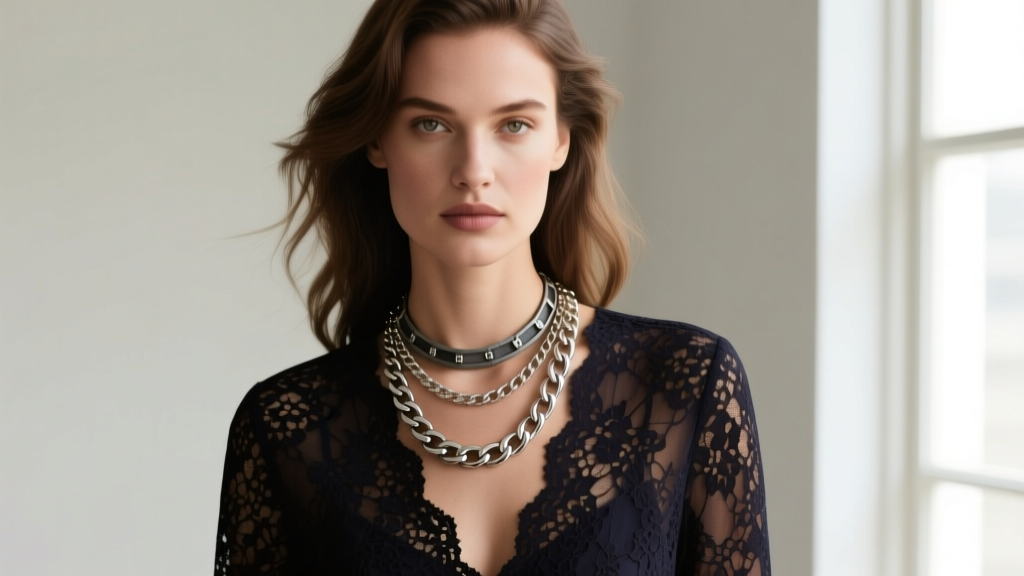
- High Turtlenecks (Black Lace or Mesh): Perfect for oversized, heavy pieces. The dark fabric acts as a shadow, allowing the polished high-points of a black rhodium skull or raven pendant to catch the light.
- Deep V-Necks: Best reserved for long, vertical pendants like gothic daggers, crucifixes, or elongated bone structures. Keep the drop length between 24 and 30 inches to sit comfortably in the sternum hollow.
The 3-Point Layering Rule for Dark Academia
If you are building a layered deathly afraid necklace stack, avoid clustering all your pendants at the same length. Use this structural framework:
- The Anchor (16-18 inches): A simple, dark metal chain with no pendant, or a very subtle motif like a small crescent moon or thorn link. This frames the face.
- The Focal Point (20-22 inches): Your primary macabre pendant. This should be the heaviest and most detailed piece, such as a grim reaper or an ornate gothic cathedral window.
- The Terminator (24-28 inches): A long, lightweight chain ending in a small, sharp motif like a silver thorn, a tiny spider, or a single teardrop blood-red garnet. This draws the eye downward and elongates the torso.
Market Tiers and Authenticity Checks
As the horror-core aesthetic has gone mainstream in 2026, the market has been flooded with low-quality, mass-produced zinc alloy pieces painted to look like oxidized silver. To build a lasting collection, you must understand the market tiers and know how to authenticate your pieces.
Fast Fashion vs. Artisan vs. Fine Jewelry
Fast Fashion ($15 - $40): Typically made from brass or zinc alloy with a thin "black nickel" or acrylic paint wash. These will turn your skin green and the dark finish will rub off within a month. Avoid these if you want longevity.
Artisan / Indie Silversmiths ($80 - $250): The sweet spot for the macabre trend. These are cast in solid 925 sterling silver, hand-finished, and chemically oxidized. Look for makers on platforms like Etsy who show their bench work and casting processes.
Fine Alternative Luxury ($500 - $3,000+): Brands like Chrome Hearts, Shaun Leane, and high-end bespoke gothic jewelers. These pieces feature masterful lost-wax casting, diamond accents (often black or salt-and-pepper diamonds), and impeccable structural engineering.
Expert Troubleshooting Tip: When buying artisan macabre jewelry online, ask the seller about "casting porosity." Because gothic pendants often feature deep, complex undercuts (like the inside of a skull's jaw), trapped air during the lost-wax casting process can create tiny surface pits. A high-quality jeweler will use vacuum casting or centrifugal casting to minimize this, and will hand-sand the piece to ensure no rough pores catch on your clothing.
Final Thoughts on the Dark Aesthetic
The deathly afraid necklace trend is more than a fleeting internet search term; it is a modern revival of the Victorian memento mori tradition. By investing in properly oxidized 925 silver, selecting chains with adequate tensile strength, and applying structured layering techniques, you can elevate your horror-core jewelry from a simple costume piece to a sophisticated, lifelong wardrobe staple. Embrace the macabre, but demand the quality your dark aesthetic deserves.


