How to Style and Layer an Alfani Necklace: Expert Guide
Master the art of styling your Alfani necklace. Learn step-by-step layering techniques, neckline pairings, and care tips for fashion jewelry.

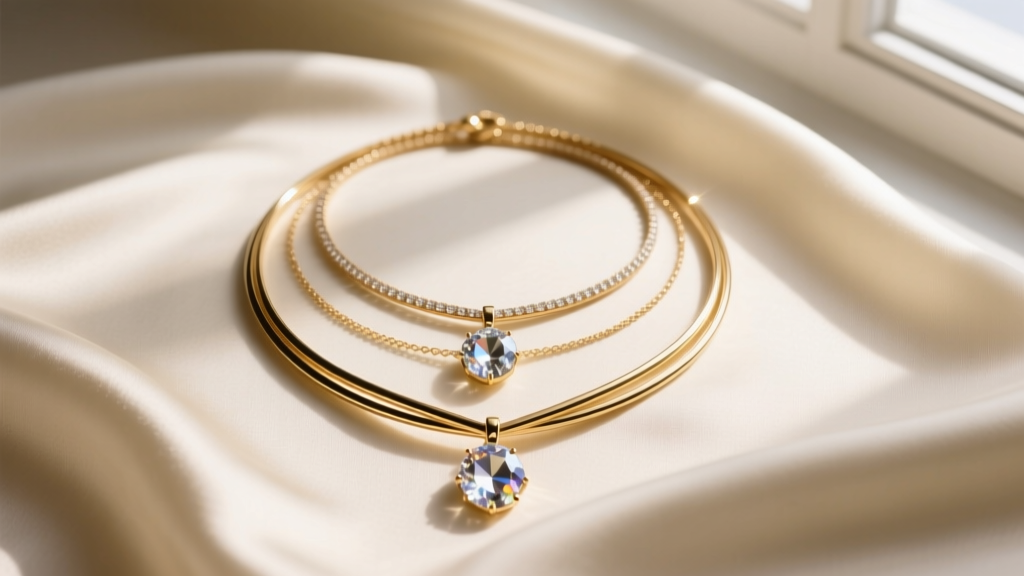
Alfani has long been a staple for accessible, versatile fashion jewelry, offering everything from delicate crystal-accented pendants to bold, gold-tone statement pieces. However, styling fashion jewelry requires a different approach than styling solid gold or platinum. Because Alfani necklaces typically utilize base metals with electroplated finishes, the way you layer, wear, and store them directly impacts their visual appeal and longevity. As of 2026, the trend of mixing accessible fashion jewelry with high-end fine jewelry is at its peak, making it essential to know how to elevate your Alfani pieces. This step-by-step guide will teach you how to expertly style, layer, and preserve your Alfani necklaces for any occasion.
Understanding Your Alfani Necklace Materials
Before diving into styling, it is crucial to understand the material composition of your jewelry. According to the Federal Trade Commission (FTC), fashion jewelry labeled as 'gold-tone' or 'silver-tone' is typically crafted from a brass or zinc-alloy base and finished with a micro-thin layer of electroplated metal. Unlike gold vermeil, which requires a sterling silver base and a minimum of 2.5 microns of gold plating, standard fashion jewelry plating usually ranges from 0.5 to 1.0 microns.
To combat rapid tarnishing, modern Alfani pieces are often treated with an 'e-coating'—a clear, anti-tarnish polyurethane layer applied via electrophoresis. While this protects the metal from immediate oxidation, friction from layering and exposure to skin oils can eventually wear through this barrier. Understanding this limitation is the first step in mastering the art of styling and caring for your collection.
Step 1: Matching the Alfani Necklace to Your Neckline
The geometry of your clothing dictates the ideal length and weight of your necklace. An ill-matched necklace can look cluttered or get lost in the fabric. Use this framework to pair your Alfani pieces with your wardrobe:
| Neckline Type | Ideal Alfani Length | Style Recommendation |
|---|---|---|
| V-Neck | 18 to 22 inches | Choose a Y-necklace or a pendant that mimics the V-shape to elongate the torso. |
| Crew Neck | 16 inches (Choker) or 24+ inches | Opt for a bold, crystal-studded collar that sits above the fabric, or a long opera-length chain below it. |
| Scoop Neck | 18 to 20 inches | A curved, multi-strand Alfani pendant or a teardrop crystal drop fills the negative space perfectly. |
| Turtleneck | 28 to 32 inches | Layer a heavy, oversized Alfani medallion over the fabric to break up the visual block of the high collar. |
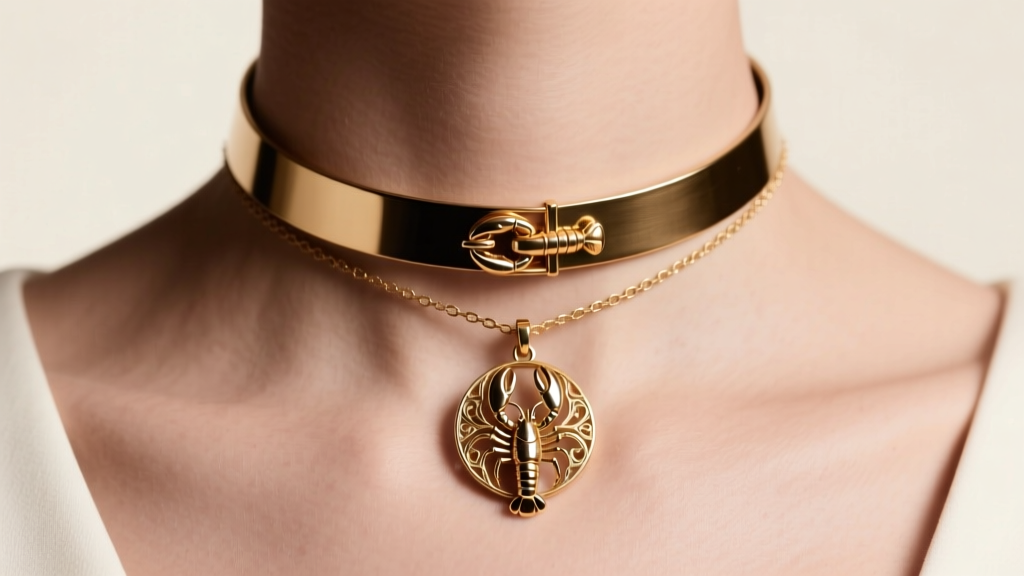
Step 2: The 3-Piece Layering Method for Fashion Jewelry
Layering is the most effective way to make fashion jewelry look bespoke and high-end. However, layering base-metal chains can lead to severe tangling due to varying link friction and weight distribution. Follow this precise 3-piece method to achieve a flawless cascade.
The Base Layer (14-16 inches)
Start with a lightweight, minimalist Alfani chain, such as a simple cable or box chain. This piece should sit snugly against the collarbone. Because it is closest to the skin, it will absorb the most body oils. Ensure the chain links are smooth to prevent them from catching the hairs on your neck or pulling on the threads of delicate blouses.
The Focal Layer (18-20 inches)
This is where your primary Alfani pendant lives. Whether it is a faux-pearl drop or a geometric crystal cluster, this piece draws the eye. To prevent it from tangling with the base layer, ensure there is at least a 2-inch gap in length between the two necklaces. If the pendant is heavy, the chain must be proportionally thicker (at least 2mm in width) to support the weight without warping the brass base.
The Statement Layer (22-24 inches)
Finish with a longer, textured chain, such as an Alfani rope or paperclip link design. This layer anchors the look and provides a vertical line that slims the silhouette. Because this layer swings the most, secure the clasp tightly and ensure the jump rings connecting the clasp are fully soldered or tightly closed to prevent accidental drops.
Step 3: Securing and Adjusting Your Clasps
Fashion jewelry frequently utilizes standard spring-ring clasps or small lobster clasps. While functional, they can be frustrating to manipulate and adjust. Here is how to manage them like a professional:
- Utilize the Extender Chain: Most Alfani necklaces come with a 2-inch extender chain. Do not ignore it. When layering, use the extender to fine-tune the exact drop length, ensuring a minimum 1.5-inch visual gap between each layer to prevent metal-on-metal friction.
- Fixing a Stuck Spring Ring: If the tiny lever on your spring-ring clasp becomes stiff—a common issue with zinc-alloy castings—apply a microscopic drop of sewing machine oil or mineral oil to the mechanism. Avoid WD-40, as its harsh solvents will strip the e-coating and accelerate tarnishing.
- Clasp Placement: Always position the clasp at the side of your neck rather than the back. This prevents the heavy pendant from pulling the chain backward and choking you, a common failure mode in top-heavy fashion jewelry designs.
Step 4: Preserving the Plating and Preventing Verdigris
The most common complaint with fashion jewelry is the development of verdigris—the green, powdery corrosion that occurs when copper or brass bases react with moisture, oxygen, and skin acids. The Gemological Institute of America (GIA) emphasizes that proper storage and moisture control are the most effective ways to preserve plated jewelry.
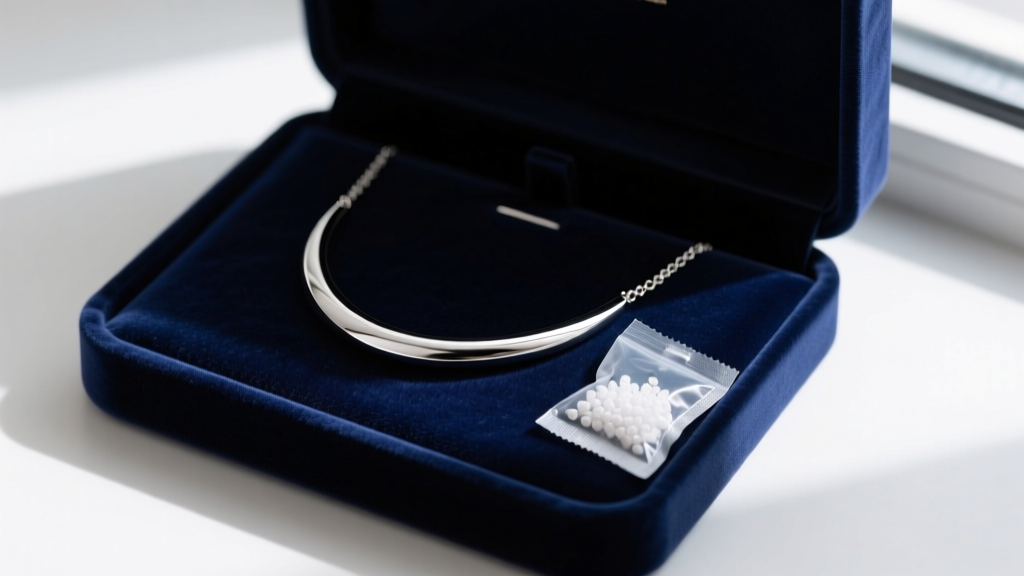
To maximize the lifespan of your Alfani necklaces, implement these specific care protocols:
- The Clear Polish Barrier: For pendants that rest directly against your sternum, apply a thin coat of clear, non-yellowing topcoat nail polish to the back of the metal. This creates a physical barrier between your skin's pH and the brass base, completely preventing green skin and localized corrosion.
- Post-Wear Wiping: Never put an Alfani necklace directly back into your jewelry box after wearing it. Use a dry, lint-free microfiber cloth to wipe away sebum, sweat, and perfume residue. Moisture trapped in the chain links is the primary catalyst for e-coating failure.
- Climate-Controlled Storage: Store your necklaces in a velvet-lined box with anti-tarnish silica strips. Do not store them in the bathroom, where ambient humidity from showers will rapidly degrade the micro-plating. Keep the chains fastened and laid flat to prevent the links from kinking, which can cause the plating to flake at the stress points.
Conclusion
Styling an Alfani necklace is about more than just throwing on a pretty accessory; it is an exercise in understanding material science, proportion, and garment geometry. By respecting the limitations of electroplated base metals and utilizing strategic layering techniques, you can seamlessly integrate your Alfani collection into a sophisticated, high-end wardrobe. Follow these steps to ensure your fashion jewelry remains vibrant, tangle-free, and perfectly positioned for every occasion.


