The Ultimate Big Silver Necklace Buying Guide (2026)
Discover how to choose the perfect big silver necklace. Learn about silver grades, weight limits, heavy-duty clasps, and 2026 pricing tiers in our expert guide.

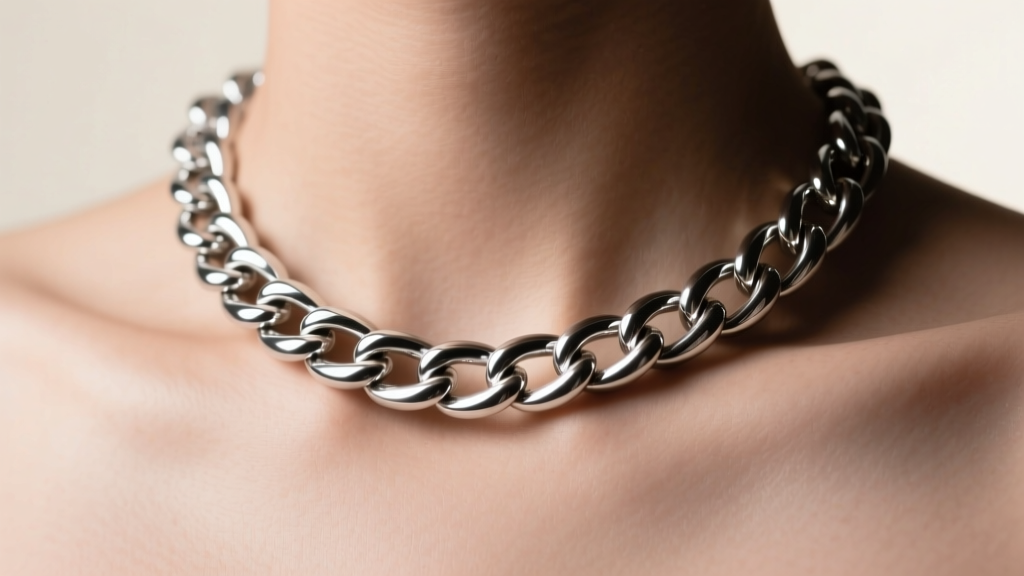
When it comes to making a definitive style statement, few accessories command a room quite like a big silver necklace. However, purchasing a substantial piece of silver jewelry is not merely about aesthetics; it is an exercise in material science, structural engineering, and ergonomic proportion. In 2026, the market has shifted heavily toward solid, artisan-cast, heavy-gauge silver, moving away from the hollow, fast-fashion chains that dominated the early 2020s. Whether you are eyeing a massive 12mm Cuban link or a sculptural, hand-forged collar, this comprehensive buying guide will teach you exactly what to look for to ensure your investment lasts a lifetime.
Why Proportion, Weight, and Core Construction Matter
The term "big" in silver jewelry generally refers to pieces that possess significant visual width (8mm to 20mm+) and substantial physical weight (50 grams to over 200 grams). Understanding the physics of how these pieces wear on the body is your first line of defense against buyer's remorse.
Solid-Core vs. Hollow-Core Links
Many mass-market jewelers produce large-looking chains using hollow-core manufacturing techniques to save on precious metal costs. While a hollow 10mm Figaro chain might look impressive, it is highly susceptible to denting, crushing, and eventual snapping under its own tensile stress. Always verify that a big silver necklace is solid-core. A solid 8mm chain will outlast a hollow 14mm chain by decades. You can test this by checking the weight-to-volume ratio; if a massive chain feels suspiciously light, it is likely hollow or heavily alloyed with base metals.
The Ergonomics of Heavy Silver
A necklace weighing over 120 grams will exert continuous downward force on your cervical spine and the delicate skin of the nape. To mitigate neck strain, look for chains that feature wider, flattened links at the back of the neck (often called a "comfort zone" or "tapered back"), which distribute the weight over a larger surface area rather than concentrating it on a single, thin wire.
Decoding Silver Alloys for Heavy Jewelry
Pure silver (999 fine silver) is far too malleable for a large, heavy necklace; the links would stretch and deform under the piece's own weight. Therefore, silver must be alloyed for durability. According to the The Silver Institute, understanding these alloy variations is critical for long-term wear.
| Alloy Type | Composition | Pros for Statement Pieces | Cons & Considerations |
|---|---|---|---|
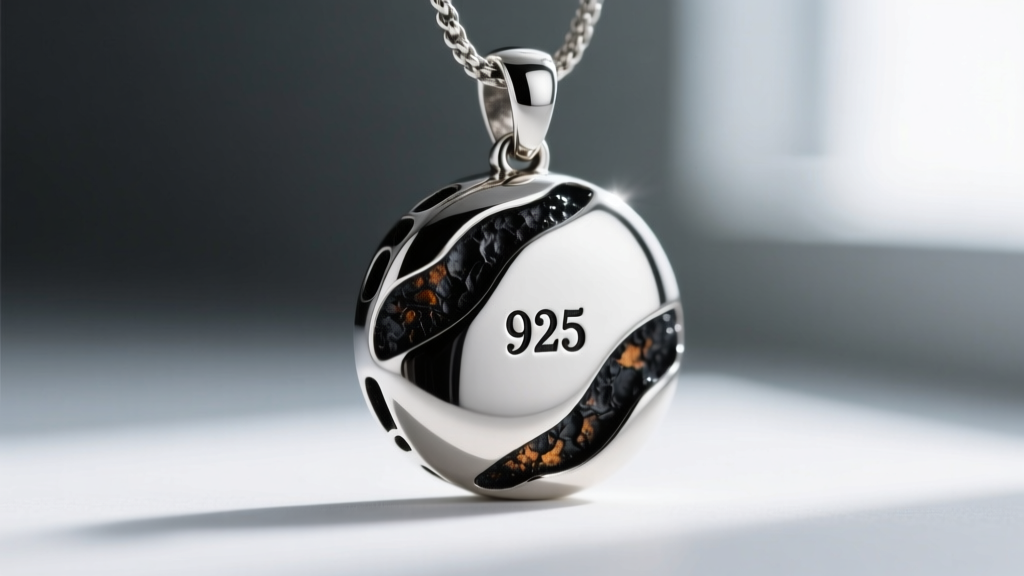
| Sterling (925) | 92.5% Silver, 7.5% Copper | Industry standard; excellent tensile strength; widely available. | Prone to oxidation and tarnishing; requires regular polishing. |
| Argentium (935/960) | Silver, Copper, Germanium | Highly tarnish-resistant; hypoallergenic; brighter, whiter luster. | Premium pricing; slightly softer than heavily copper-alloyed sterling. |
| Coin Silver (900) | 90% Silver, 10% Copper | Extremely durable; often found in vintage or Southwestern statement pieces. | Lower pure silver content; heavier patina development over time. |
Expert Tip: The Gemological Institute of America (GIA) notes that while Sterling is the most common, Argentium is rapidly becoming the preferred choice for high-end, large-scale silver jewelry in 2026 due to its low-maintenance brilliance, which saves hours of polishing on complex, hard-to-reach link crevices.
Chain Profiles That Support Massive Links
Not all chain weaves are created equal when scaled up to statement proportions. The structural integrity of the weave dictates how well the necklace will drape and resist tangling.
- The Cuban Link: Characterized by flat, interlocking oval links that sit flush against one another. This is the gold standard for big silver necklaces because the flat surface area prevents twisting and provides a highly reflective, mirror-like finish. Look for diamond-cut facets for maximum light return.
- The Rope Chain: Created by twisting multiple smaller links into a spiral. Rope chains offer exceptional tensile strength and are brilliant at hiding micro-scratches due to their complex light refraction. A 6mm to 8mm solid rope chain offers a heavy, luxurious drape without the rigid stiffness of a Cuban.
- The Mariner (Anchor) Chain: Featuring oval links with a central reinforcing bar. This central bar acts as a structural pillar, making the Mariner chain incredibly resistant to pulling and warping, ideal for supporting massive, heavy silver pendants or crosses.
The Engineering of Heavy-Duty Clasps
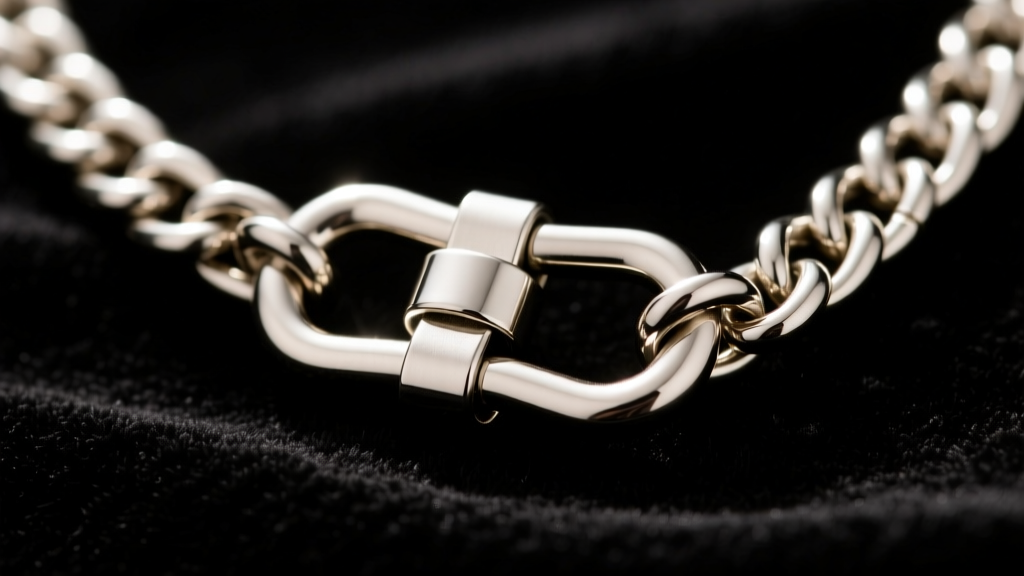
The most common point of catastrophic failure on a big silver necklace is the clasp. A standard 12mm lobster claw is entirely insufficient for a 100-gram chain; the jump ring will eventually warp, or the internal spring mechanism will fatigue and snap.
What to Demand from Your Jeweler
When evaluating a heavy silver piece, inspect the clasp hardware closely. You should look for:
- Oversized Toggle Clasps: The T-bar must be at least 1.5 times the diameter of the receiving ring to prevent accidental slip-through during movement.
- Box Clasps with Safety Catches: A mechanical box clasp that clicks into place, flanked by two hinged safety wires (figure-eight catches). This is the safest option for chains exceeding 150 grams.
- Screw-Threaded Barrel Clasps: These feature internal threading and often an integrated safety latch, providing a seamless look that maintains the chain's continuous pattern.
2026 Pricing Tiers: What Should You Actually Pay?
Pricing for a big silver necklace is dictated by the spot price of silver, the gram weight, and the artisan labor required to cast, solder, and polish heavy links. Here is a realistic breakdown of what you should expect to pay in the current market:
Warning: If you see a massive, 15mm "silver" chain selling for under $80, it is almost certainly silver-plated brass or stainless steel. The raw material cost of solid silver alone makes sub-$100 heavy chains a mathematical impossibility.
- Mass-Market / Machine-Made (50g - 90g): $250 – $450. These are factory-produced, usually 925 Sterling, with standard lobster clasps. Excellent for everyday statement wear.
- Premium / Designer (90g - 150g): $500 – $900. Features Argentium silver, hand-polished links, diamond-cut facets, and custom heavy-duty box clasps.
- Artisan / Hand-Forged (150g+): $1,000 – $3,000+. Crafted by independent silversmiths. Each link may be individually cast, soldered, and textured. These are wearable art pieces and often appreciate in value.
Styling a Big Silver Necklace Without Overpowering Your Frame
A large silver necklace acts as a visual anchor. To style it effectively in 2026, embrace the rule of contrast and negative space. Pair a chunky, oxidized 10mm silver collar with a simple, unstructured linen shirt or a monochromatic black turtleneck. Avoid busy patterns or competing metallic accessories; let the silver command the entire focal zone of the chest and neck. If you choose to layer, ensure the secondary chains are drastically thinner (e.g., a 2mm snake chain) and sit at least four inches below the primary statement piece to prevent metal-on-metal friction and tangling.


