Ultimate Care and Cleaning Guide for a 1 oz Gold Necklace
Learn expert techniques to clean, store, and maintain a 1 oz gold necklace. Prevent clasp failure, link stretching, and tarnish with our pro guide.

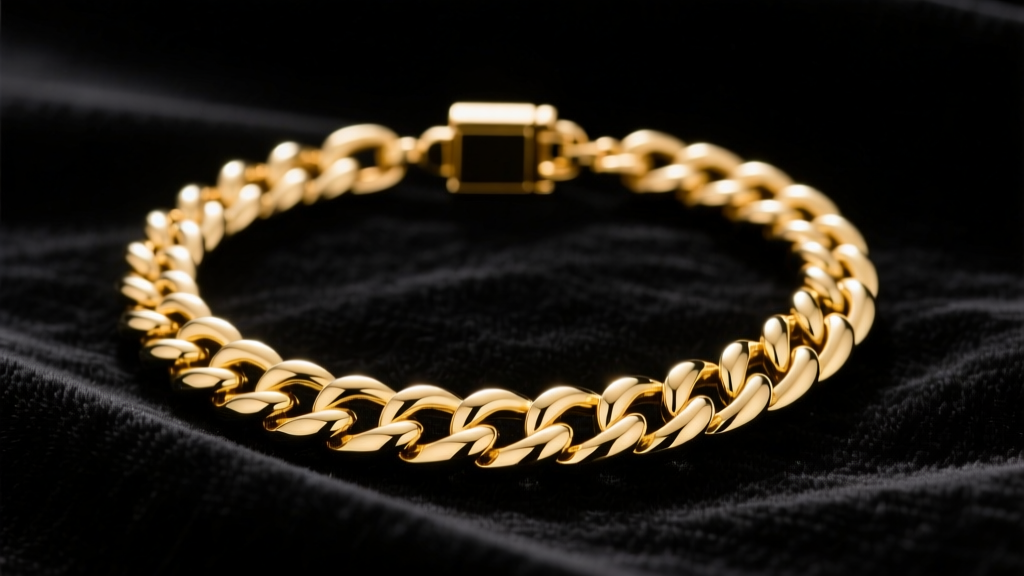
Owning a 1 oz gold necklace is a significant milestone in any jewelry collection. Whether it is a classic Cuban link, a tightly woven rope chain, or a sleek Figaro, a chain of this mass commands attention. However, the sheer weight of a 1 oz (approximately 28.35 to 31.1 grams, depending on whether the manufacturer uses standard or troy ounces) introduces unique physical stresses that lighter chains simply do not face. Gravity, neck movement, and environmental exposure all take a compounded toll on heavy gold jewelry.
As a senior jewelry stylist and maintenance expert, I frequently see heavy chains suffer from micro-stretching, clasp failure, and deep-seated grime buildup. This comprehensive guide will walk you through the precise metallurgy, cleaning protocols, and storage frameworks required to protect your investment and keep your 1 oz gold necklace looking pristine for decades.
The Physics and Metallurgy of Heavy Gold Chains
Before applying any cleaning solution, you must understand the material you are working with. Pure 24k gold is far too malleable for a heavy chain; a 1 oz 24k necklace would stretch and deform under its own weight within weeks. Therefore, premium heavy chains are typically forged in 14k (58.5% gold) or 18k (75% gold). The remaining alloy metals—usually copper, silver, and zinc—provide the necessary tensile strength.
According to the Gemological Institute of America (GIA), the specific alloy mix not only dictates the color but also the chain's vulnerability to environmental factors. For instance, higher copper content in 14k rose or yellow gold makes the links more susceptible to oxidation and tarnish when exposed to sulfur and chlorides. Understanding this alloy composition is the first step in tailoring your maintenance routine.
The Danger of Stress Corrosion Cracking
Heavy chains are under constant tension, particularly near the clasp and the nape of the neck. When alloyed gold under physical tension is exposed to chlorine (found in tap water, swimming pools, and household bleach), it can trigger a phenomenon known as stress corrosion cracking. This microscopic degradation weakens the soldered joints of the links, eventually leading to catastrophic chain failure. Never wear your 1 oz chain in a hot tub or while cleaning with harsh chemicals.
Step-by-Step Deep Cleaning Protocol
Because a 1 oz chain features thick, tightly interlocking links, sebum (skin oils), dead skin cells, and environmental dust become trapped deep within the crevices. Standard wiping is entirely ineffective. Follow this professional-grade cleaning protocol to restore the chain's luster without damaging the high-polish finish.
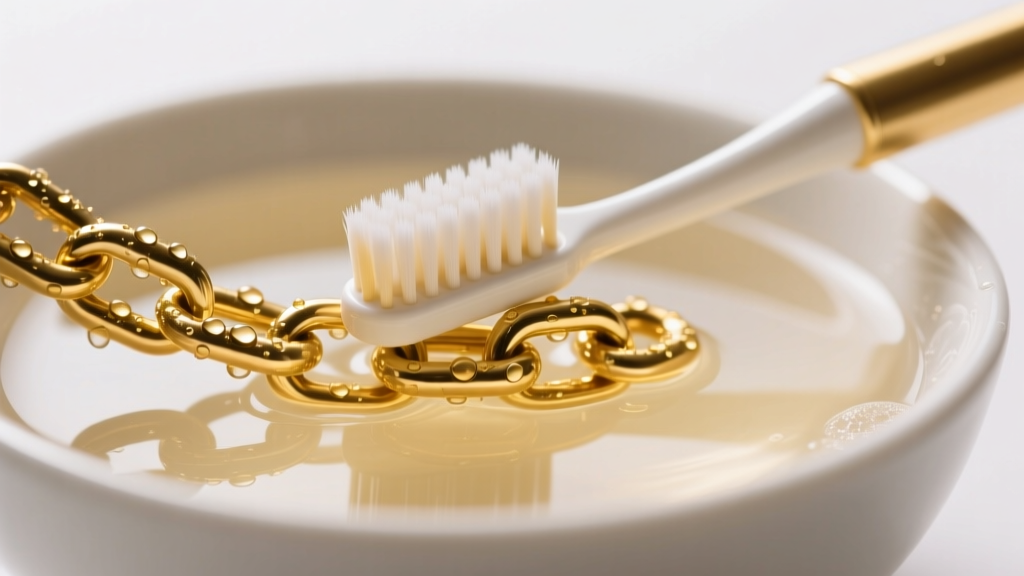
1. The Mild Surfactant Bath
Fill a glass bowl with warm (not hot) water and add three drops of a mild, ammonia-free dish soap, such as Dawn. Ammonia can be too harsh for certain alloy mixes and can degrade the rhodium plating if your chain is white gold. Submerge the necklace and let it soak for exactly 15 minutes. This allows the surfactant to break down the lipid bonds of the trapped skin oils.
2. Agitation with a Baby Toothbrush
Use an extra-soft baby toothbrush. Standard adult toothbrushes have bristles that are too stiff and will inflict micro-scratches on the gold's surface, eventually dulling the mirror finish. Gently brush the chain in a linear motion, paying special attention to the interior curves of the links and the clasp mechanism. Do not scrub aggressively; let the soap do the chemical lifting.
3. The Ultrasonic Cleaner Warning
While ultrasonic cleaners are fantastic for diamond rings, they are highly risky for heavy gold chains. The high-frequency cavitation bubbles can force microscopic debris deeper into the tight seams of a Cuban or Rope link. More importantly, the intense vibrations can fatigue and fracture the delicate laser-soldered joints that hold heavy links together. Stick to manual, gentle agitation.
Clasp Integrity and Hardware Stress Points
The most common point of failure on a 1 oz gold necklace is not the chain itself, but the clasp. A 30-gram chain generates significant kinetic momentum when the wearer moves, turns, or bends over. This dynamic load places immense shear stress on the clasp's locking mechanism.
According to master jewelers at Jewelers of America, matching the clasp's tensile rating to the chain's static and dynamic weight is critical for preventing accidental loss.
Below is a structural breakdown of common clasp types and their suitability for a 1 oz gold chain.
| Clasp Type | Max Static Weight Limit | Suitability for 1 oz Chain | Failure Mode |
|---|---|---|---|
| Spring Ring | 10 grams | Highly Dangerous | Internal spring snaps under tension |
| Standard Lobster | 20 grams | Not Recommended | Lever arm bends, causing accidental unhooking |
| Heavy-Duty Lobster | 35 grams | Acceptable | Wear on the jump ring over time |
| Box Clasp w/ Figure-8 | 50+ grams | Ideal & Mandatory | Tongue wears out after decades of use |
If your 1 oz necklace features a standard lobster clasp, take it to a jeweler immediately to have it upgraded to a box clasp with a figure-8 safety latch. The safety latch acts as a secondary physical barrier, ensuring that even if the primary box tongue fails, the chain remains secured to the jump ring.
Proper Storage to Prevent Kinking and Deformation
How you store a heavy chain is just as important as how you clean it. Tossing a 1 oz rope or Cuban chain into a jewelry box drawer is a recipe for disaster. The weight of the chain can cause it to fold over on itself, leading to severe kinking. Once a thick link is kinked, it is nearly impossible to reshape without specialized mandrels and risking metal fatigue.
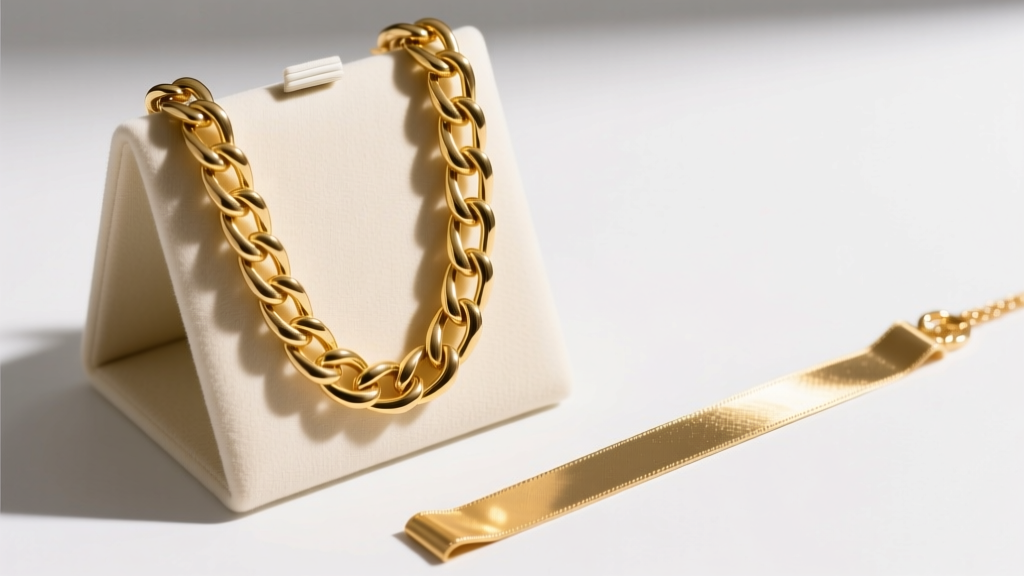
The Vertical Hanging Method
The optimal storage method for a 1 oz gold necklace is vertical suspension. Use a padded jewelry stand or a heavy-duty hook lined with velvet. Hanging the chain allows gravity to naturally align the links, preventing tangles and kinks while relieving lateral stress on the soldered joints.
Climate and Tarnish Control
If you live in a high-humidity environment, the copper and silver alloys in your 14k or 18k chain will oxidize faster, leading to a dull, brassy appearance. Store the hanging chain in a breathable, anti-tarnish cloth bag. Place a 3M anti-tarnish strip inside the bag or the display case. These strips absorb airborne sulfur compounds before they can react with the gold alloy, drastically reducing the frequency of deep cleaning required.
When to Seek Professional Jeweler Maintenance
Even with meticulous at-home care, a 1 oz gold necklace requires professional attention. Establish a relationship with a reputable local jeweler and schedule an annual inspection. During this visit, the jeweler should perform three critical tasks:
- Magnified Joint Inspection: Using a 10x loupe or microscope, the jeweler will check the soldered seams of the links for micro-fractures caused by daily wear and tear.
- Clasp Tension Testing: The jeweler will test the tension of the box clasp's tongue, tightening it with specialized pliers to ensure a snug, audible 'click' upon closure.
- Professional Polishing: If the chain has accumulated micro-scratches, a jeweler can use a rouge wheel to restore the mirror finish. Note that polishing removes a microscopic layer of gold, so this should only be done every 3 to 5 years, not annually.
By respecting the physics of heavy gold, utilizing the correct cleaning surfactants, and ensuring your hardware is rated for the dynamic load, your 1 oz gold necklace will remain a flawless, enduring centerpiece of your collection for a lifetime.


