Stella and Dot Beaded Necklace: An Expert Craft & Material Guide
An expert technical analysis of the Stella and Dot beaded necklace, covering bead composition, stringing mechanics, hardware metallurgy, and care.

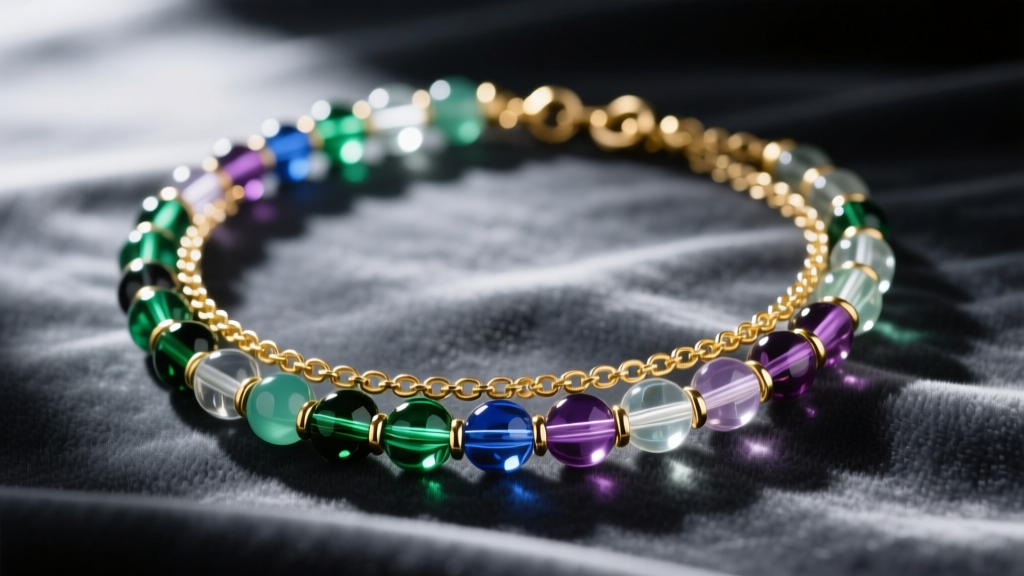
The Anatomy of a Stella and Dot Beaded Necklace
In the landscape of direct-sales and boutique fashion jewelry, the Stella and Dot beaded necklace occupies a unique space between accessible trend-driven accessories and demi-fine craftsmanship. As we move through 2026, consumers and stylists alike are demanding greater transparency regarding material sourcing, structural integrity, and the actual metallurgy of fashion jewelry. To truly understand the value and longevity of these pieces, we must look past the aesthetic appeal and examine the technical specifications of the beads, the stringing mechanics, and the hardware engineering. This deep dive deconstructs the physical anatomy of these popular necklaces, offering a master jeweler’s perspective on their construction, common failure modes, and maintenance protocols.
Bead Composition: Glass, Acrylic, and Simulated Stones
The visual weight and drape of any beaded necklace are dictated by the specific gravity and hardness of its components. Stella and Dot frequently utilizes a hybrid approach, blending Czech glass, molded acrylic, and semi-precious or simulated stones to achieve complex, layered looks without the prohibitive weight and cost of solid gemstones.
Material Identification and Properties
- Czech Glass: Ranking between 5.5 and 7 on the Mohs hardness scale, glass beads offer excellent scratch resistance and a high refractive index. They provide the necessary gravitational pull to help a multi-strand necklace drape correctly against the clavicle.
- Molded Acrylic: Often used for oversized, statement-making beads, acrylic is lightweight (Mohs 3) but highly susceptible to micro-scratches and chemical degradation from cosmetics. Under a 10x jeweler's loupe, acrylic beads will often reveal faint mold lines along the equator, whereas glass beads are typically tumbled or fire-polished to seamless finishes.
- Dyed Howlite and Magnesite: Frequently marketed as 'turquoise' or 'jade' in fashion jewelry, these porous stones (Mohs 3.5) are stabilized with resins and dyed. According to the Gemological Institute of America (GIA) Gem Encyclopedia, dyed howlite requires careful monitoring, as prolonged exposure to acidic sweat or alcohol-based perfumes can cause the dye to leach and the stone to chalk.
Stringing Mechanics: The 49-Strand Micro-Wire Standard
The structural backbone of a high-quality fashion necklace is its stringing material. Unlike fine jewelry, which may still rely on traditional knotted silk for pearls, modern multi-strand beaded necklaces predominantly use nylon-coated stainless steel beading wire, commonly referred to by the trade name 'Tiger Tail'.
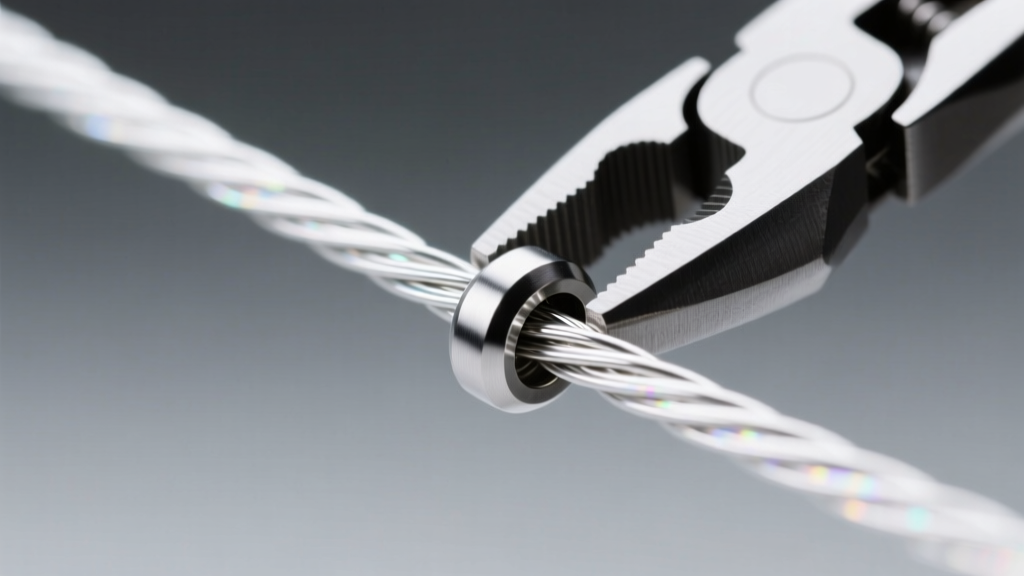
Stella and Dot typically employs a 49-strand micro-wire configuration. This consists of 49 ultra-fine stainless steel cables twisted together and encased in a smooth nylon sheath. The 49-strand wire offers a superior, thread-like drape compared to cheaper 7-strand or 19-strand alternatives, which tend to stiffen and develop 'wire memory' (permanent kinks) over time.
Stringing Material Comparison
| Material | Typical Diameter | Drape Quality | Kink Resistance | Failure Mode |
|---|---|---|---|---|
| 49-Strand Steel Wire | 0.018" - 0.024" | Excellent (Silk-like) | High | Nylon sheath degradation, crimp shear |
| 19-Strand Steel Wire | 0.018" - 0.024" | Good | Moderate | Wire memory, permanent kinking |
| Traditional Silk Thread | Size F or G | Supreme | N/A (Flexible) | Fraying, rot from moisture, stretching |
The critical failure point in wire-strung necklaces is the crimp bead. If the crimp is compressed too aggressively with standard flat-nose pliers rather than a specialized micro-crimping tool, the sharp internal edges of the metal crimp can shear the stainless steel core, leading to catastrophic strand failure.
Hardware Metallurgy and Clasp Engineering
The findings—clasps, jump rings, and extender chains—represent the highest stress points on any necklace. Stella and Dot hardware is generally cast from a brass or zinc-alloy base and finished with gold or silver electroplating.
Under the Federal Trade Commission Jewelry Guides, items labeled as 'gold electroplate' must have a minimum gold thickness of 0.175 microns. While this provides a brilliant initial luster, it is vastly thinner than the 2.5 microns required for 'gold vermeil' or the solid 14k gold used in fine jewelry. Consequently, the brass base is highly reactive. Once the microscopic plating layer wears through at high-friction areas (like the lobster claw hinge or the jump ring contact points), the underlying brass will oxidize, resulting in greenish discoloration on the skin and structural weakening of the clasp spring.
'The longevity of fashion jewelry hardware is entirely dependent on the user's ability to minimize friction and chemical exposure. A lobster claw clasp is only as strong as its internal stainless steel spring, which is often the only non-plated component in the assembly.' — Master Bench Jeweler
Common Failure Modes and Troubleshooting
1. Wire Kinking and Memory Fatigue
Storing a 49-strand wire necklace in a tight, tangled knot will cause the nylon sheath to stretch and the steel core to deform. Troubleshooting: Never pull a kinked wire taut. Instead, gently massage the kink between your thumb and forefinger, applying mild warmth to relax the nylon sheath, and store the necklace laid perfectly flat.
2. Clasp Spring Tension Loss
The tiny spring inside a lobster clasp can fatigue or become clogged with cosmetic powders and dead skin cells, preventing the lever from snapping shut securely. Troubleshooting: Use a soft-bristled toothbrush dipped in isopropyl alcohol to gently clean the clasp mechanism. Avoid getting the alcohol on the dyed beads, as it will strip the color.
Longevity Framework: Care and Maintenance
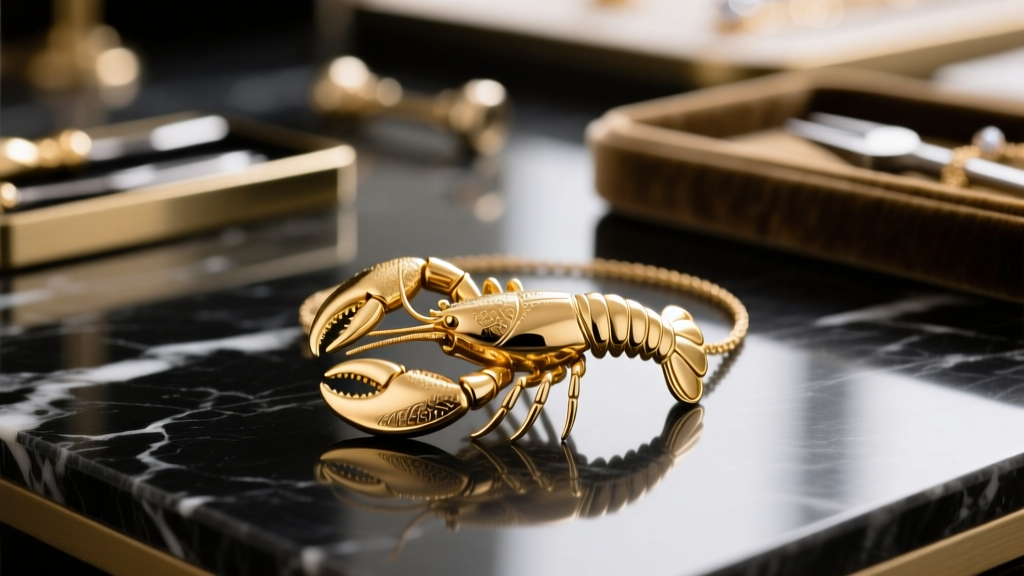
To maximize the lifespan of a Stella and Dot beaded necklace, you must abandon the cleaning methods used for fine jewelry. Ultrasonic cleaners are strictly prohibited; the high-frequency cavitation will shatter acrylic beads, strip the dye from howlite, and blister the gold electroplate.
The Expert Cleaning Protocol
- Surface Wipe: After every wear, gently wipe the beads and hardware with a dry, lint-free microfiber cloth to remove acidic sebum and cosmetic residue.
- Deep Clean (Glass/Semi-Precious Only): Mix a drop of pH-neutral dish soap into distilled water. Dip a soft makeup brush into the solution, gently agitate the beads, and immediately rinse with a damp (not wet) cloth.
- Drying: Lay the necklace flat on an absorbent towel. Ensure the crimp areas and clasp are completely dry before storing to prevent localized oxidation of the base metal.
Final Verdict
The Stella and Dot beaded necklace represents a sophisticated application of modern fashion jewelry manufacturing. By utilizing 49-strand micro-wire for superior drape and blending Czech glass with lightweight acrylics, the brand achieves complex, high-end aesthetics at an accessible price point. However, buyers must understand that the electroplated hardware and dyed stones require a disciplined, proactive maintenance routine. Treated as a delicate accessory rather than everyday armor, these necklaces offer exceptional stylistic versatility and enduring beauty.


