Kante Necklace Materials: Comparing Metals, Beads, and Textiles
Discover the best kante necklace materials. We compare gold, brass, powder glass, and woven textiles for durability, skin safety, and styling.

The Rise of the Kante Necklace in Modern Jewelry
The kante necklace—rooted in the rich, geometric weaving traditions of West African Kente cloth—has evolved from a purely textile-based cultural artifact into a highly sought-after category in contemporary fine and fashion jewelry. In 2026, designers are pushing the boundaries of this iconic style, translating the complex, interlocking warp-and-weft patterns into diverse mediums. However, the aesthetic appeal of a kante necklace is only half the equation. For collectors, stylists, and everyday wearers, understanding the metallurgical and material properties of these pieces is critical for long-term wearability, skin safety, and investment value.
Whether you are looking at a heritage piece woven with silk and gold wire, a modern brass interpretation, or a vibrant strand of powder glass beads, each material behaves entirely differently against the skin and the elements. According to the Smithsonian National Museum of African Art, the translation of traditional textile motifs into durable jewelry requires a deep respect for both the original symbolism and the physical limitations of the new materials. This guide breaks down the exact material grades, failure modes, and care requirements of the three dominant kante necklace styles on the market today.
Material Breakdown: What Makes a True Kante Piece?
1. Woven Textile and Gold Fusion (The Heritage Standard)
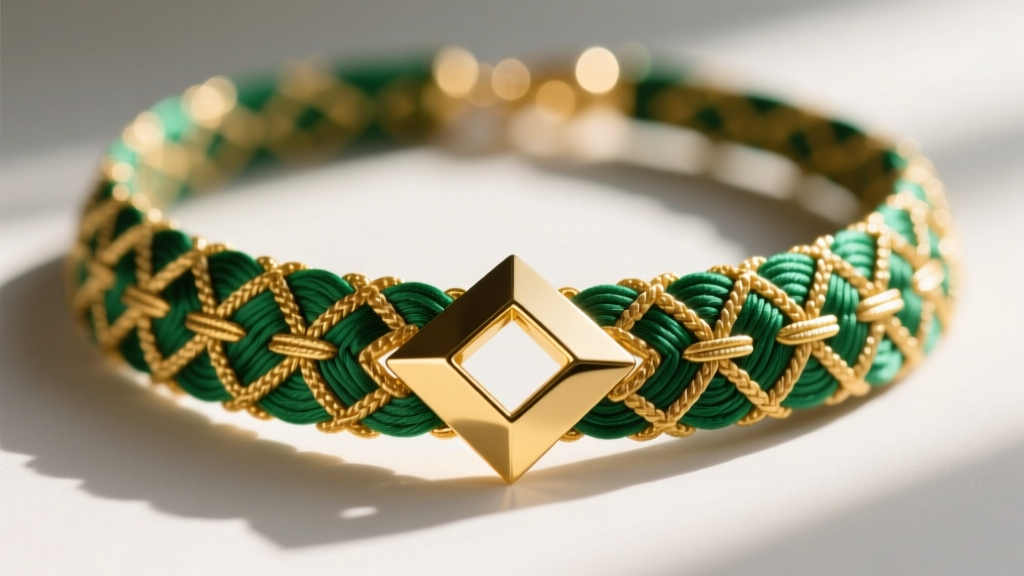
The most authentic and luxurious iteration of the kante necklace involves integrating actual woven threads with precious metals. Master weavers typically use wild silk or high-grade cotton dyed with organic pigments, interlaced with 14k or 18k gold wire. The gold wire provides structural memory and a brilliant flash of light, while the silk offers the iconic vibrant color blocking.
From a materials science perspective, this fusion is delicate. Silk fibroin is a natural protein that boasts impressive tensile strength but is highly vulnerable to acidic environments. Human sweat, which typically has a pH between 4.5 and 5.5, will slowly degrade the silk fibers over time, leading to dry rot and snapping. Furthermore, while 18k gold (75% pure gold) offers a richer color, it is softer and more prone to work-hardening and snapping when bent repeatedly. Therefore, 14k gold wire (58.5% pure gold, alloyed with copper and silver) is the superior choice for the structural warp threads in a kante necklace, as it provides the necessary yield strength to withstand the tension of the weave without fracturing.
2. Stamped Brass and Copper Geometric Weaves
For those seeking the visual complexity of the kante pattern without the fragility of textiles, metalworkers have developed stamped and cast brass alternatives. These necklaces mimic the interlocking geometric blocks of traditional weave using C260 cartridge brass (an alloy of 70% copper and 30% zinc). This specific grade is chosen for its exceptional cold-working properties, allowing artisans to stamp deep, sharp geometric grooves that replicate the textile texture.
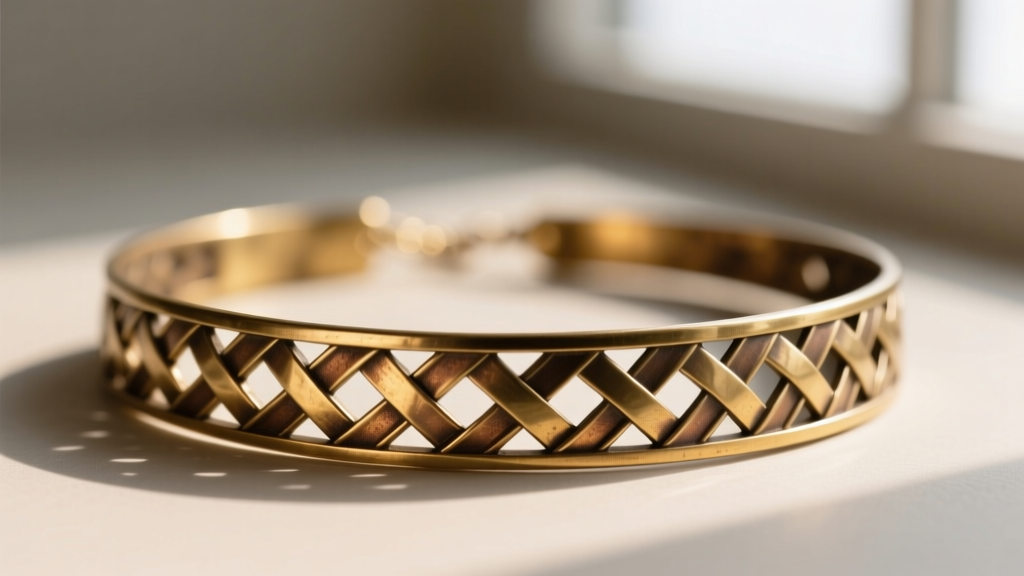
However, copper-heavy alloys present a well-known failure mode: oxidation and skin reactivity. When the copper in the brass reacts with the lactic acid and salts in human sweat, it produces copper chloride, which manifests as the dreaded green stain on the wearer's décolletage. To combat this, premium 2026 kante necklace designs utilize a micro-thin layer of PVD (Physical Vapor Deposition) titanium nitride coating or a heavy rhodium flash over the brass. This creates an inert barrier that preserves the antiqued, matte finish of the geometric grooves while completely neutralizing skin reactivity.
3. Krobo Powder Glass Beads
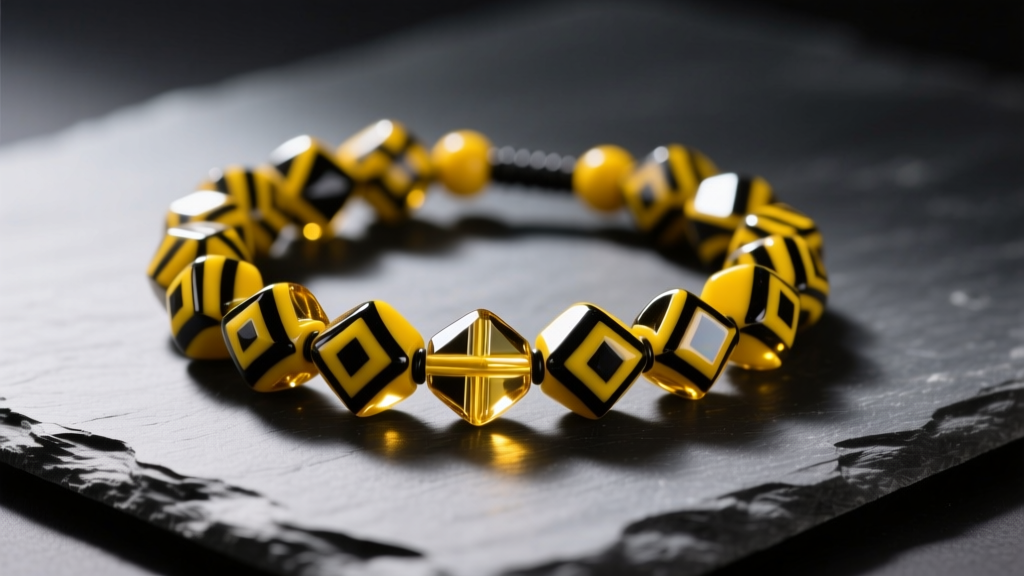
The third major material category relies on the ancient Krobo powder glass technique from Ghana. Artisans pulverize recycled glass bottles into a fine powder, pack it into clay molds, and fire it in kilns at temperatures between 700°C and 850°C. The resulting beads are painted with glass enamel slips to create the vibrant yellow, black, and green kante patterns before a second, lower-temperature firing fuses the design to the surface.
According to gemological standards referenced by the Gemological Institute of America (GIA), standard glass sits at a 5.5 on the Mohs hardness scale. While this makes the beads highly resistant to scratching from everyday contact with clothing or skin, they possess low impact toughness. A kante necklace made of powder glass must be treated as a high-impact risk; dropping it onto a hard surface like marble or granite will cause immediate shattering due to the internal micro-porosity created during the powder-fusing process.
Comparative Analysis: Durability, Weight, and Wearability
Choosing the right kante necklace requires balancing aesthetic preference with practical lifestyle constraints. The table below synthesizes the core material properties to help you make an informed decision.
| Material Type | Primary Components | Mohs Hardness / Tensile Strength | Weight Profile | Primary Failure Mode |
|---|---|---|---|---|
| Textile & Gold Fusion | Silk/Cotton, 14k Gold Wire | High Tensile / Low Abrasion | Ultra-Lightweight (15-30g) | Silk dry rot from sweat/UV exposure |
| Stamped Metal Weave | C260 Brass, Rhodium Plating | 3.0 (Mohs) / High Yield Strength | Heavy (80-150g) | Plating wear leading to copper oxidation |
| Powder Glass Beads | Recycled Silica, Clay Mold | 5.5 (Mohs) / Low Impact Toughness | Medium-Heavy (50-90g) | Shattering from blunt force impact |
Skin Reactivity and Tarnish Management
Skin reactivity is the most common complaint among buyers of fashion and fusion jewelry. If you have a known nickel allergy, you must be exceptionally careful with lower-tier stamped metal kante necklaces. While C260 brass is technically nickel-free, cheaper manufacturing alloys often introduce trace nickel to increase hardness. Always look for hallmarks or manufacturer guarantees stating 'Nickel-Free' or 'Hypoallergenic'.
For textile and gold kante necklaces, the issue is not allergy, but hygiene and degradation. The porous nature of woven silk traps dead skin cells, sebum, and environmental pollutants. To maintain the structural integrity of the silk, these pieces should never be worn in the shower or during exercise. Spot cleaning with a microfiber cloth and a pH-neutral textile cleaner is the only safe maintenance method. Submerging the piece in water will cause the silk fibers to swell and weaken upon drying.
Pricing Tiers and Investment Value
The pricing of a kante necklace varies wildly based on material authenticity and artisan labor. Understanding these tiers ensures you are paying a fair market rate.
- Entry-Level ($45 - $120): Mass-produced brass or copper-plated zinc alloys stamped with kante motifs. Often finished with clear lacquer that chips over time. Suitable for occasional wear but holds no resale value.
- Mid-Tier ($150 - $450): Authentic Krobo powder glass bead necklaces strung on high-tensile nylon or stainless steel wire, or solid C260 brass pieces with PVD coatings. These offer excellent durability and support traditional artisan communities.
- Fine Jewelry / Heritage ($800 - $3,500+): Hand-woven silk and 14k/18k gold wire fusion pieces. The value here is driven by the spot price of gold and the hundreds of hours of specialized loom work required to integrate the metal wire without snapping it. These pieces are highly collectible and often appreciate in value, especially when sourced from certified master weavers in Ghana or specialized diaspora ateliers.
How to Choose the Right Kante Necklace for Your Lifestyle
If your daily routine involves high physical activity, frequent travel, or exposure to humid climates, the stamped brass with PVD coating is your most resilient option. It requires zero delicate care, will not rot, and the geometric patterns remain sharp even after years of friction against clothing.
For collectors, stylists, and those attending formal or cultural events where heritage and authenticity are paramount, the woven textile and gold fusion kante necklace is unmatched. It drapes beautifully over the collarbone due to its ultra-lightweight nature and catches the light in a way that solid metal cannot replicate. Just remember to store it flat in a climate-controlled environment, away from direct sunlight, to preserve the organic dyes and silk proteins.
Finally, for lovers of bold, tactile, and colorful statement pieces, the powder glass bead variations offer a unique, earthy aesthetic. Ensure the stringing material is periodically checked by a jeweler—beads with sharp internal drilling edges can slowly saw through standard silk or cotton stringing threads over time. Upgrading the string to a 0.018-inch braided stainless steel wire with a secure crimp and clasp will guarantee the necklace survives for generations.
By understanding the exact material properties, from the yield strength of gold wire to the firing temperatures of recycled glass, you can select a kante necklace that not only honors a profound cultural legacy but also stands up to the rigors of modern wear.


