How to Choose the Perfect Valentine Necklace in 2026
Discover our step-by-step 2026 guide to selecting the ideal Valentine necklace. Learn about metal grades, chain lengths, and pendant styles.

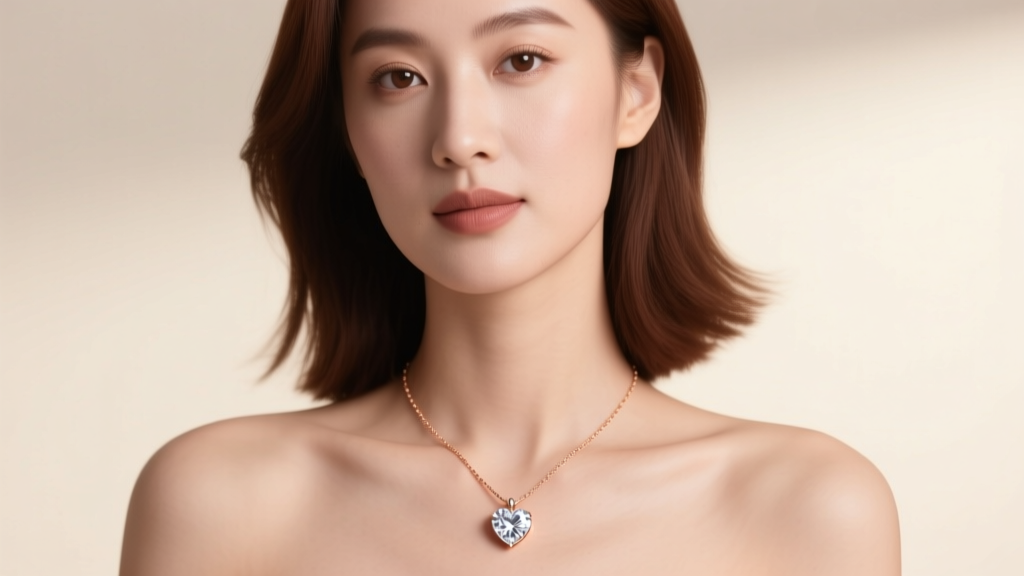
The Modern Guide to Gifting a Valentine Necklace
Valentine's Day jewelry shopping often devolves into a panic-buy of generic, mass-produced heart pendants. In 2026, the modern gifting landscape demands more intentionality. A truly memorable Valentine necklace is not just about the symbol; it is an intersection of metallurgy, personal style, and structural durability. Whether you are spending $200 on a minimalist gold chain or $5,000 on a lab-grown diamond solitaire, understanding the mechanics of jewelry design will elevate your gift from a fleeting gesture to a lifelong heirloom.
This step-by-step guide will walk you through the exact technical specifications, material grades, and styling frameworks needed to choose a piece she will actually want to wear every day.
Step 1: Decode Her Neckline and Lifestyle
Before looking at gemstones, you must consider the physical environment where the necklace will live. The length of the chain dictates how it interacts with her wardrobe, while her daily routine dictates the required durability of the setting.
The Neckline Framework
- 14 to 16 Inches (Choker/Collar): Sits tightly at the base of the throat. Ideal for open crew necks, off-the-shoulder tops, and V-necks. Avoid this length if she frequently wears high turtlenecks or buttoned-up blouses.
- 18 Inches (Princess Length): The most versatile standard. It rests perfectly on the collarbone and pairs seamlessly with almost any neckline, from casual t-shirts to business blazers.
- 20 to 24 Inches (Matinee Length): Falls below the collarbone and onto the chest. Best reserved for deep V-necks, scoop necks, or layering over lightweight sweaters.
The Lifestyle Stress-Test
If she is a gym-goer, nurse, or works with her hands, avoid high-prong settings. Prongs catch on fabrics and can bend, dropping the stone. Instead, opt for a bezel setting, where a continuous rim of metal encircles the gemstone's girdle, offering maximum impact resistance and a snag-free profile.
Step 2: Select the Right Metal Grade
The Federal Trade Commission Jewelry Guides strictly regulate how precious metals are stamped and sold. Understanding these hallmarks prevents you from overpaying for a metal that doesn't suit her needs.
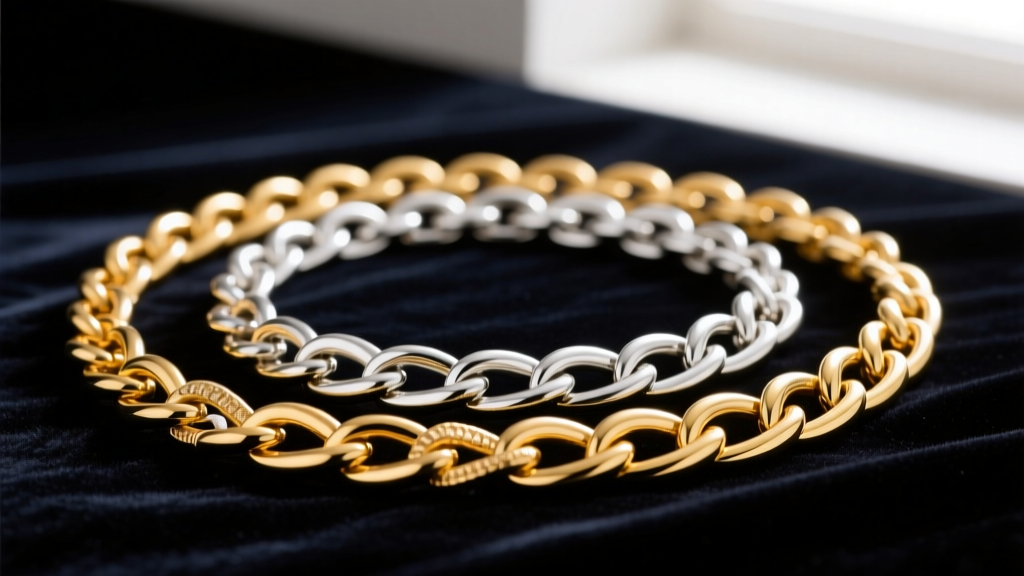
14k Gold (58.5% Pure Gold)
The undisputed champion of daily wear. By alloying 58.5% pure gold with metals like copper, zinc, and silver, jewelers create a material that is highly resistant to scratching and bending. It is the most practical choice for a Valentine necklace intended for 24/7 wear, and it typically costs 30-40% less than its 18k counterpart.
18k Gold (75% Pure Gold)
Valued for its rich, saturated color—especially in yellow and rose gold variations. However, the higher pure gold content makes it softer. An 18k gold cable chain is more prone to stretching over time if subjected to heavy pendants or accidental tugs.
Platinum (95% Pure)
Hypoallergenic, naturally white, and incredibly dense. Platinum does not lose metal when scratched; it merely displaces it, developing a patina over time. It is the premium choice for securing high-value diamonds, but expect to pay a 50-80% premium over 14k gold for the same chain weight.
Step 3: Choose the Chain Architecture and Clasp
The chain is the structural backbone of any Valentine necklace. A beautiful pendant on a weak chain is a lost pendant waiting to happen.
| Chain Type | Tensile Strength | Best For | Failure Mode |
|---|---|---|---|
| Box Chain | High | Heavy pendants, daily wear | Difficult to repair if a square link snaps |
| Cable Chain | Medium | Lightweight, minimalist pendants | Links can stretch and oval out over time |
| Snake Chain | Low | Sleek, modern looks without pendants | Permanent kinking if bent past 45 degrees |
| Figaro Chain | High | Statement pieces, layered styling | Solder points on long links can separate |
The Clasp: Where Necklaces Actually Fail
Never settle for a spring ring clasp. These cheap, circular clasps rely on a tiny internal tension spring that degrades after a few hundred open-close cycles, eventually failing to close completely. Always ensure the necklace features a lobster claw clasp. Lobster clasps utilize a dual-spring mechanism and a solid locking arm, providing vastly superior security. For thicker chains, look for a locking clasp with a secondary safety figure-8 catch.
Step 4: Pick the Pendant Stone and Setting
In 2026, the stigma around alternative gemstones has completely vanished, replaced by a demand for ethical sourcing and optical brilliance. According to the Gemological Institute of America (GIA), lab-grown diamonds now possess the exact same chemical, physical, and optical properties as mined diamonds.
Lab-Grown Diamonds
For a classic solitaire Valentine necklace, a lab-grown diamond offers a 1.00-carat, VS1 clarity, F-color stone for roughly $600 to $900, compared to $4,000+ for a mined equivalent. This allows you to maximize carat weight and brilliance without compromising on the metal quality of the chain.
Moissanite
If her style leans toward maximum sparkle, moissanite has a higher refractive index (2.65) than diamond (2.42), resulting in intense 'fire' or rainbow flashes. It is exceptionally hard (9.25 on the Mohs scale), making it highly resistant to daily scratching. Expect to pay between $150 and $400 for a high-quality, colorless moissanite pendant.
The Hidden Locket
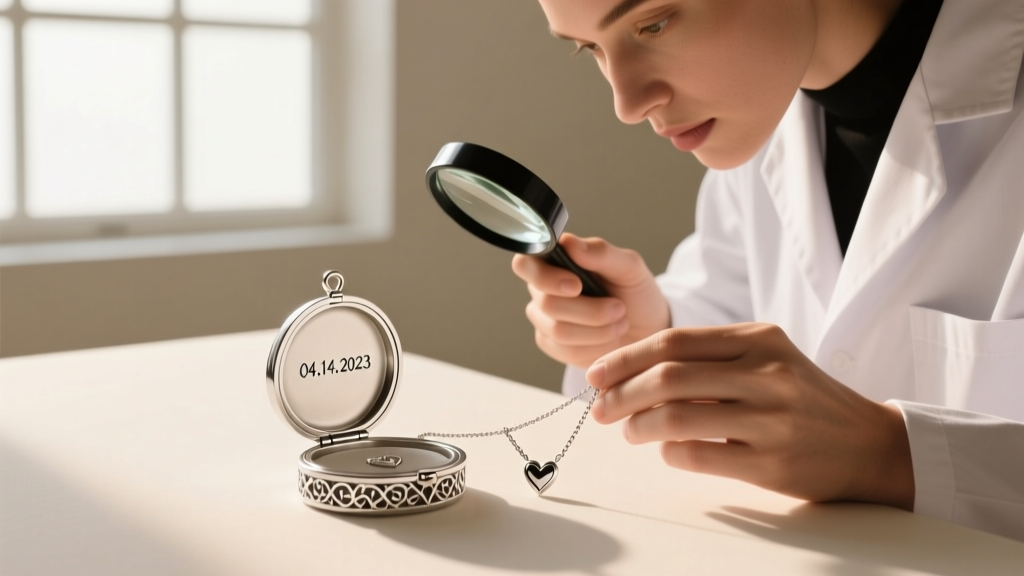
For a deeply sentimental approach, bypass gemstones entirely. A solid 14k gold or sterling silver locket featuring a hidden, laser-engraved coordinate or date offers a personalized narrative that mass-market jewelry cannot replicate. Ensure the locket hinge is constructed from the same karat gold as the body to prevent galvanic corrosion over time.
Step 5: Sizing and the 'Two-Finger' Rule
If you are buying a choker or collar-length Valentine necklace (14-15 inches), precise sizing is critical. A chain that is too tight will cause skin irritation and clasp strain, while one that is too loose will lose its intended silhouette.
The Two-Finger Rule: When measuring her neck with a soft tape measure, ensure you can comfortably slide two fingers between the tape and her skin. Add half an inch to that measurement for the ideal choker length. If you are unsure, purchase a 16-inch chain with a 2-inch extender chain, which provides a forgiving 16-to-18-inch adjustable range.
Common Valentine Necklace Mistakes to Avoid
Even with the best intentions, buyers frequently fall into marketing traps that result in disappointing gifts. Avoid these critical errors:
- Buying Gold-Plated over Vermeil: Standard gold plating uses a microscopic layer of gold over brass or copper, which will tarnish and turn her skin green within weeks. If solid gold is out of budget, insist on Gold Vermeil, which legally requires a thick layer of gold (at least 2.5 microns) over a sterling silver base.
- Ignoring the Bail: The bail is the loop that connects the pendant to the chain. If the bail is soldered shut and the chain is too thick to thread through it, you will be forced to buy a new chain. Always check the bail's inner diameter against the chain's width.
- Overlooking Rhodium Plating on White Gold: White gold is naturally slightly yellowish and is plated with rhodium to achieve a bright white finish. This plating wears off every 12 to 18 months. Factor in a $50-$80 annual maintenance cost for re-plating, or switch to platinum for a maintenance-free white metal.
Final Thoughts on Gifting in 2026
Choosing the right Valentine necklace is an exercise in observing her daily habits and matching them with the correct metallurgical and structural specifications. By prioritizing a secure lobster clasp, a durable 14k gold or platinum chain, and a setting that matches her lifestyle, you are not just buying a piece of jewelry; you are engineering a lasting accessory that she will reach for every single morning.


