Broken Necklace Repair: What to Look For & Cost Guide
Discover everything about broken necklace repair. Learn what to look for in a jeweler, compare laser vs. solder welding, and explore cost ranges.

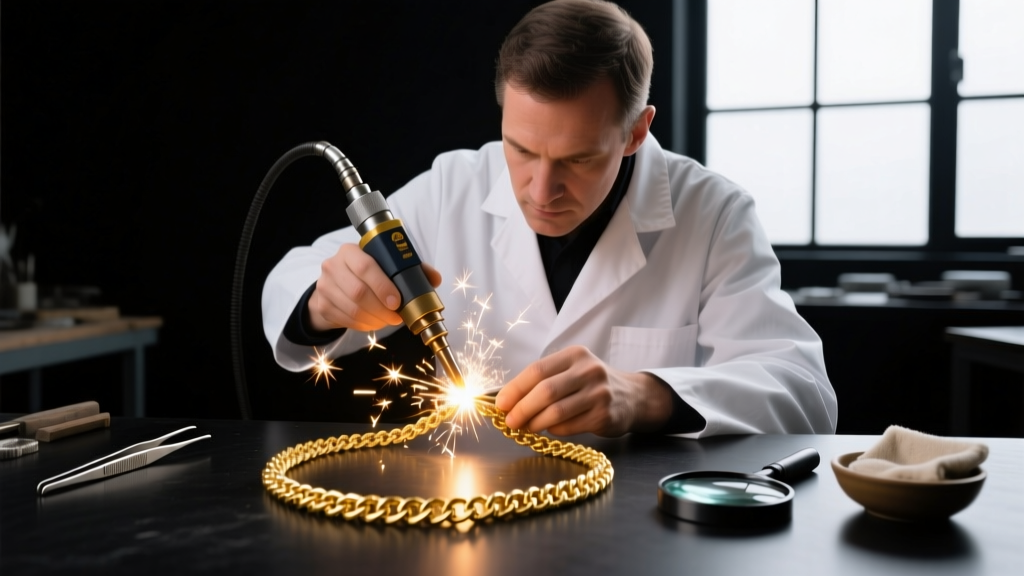
The Anatomy of a Snapped Chain: Assessing the Damage
There are few things more frustrating in jewelry ownership than the sudden, heart-sinking snap of a favorite necklace. Whether it is a delicate 14k gold pendant chain or a heavy sterling silver curb link, understanding the mechanics of the break is the first step in a successful broken necklace repair. Before you hand your piece over to a bench jeweler, you must identify the failure point. Did the jump ring pull apart? Did the spring ring clasp fail? Or did the chain itself snap mid-link? Chains with a gauge thickness under 1.2mm are highly susceptible to tension breaks, especially when supporting heavy pendants. For daily wear, we always recommend a minimum gauge of 1.5mm to 2.2mm to prevent structural fatigue.
The style of your chain also dictates the repair strategy. Solid curb, Figaro, and cable chains are relatively straightforward to fix because their individual links are robust and distinct. However, hollow rope chains, box chains, and snake chains present unique metallurgical challenges. Snake chains, for instance, are constructed from tightly wound, interlocking micro-links. When a snake chain kinks or breaks, the internal tension is compromised, making traditional repair methods nearly impossible without leaving a permanent, stiff 'dead spot' in the drape of the necklace.
Traditional Torch Soldering vs. Laser Welding: What to Look For
When seeking a broken necklace repair, the technology your jeweler uses will fundamentally impact the longevity and aesthetics of the fix. The two primary methods are traditional torch soldering and modern laser welding. According to the Gemological Institute of America (GIA), understanding these methods helps consumers set realistic expectations for their jewelry restoration.
Traditional Torch Soldering
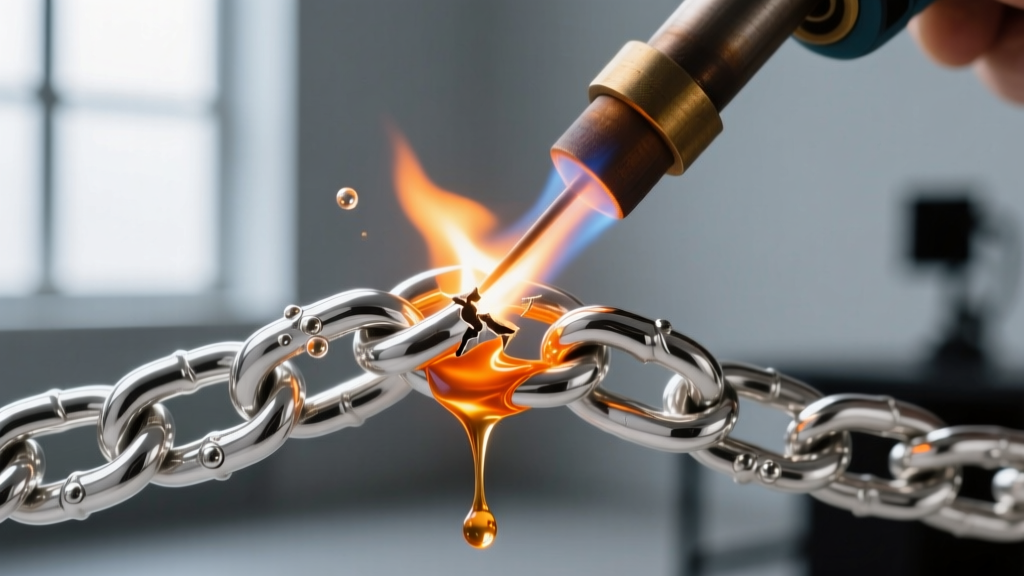
Torch soldering relies on a gas flame to heat the metal and melt a filler alloy (solder) into the break. This method is highly effective for thick, solid chains like sterling silver curbs or 14k gold Figaro links. However, the broad heat application requires the use of chemical flux and can easily damage nearby gemstones through thermal shock. Furthermore, 18k gold and platinum require significantly higher temperatures to solder (platinum melts at a staggering 3,215°F), which increases the risk of oxidizing or warping delicate surrounding links.
Laser Welding Technology
Laser welding utilizes a highly focused beam of light to fuse the exact metal of the chain back together, often without the need for foreign solder. The heat-affected zone is microscopic, meaning a jeweler can weld a broken link just millimeters away from a heat-sensitive gemstone like an emerald or opal without causing damage. Laser welding is the absolute gold standard for hollow chains, box chains, and intricate micro-pave pendant bails.
| Feature | Traditional Torch Soldering | Laser Welding |
|---|---|---|
| Heat Impact | High (requires flux, risks stone damage) | Extremely Low (highly localized beam) |
| Best Chain Types | Solid, thick links (Curb, Figaro, Cable) | Hollow, delicate, box, and snake chains |
| Visible Seam | Moderate (requires filing and polishing) | Minimal to None (fuses base metal) |
| Average Cost Range | $35 - $75 | $85 - $175+ |
How to Choose the Right Jewelry Repair Service
Not all jewelry stores perform repairs in-house. Many retail chains act as middlemen, shipping your broken necklace to a centralized, off-site repair facility. This adds weeks to the turnaround time and increases the risk of loss or miscommunication. When evaluating a jeweler for a broken necklace repair, look for the following credentials and capabilities:
- In-House Bench Jewelers: Always ask, 'Is the repair done on-site by your bench jeweler?' On-site repairs allow you to speak directly to the artisan handling your piece.
- Equipment Transparency: A reputable shop will gladly show you their laser welder and microscope setup. If they only have a traditional soldering bench, they may not be equipped to handle delicate hollow chains.
- Professional Affiliations: Look for jewelers affiliated with recognized industry organizations. The Jewelers of America (JA) maintains a directory of credentialed professionals who adhere to strict ethical and technical standards.
- Microscope Inspection: High-end repair services use gemological microscopes to inspect the chain's structural integrity before and after the weld, ensuring no micro-fractures remain in adjacent links.
Upgrading Your Clasp During the Repair Process
A broken necklace repair is the perfect opportunity to address the root cause of the failure, which is often a substandard clasp. Standard spring-ring clasps are notorious for failing; the internal spring mechanism degrades over time, and the tiny lever is difficult to operate, leading to user error and dropped chains. If your chain broke at the clasp, ask your jeweler to upgrade the finding.
Consider upgrading to a locking lobster clasp or a magnetic safety clasp with a secondary locking mechanism. For heavy gold chains, a box clasp with a figure-eight safety wire provides the ultimate security. While a standard spring ring replacement might cost $25, upgrading to a high-quality, heavy-duty locking lobster clasp in matching 14k gold will typically cost between $65 and $120, but it drastically reduces the likelihood of future loss.
Broken Necklace Repair Cost Breakdown
Pricing for necklace restoration varies wildly based on the metal's melting point, the chain's complexity, and the required technology. Below is a realistic cost guide for professional repairs in the current market:
- Simple Jump Ring / Clasp Solder (Silver/Gold): $25 - $45
- Mid-Chain Solder (Solid 10k/14k Gold): $45 - $85
- Laser Weld (Hollow Gold, Box, or Rope Chains): $90 - $175
- Platinum Chain Welding: $130 - $250 (Platinum requires specialized argon gas shielding and high-power laser pulses to prevent porosity in the weld).
- Snake Chain Restructuring: $100 - $200 (Often involves cutting out the damaged section and soldering a custom tube link to bridge the gap).
When to Replace Instead of Repair: The 50% Rule
As a buying guide principle, we advocate the '50% Rule' for jewelry restoration. If the cost of the broken necklace repair exceeds 50% of the cost to replace the chain with a brand-new, equivalent piece, you should strongly consider replacing it instead. This is especially true for hollow chains and gold-plated or gold-vermeil pieces. Laser welding a gold-plated brass chain will burn off the plating at the weld site, requiring expensive re-plating that may still result in color mismatching.
Furthermore, if your chain has suffered multiple breaks in a short period, the metal has likely succumbed to work-hardening and structural fatigue. No amount of soldering will save a chain that is fundamentally compromised. In these cases, invest in a new, solid-link chain with a robust gauge. When purchasing a replacement, prioritize solid construction over hollow aesthetics; a solid 1.5mm 14k gold cable chain will outlast a 3mm hollow rope chain by decades, providing a secure foundation for your most cherished pendants.


