How to Choose a Stainless Steel Gold Necklace That Won't Tarnish
Learn how to choose a durable stainless steel gold necklace. We explain PVD coating, 316L grades, and how to avoid tarnished jewelry in this beginner guide.

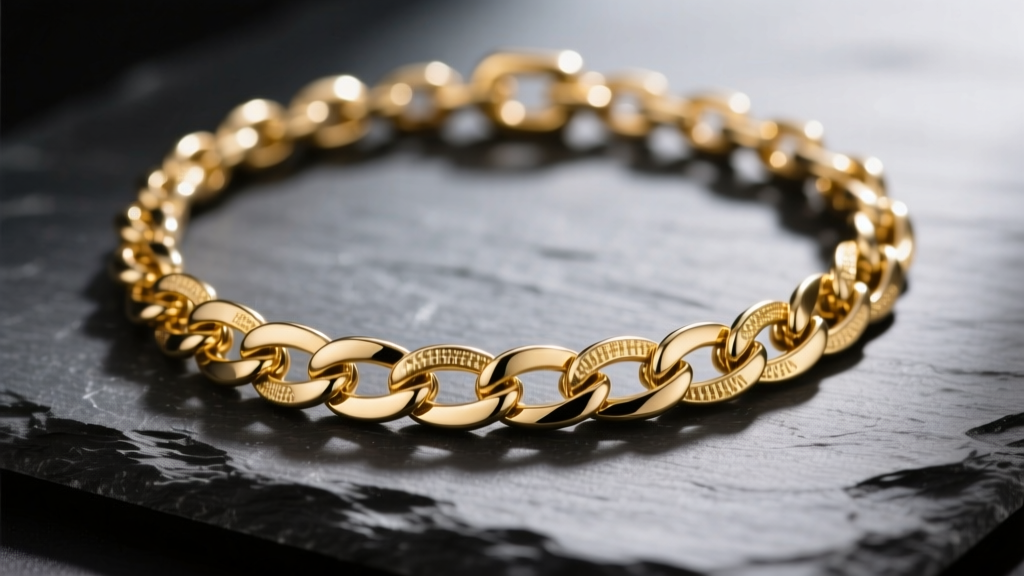
The Rise of the Stainless Steel Gold Necklace
If you have ever bought an affordable gold-plated chain only to watch it turn your skin green and fade to a dull brass within three months, you are not alone. The jewelry market is flooded with low-quality base metals masked by microscopic layers of gold. Enter the stainless steel gold necklace—a category of jewelry that has completely disrupted the affordable luxury market. But not all stainless steel is created equal, and the method used to apply the gold color dictates whether your necklace will last three weeks or three decades. In this beginner-friendly explainer, we are going deep into the metallurgy, coating technologies, and structural details you need to know to buy a stainless steel gold necklace that actually holds up to daily wear.
Why 316L Surgical Steel is the Only Base Metal You Should Accept
When shopping, you will see terms like 'surgical steel' or 'stainless steel' thrown around loosely. From a metallurgical standpoint, you need to look specifically for 316L stainless steel. Standard stainless steel (like the 304 grade used in kitchen sinks) contains roughly 18% chromium and 8% nickel. While durable, it is highly susceptible to pitting and corrosion when exposed to chlorides—meaning your sweat, swimming pool water, and ocean salt will eventually cause it to rust and degrade.
316L stainless steel, however, is alloyed with 2% to 3% molybdenum. This specific elemental addition drastically increases its resistance to localized corrosion. Furthermore, the 'L' stands for low carbon, which prevents carbide precipitation during the manufacturing and welding processes, ensuring the metal remains entirely stable and hypoallergenic. If a brand does not explicitly state they use 316L or surgical-grade stainless steel, assume they are using cheaper 304 alloys that will eventually compromise the gold finish from the inside out.
The Secret to the Color: PVD Coating vs. Electroplating
The base metal is only half the battle. The true secret to a long-lasting stainless steel gold necklace lies in how the gold color is applied. Historically, jewelry was electroplated—a process where the metal is submerged in a chemical bath and an electrical current bonds a microscopic layer of gold to the surface. Electroplating on steel is notoriously unreliable; it chips, flakes, and wears away rapidly due to the differing molecular structures of the base and the coating.
Today, premium brands use PVD (Physical Vapor Deposition). According to materials science research detailed by AZoM, PVD involves placing the stainless steel jewelry into a high-temperature vacuum chamber. Inert gases like argon are introduced, and a target material (often real 14k gold or titanium nitride, which mimics the exact hue of gold) is vaporized at an atomic level. These vaporized atoms travel across the vacuum and embed themselves directly into the microscopic pores of the stainless steel.
Why PVD is Vastly Superior
- Molecular Bonding: Unlike electroplating which sits on top of the metal, PVD penetrates the surface, meaning it will never flake or peel off in sheets.
- Hardness: PVD coatings, especially those utilizing titanium nitride under-layers, are significantly harder than the base stainless steel, offering immense scratch resistance.
- Thickness and Longevity: A standard PVD coating ranges from 0.5 to 2.5 microns thick. While this sounds thin, because it is molecularly bonded, a 1-micron PVD coat will easily outlast a 5-micron electroplated coat, surviving years of daily wear without showing the silver base metal.
Quick Comparison: PVD Stainless Steel vs. Traditional Alternatives
To understand where the stainless steel gold necklace fits into your jewelry box, here is a data-driven comparison against other common market options.
| Feature | PVD 316L Stainless Steel | Gold Plated Brass/Copper | Solid 14k Gold |
|---|---|---|---|
| Average Price | $30 - $85 | $15 - $40 | $350 - $800+ |
| Water Resistance | Excellent (Shower safe) | Poor (Tarnishes quickly) | Excellent |
| Hypoallergenic | Yes (Nickel-safe) | No (Often causes green skin) | Yes |
| Lifespan of Finish | 2 to 10+ Years | 3 to 12 Months | Lifetime |
| Scratch Resistance | High | Very Low | Moderate (Gold is soft) |
How to Spot a High-Quality Stainless Steel Gold Necklace
When browsing online or in-store, use this actionable checklist to separate the premium pieces from the cheap dropshipped knockoffs:
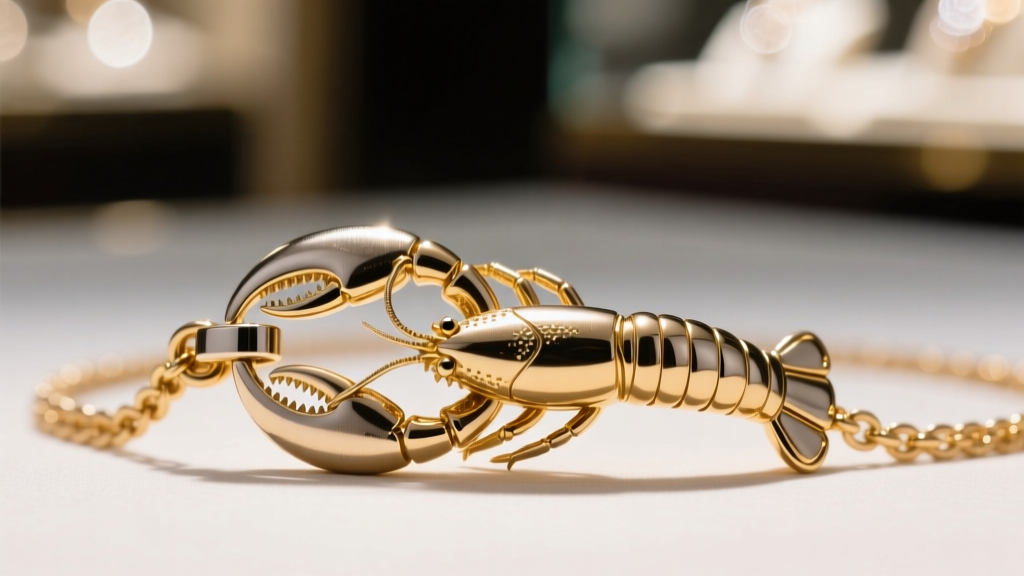
- Check the Clasp Hardware: High-quality chains use cast lobster claw clasps rather than stamped sheet-metal spring rings. Cast clasps are solid, heavier, and won't snap under the tension of a thicker chain. Ensure the clasp itself is also PVD coated; a gold chain with a silver clasp is an immediate red flag for poor quality control.
- Look for the Stamps: While stainless steel doesn't have karat stamps like solid gold, reputable manufacturers will laser-engrave '316L', 'Surgical Steel', or 'St. Steel' on the back of the clasp or on a small tag near the closure.
- Verify the FTC Terminology: The Federal Trade Commission (FTC) Jewelry Guides strictly regulate how gold thickness is marketed. If a brand claims 'heavy gold electroplate' on a steel chain, be skeptical. Look for brands that transparently advertise 'PVD coated' or 'vacuum ion plated'.
- Assess the Chain Weight: A durable everyday chain (like a 3mm to 5mm Cuban link or Figaro) should have a noticeable, substantial weight in your hand. If it feels like hollow plastic or feather-light aluminum, the links will easily crush and deform.

Real-World Failure Modes: What Actually Ruins Stainless Steel?
While a stainless steel gold necklace is often marketed as 'indestructible' or '100% waterproof,' it is crucial to understand its actual failure modes. Water, sweat, and showering will not ruin a 316L PVD chain. However, friction and abrasion will.
The number one cause of PVD wear is not chemical corrosion; it is mechanical friction. Sleeping in a chain rubs the gold layer against your bedsheets and pillowcases night after night, eventually polishing the PVD layer right off the high-contact points.
Other Failure Modes to Avoid:
- Chlorine Exposure: While 316L is highly resistant to chlorides, prolonged submersion in heavily chlorinated hot tubs or swimming pools can eventually cause micro-pitting in the steel, which disrupts the PVD layer above it.
- Abrasive Polishing Cloths: Never use a silver polishing cloth or any chemically treated jeweler's cloth on a PVD necklace. These cloths contain mild abrasives designed to strip tarnish, which will aggressively strip your gold PVD coating as well. Use only warm water, mild dish soap, and a microfiber cloth.
- Tight Collars and Seatbelts: Wearing a choker-length stainless steel chain under tight turtlenecks or allowing a seatbelt to constantly saw against the links will accelerate mechanical wear on the front of the chain.
Pricing Tiers: What Should You Pay in 2026?
Understanding the market pricing will help you avoid overpaying for marketing hype or underpaying for dangerous base metals.
- Budget Tier ($15 - $25): Usually found on massive e-commerce marketplaces. These are often 304 stainless steel with flash electroplating. They will look great for a month but will likely fade and cause skin irritation.
- Mid-Tier ($35 - $85): The sweet spot for direct-to-consumer jewelry brands. You will get genuine 316L steel, proper PVD coating, and reliable cast clasps. This is where you should be shopping for everyday staples.
- Premium Designer Tier ($90 - $150+): You are paying for brand prestige, unique pendant designs, and sometimes the inclusion of lab-grown diamonds or cubic zirconia accents. The base materials are identical to the mid-tier, but the craftsmanship and warranty support are usually superior.
Final Thoughts on Building Your Collection
A stainless steel gold necklace is arguably the smartest investment you can make for your everyday jewelry rotation. It bridges the gap between the fleeting lifespan of cheap fashion jewelry and the prohibitive cost of solid gold. By insisting on 316L surgical steel, demanding PVD coating technology, and treating the chain with basic mechanical care, you can secure a brilliant, tarnish-free gold aesthetic that will easily survive years of daily wear. Stop replacing faded chains every six months and upgrade to a metallurgical standard that actually works for your lifestyle.


