Jazz Chisholm Necklace Style: A Technical Guide to Iced-Out Chains
An expert technical breakdown of the Jazz Chisholm necklace style, covering gold alloys, pavé diamond settings, and clasp engineering for heavy chains.

The Jazz Chisholm necklace aesthetic has become synonymous with modern sports luxury, representing a tier of high-carat, heavy-gram-weight jewelry characterized by diamond-encrusted Cuban links and custom name pendants. As an athlete known for his distinct flair on and off the diamond, Chisholm’s jewelry choices highlight the complex intersection of metallurgical durability and high-impact visual brilliance. However, replicating or investing in this specific style requires more than just a large budget; it demands a rigorous understanding of chain geometry, alloy tensile strength, and micro-pavé setting mechanics. In this expert deep dive, we deconstruct the technical specifications that define the ultimate iced-out athletic necklace in 2026.
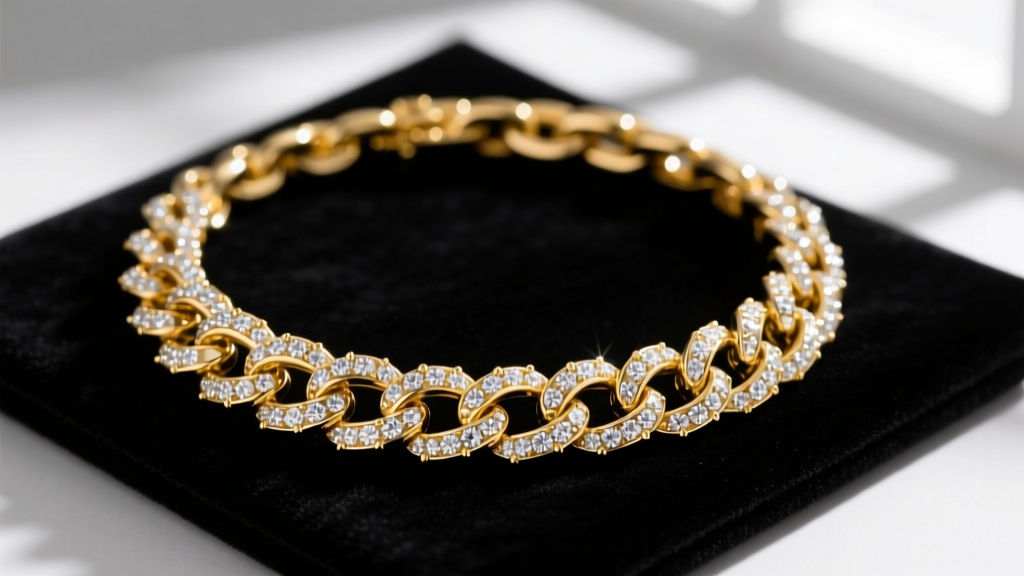
The Anatomy of the Miami Cuban Link
The foundation of the Jazz Chisholm necklace style is the Miami Cuban link. Unlike standard cable or figaro chains, the Miami Cuban is engineered for maximum surface area and light reflection. The links are tightly interlocked, twisted, and then diamond-cut (flat-filed) on the top and bottom surfaces. This filing process creates a seamless, ribbon-like drape that sits flush against the clavicle.
For a chain that mirrors the proportions worn by professional athletes, the width typically ranges from 12mm to 18mm. At these dimensions, the structural integrity of the link joints becomes critical. A high-quality 14mm Miami Cuban chain measuring 22 inches in length will weigh between 140 and 180 grams. This massive gram weight introduces significant tensile stress on the lower links and the clasp assembly, dictating the specific metallurgical requirements discussed below.
Metallurgy & Base Materials: 10K vs. 14K vs. 18K Gold
When casting heavy chains and custom pendants, the karatage of the gold alloy dictates both the visual warmth of the piece and its resistance to mechanical deformation. According to the Federal Trade Commission (FTC) Jewelry Guides, the alloy composition must be strictly regulated, but jewelers manipulate the remaining percentage (copper, zinc, silver, and nickel) to alter the Vickers hardness of the final piece.
| Alloy | Gold Content | Vickers Hardness (Approx.) | Tensile Suitability for Heavy Chains | Oxidation & Tarnish Risk |
|---|---|---|---|---|
| 10K Gold | 41.7% | 130-140 HV | Excellent (High rigidity) | High (Prone to copper oxidation) |
| 14K Gold | 58.5% | 110-125 HV | Optimal (Industry standard for sports chains) | Moderate (Requires occasional polishing) |
| 18K Gold | 75.0% | 85-95 HV | Poor (Links will stretch under 150g+ weight) | Low (Highly resistant to tarnish) |
For the Jazz Chisholm necklace style, 14K gold is the undisputed technical choice. While 18K gold offers a richer, deeper yellow hue, its lower Vickers hardness means that a heavy 150-gram chain will literally stretch and elongate under its own weight over time, leading to warped links and eventual structural failure. Conversely, 10K gold is incredibly hard but contains high levels of copper and zinc, which can cause galvanic reactions (contact dermatitis) when exposed to heavy athletic sweat.
Stone Selection: Micro-Pavé Melee Diamonds
The "iced-out" look relies entirely on micro-pavé settings using melee stones—diamonds weighing between 0.01 and 0.05 carats each. The setting process involves drilling precise conical seats into the gold links and raising microscopic beads of gold to secure the stones' girdles. This technique maximizes the visible diamond surface area while minimizing the visibility of the metal.
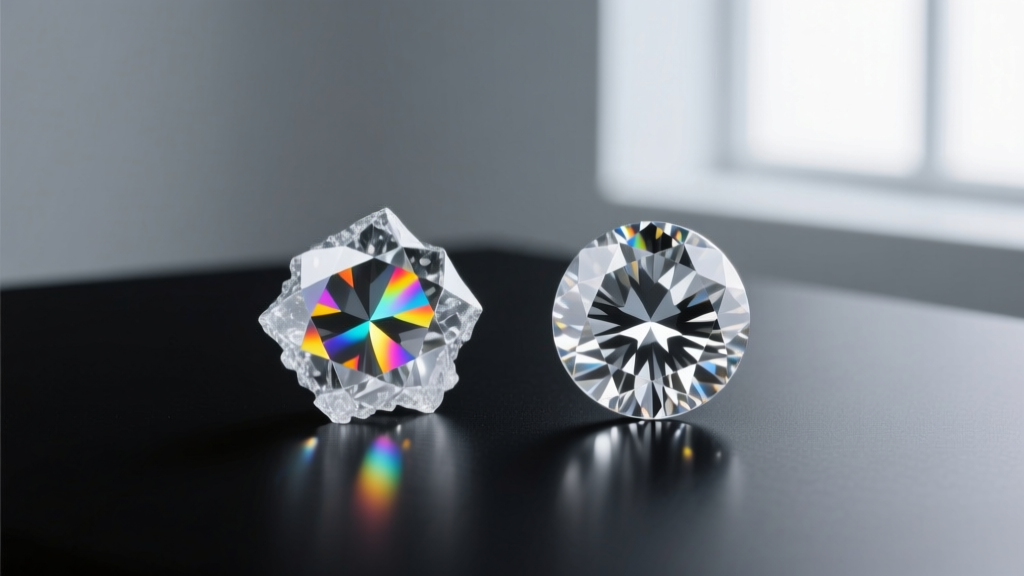
When sourcing stones for athletic jewelry, buyers must choose between natural diamonds, lab-grown diamonds, and moissanite. The Gemological Institute of America (GIA) notes that while lab-grown diamonds share the exact chemical and optical properties of natural diamonds, their market pricing for melee sizes has dropped significantly, making them the preferred choice for high-coverage pavé work in 2026.
Comparative Gemology: Lab Diamonds vs. Moissanite
- Lab-Grown Diamonds: Mohs hardness of 10. Single refraction. Provides the crisp, sharp scintillation expected in high-end sports jewelry. Ideal for pieces meant to retain generational value.
- Moissanite: Mohs hardness of 9.25. Double refraction (birefringence). Creates a "disco ball" effect with intense fire. While visually striking, the double refraction can make smaller melee stones look slightly blurry or "crushed" to a trained gemologist's eye.
- Setting Failure Modes: Because moissanite is cut with slightly different girdle thicknesses than standard diamond melee, jewelers must manually adjust the pavé beads. Improperly seated moissanite in athletic chains is highly susceptible to popping out upon impact with a baseball bat or equipment.
Clasp Engineering & Failure Points
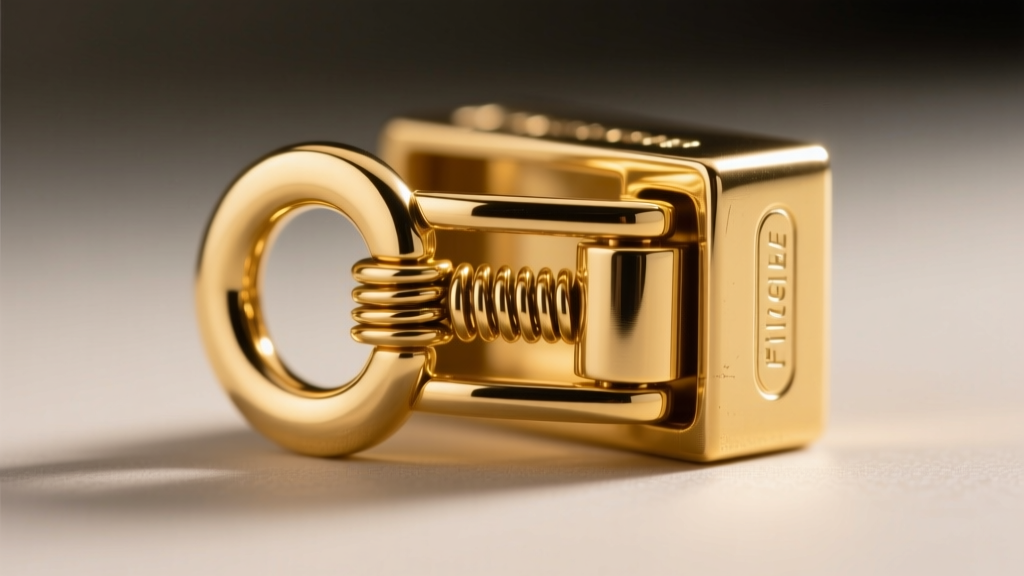
The most critical point of failure in any heavy chain is the clasp. A standard lobster clasp is entirely insufficient for a chain weighing over 100 grams; the lever mechanism will bend, and the jump ring will pull apart. The Jazz Chisholm necklace style mandates the use of a box clasp with double figure-8 safety latches.
A box clasp operates on a tongue-and-groove mechanism. A folded, leaf-spring piece of metal (the tongue) is compressed and inserted into a hollow box until it snaps into a recessed groove. The primary failure mode for this clasp is saline corrosion and spring fatigue. Athletic sweat is highly saline and acidic. Over time, sweat infiltrates the box clasp, crystallizing inside the mechanism and degrading the leaf spring's tension. When the spring loses its memory, the tongue slips out of the groove, resulting in a dropped chain.
Expert Troubleshooting: To prevent box clasp failure, flush the mechanism with distilled water after heavy sweating, and apply a microscopic drop of synthetic watch oil to the leaf spring hinge every six months to displace moisture and maintain spring tension.
Sizing, Ergonomics, and Pendant Integration
When pairing a custom name pendant or a diamond-encrusted cross with a thick Cuban link, the chain's length and the pendant's bail size must be mathematically matched. A 14mm chain requires a bail (the loop that attaches the pendant to the chain) with an internal clearance of at least 16mm to allow the chain to drape naturally without kinking.
If the bail is too tight, the chain will bunch up at the nape of the neck, causing uneven weight distribution and accelerated wear on the links directly adjacent to the pendant. For optimal ergonomics, athletes typically opt for a 22-inch to 24-inch length, which places the pendant squarely on the sternum, distributing the 200+ gram total weight evenly across the trapezius muscles rather than concentrating it on the cervical spine.
Maintenance and Ultrasonic Cleaning Protocols
Maintaining the brilliance of an iced-out chain requires strict adherence to proper cleaning protocols. While ultrasonic cleaners are standard in the jewelry industry, they pose a severe risk to micro-pavé athletic chains. The high-frequency acoustic cavitation bubbles generated by ultrasonic cleaners can easily shake loose the microscopic gold beads holding the melee stones, especially if the chain has sustained micro-impacts during sports.
Instead, the recommended protocol for deep cleaning a heavy Cuban link chain is as follows:
- Submerge the chain in a warm bath of distilled water and a few drops of ammonia-free, phosphate-free dish degreaser for 15 minutes.
- Use a soft-bristled infant toothbrush to gently agitate the pavé settings and the interior of the links, working in the direction of the chain's drape to avoid bending the micro-prongs.
- Rinse thoroughly with distilled water to prevent hard water mineral deposits from dulling the diamond-cut facets of the gold.
- Dry using a high-pressure air duster or a microfiber cloth, ensuring no lint is trapped in the box clasp mechanism.
Ultimately, the Jazz Chisholm necklace style is a masterclass in functional luxury. By prioritizing 14K gold for tensile strength, utilizing precision box clasps to mitigate mechanical failure, and selecting lab-grown melee diamonds for optimal pavé coverage, collectors and athletes can secure a piece of jewelry that withstands the rigors of professional sports while maintaining uncompromising visual impact.


