Broken Pearl Necklace Repair: Technical Restringing Guide
Discover why your broken pearl necklace failed and learn the technical details of professional silk restringing, knotting, and French wire finishing.

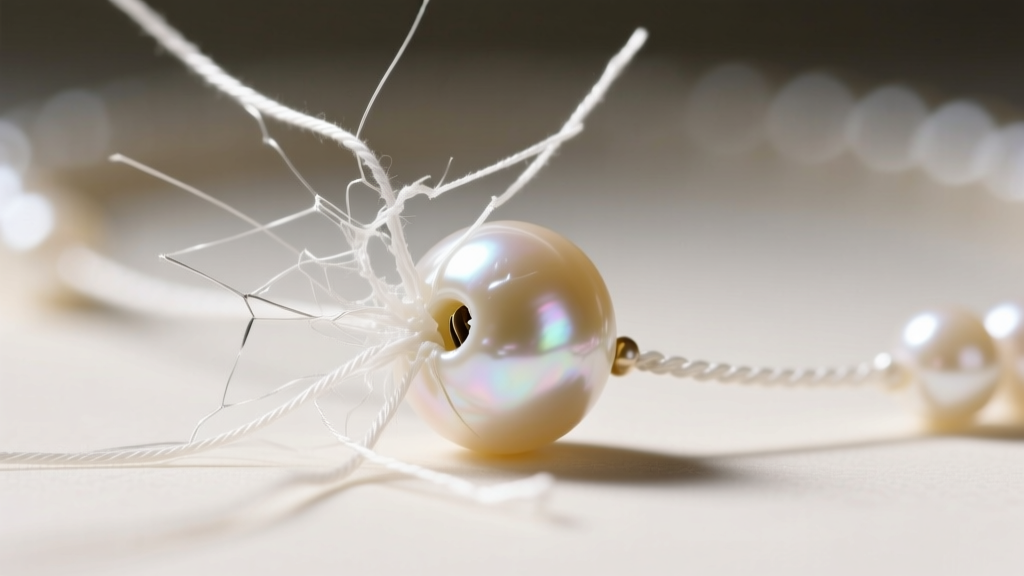
A snapped strand of pearls is a jewelry owner's worst nightmare. When a broken pearl necklace scatters across a hardwood floor, the immediate panic is often followed by a critical question: why did it fail, and how can it be properly restored? Pearl restringing is not merely about threading beads onto a string; it is a precise technical discipline that requires an understanding of material science, tensile strength, and friction dynamics. In this expert deep dive, we dissect the anatomy of pearl necklace failures, evaluate thread specifications, and outline the exact protocols for professional-grade restringing.
The Anatomy of a Pearl Necklace Failure
To understand how to repair a broken pearl necklace, we must first diagnose the failure mode. Traditional pearl necklaces are strung on natural silk thread, a protein-based fiber composed primarily of fibroin. While silk offers an unparalleled drape and luster-enhancing backdrop, it is highly susceptible to environmental and chemical degradation.
- Tensile Fatigue and Stretching: Silk has a natural elasticity. Over years of wear, the weight of the pearls and the tension of the clasp cause the silk to stretch—sometimes up to 1.5 inches on a standard 18-inch strand. This stretching creates gaps between the knots and the pearls, allowing dirt and skin oils to infiltrate the drill holes, which act as microscopic saws against the thread.
- Chemical Degradation: Human perspiration has a pH ranging from 4 to 7. The acidity, combined with the alkaline compounds found in cosmetics, perfumes, and lotions, breaks down the protein bonds in the silk. According to the Gemological Institute of America (GIA), exposure to harsh chemicals is the leading cause of premature silk rot.
- Friction at the Clasp: The highest point of mechanical stress on any necklace is the clasp ring. If the silk is not protected by a metal guard, the repetitive opening and closing of the clasp, combined with the sharp interior edge of a jump ring, will eventually slice through the fibers.
Thread Selection: Silk vs. Synthetic Alternatives
When restoring a broken pearl necklace, the choice of stringing material dictates the longevity and drape of the final piece. While synthetic threads like PowerPro (braided polyethylene) offer superior tensile strength and zero stretch, they are often too stiff for fine Akoya or South Sea pearls, resulting in a rigid, unnatural drape. Natural silk remains the gold standard.
Professional jewelers typically use Griffin Natural Silk or Beader's Secret threads. Selecting the correct thread size relative to the pearl's drill hole diameter is critical. If the thread is too thin, the knots will pull through the drill hole. If it is too thick, the friction of forcing it through the pearl will fray the fibers.
| Pearl Drill Hole | Thread Size | Thread Diameter | Recommended Use |
|---|---|---|---|
| 0.50mm - 0.60mm | Size 0 or 1 | 0.20mm - 0.25mm | Small seed pearls, keshi pearls |
| 0.65mm - 0.75mm | Size 2 or 4 | 0.30mm - 0.35mm | Standard 6-8mm Akoya, Freshwater |
| 0.80mm - 0.90mm | Size 6 or 8 | 0.40mm - 0.50mm | Large South Sea, Tahitian pearls |
| 1.00mm+ | Size 10 or 12 | 0.60mm - 0.70mm | Oversized baroque or Mabe pearls |
The Restringing Process: Step-by-Step Technical Breakdown
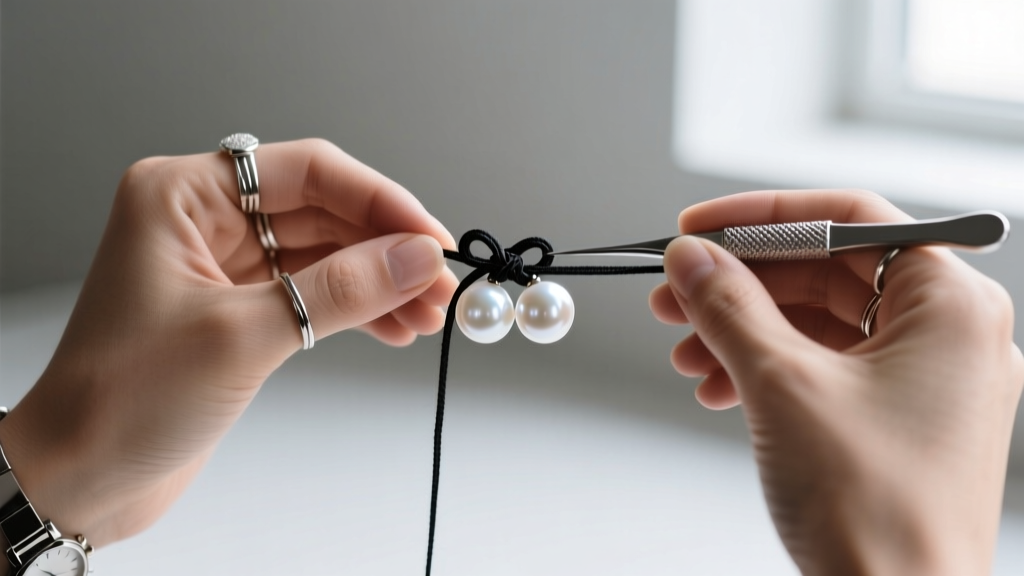
Professional restringing is a multi-stage process that goes far beyond simply tying knots. It requires specialized tools and an understanding of structural jewelry mechanics.
Pre-Stretching the Silk
Before a single pearl is threaded, the silk must be pre-stretched. Jewelers achieve this by hanging a moderate weight from the spooled thread or pulling it taut between two fixed points. This process aligns the fibroin molecules and removes the initial elasticity, ensuring the necklace will not sag or develop gaps within the first few months of wear.
French Wire (Gimp) Application
To prevent the clasp from cutting the silk, professionals use French wire, also known as gimp or bullion. This is a microscopic, tightly coiled metal spring—usually fine silver, gold-filled, or sterling silver—with an outside diameter of 0.8mm to 1.2mm. The silk thread is passed through the hollow center of the coil before looping through the clasp ring. This creates a sacrificial metal barrier that absorbs 100% of the mechanical friction, virtually eliminating the risk of a break at the clasp.
The Overhand Knot Technique
Every pearl must be separated by a tight, uniform overhand knot. This serves two purposes: it prevents pearl-to-pearl nacre friction, and it ensures that if the necklace breaks again, only one or two pearls are lost. Master stringers use a specialized bead awl or an electric pearl knotter to push the knot flush against the pearl. A gap of even 0.5mm between the knot and the pearl is considered a structural failure, as it allows debris to enter the drill hole and compromises the visual symmetry of the strand.
Cost Analysis: Professional Restringing vs. DIY
When faced with a broken pearl necklace, many owners consider DIY repair kits. However, achieving professional-grade knot tension requires years of muscle memory and specialized awls. Here is a realistic breakdown of the costs associated with professional restoration:
- Standard Knotting (Silk): $3.00 to $6.00 per inch. An 18-inch princess strand will typically cost between $54 and $108.
- French Wire Application: Often included in the per-inch cost, but may incur a $15 to $25 flat fee if replacing existing wire.
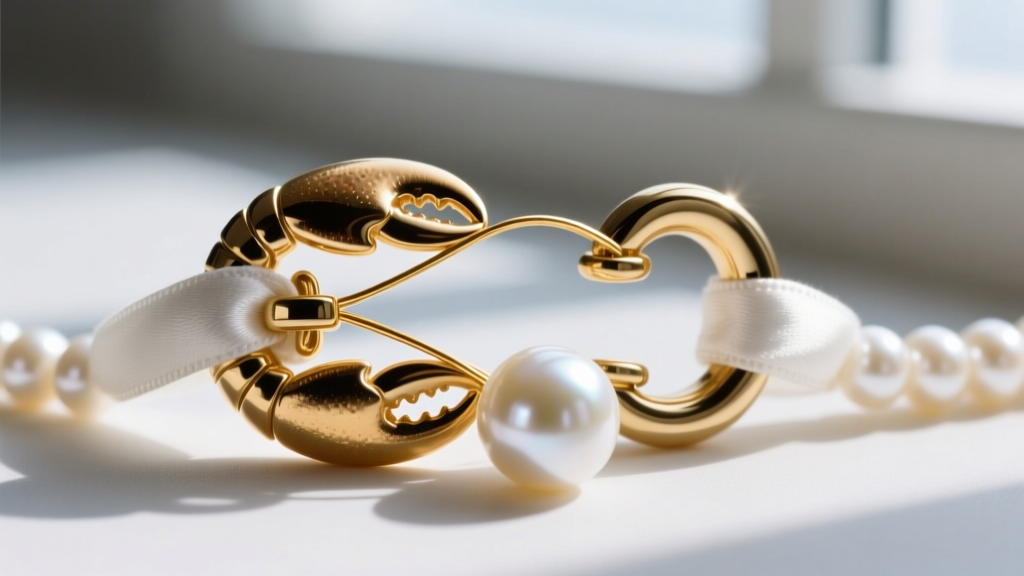
- Clasp Replacement: If the original clasp is damaged or lacks a proper safety catch, upgrading to a 14k gold lobster or filigree box clasp will add $40 to $150+ depending on the metal weight and gemstone accents.
- Drill Hole Reaming: If the pearls have uneven or tight drill holes (common in vintage pieces), a jeweler may need to ream them to a uniform 0.75mm using a diamond-coated twist drill, adding $2 to $5 per pearl.
Preventative Maintenance and Storage Protocols
Once your broken pearl necklace has been professionally restored, implementing strict maintenance protocols will maximize the lifespan of the new silk. Never store a pearl necklace hanging on a jewelry tree; the constant gravitational pull will stretch the silk prematurely. Always store the strand flat in a soft chamois pouch, isolated from harder gemstones like diamonds or sapphires that can scratch the nacre.
"The longevity of a pearl necklace is determined not just by the quality of the nacre, but by the microscopic environment within the drill hole. Keep silk dry, keep knots tight, and avoid all chemical exposures."
After wearing, gently wipe the pearls with a damp, lint-free microfiber cloth to remove the day's accumulation of sebum and acidic perspiration. Never use ultrasonic cleaners, steamers, or ammonia-based jewelry dips, as these will instantly dissolve the silk and strip the pearl's orient. With proper technical care and timely restringing every 2 to 3 years for frequently worn pieces, a high-quality pearl necklace will remain structurally sound for generations.


