How to Clean and Care for Your Reaper Tooth Necklace
Learn expert cleaning and maintenance tips for your reaper tooth necklace. Discover how to polish silver, protect resin, and prevent chain tarnish.

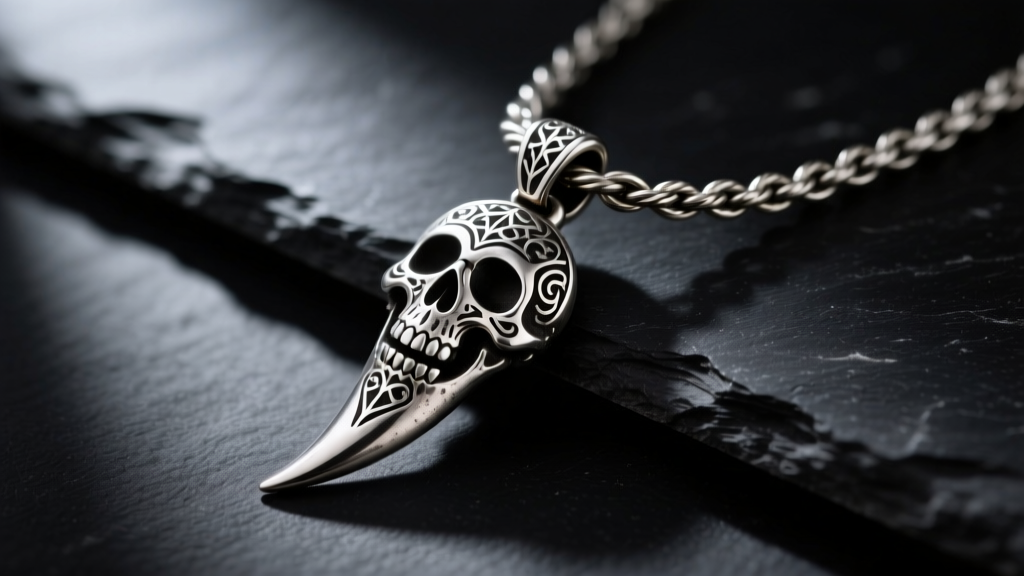
The Anatomy of a Reaper Tooth Necklace: Material Matters
The reaper tooth necklace has evolved from a niche gothic subculture staple into a mainstream alternative fashion statement. Whether styled as a stylized grim reaper fang, a realistic wolf canine, or an abstract bone fragment, these pendants demand specialized care. Unlike smooth, minimalist jewelry, a reaper tooth pendant typically features deep grooves, intentional oxidation, and mixed-media textures that trap sebum, environmental pollutants, and cosmetic residues. To maintain the structural integrity and visual contrast of your piece, you must first identify its core material. The most common variants in 2026 include 925 sterling silver (often heavily oxidized), 316L marine-grade stainless steel, cast polyurethane resin, and ethically sourced organic bone or horn. Each material reacts differently to chemical cleaners, moisture, and friction, meaning a one-size-fits-all approach will inevitably lead to irreversible damage.
Step-by-Step Cleaning Protocols by Material
1. Sterling Silver & Oxidized Silver Fangs
Sterling silver (92.5% pure silver, 7.5% copper alloy) is highly susceptible to tarnishing. The copper reacts with sulfur in the air and on your skin to form silver sulfide, the black film that dulls your pendant. However, many reaper tooth designs utilize intentional oxidation—a chemical process where the jeweler darkens the deep crevices to make the gothic engravings pop.
- The Golden Rule: Never use liquid silver dips or thiourea-based chemical baths. These will strip the intentional oxidation from the crevices, leaving your pendant looking flat and unnaturally white.
- The Cleaning Method: Mix a few drops of ammonia-free dish soap (like Dawn) into lukewarm distilled water. Use a baby toothbrush with ultra-soft bristles to gently agitate the dirt out of the grooves. Rinse with distilled water and pat dry with a microfiber cloth.
- Polishing: To restore shine to the high points without ruining the dark crevices, use a treated polishing cloth (such as a Sunshine Cloth). Gently rub only the raised edges of the tooth. According to the Jewelers of America, abrasive pastes should be avoided on textured silver as they accumulate in the grooves and harden into a white, chalky residue.
2. 316L Surgical Steel & Titanium
If your reaper tooth is crafted from 316L stainless steel or Grade 23 titanium, you are dealing with highly corrosion-resistant metals. These do not tarnish like silver, but they are magnets for skin oils and dead cells, which can cause the pendant to look dull and smell metallic.
- The Cleaning Method: You can safely soak steel and titanium pendants in a 50/50 mixture of warm water and isopropyl alcohol (70%) for 10 minutes. This breaks down sebum and sanitizes the metal. Wipe clean with a lint-free cloth.
- Ultrasonic Warning: While steel can withstand ultrasonic cleaners, if your reaper tooth features inlaid gemstones (like black onyx or red garnet eyes) or epoxy resin accents, the high-frequency vibrations can shatter the stones or delaminate the resin.
3. Cast Resin & Enamel Details
Resin reaper teeth are lightweight and often feature vibrant, translucent colors or metallic powders. However, polyurethane and epoxy resins are highly sensitive to solvents.
- The Danger Zone: Never use alcohol, acetone, or ammonia on resin. These chemicals cause 'micro-crazing'—a network of microscopic fractures that permanently clouds the material and makes it brittle.
- The Cleaning Method: Use a specialized plastic cleaner (like Novus No. 1) applied with a clean cotton swab. For heavy grime, a damp cloth with a pH-neutral soap is your safest bet. Buff gently to restore the glossy finish.
4. Organic Bone & Horn Pendants
Authentic bone and horn are porous, organic materials. They expand and contract with humidity and can harbor bacteria if not maintained properly.
- The Cleaning Method: Never submerge bone in water. Wipe the surface with a barely damp cloth. To nourish the material and prevent cracking, apply a micro-thin layer of microcrystalline wax (such as Renaissance Wax) using a soft brush. The Canadian Conservation Institute recommends microcrystalline wax for organic artifacts because it does not yellow over time and provides a stable barrier against moisture.
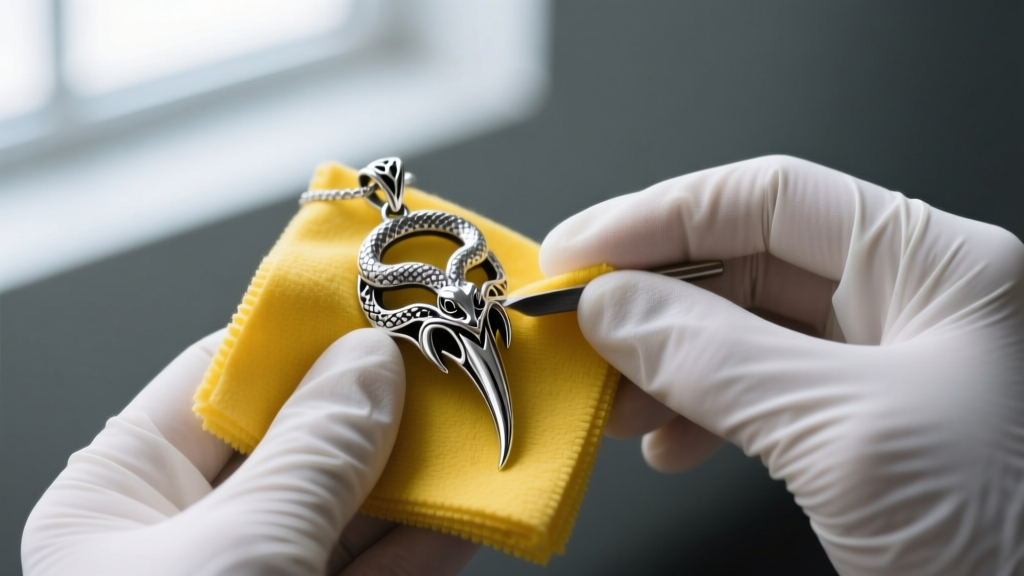
Chain Maintenance: The Unsung Hero of Pendant Care
The chain supporting your reaper tooth necklace requires just as much attention as the pendant itself. The most common failure point in alternative jewelry is the bail—the loop that connects the pendant to the chain. Because the tooth is often heavy and asymmetrical, the bail experiences concentrated friction.
Inspecting the Bail and Links
Every three months, inspect the bail hole for wear. If you are using a sterling silver chain with a silver bail, the friction can slowly file through the metal, leading to a lost pendant. Upgrading to a titanium jump ring or a stainless steel bail insert can drastically extend the life of your necklace. For cable and rope chains, soak them in warm, soapy water and use a soft brush to dislodge trapped debris between the links. Rinse thoroughly and ensure the chain is 100% dry before storage to prevent rust on non-stainless steel components.
The 2026 Storage Matrix: Preventing Tarnish and Scratches
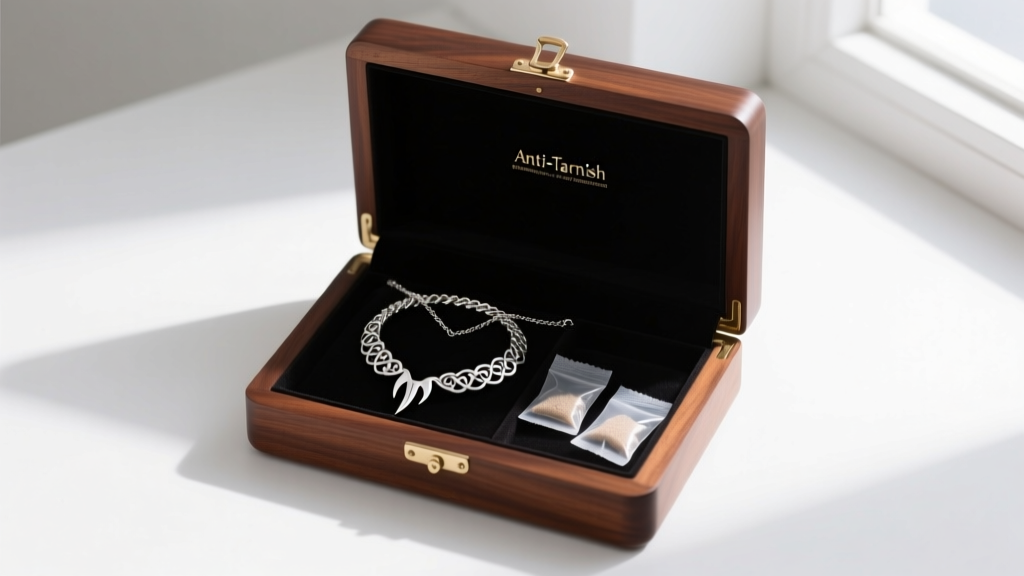
Proper storage is the most effective form of preventative maintenance. Tossing your reaper tooth necklace into a communal jewelry box guarantees scratches on the metal and accelerated tarnishing due to trapped humidity. Below is a structured matrix for optimal storage environments based on pendant material.
| Material | Ideal Storage Environment | Anti-Tarnish Strategy | Humidity Target |
|---|---|---|---|
| 925 Sterling Silver | Airtight zip-lock bag or anti-tarnish cloth pouch | Include a 3M anti-tarnish strip or silica gel packet | Below 50% |
| 316L Steel / Titanium | Soft velvet-lined compartment | Not strictly required, but keep away from chlorides | Ambient |
| Cast Resin | Dark, UV-protected drawer or box | Keep away from extreme heat to prevent warping | Ambient |
| Organic Bone / Horn | Breathable cotton pouch (avoid airtight plastic) | Store with a small humidity buffer (like Boveda pack) | 45% - 55% |
Note: Always store your necklace in a 'figure-eight' coil or lay it completely flat. Hanging heavy reaper tooth pendants on a jewelry tree can stress the chain links over time, causing them to stretch and weaken.
Troubleshooting Common Reaper Tooth Necklace Issues
Even with meticulous care, alternative jewelry faces unique wear-and-tear challenges. Here is how to troubleshoot the most frequent issues reported by collectors and daily wearers.
- Issue: White, chalky buildup in the silver crevices.
Solution: This is usually trapped polishing compound or soap scum. Soak the pendant in a mixture of warm water and a drop of dish soap for 15 minutes. Use a wooden toothpick (never metal, which will scratch the silver) to gently scrape the residue out of the deep grooves. - Issue: The resin tooth has become cloudy and scratched.
Solution: Surface scratches on resin can often be buffed out using a plastic polish and a high-speed rotary tool with a felt bob, or by hand with a micro-mesh sanding pad kit, progressing from 1500 to 12000 grit. Finish with a plastic-safe wax. - Issue: The bone pendant smells musty or sour.
Solution: This indicates bacterial growth trapped in the pores. Wipe the bone with a cloth lightly dampened with white vinegar, let it air dry completely in a well-ventilated area (out of direct sunlight), and then re-seal it with microcrystalline wax. - Issue: The chain clasp is stiff or failing to click shut.
Solution: Lobster and spring-ring clasps often fail due to dried sebum jamming the internal spring mechanism. Place a single drop of sewing machine oil or specialized jewelry lubricant into the clasp hinge. Pump the lever back and forth to distribute the oil, then wipe away any excess.
Expert Sourcing and Professional Maintenance
While daily and weekly maintenance can be handled at home, your reaper tooth necklace may occasionally require professional intervention. If the bail has worn dangerously thin, or if a gemstone inlay has become loose, take the piece to a certified bench jeweler. According to the Gemological Institute of America (GIA), attempting to solder or resize intricate, mixed-metal gothic pieces at home with a butane torch can result in melted resin, shattered stones, and ruined oxidation patterns. A professional jeweler will use a laser welder to repair the bail without applying heat to the surrounding delicate textures. By understanding the specific material science behind your reaper tooth necklace and adhering to these targeted cleaning protocols, you ensure that your piece remains a striking, pristine artifact of alternative fashion for decades to come.


