Troubleshooting Your Sea Charm Necklace: Fix Tarnish & Breaks
Is your sea charm necklace tarnishing or breaking? Learn expert troubleshooting tips to restore shells, fix clasps, and protect beach jewelry from saltwater.

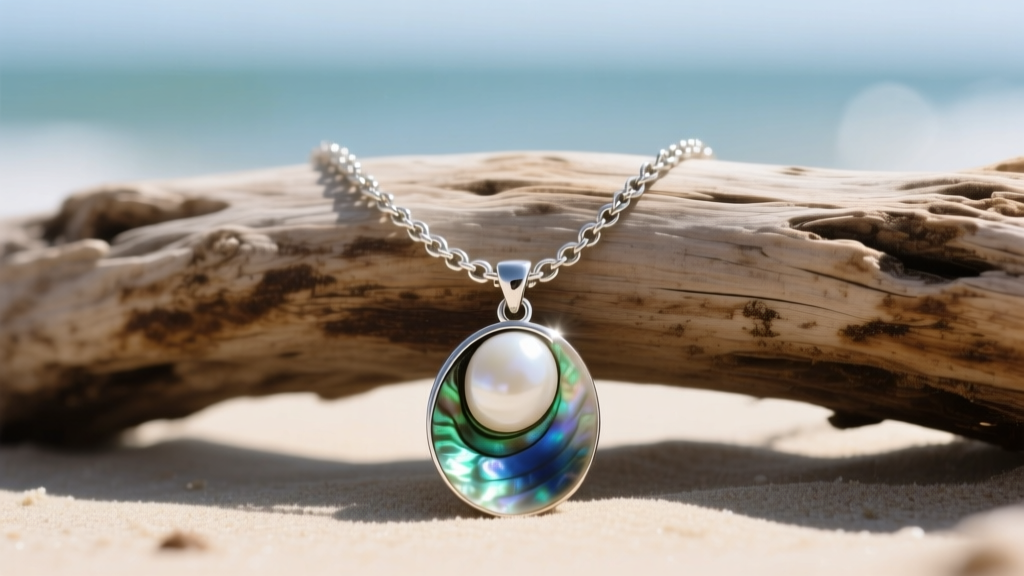
Sea charm necklaces capture the effortless beauty of the coast, but the very environments they are designed for—saltwater, abrasive sand, and intense UV exposure—are highly destructive to fine jewelry. Whether your piece features delicate puka shells, frosted sea glass, or nautical metalwork, wearing oceanic jewelry requires a proactive approach to maintenance. In this comprehensive troubleshooting guide, we will diagnose the most common failure modes of coastal jewelry and provide actionable, expert-level solutions to restore and protect your favorite pieces.
The Unique Vulnerabilities of Oceanic Jewelry
Unlike standard everyday pendants, a sea charm necklace is frequently subjected to a triad of environmental stressors. First, saltwater acts as an electrolyte, accelerating galvanic corrosion in mixed-metal components and rapidly oxidizing silver alloys. Second, sand is primarily composed of quartz (Mohs hardness 7), which easily scratches softer metals, sea glass, and organic gems like pearls or coral. Finally, sunscreen and tanning oils contain chemical filters and emollients that can degrade porous organic materials and create a stubborn, cloudy film over gemstones. Understanding these specific threats is the first step in effective jewelry troubleshooting.
Diagnosing Metal Tarnish and Corrosion
The chain and bail of your necklace bear the brunt of environmental exposure. If your metal is turning black, green, or pitting, you are likely dealing with either sulfide tarnishing or chloride corrosion. According to metallurgical standards outlined by Rio Grande Jewelry Supply, the alloy composition dictates the metal's survival rate in marine environments.
| Metal Grade | Beach Durability | Common Failure Mode | Troubleshooting Fix |
|---|---|---|---|
| 925 Sterling Silver | Low | Rapid black sulfide tarnishing from salt and sweat | Polish with a treated jeweler's cloth; apply a jewelry-safe anti-tarnish nano-coating. |
| 316L Surgical Steel | Very High | Surface salt buildup (does not corrode easily) | Wash with warm water and mild dish soap; dry immediately. |
| Solid 14k/18k Gold | High | Micro-scratches from sand; lotion buildup | Ultrasonic cleaning (if no fragile charms are attached); professional repolishing. |
| Brass / Gold-Plated | Very Low | Plating wears off, exposing brass to rapid verdigris (green corrosion) | Unsalvageable once pitted; replace the chain with solid 14k gold or 316L steel. |
Pro Tip: If you frequently swim in the ocean, upgrade your chain to a 1.2mm to 1.5mm 316L stainless steel or solid 14k gold cable chain. These gauges provide enough tensile strength to resist snapping when caught on seaweed or towel loops, while the specific alloys resist saltwater pitting.
Troubleshooting Fragile Charms: Shells, Sea Glass, and Pearls
The charms themselves often require specialized care, as organic and ocean-tumbled materials behave very differently than faceted gemstones.
Restoring Cloudy Sea Glass
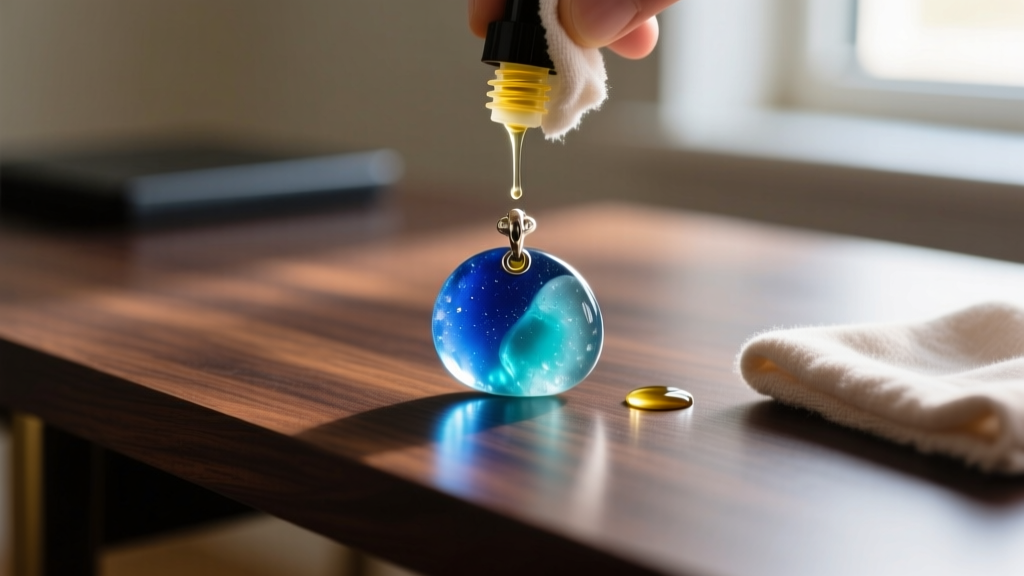
Authentic sea glass gets its frosted appearance from decades of tumbling, but hard water, salt buildup, and sunscreen can cause it to look chalky and dull. The Fix: Soak the sea glass charm in a 50/50 solution of distilled white vinegar and water for exactly 15 minutes. The mild acetic acid dissolves calcium and salt deposits without etching the glass (Mohs 5.5-7). Rinse thoroughly, dry, and massage a single drop of mineral oil into the surface. The oil temporarily matches the refractive index of the glass, restoring its vibrant, ocean-like translucency.
Fixing Cracked or Dull Shell Pendants
Abalone and mother-of-pearl are notoriously brittle, ranking between 2.5 and 4 on the Mohs scale. Micro-cracks often form around the drill hole due to the tension of the chain bail. The Fix: For structural stabilization, apply a thin-viscosity cyanoacrylate (CA glue) directly into the crack using a micro-applicator tip. The glue will wick into the fissure via capillary action. Once cured, buff the shell with a microfiber cloth and a dab of carnauba wax to restore its natural iridescent luster. Never use ultrasonic cleaners on shell charms, as the high-frequency vibrations will shatter the nacre layers.
Pearl Luster Loss and Pitting
If your sea charm necklace incorporates freshwater or Akoya pearls, saltwater and chlorine are their worst enemies. The Gemological Institute of America (GIA) warns that the calcium carbonate structure of pearls is highly reactive to acids and harsh chemicals. If your pearls have lost their luster, they may be suffering from surface etching. While deep etching cannot be reversed, you can restore surface shine by gently wiping the pearls with a damp, lint-free microfiber cloth after every wear. Never attempt to polish pearls with abrasive silver cloths or baking soda pastes, as this will strip the delicate nacre entirely.
Clasp and Chain Failures in Active Environments
A common complaint with beach jewelry is the sudden failure of the clasp. Standard lobster clasps rely on a tiny internal spring mechanism. When fine sand grains infiltrate the clasp housing, they jam the spring, preventing the lever from closing securely. This leads to lost pendants and chains.
The Troubleshooting Protocol:
- Flush the Clasp: Use a can of compressed air or a soft-bristled toothbrush dipped in isopropyl alcohol to dislodge trapped sand from the lobster clasp hinge.
- Lubricate: Apply a microscopic drop of synthetic watch oil to the hinge pin to restore smooth tension.
- Upgrade the Hardware: If you are an active beachgoer, replace the lobster clasp with a screw-lock barrel clasp or a neodymium magnetic clasp (priced between $15 and $40 depending on the metal). These designs lack exposed springs and are virtually immune to sand jamming.
Preventative Maintenance: The Post-Beach Care Protocol
The most effective way to troubleshoot jewelry damage is to prevent it before it sets in. Implement this 3-step post-beach protocol immediately after returning home:
- The Freshwater Rinse: Submerge the entire necklace in a bowl of lukewarm distilled water for 3 minutes to dissolve salt crystals. (Skip this step if the necklace features untreated puka shells or turquoise, which are highly porous; instead, wipe them with a damp cloth).
- The Surfactant Wash: If sunscreen is present, add a drop of pH-neutral Castile soap to the water. Gently agitate the chain using a soft baby toothbrush, paying special attention to the bail and clasp.
- The Forced-Air Dry: Do not let the necklace air-dry, as this leaves water spots on metal and promotes oxidation. Use a hairdryer on the 'cool' setting to blow water out of the chain links and clasp mechanisms, then store the piece in an airtight anti-tarnish ziplock bag with a silica gel packet.
By understanding the material science behind your coastal jewelry and applying these targeted troubleshooting techniques, your favorite pieces will remain as vibrant and resilient as the ocean itself.


