Silver Dollar Necklace Materials: Coin Silver vs Sterling
Compare authentic coin silver, sterling, and base metals for your silver dollar necklace. Learn about tarnish, weight, and durability before you buy.

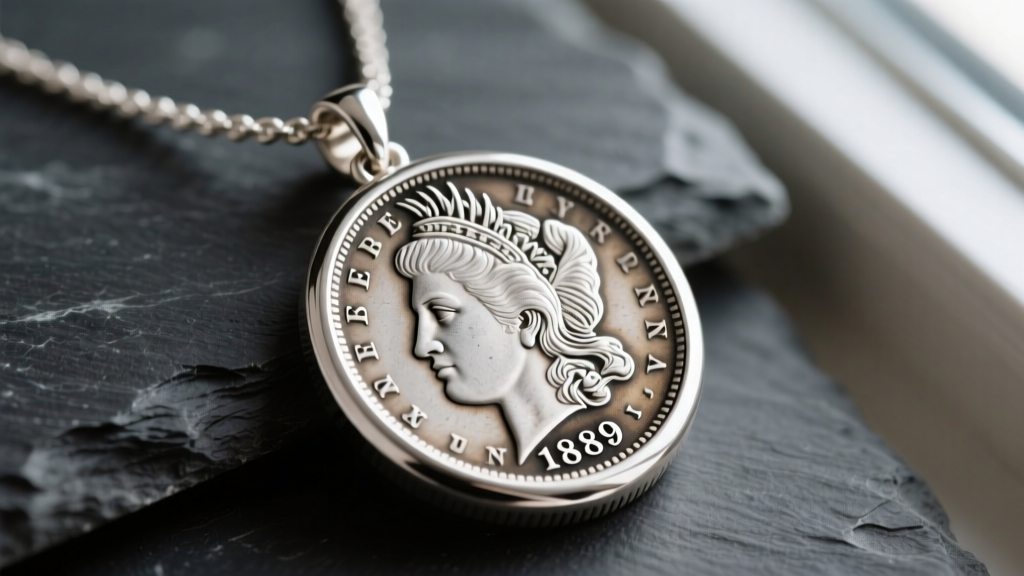
The Allure and Metallurgy of the Silver Dollar Pendant
The silver dollar necklace occupies a unique space at the intersection of numismatic history and contemporary fashion. Whether you are wearing an authentic Morgan or Peace dollar minted in the late 19th and early 20th centuries, or a modern homage cast by a contemporary jeweler, the material composition of the pendant dictates its longevity, patina, and structural integrity. In 2026, as collectors and fashion enthusiasts increasingly prioritize sustainable and historically significant accessories, understanding the exact metallurgical properties of your silver dollar necklace is no longer optional—it is essential for proper care and wearability.
Many consumers mistakenly assume that all 'silver' pendants share identical physical properties. In reality, the difference between historical coinage silver, modern sterling, and base-metal replicas profoundly impacts how the piece reacts to skin chemistry, environmental humidity, and the mechanical stress of daily wear. This guide breaks down the material science behind the silver dollar necklace, equipping you with the technical knowledge to make an informed purchase.
Material Breakdown: Authentic Coin Silver vs. Modern Alloys
To evaluate a silver dollar necklace, we must first define the specific alloys used in its creation. The term 'silver' encompasses a wide spectrum of purity levels, each engineered for different historical or commercial purposes.
90% Coin Silver (The Historical Standard)
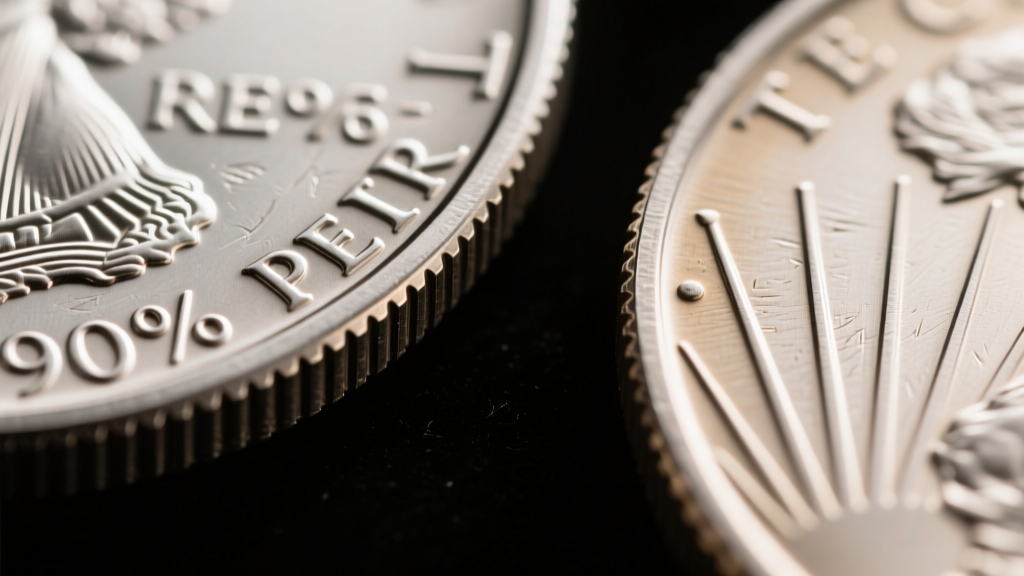
Authentic US silver dollars minted between 1837 and 1935 (including the iconic Morgan and Peace dollars) are composed of exactly 90% silver and 10% copper. This specific alloy was mandated by the Coinage Act of 1837 to ensure the coins were durable enough for circulation. Pure silver (99.9%) is far too soft for daily handling; it scratches easily and loses detail. The 10% copper addition increases the Vickers hardness from roughly 25 HV (pure silver) to approximately 60-65 HV, providing the necessary rigidity to survive decades of commerce. According to the Professional Coin Grading Service (PCGS), a standard Morgan dollar weighs exactly 26.73 grams and measures 38.1 millimeters in diameter. When worn as a necklace, this historical alloy develops a rich, dark patina over time due to the copper content reacting with sulfur in the air and skin oils.
925 Sterling Silver (The Modern Benchmark)
If your silver dollar necklace is a modern replica or a custom-cast homage, it is likely crafted from 925 sterling silver. This alloy consists of 92.5% pure silver and 7.5% copper (or occasionally zinc). Sterling silver is slightly harder and more tarnish-resistant than 90% coin silver due to its lower copper content. Modern jewelers favor sterling for its optimal balance of malleability for casting intricate designs and durability for lifelong wear. The Silver Institute notes that sterling's higher silver content also gives it a marginally brighter, whiter luster compared to the slightly warmer tone of historical coin silver.
Base Metals and Plated Alternatives
The fast-fashion market is flooded with silver dollar pendants made from brass, zinc alloys (Zamak), or stainless steel, subsequently plated with a micro-layer of silver or rhodium. While these pieces capture the visual aesthetic of a silver dollar necklace at a fraction of the cost, they lack the intrinsic value, hypoallergenic properties, and thermal conductivity of solid silver. Once the plating wears through—often within six months of daily friction—the underlying copper or nickel alloys can cause severe contact dermatitis and turn the wearer's skin green.
Comparative Analysis: Tarnish, Weight, and Wearability
Choosing the right metal for your silver dollar necklace requires balancing historical authenticity with practical maintenance. Below is a technical comparison of the most common materials used in coin-style pendants.
| Material Property | 90% Coin Silver (Authentic) | 925 Sterling Silver (Cast) | Brass / Base Metal (Plated) |
|---|---|---|---|
| Composition | 90% Ag, 10% Cu | 92.5% Ag, 7.5% Cu/Zn | Cu/Zn alloy with Ag plating |
| Standard Pendant Weight | 26.73g (plus bezel) | 15g - 30g (variable) | 10g - 20g |
| Tarnish Rate | Moderate to High | Low to Moderate | N/A (Plating wears off) |
| Hardness (Vickers) | ~60 - 65 HV | ~65 - 70 HV | ~80 - 100 HV (Brass) |
| Hypoallergenic | Mostly (Copper allergy rare) | Yes | No (Nickel/Copper exposure) |
| Numismatic Value | High (if undamaged) | Intrinsic Melt Value Only | Zero |
As the data illustrates, authentic coin silver requires more diligent polishing to manage the higher copper-induced tarnish rate. However, many collectors actively seek out the 'toning' (natural oxidation) on authentic coins, viewing it as a protective layer and a mark of historical character.
Preservation vs. Daily Wear: The Bezel Dilemma
If you are purchasing an authentic silver dollar necklace, the method of suspension is the single most critical factor affecting the coin's material integrity and financial value. Historically, jewelers would drill a hole directly through the top of the coin to thread a chain. Never buy a drilled silver dollar. Drilling destroys the numismatic premium instantly, reducing a potentially valuable collectible to mere scrap melt value.
"A genuine Morgan or Peace dollar should only be housed in a pressure-fit or screw-top bezel. Soldered bezels that require heat near the coin's surface can alter the metal's crystalline structure and ruin the mint luster." — Numismatic Conservation Guidelines
Modern bezels are typically crafted from 14k gold or 925 sterling silver and feature a 'coin mount' that grips the coin's edge reeding without adhesives or heat. When evaluating a silver dollar necklace, ensure the bezel allows for the coin to be removed without specialized tools, enabling you to clean the edges and inspect the mint mark periodically.
Chain Pairing: Matching Metallurgy and Gauge
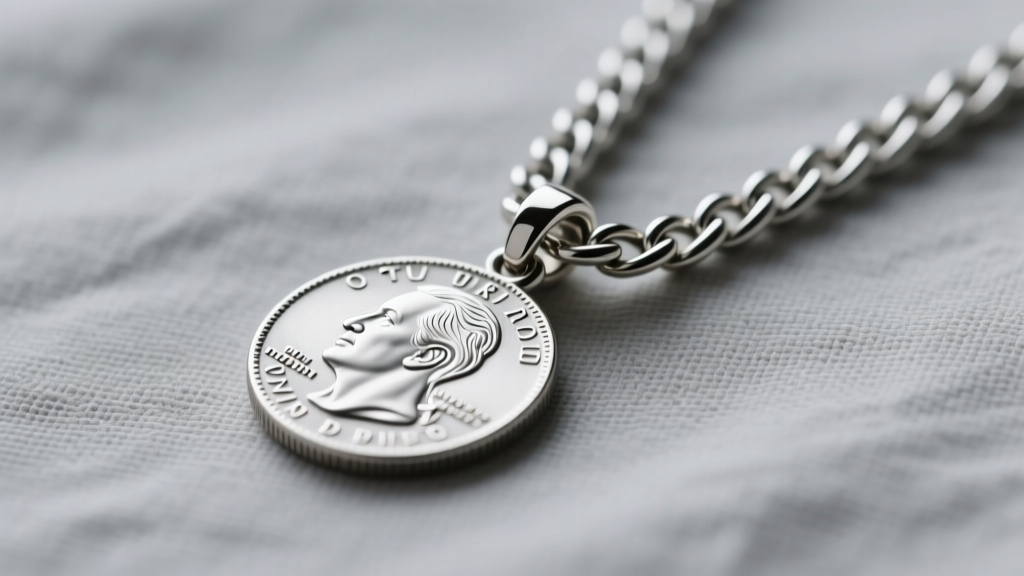
A frequent failure point in silver dollar necklaces is the chain. An authentic Morgan dollar weighs 26.73 grams. Once you add a sterling silver or gold bezel, the total pendant weight easily exceeds 35 grams. Suspending this mass requires specific chain weaves and clasp mechanics to prevent catastrophic failure.
- Recommended Weaves (2.5mm - 4.0mm): Curb, Figaro, and Wheat chains offer superior tensile strength. Their interlocking, flat-link designs distribute the 35g load evenly across multiple contact points, preventing localized stress.
- Avoid These Weaves: Rope chains and hollow box chains. The twisted, intricate links of a rope chain can easily fray or snap under the constant pendulum-like swinging of a heavy silver dollar. Hollow chains will deform and kink within weeks.
- Clasp Mechanics: Discard standard spring-ring clasps immediately. The internal spring mechanism will fatigue under 35g of dynamic movement. Upgrade to a heavy-duty lobster claw or a locking box clasp with a figure-eight safety catch.
Pricing Tiers and Authentication Markers
When shopping for a silver dollar necklace in 2026, pricing is heavily stratified based on material authenticity and coin grading. Expect to pay a baseline premium over the spot price of silver for authentic pieces.
Tier 1: Fashion Replicas ($40 - $120)
These are cast from sterling silver or brass. They lack mint marks, reeded edges, and the precise 26.73g weight. They are ideal for rugged, daily wear where scratching and denting are expected.
Tier 2: Bullion-Grade Authentic ($60 - $150)
These necklaces feature genuine, low-grade (circulated) Morgan or Peace dollars. The silver content is authentic (0.7734 troy oz of pure silver), but the coin lacks collector appeal. The price fluctuates daily with the silver commodities market.
Tier 3: Numismatic-Grade Authentic ($250 - $2,000+)
These feature coins graded MS-60 or higher by PCGS or NGC. The metal surface retains its original mint luster and strike detail. These should be treated as portable investments rather than casual daily jewelry, as friction against clothing will slowly degrade the coin's surface grade over time.
Final Verdict: Which Metal Suits Your Lifestyle?
The ideal silver dollar necklace depends entirely on your wearing habits. If you desire a rugged, everyday piece that you can wear to the beach, in the shower, and while traveling, a 925 sterling silver cast replica is the most practical choice. It offers the iconic aesthetic without the anxiety of damaging a piece of American history. However, if you value historical provenance, metallurgical authenticity, and the unique, warm patina that only 90% coin silver can develop over decades, an authentic, bezel-set Morgan or Peace dollar remains an unparalleled statement piece. By understanding the specific gravity, alloy composition, and structural limits of your chosen metal, you ensure your necklace remains both a beautiful adornment and a lasting legacy.


