Best Metals for a Lion Pendant Necklace: Material Guide
Discover how sterling silver, solid gold, and stainless steel impact the detail, durability, and price of your next lion pendant necklace.

The Anatomy of a Lion Pendant: Why Metal Choice Matters
The lion has been a symbol of courage, royalty, and strength for millennia. When translated into jewelry, a lion pendant necklace requires exceptional craftsmanship to capture the fierce expression and the voluminous, flowing texture of the mane. However, the aesthetic success and longevity of the piece are entirely dictated by the metal alloy used in its creation.
Most high-quality animal pendants are created using lost-wax casting, a process where molten metal is poured into a mold created from a wax original. The fluidity, shrinkage rate, and cooling properties of the chosen metal determine how sharply the microscopic details of the lion's fur and facial features are preserved. Furthermore, the metal's Vickers Hardness (HV) will dictate how well the pendant resists scratching and deformation against the wearer's chest over time. Below, we break down the metallurgical properties of the most common alloys used for lion pendants in 2026.
Sterling Silver (925): The Classic Choice for High-Definition Detail
Sterling silver remains the most popular choice for intricate animal pendants due to its excellent casting fluidity and relatively affordable price point. Composed of 92.5% pure silver and 7.5% copper (or sometimes zinc), this alloy strikes a balance between workability and durability.
Detail Retention and Oxidation
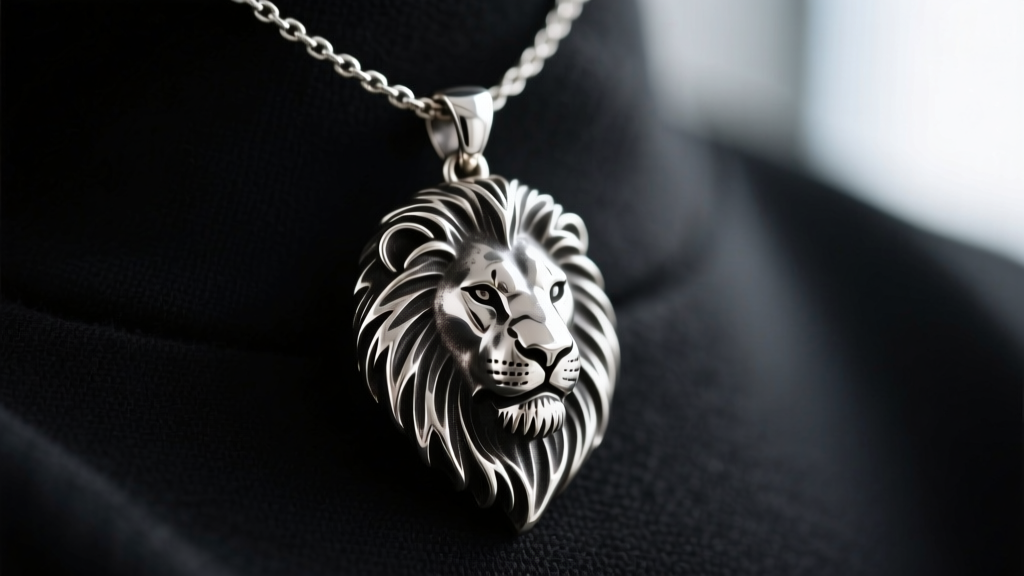
Because molten sterling silver flows exceptionally well into fine mold crevices, it captures the deepest undercuts of a lion's mane. Jewelers often apply intentional oxidation (using liver of sulfur) to darken the recessed areas of the pendant. This creates a stark contrast that makes the lion's facial features pop, giving the piece a three-dimensional, sculptural quality.
- Hardness: ~65 HV (relatively soft, prone to micro-scratches).
- Tarnish Risk: High. The copper content reacts with ambient sulfur and moisture.
- Maintenance: Requires regular polishing. However, aggressive polishing can remove the intentional oxidation in the mane's crevices, flattening the visual depth.
Solid Gold (14K vs. 18K): Heirloom Durability and Warmth
For a luxury lion pendant necklace intended to become a family heirloom, solid gold is the undisputed standard. However, pure 24K gold is far too soft for daily wear jewelry, so it is alloyed with metals like copper, silver, and zinc to increase its structural integrity.
14K Gold: The Daily Wear Champion
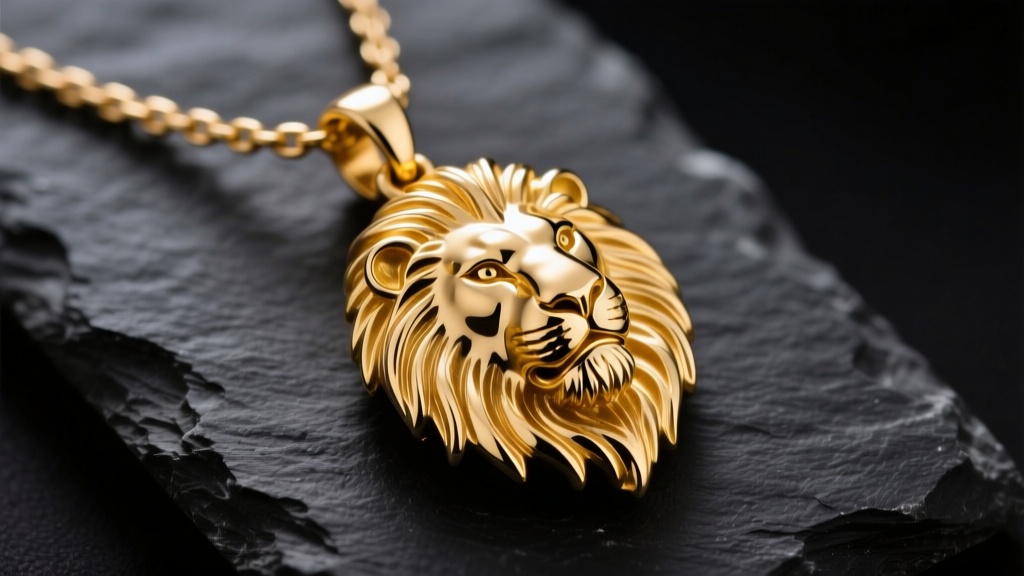
Containing 58.5% pure gold, 14K gold is significantly harder than its higher-karat counterparts. With a Vickers Hardness rating of approximately 135 HV, a 14K gold lion pendant will resist the abrasive friction of clothing and accidental impacts far better than silver. The slightly paler yellow hue (or the addition of nickel/palladium for white gold) provides a brilliant, lasting shine that will never tarnish or turn your skin green.
18K Gold: Rich Color, Softer Edges
At 75% pure gold, 18K offers a deeply saturated, warm yellow color that beautifully mimics the 'golden hour' lighting often associated with savanna photography. However, its lower hardness (~110 HV) means the lion's snout and the tips of the mane are more susceptible to rounding off over decades of heavy wear. According to the Gemological Institute of America (GIA), 18K gold is also generally safer for those with severe metal allergies, as it contains fewer alloyed trigger metals like nickel.
Stainless Steel (316L): The Modern, Hypoallergenic Workhorse
In recent years, 316L surgical stainless steel has dominated the affordable jewelry market. Alloyed with chromium, nickel, and molybdenum, this metal is virtually impervious to rust, tarnish, and corrosion.
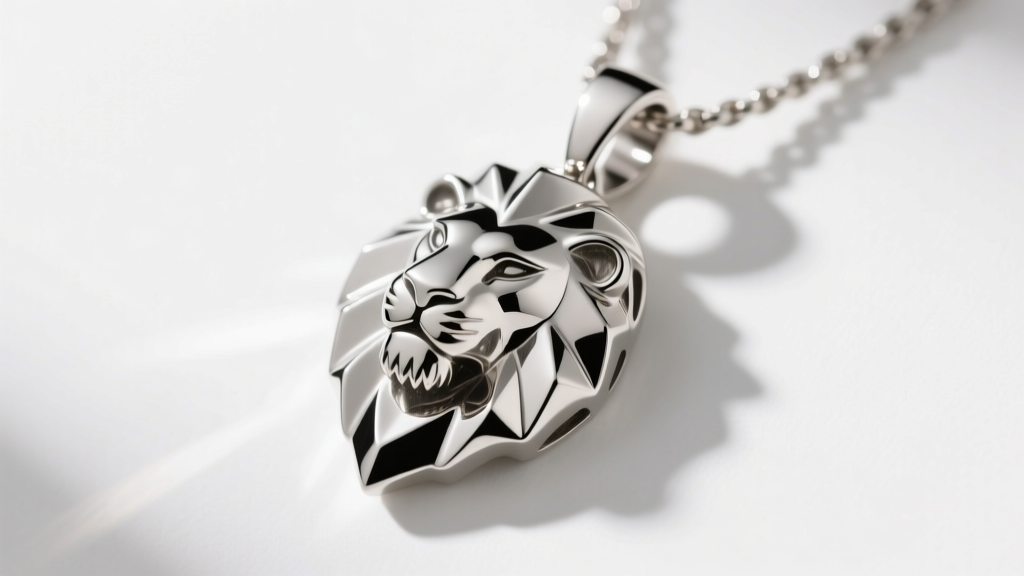
While steel is incredibly durable (boasting a hardness of 150-200 HV), it presents unique manufacturing challenges. Steel has a much higher melting point and lower casting fluidity than precious metals. Therefore, steel lion pendants are often CNC-machined or die-struck rather than cast. This results in sharper, more geometric, and slightly less organic lines. If you prefer a modern, stylized, or minimalist lion motif, 316L steel is an exceptional, low-maintenance choice that will retain its mirror polish for years without requiring a polishing cloth.
Base Metals (Brass & Bronze): Rustic Appeal and Verdigris Risks
Brass (copper and zinc) and bronze (copper and tin) are frequently used in bohemian or vintage-style jewelry. These alloys cast beautifully and develop a unique, earthy patina over time. However, they come with significant drawbacks for a chest-level pendant. The high copper content reacts with the natural acids and salts in human sweat, producing verdigris—a green compound that will stain your skin and clothing. While some enthusiasts appreciate this rustic aging process, those seeking a pristine, low-maintenance lion pendant necklace should avoid unsealed base metals.
Material Comparison Matrix: Price, Hardness, and Detail Retention
When shopping for your pendant, use this comparative data table to align your material choice with your lifestyle and budget. Pricing reflects average 2026 market rates for a standard 1-inch (25mm) solid cast pendant, excluding the chain.
| Metal Alloy | Vickers Hardness (HV) | Detail Retention | Tarnish / Corrosion | Avg. Price Range (Pendant Only) |
|---|---|---|---|---|
| 925 Sterling Silver | 60 - 70 | Exceptional (Organic) | High (Requires Polishing) | $45 - $150 |
| 14K Yellow Gold | 130 - 140 | Excellent | None | $400 - $850 |
| 18K Yellow Gold | 100 - 115 | Excellent | None | $650 - $1,200 |
| 316L Stainless Steel | 150 - 200 | Moderate (Geometric) | None | $15 - $50 |
| Solid Bronze | 80 - 100 | Very Good (Rustic) | High (Verdigris Risk) | $25 - $75 |
Expert Verdict: Matching the Metal to Your Lifestyle
'The metal you choose dictates not just the color of the jewelry, but how it interacts with your body chemistry and your daily environment. A lion pendant is a bold statement piece; ensure the alloy can withstand the spotlight.' — Rio Grande Jewelry Supply Metallurgy Guidelines.
If you desire a highly detailed, realistic lion with deep, shadowed crevices in the mane, oxidized sterling silver is your best option. It offers the highest level of sculptural artistry at an accessible price point, provided you are willing to maintain it.
For a piece you intend to wear every single day—whether at the gym, in the ocean, or at the office—316L stainless steel or 14K solid gold are the superior choices. They will not tarnish, will not turn your skin green, and possess the structural hardness required to keep the lion's facial features sharp and defined for a lifetime. Ultimately, the perfect lion pendant necklace is one where the metallurgical properties align seamlessly with your personal wear habits and aesthetic preferences.


