The Ultimate Guide to Buying a Gold Necklace That Won't Tarnish
Discover how to find a gold necklace that won't tarnish. Learn the differences between solid, filled, and plated gold to make a lasting jewelry investment.

The Science of Tarnish: Why Does Gold Change Color?
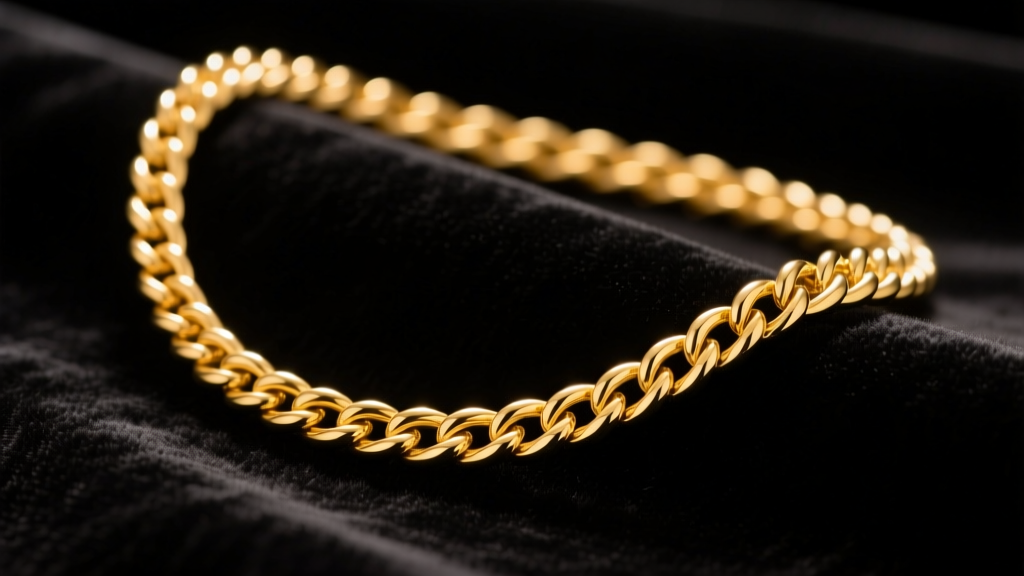
There is nothing more frustrating than investing in a beautiful piece of jewelry, only to watch it lose its luster or leave a dark ring around your neck a few months later. If you are on the hunt for a gold necklace that won't tarnish, the first step is understanding the chemistry of the metal itself. Pure gold (24 karat) is a noble metal, meaning it is highly unreactive. It will not rust, corrode, or tarnish when exposed to oxygen, moisture, or the sulfur in the air.
However, pure gold is far too soft to be used in functional jewelry. A 24K gold chain would stretch, warp, and eventually snap under the weight of a simple pendant. To solve this, jewelers alloy pure gold with harder base metals like copper, zinc, silver, and nickel. According to the Gemological Institute of America (GIA), it is these secondary alloy metals—not the gold itself—that react with environmental factors. When copper and silver are exposed to sulfur compounds in the air, or the chlorides in your sweat and cosmetics, they oxidize. This chemical reaction creates a dull, dark film on the surface of the metal that we recognize as tarnish.
Decoding Karats: Finding the Sweet Spot for Durability
To find a gold necklace that won't tarnish, you must pay close attention to the karat weight. The karat system measures the purity of gold out of 24 parts. Here is how different karats perform in everyday wear:
- 24K Gold (99.9% Pure): Zero tarnish risk, but structurally unsound for chains. You will rarely find everyday necklaces in 24K.
- 18K Gold (75% Pure): Offers a rich, buttery yellow hue. Because it contains only 25% alloy metals, it is highly resistant to tarnish and is an excellent choice for luxury, fine jewelry pieces that will last generations.
- 14K Gold (58.3% Pure): The undisputed champion of everyday jewelry. With nearly half of its composition made up of strengthening alloys, it is incredibly durable. While it has a slightly higher tarnish risk than 18K, high-quality 14K gold will remain untarnished for decades with minimal care.
- 10K Gold (41.7% Pure): Contains more alloy metals than actual gold. It is highly durable and affordable, but the high copper and zinc content makes it significantly more prone to tarnishing and causing skin discoloration.
The "Tarnish-Free" Hierarchy: A Buyer's Comparison Chart
Not all gold jewelry is created equal. When shopping online or in-store, marketing terminology can be incredibly deceptive. Below is a definitive breakdown of gold jewelry types, their lifespan, and their true resistance to tarnish.
| Jewelry Type | Composition & Thickness | Tarnish Resistance | Expected Lifespan | Average Price Range |
|---|---|---|---|---|
| Solid Gold (14K/18K) | 100% gold alloy throughout | Excellent (Lifetime) | Generational | $150 - $800+ |
| Gold Filled | 5% gold by weight (mechanically bonded) | Very High | 10 - 30 Years | $40 - $150 |
| Gold Vermeil | 2.5 microns of gold over Sterling Silver | Moderate | 2 - 5 Years | $60 - $200 |
| Gold Plated | <0.5 microns of gold over Brass/Copper | Poor | 6 - 12 Months | $15 - $50 |
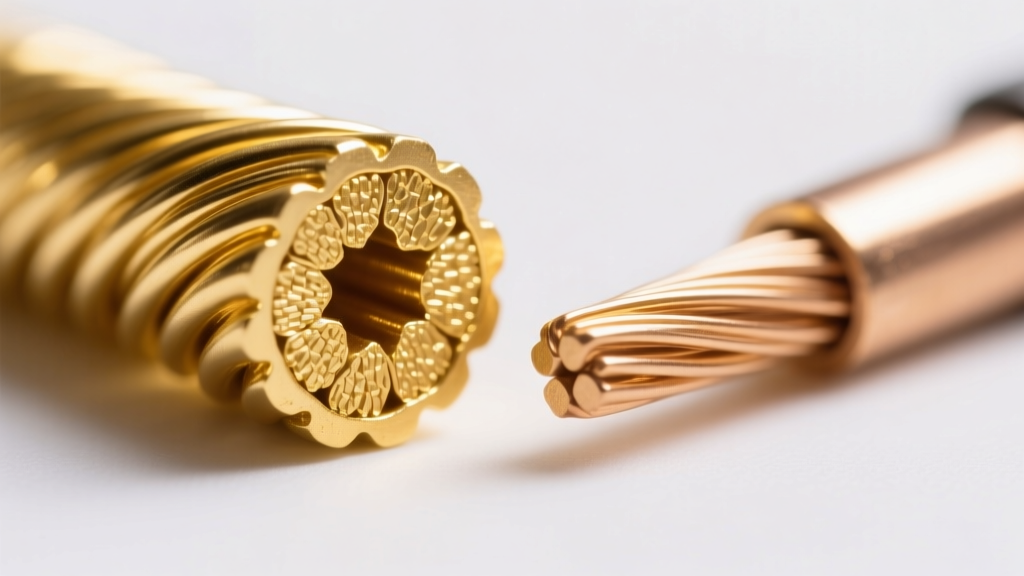
The Federal Trade Commission (FTC) strictly regulates these terms. For a piece to be legally sold as 'Gold Filled' in the United States, the gold layer must constitute at least 1/20th (5%) of the total weight of the item and be mechanically bonded to a base metal core. This thick outer layer acts as a shield, making gold-filled necklaces an excellent budget-friendly alternative to solid gold that won't easily tarnish.
Troubleshooting: Why Does My Gold Leave a Green Mark?
Tarnish on the metal is one thing, but a green or black stain on your skin is another. This phenomenon is not an indicator of fake gold; rather, it is a chemical reaction between the alloy metals in your necklace and your body chemistry.
Copper is the primary culprit. When copper mixes with the acids in your sweat, it forms copper chloride, which presents as a green residue. Similarly, silver alloys can react with sulfur to create black silver sulfide. If you live in a humid climate, frequently swim in chlorinated pools, or wear heavy lotions and perfumes, you are accelerating this reaction. To prevent this, opt for 18K or high-quality 14K solid gold, and always remove your necklace before swimming or applying skincare products.
Red Flags: Deceptive Marketing Terms to Avoid
When searching for a gold necklace that won't tarnish, beware of ambiguous terminology designed to trick uneducated buyers. Avoid the following terms if you want a lasting piece:
- Gold Tone / Gold Colored: This means the metal is painted or coated with a gold-colored chemical. There is zero actual gold content.
- Gold Dipped: A marketing buzzword for very thin flash plating. It will wear off within weeks of daily wear.
- HGE (Heavy Gold Electroplate): Despite the word 'heavy,' this is still just a plated item, usually over a cheap brass core. It is highly susceptible to flaking and tarnishing.
- Bonded Gold: Often confused with gold-filled, 'bonded' is not an FTC-regulated term and usually implies a microscopic layer of gold over an unknown base metal.
Care and Maintenance for Longevity
Even a solid 14K or 18K gold necklace requires basic maintenance to maintain its brilliant shine. While the metal itself won't tarnish, it can accumulate a film of soap scum, body oils, and environmental dust that dulls its appearance.
To clean your solid gold necklace, mix a few drops of mild, phosphate-free dish soap into a bowl of warm water. Let the chain soak for 15 minutes, then gently agitate it with a soft-bristled baby toothbrush. Rinse thoroughly under lukewarm water and pat dry with a microfiber cloth. Never use harsh chemicals, bleach, or abrasive polishing cloths on gold, as these can strip the finish or scratch the alloy.

The Final Verdict: Investing in Your Everyday Piece
Finding a gold necklace that won't tarnish ultimately comes down to understanding your budget and your expectations. If you are looking for a generational heirloom or an everyday chain that you never have to take off, invest in a solid 14K or 18K gold piece. The upfront cost is higher, but the cost-per-wear drops to pennies over a lifetime.
If you are on a stricter budget but still demand quality, seek out reputable brands that specialize in 14K gold-filled jewelry. By avoiding cheap flash-plated items and understanding the karat system, you can confidently build a jewelry collection that remains as radiant as the day you bought it.


