How to Choose the Best Chains for Charm Necklace Pendants
Discover how to choose the best chains for charm necklace pendants. Learn about chain styles, gauge thickness, clasp types, and weight limits.

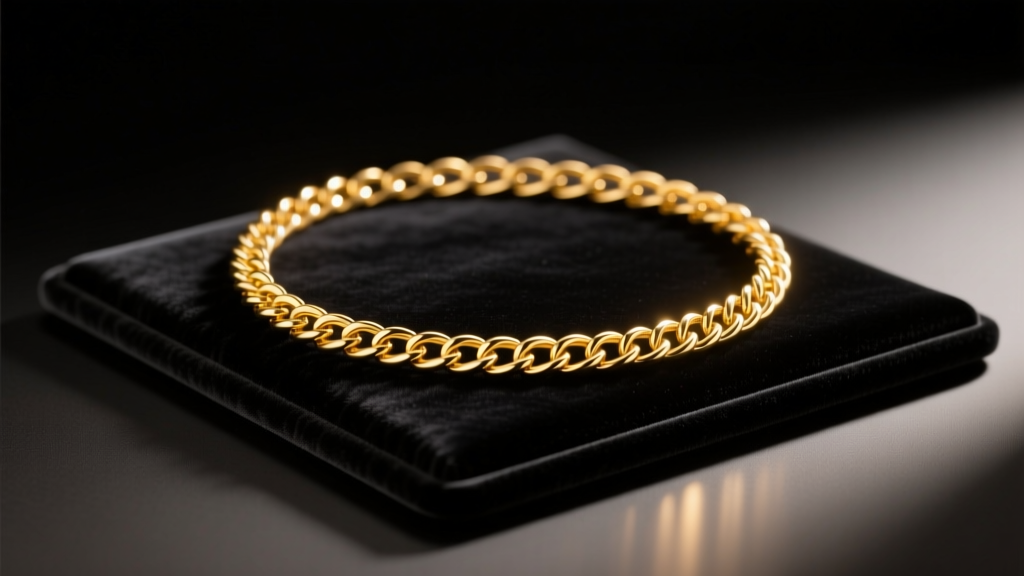
Selecting the right foundation for your pendants is just as critical as choosing the charm itself. When shopping for chains for charm necklace styling, many buyers focus entirely on the aesthetic of the pendant, only to experience broken links, tangled knots, or premature metal fatigue. A chain is an engineering marvel on a micro-scale, and its structural integrity dictates the lifespan of your jewelry. This comprehensive buying guide breaks down the exact metallurgy, gauge specifications, and mechanical failure points you need to evaluate before purchasing your next chain.
The Physics of Charm Necklaces: Weight vs. Gauge
The most common reason chains snap is a mismatch between the pendant's weight and the chain's wire gauge. Wire gauge measures the thickness of the metal used to form the links. In jewelry, the higher the gauge number, the thinner the wire. Understanding this inverse relationship is your first line of defense against lost charms.
Understanding Wire Gauge and Tensile Strength
For lightweight charms (under 5 grams), such as a simple diamond solitaire or a tiny enamel initial, an 18-gauge (1.0mm) or even a 20-gauge (0.8mm) chain is sufficient. However, once you introduce medium-weight charms (5 to 15 grams) like solid silver lockets or gemstone pendants, you must step up to a 16-gauge (1.29mm) chain. For heavy, oversized statement pieces exceeding 15 grams, a 14-gauge (1.6mm) or thicker chain is mandatory.
According to metallurgical data from the Gemological Institute of America (GIA), the tensile strength of a chain is also heavily dependent on the alloy's hardness. Pure 24k gold, while valuable, is far too soft for charm chains and will stretch and deform under the constant kinetic friction of a moving pendant. Always opt for 14k or 18k gold alloys, which are mixed with copper and zinc to increase structural rigidity.
Top 5 Chain Styles for Charms (With Pros & Cons)
Not all link patterns are created equal. The geometry of the chain dictates how it drapes, how it resists tangling, and how it interacts with the bail (the loop) of your charm. Here is a breakdown of the most reliable chain styles for pendants.
| Chain Style | Link Geometry | Best Charm Weight | Avg. Price (Sterling Silver) | Durability Rating |
|---|---|---|---|---|
| Cable | Uniform oval links | Light (Under 5g) | $30 - $60 | 3/5 |
| Rolo | Thick round links | Medium (5-15g) | $45 - $85 | 4.5/5 |
| Box | Square, interlocking | Medium (5-15g) | $50 - $90 | 4/5 |
| Rope | Twisted spiral links | Heavy (15g+) | $70 - $120 | 5/5 |
| Wheat | Braided, woven links | Heavy (15g+) | $65 - $110 | 5/5 |
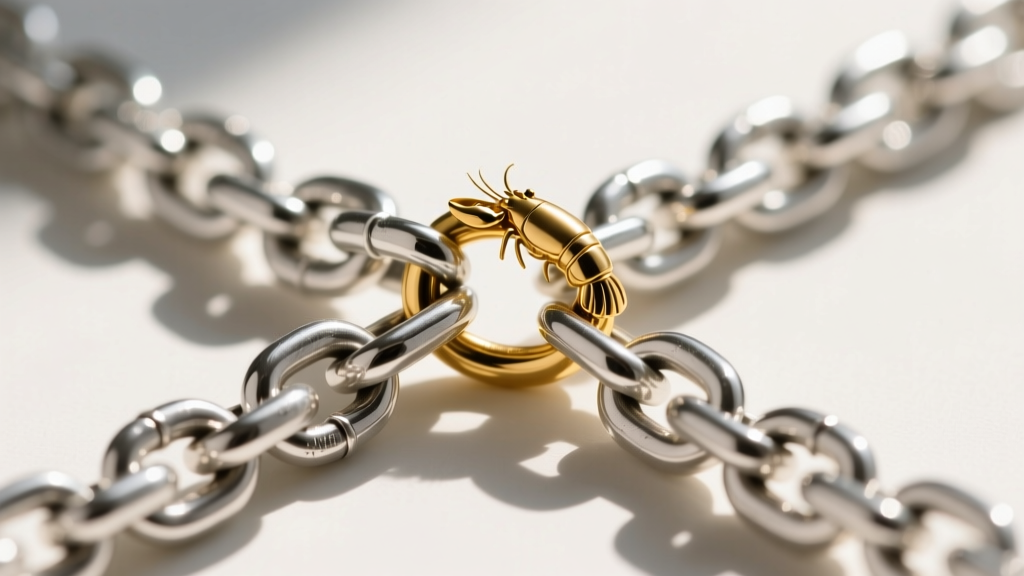
While cable chains are the industry standard for delicate, everyday wear, they are highly susceptible to kinking if stored improperly. Rolo chains, featuring alternating round links, offer superior tensile strength and are the preferred choice for vintage and heavy lockets. However, be cautious when pairing hollow charms with rolo chains; the rounded edges of the links can sometimes catch inside the hollow bail of the pendant, causing friction wear over time.
Box chains and rope chains offer a more modern, fluid drape. Rope chains, in particular, are incredibly forgiving when it comes to surface scratches because their twisted geometry naturally hides minor abrasions. Suppliers like Rio Grande frequently recommend wheat and rope chains for heavy pendants due to their multi-directional link structure, which distributes kinetic stress evenly across the chain rather than isolating it on a single link.
Clasp Mechanics: Preventing the 'Lost Charm' Disaster
A chain is only as secure as its clasp. The clasp is the primary failure point in necklace mechanics, often giving way long before the chain links themselves snap.
Lobster vs. Spring Ring vs. Toggle
- Spring Ring Clasps: These are the small, perfectly circular clasps found on budget chains. They rely on a tiny internal spring that is highly prone to fatigue. Under the lateral stress of a swinging charm, spring rings frequently pop open. Avoid these for any charm over 3 grams.
- Lobster Clasps: The gold standard for charm necklaces. Their elongated, asymmetrical shape provides a stronger internal spring mechanism and a larger surface area for the jump ring to catch. A 12mm or 15mm lobster clasp is ideal for medium-weight charms.
- Toggle Clasps: While aesthetically pleasing for bracelets, toggles are a poor choice for single heavy pendants. The constant downward pull of a heavy charm can cause the T-bar to slip through the ring, especially if the necklace is slightly too long.
Expert Troubleshooting Tip: If your heavy charm keeps sliding directly over the lobster clasp and wearing down the metal, solder a small 5mm jump ring to the clasp. This acts as a physical buffer, stopping the charm's bail from grinding against the clasp's lever mechanism.
Material Grades and Tarnish Resistance
The material of your chain dictates its maintenance requirements and how it interacts with your skin's pH levels. When evaluating chains for charm necklace setups, consider the following material grades:
Sterling Silver vs. Argentium
Standard sterling silver (925) is 92.5% pure silver and 7.5% copper. The copper provides strength but is also the culprit behind tarnishing when exposed to sulfur and moisture. Argentium silver (960) replaces some of the copper with germanium, resulting in a highly tarnish-resistant alloy that is also slightly harder and more durable. For a charm chain that requires minimal polishing, Argentium is worth the 15-20% price premium over standard 925 silver.
Gold Karats and Friction Wear
For gold chains, 14k (58.5% pure gold) offers the best balance of rich color and structural integrity. 18k gold (75% pure) is softer and more prone to micro-scratches from the friction of a metal charm bail rubbing against it. Never use gold-plated or gold vermeil chains for heavy charms; the constant friction of the pendant will strip the gold layer off the high-contact points within months, exposing the base metal beneath.

Length and Drape: Where Should the Charm Sit?
The length of the chain changes the visual weight of the charm and how it interacts with your wardrobe.
- 16 Inches (Choker Length): Sits tightly at the base of the neck. Best for very small, lightweight charms. Larger pendants will look awkward and feel restrictive at this length.
- 18 Inches (Princess Length): The universal standard. The charm will rest right on the collarbone or just below it. This length accommodates 90% of charm sizes and works beautifully with both crew necks and V-necks.
- 20 to 24 Inches (Matinee Length): The charm will rest on the sternum. This is the ideal length for large, heavy lockets, religious medallions, or oversized gemstone pendants, as the longer chain provides a better counterbalance to the pendant's weight.
Final Checklist Before You Buy
Before finalizing your purchase, run through this quick structural checklist to ensure you are getting a chain built to last:
- Check the Bail Size: Ensure the inner diameter of your charm's bail is at least 0.5mm larger than the thickness of the chain links to allow for fluid movement.
- Inspect the Solder Points: Look closely at the links near the clasp. They should be fully closed with no visible gaps where the metal meets.
- Verify the Hallmark: Ensure the chain is stamped with a quality mark (e.g., '14K', '925', '750') and a manufacturer's trademark near the clasp.
- Test the Clasp Tension: Flick the lever of the lobster clasp. It should snap back instantly and firmly against the base without any wobble.
By prioritizing gauge thickness, link geometry, and clasp mechanics over fleeting trends, you will secure a foundation that keeps your favorite charms safe, secure, and beautifully displayed for a lifetime.


