Marcasite Choker Necklace Trends: Styling the Victorian Revival
Discover the 2026 neo-Victorian trend of the marcasite choker necklace. Learn how to style, authenticate, and care for these dark academia essentials.

The Neo-Victorian Revival: Why Marcasite is Dominating 2026
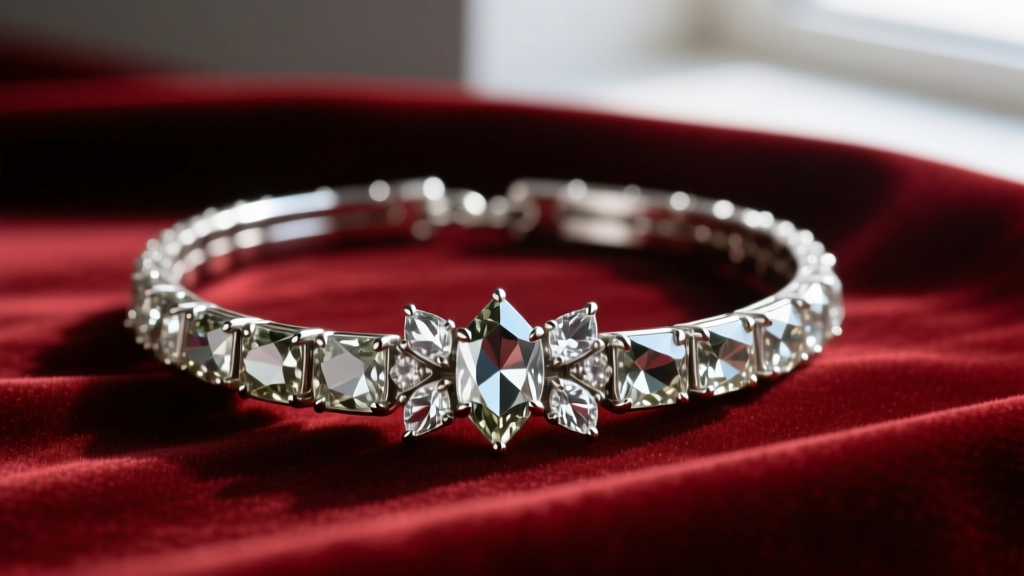
The jewelry landscape in 2026 is experiencing a profound shift away from the ultra-minimalist, high-polish gold trends of the early 2020s, pivoting sharply toward the moody, textured aesthetics of the neo-Victorian and dark academia movements. At the epicenter of this revival is the marcasite choker necklace. Once relegated to antique shop display cases and inherited mourning jewelry boxes, marcasite has been reclaimed by contemporary designers who appreciate its gunmetal sparkle and historical weight. Unlike the flashy brilliance of diamonds or the colorful pop of enamel, marcasite offers a subdued, metallic luster that perfectly complements the rich velvets, heavy wools, and intricate lacework defining current autumn and winter fashion runways.
According to historical archives at the Victoria and Albert Museum, marcasite jewelry reached its zenith during the Victorian era, particularly as mourning jewelry following the death of Prince Albert. Today, the modern iteration of the marcasite choker necklace borrows the silhouette and material of the 19th century but updates the scale and flexibility for modern wearability. The choker length—sitting snugly between 14 and 16 inches—forces the eye upward, framing the collarbone and providing an anchor for the era's popular high-neck blouses and structured blazers.
Material Reality: Pyrite vs. True Marcasite
To speak intelligently about these pieces, one must first address a centuries-old misnomer in the jewelry trade. What the industry universally calls 'marcasite' is, in fact, pyrite (iron sulfide, FeS2). True marcasite is a polymorph of pyrite; they share the exact same chemical composition but possess entirely different crystal structures. True marcasite crystallizes in the orthorhombic system, making it incredibly brittle, prone to crumbling, and highly reactive to moisture—often degrading into sulfuric acid and iron sulfate powder when exposed to humid air.
Pyrite, conversely, crystallizes in the isometric (cubic) system, granting it the structural stability required for jewelry setting. As detailed in the GIA Gem Encyclopedia, pyrite's metallic luster and pale brass-yellow hue—when faceted and set into oxidized silver—create the signature gunmetal flash associated with vintage marcasite jewelry. When shopping for a marcasite choker necklace, you are purchasing faceted pyrite. Understanding this distinction is crucial for authentication and care, as the structural integrity of your choker relies entirely on the stability of cubic pyrite and the quality of the sterling silver backing.

Anatomy of a High-Quality Marcasite Choker
The longevity of a marcasite choker necklace is dictated almost entirely by its setting technique and the grade of the silver base. Because pyrite stones are typically cut into small, flat-backed rose cuts or single cuts (ranging from 1mm to 3mm in diameter), they require precise setting methods. In 2026, the market is flooded with both mass-produced and artisan-crafted options, but the failure rates vary wildly based on construction.
Setting Techniques and Durability Matrix
| Setting Method | Description | Durability & Failure Mode | Price Tier |
|---|---|---|---|
| Bezel / Rub-Over | Silver is pushed over the girdle of the stone mechanically. | Exceptional. Stones are locked in. Failure only occurs if silver bends severely. | High ($250+) |
| Prong / Gypsy | Small silver beads or prongs are raised over the stone edges. | Very Good. Prongs can snag on lace or wool and pull back over time. | Mid-High ($120-$250) |
| Pavé with Glue | Stones are seated in silver cups and secured with jeweler's epoxy. | Poor. Skin acidity, lotions, and heat degrade the epoxy, causing stones to pop out. | Low ($30-$90) |
When evaluating a piece, always inspect the reverse side. High-end artisan marcasite chokers will feature a closed-back or semi-closed-back design with a smooth silver finish against the skin, preventing the pyrite from reacting with sweat. Cheaper alternatives often leave the foil backing or raw glue exposed, which rapidly degrades upon contact with the skin's natural pH levels.
Styling Framework: Necklines and Occasions
The marcasite choker necklace is a statement of deliberate contrast. It thrives when paired with fabrics and necklines that allow its intricate, dark metalwork to stand out. Here is a practical styling framework for integrating this piece into a modern wardrobe:
- The Sweetheart Neckline: A 15-inch marcasite choker perfectly traces the upper collarbone, leaving a precise two-inch gap above a sweetheart neckline. This prevents visual clutter and allows the geometric patterns of the silverwork to act as a standalone focal point.
- The Boatneck (Bateau):strong> Pairing a wide, rigid marcasite collar or a heavily pavé-set choker with a stark white or cream boatneck sweater creates a striking nautical-meets-gothic contrast. The bright fabric reflects light up into the faceted pyrite, maximizing its metallic flash.
- The Turtleneck / Mock Neck: For a true dark academia aesthetic, layer a delicate 14-inch marcasite choker directly over a black silk or fine-merino turtleneck. The fabric protects the silver from skin oils while providing a seamless, dark canvas that makes the oxidized silver detailing pop.
Price Tiers and What to Expect in 2026
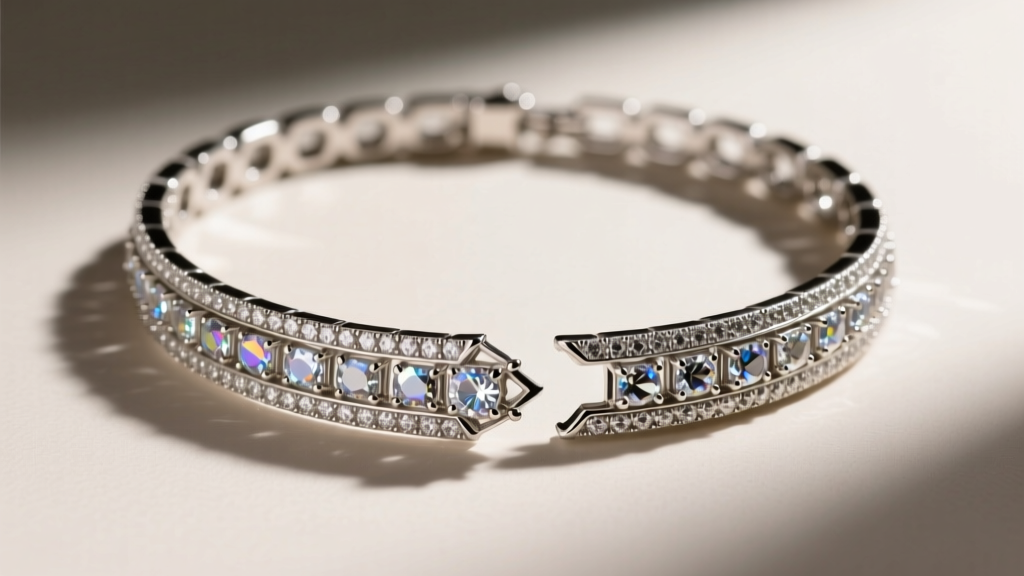
Navigating the market requires an understanding of what you are actually paying for. The marcasite choker necklace market is segmented into three distinct tiers:
1. Mass-Market & Fast Fashion ($30 - $80): These pieces typically use 925 sterling silver but rely heavily on industrial adhesives for stone setting. The silver is often heavily oxidized but lacks rhodium plating on the interior, leading to rapid tarnishing and green skin discoloration. Expect to replace these every 12 to 18 months as stones inevitably shed.
2. Artisan & Contemporary Boutique ($120 - $350): This is the sweet spot for quality. Designers in this tier use hand-set rub-over or bead settings. The silver is substantial (often 20 to 30 grams for a choker), and the clasps are secure lobster or box clasps with figure-eight safety catches. These pieces are built for daily wear and will last decades with proper care.
3. Antique & Estate ($400 - $1,500+): Genuine Victorian or Art Deco marcasite chokers are highly collectible. However, buyers must be cautious of 'married' pieces—where broken antique brooches have been soldered onto modern silver chains and sold as vintage chokers. Always request provenance or buy from certified estate dealers.
Care and Failure Modes: Preventing the 'Shatter' Effect
Pyrite is relatively hard (6 to 6.5 on the Mohs scale), but it is highly sensitive to thermal shock and harsh chemicals. The most common failure mode for a marcasite choker necklace is the 'shatter effect,' where stones crack or the silver backing warps, popping the stones out of their settings.
To preserve your choker, never use ultrasonic cleaners. The high-frequency vibrations will shatter the faceted pyrite and instantly dissolve the adhesives used in lower-tier settings. Furthermore, avoid commercial silver dip solutions. These acidic thiourea-based liquids will strip the intentional black oxidation from the silver crevices, leaving the piece looking flat, gray, and lifeless. Instead, clean your choker using a dry, soft-bristled makeup brush to dislodge dust from the settings, and gently polish only the raised silver ridges with a dry microfiber cloth. Store the piece flat in an anti-tarnish flannel pouch to prevent the chain from kinking and the silver from reacting with atmospheric sulfur.


