Brooch Necklace Styling: 2026 Trends, Chains & Converter Hacks
Discover the 2026 brooch necklace trend. Learn how to convert vintage pins into pendants using bail adapters, choose the right chain gauge, and style them.

The Resurgence of the Brooch Necklace in 2026
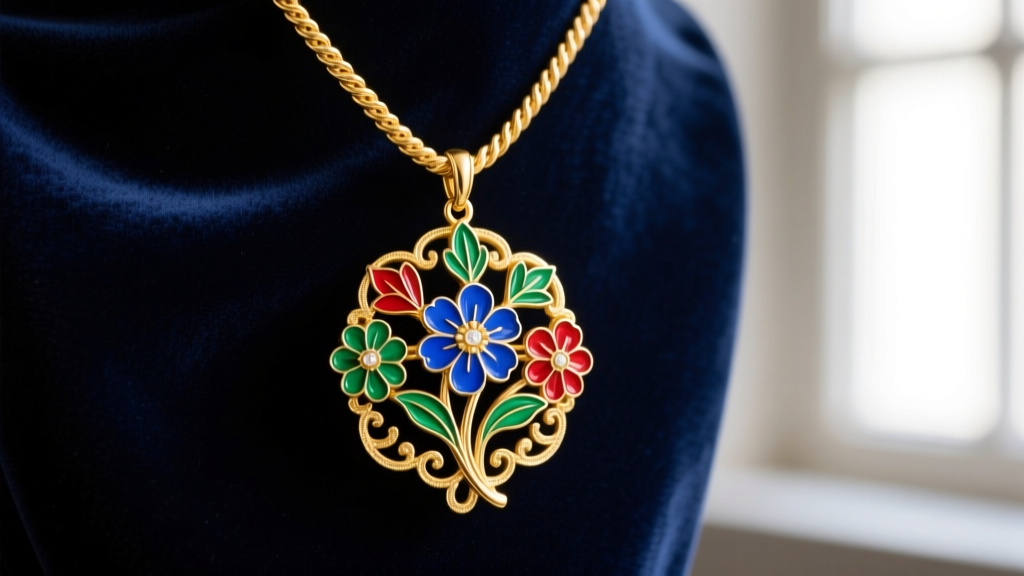
The 2026 jewelry landscape is defined by 'heirloom hacking'—the practice of recontextualizing vintage and antique pieces for dynamic, modern wear. At the forefront of this movement is the brooch necklace. Once relegated to the lapels of mid-century suits or locked away in velvet estate boxes, brooches are being reborn as modular, statement-making pendants. According to the Victoria and Albert Museum's jewelry archives, the brooch is one of the oldest forms of adornment, originally serving a purely utilitarian function to fasten heavy garments. Today, its transformation into a necklace speaks to a consumer desire for versatility, sustainable luxury, and modular styling.
Rather than purchasing new, mass-produced pendants, collectors and style enthusiasts are investing in high-quality hardware to convert inherited or thrifted brooches into wearable neckpieces. However, executing this conversion requires a deep understanding of jewelry mechanics, weight distribution, and metallurgy. A poorly converted brooch will not only damage the chain but can also compromise the structural integrity of the antique piece itself.
The Mechanics: Converting Pins to Pendants
The primary challenge in creating a brooch necklace lies in the anatomy of the brooch itself. Unlike a standard pendant with a fixed top loop, a brooch relies on a pin stem (the sharp wire) and a clasp mechanism. The standard brooch pin stem typically ranges from 1.5mm to 2.5mm in diameter, while standard pendant bails have an inner loop diameter of 3mm to 5mm. To bridge this gap, specialized findings are required.
Pin-to-Pendant Bail Converters
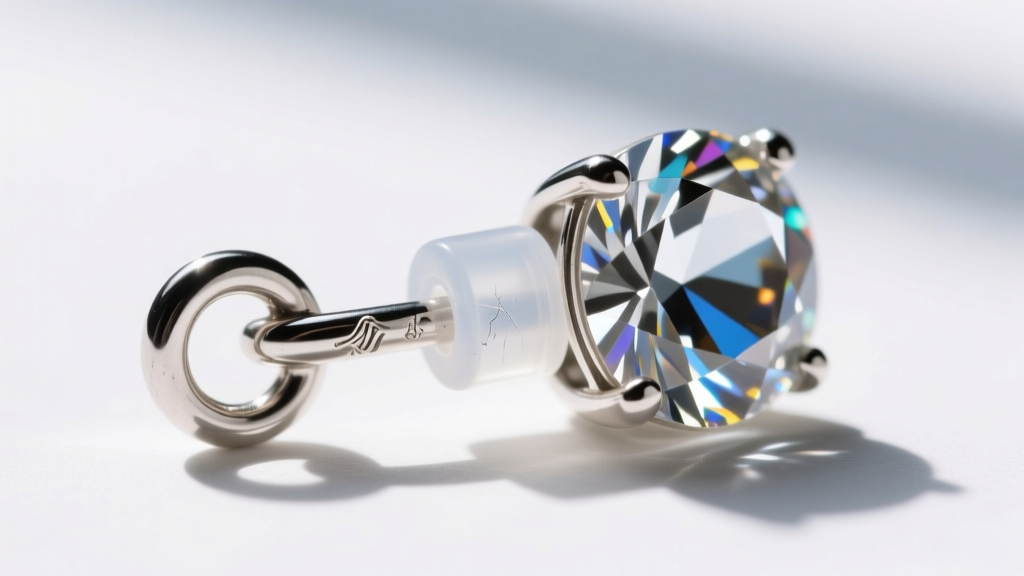
The most common solution is the pin-to-pendant bail. This finding features a hollow horizontal tube designed to house the brooch's pin stem. However, not all converters are created equal. For high-value vintage pieces, you must avoid rigid metal-only tubes. If a 1.5mm pin stem is placed inside a 3mm metal tube, the brooch will slide laterally, causing the sharp pin tip to scratch the interior of the tube and potentially bend the stem. The industry standard for 2026 is the silicone-insert bail. These feature a medical-grade silicone O-ring inside the metal housing that grips the pin stem via friction, locking the brooch perfectly in the center of the chest.
Locking T-Bar and Clasp Adapters
For heavier brooches, relying solely on the tension of the pin stem is a critical failure point. If the brooch's 'C-clasp' or 'trombone clasp' fails, the piece will fall and be lost. A locking T-bar adapter wraps around the entire hinge-and-clasp assembly of the brooch, securing the piece via a secondary locking mechanism that does not rely on the pin stem's tension. This is mandatory for any brooch weighing over 25 grams.
Chain Gauge & Weight Distribution Matrix
A common and costly mistake in DIY brooch necklaces is chain breakage. Vintage brooches, particularly those featuring dense materials like Bakelite, carved jade, marcasite, or heavy guilloché enamel, can easily weigh between 30 and 60 grams. A standard 1mm cable chain has a tensile breaking point of roughly 3 to 5 kilograms, but the solder points on the links are highly vulnerable to the dynamic, swinging torque generated by a heavy, off-balance pendant.
When selecting a chain for a brooch necklace, you must calculate the static weight of the brooch and multiply it by a dynamic stress factor of 3. Below is the definitive matrix for pairing brooch weights with appropriate chain weaves and hardware.
| Brooch Weight Class | Recommended Chain Weave | Minimum Wire Gauge | Required Clasp Hardware |
|---|---|---|---|
| Light (Under 15g) | Box, Cable, or Herringbone | 0.8mm - 1.2mm | 5mm Spring Ring or Small Lobster |
| Medium (15g - 30g) | Curb, Figaro, or Rolo | 1.5mm - 2.0mm | 12mm Heavy Lobster Claw |
| Heavy (30g - 50g+) | Rope, Wheat, or Byzantine | 2.5mm - 3.5mm | Tongue Box Clasp with Figure-8 Safety |
Expert Insight: Avoid box chains for medium and heavy brooches. Box chains derive their structure from folded metal, and the solder points at the corners are notorious for snapping under the pendulum-like swinging motion of a heavy vintage pendant. Rope and wheat chains, which feature interwoven links, offer vastly superior tensile strength and drape beautifully without kinking.
Material Grades & Galvanic Corrosion Risks
Mixing metals is a major risk when building a brooch necklace. If you pair a copper-alloy vintage brooch (common in 1940s costume jewelry and early mid-century pieces) directly against a sterling silver chain, the introduction of skin moisture and ambient humidity creates a galvanic cell. This electrochemical reaction accelerates oxidation, leaving black marks on your skin, degrading the silver chain, and potentially pitting the base metal of the brooch.
The Gemological Institute of America (GIA) frequently notes that proper metal isolation is critical when preserving antique jewelry components. The solution is to use a solid 14k or 18k gold converter bail as a dielectric barrier. Gold is highly unreactive and will prevent the galvanic transfer between a base-metal brooch and a sterling silver or white gold chain. Never use gold-plated or gold-vermeil converters for this purpose, as the thin micron layer of gold will wear away from the friction of the pin stem, exposing the reactive brass core underneath.
3 Styling Frameworks for the Modern Brooch Necklace
Once the mechanics and metallurgy are secured, the focus shifts to styling. The brooch necklace is not a one-size-fits-all accessory; its placement dictates the entire silhouette of an outfit. Here are three distinct styling frameworks dominating the 2026 trend cycle.
- The Asymmetric Choker (14-16 inches): Slide the brooch off-center on a heavy 3mm herringbone or snake chain. This mimics the traditional lapel placement but draws the eye directly to the collarbone. This framework is ideal for geometric Art Deco pieces or sharp, modernist mid-century pins, providing an avant-garde, editorial look that pairs perfectly with structured blazers or off-the-shoulder knitwear.
- The Opera Drop (28-30 inches): Utilize a long, delicate 1.5mm rope chain with a heavy, elongated Victorian mourning brooch or a carved jade piece. The extended length allows the pendant to rest on the solar plexus, creating a dramatic, bohemian silhouette. This styling method is particularly effective for elongating the torso and works beautifully over high-necked silk blouses or fine-gauge turtlenecks.
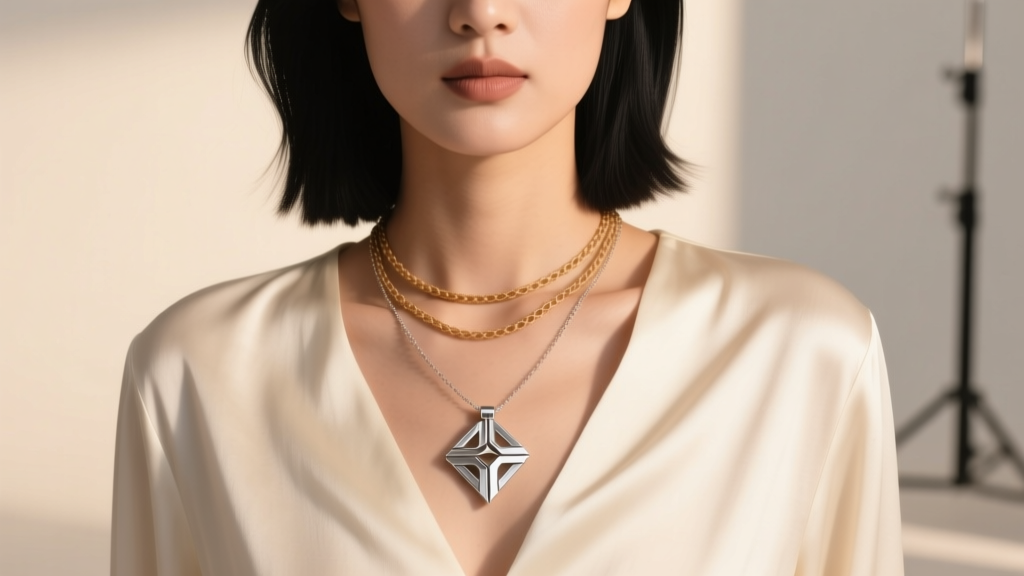
- The Layered Matrix (16/18/20 inches): Anchor a 20-inch brooch necklace with a 16-inch delicate pearl strand and an 18-inch plain gold figaro chain. The brooch acts as the visual anchor and focal point, while the supporting chains provide textural contrast and prevent the heavy pendant from looking isolated. Ensure the brooch pendant has a bail drop of at least 10mm so it does not physically tangle with the shorter chains.
Sourcing Hardware & Price Points
Building a high-quality, heirloom-grade brooch necklace requires investing in the right findings. Cheap, mass-market converters often feature weak solder joints and poorly machined silicone inserts that degrade within months.
Rule of Thumb: The hardware securing a $500 vintage brooch should never cost less than $50. Proportionality in value ensures proportional security in engineering.
Expected Pricing Tiers:
- Sterling Silver Pin-to-Pendant Converters: $15 to $45. Look for cast, not stamped, silver with replaceable silicone inserts.
- Solid 14k/18k Gold Converters: $150 to $400+. Essential for heavy pieces or when acting as a galvanic barrier for base-metal brooches.
- Quality Chains (Sterling Silver): $50 to $150 for heavy rope or wheat chains (2.0mm+).
- Quality Chains (Solid 14k Gold): $300 to $1,500+ depending on the weight, gauge, and current spot price of gold.
For sourcing, bypass generic consumer marketplaces. Seek out specialized jewelry findings suppliers like Rio Grande, or commission a local bench jeweler to fabricate a custom-fitted bail that perfectly matches the exact millimeter width of your specific brooch's pin stem.
Final Thoughts on Modular Jewelry
The brooch necklace is far more than a fleeting seasonal trend; it is a masterclass in modular styling and sustainable fashion. By understanding the precise mechanics of bail converters, respecting the physics of chain tensile strength, and mitigating galvanic corrosion, you can safely transform dormant estate pieces into dynamic, everyday statement jewelry. As we move further into 2026, the ability to adapt and recontextualize heirloom jewelry will remain the ultimate hallmark of sophisticated, personalized style.


