How to Buy a Very Expensive Diamond Necklace in 2026
Discover what to look for when investing in a very expensive diamond necklace. Learn about grading, settings, and auction-grade pricing in our 2026 guide.

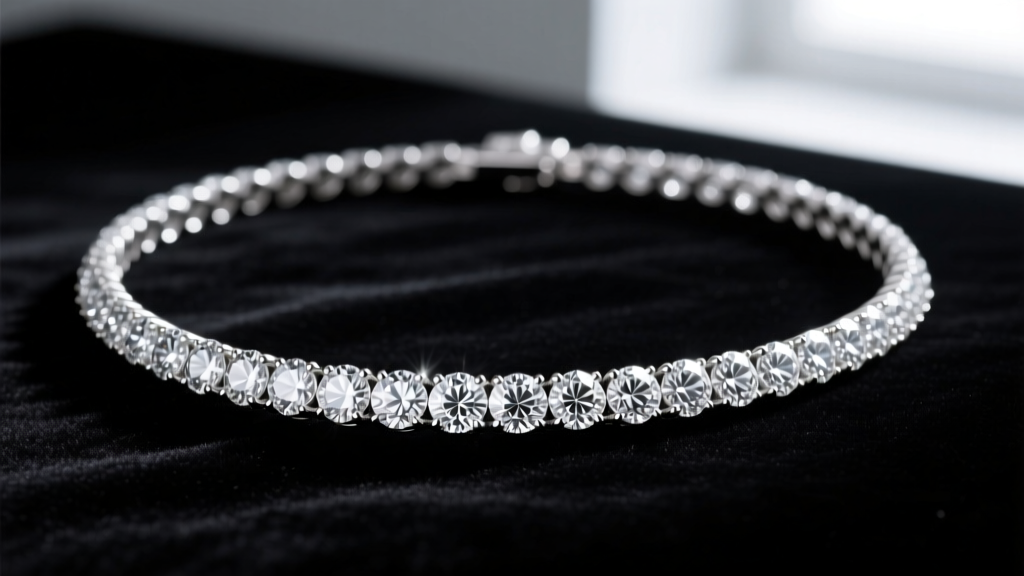
The Anatomy of High-Jewelry Diamond Necklaces
When entering the echelon of high jewelry, purchasing a very expensive diamond necklace transitions from a simple fashion acquisition to a serious asset allocation strategy. In 2026, the market for ultra-luxury diamond jewelry continues to be driven by extreme scarcity, exceptional provenance, and uncompromising gemological standards. Unlike commercial fine jewelry, which often relies on brand markup and accessible carat weights, true high jewelry—often referred to as haute joaillerie—demands a meticulous understanding of diamond chemistry, structural metallurgy, and secondary market liquidity.
Collectors and high-net-worth individuals typically focus on three primary necklace silhouettes when dealing in the six-to-eight-figure range: the classic Rivière (a seamless, graduating or uniform line of diamonds), the Festoon (featuring intricate, draped swags of diamonds), and the Lariat or Y-necklace (anchored by a massive, singular pendant stone). Understanding the architectural requirements of these settings is just as critical as evaluating the stones themselves.
Decoding the 4Cs for Investment-Grade Diamonds
At the apex of the diamond market, the standard 4Cs (Cut, Color, Clarity, Carat) are merely the baseline. When evaluating a very expensive diamond necklace, buyers must look deeper into gemological nuances that separate a $50,000 piece from a $5,000,000 masterpiece.
Cut and Light Performance
For round brilliant diamonds in a Rivière necklace, an 'Excellent' cut grade from the GIA is mandatory, but it is not sufficient on its own. Elite buyers require 'Hearts and Arrows' precision cutting, which guarantees optimal light return and scintillation. In fancy shapes (emerald, pear, or marquise) used in pendant or festoon designs, buyers must scrutinize the bow-tie effect and demand ideal length-to-width ratios.
Color and the Type IIa Phenomenon
While D-color (completely colorless) is the standard for luxury, the true holy grail in 2026 is the Type IIa diamond. According to GIA's research on Type IIa diamonds, these stones are chemically pure, lacking measurable nitrogen or boron impurities. Type IIa diamonds possess a unique transparency and 'super-luster' that makes them highly coveted at auction houses like Christie's Magnificent Jewels department. A necklace featuring matched Type IIa diamonds commands a massive premium over standard D-color Type Ia stones.
Clarity and Fluorescence
Flawless (FL) and Internally Flawless (IF) are the expected clarity grades for center stones exceeding 5 carats. However, buyers must be hyper-aware of fluorescence. In lower color grades (H-J), strong blue fluorescence can improve the stone's perceived color. But in a D-color diamond, strong blue fluorescence can cause a milky or hazy appearance under UV-rich sunlight, severely depressing the stone's value and visual brilliance.
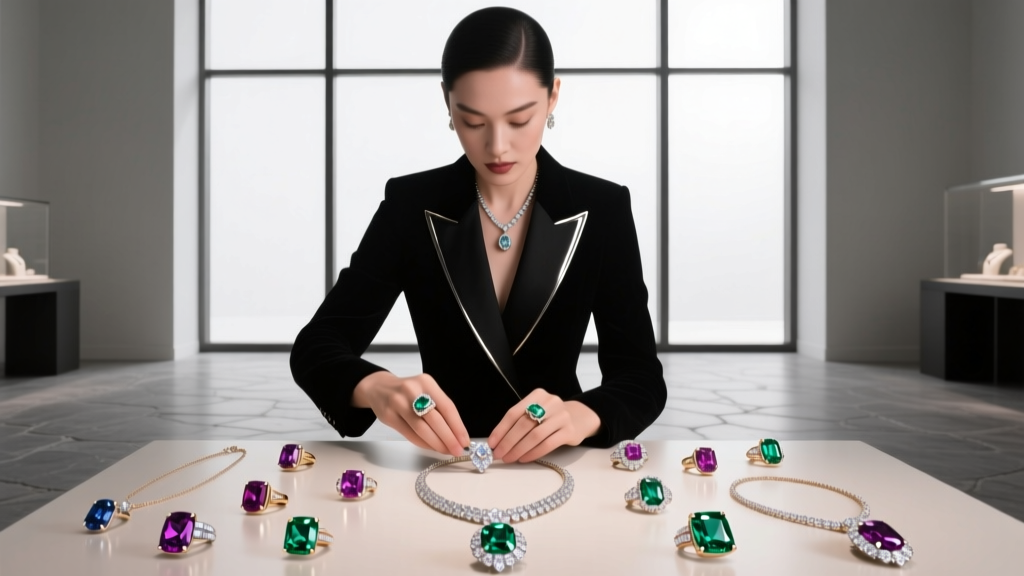
Premium Settings and Metallurgy
A very expensive diamond necklace is only as secure and enduring as its metal framework. High-jewelry houses strictly utilize specific alloys to ensure longevity, security, and optimal light reflection.
- Platinum 950 (Ruthenium Alloy): The undisputed king of high-jewelry settings. Platinum's natural white color never fades or requires rhodium plating. When alloyed with ruthenium, it achieves the necessary hardness to securely hold massive pavé and micro-pavé diamonds without prong wear.
- 18k White Gold: While slightly harder than pure platinum, 18k white gold requires periodic rhodium plating to maintain its bright white luster. It is often used in intricate, articulated festoon necklaces where the metal's malleability is advantageous.
- Invisible and Tension Settings: Reserved for master jewelers, these techniques hide the metal framework entirely, creating the illusion of floating diamonds. However, buyers must ensure the necklace features reinforced structural wires, as invisible settings are notoriously fragile if subjected to torsional stress.
Pricing Tiers and Market Valuations (2026)
The pricing of luxury diamond necklaces is not linear; it scales exponentially as carat weight and quality benchmarks increase. Below is a structured guide to current market valuations based on gemological quality and total carat weight (TCW).
| Market Tier | Total Carat Weight | Quality Benchmark | Estimated Price Range (2026) |
|---|---|---|---|
| Entry Luxury | 15 - 25 ct | G-H Color, VS1-VS2, Excellent Cut | $80,000 - $250,000 |
| High Jewelry | 30 - 50 ct | D-F Color, VVS1-IF, Hearts & Arrows | $500,000 - $2,500,000 |
| Auction / Heritage | 50+ ct (or massive center stone) | D Color, FL, Type IIa, Signed Provenance | $3,000,000 - $15,000,000+ |
Note: Signed pieces from heritage houses (e.g., Cartier, Van Cleef & Arpels, Harry Winston) typically command a 30% to 50% premium over unsigned pieces of identical gemological quality due to brand provenance and historical significance.
Provenance, Certification, and Authentication
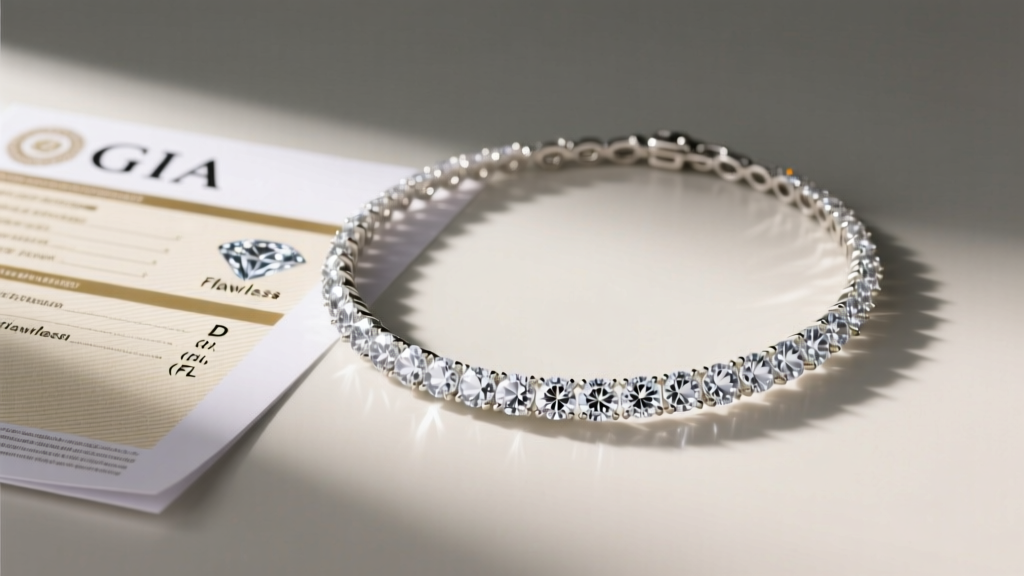
Never purchase a very expensive diamond necklace without exhaustive, independent documentation. The GIA (Gemological Institute of America) remains the gold standard for diamond grading. For necklaces featuring multiple large stones, buyers should request a GIA Diamond Focus report or a master plot detailing every primary stone.
Furthermore, provenance—the documented history of ownership—can drastically alter the valuation. A necklace previously owned by royalty or a Hollywood icon, or one that has been featured in a major museum exhibition, carries an intangible premium. Always verify the chain of custody through auction house archives or specialized provenance researchers.
Red Flags When Purchasing Luxury Diamond Jewelry
Even in the highest echelons of the jewelry market, buyers must remain vigilant against deceptive practices and structural compromises. Avoid any transaction if you encounter the following red flags:
- Undisclosed Lab-Grown Melee: While the center stones may be natural, some unscrupulous dealers mix lab-grown diamonds into the micro-pavé halos or secondary swags to cut costs. Demand a guarantee that all stones, regardless of size, are natural earth-mined diamonds unless explicitly stated otherwise.
- Clarity Enhancement: Fracture filling and laser drilling are unacceptable in investment-grade jewelry. These treatments compromise the structural integrity of the diamond and make it highly sensitive to heat during future repairs or resizing.
- Inferior Grading Reports: Be highly skeptical of necklaces accompanied solely by EGL, IGI, or HRD reports when priced at the top of the market. These laboratories are known for looser grading standards, meaning an 'F/VS1' on their report might equate to an 'H/SI1' under strict GIA standards.
- Weak Clasp Mechanisms: A heavy, multi-million-dollar Rivière necklace must feature a double-locking box clasp with dual figure-eight safety catches on both sides. A simple spring-ring or single-locking clasp on a heavy piece is a catastrophic structural failure waiting to happen.
Final Verdict: Securing Your Investment
Buying a very expensive diamond necklace in 2026 requires a synthesis of gemological expertise, market awareness, and structural scrutiny. By insisting on Type IIa purity, demanding GIA certification, and prioritizing Platinum 950 settings, collectors can acquire pieces that not only serve as breathtaking adornments but also as resilient, appreciating assets in a volatile global economy. Always work with a trusted, vetted high-jewelry advisor or a major auction house to ensure your acquisition is as secure as it is spectacular.


