How to Clean and Maintain Your Brown Jasper Necklace
Learn how to safely clean, store, and maintain your brown jasper necklace. Expert tips on avoiding chemical damage and preserving its natural polish.

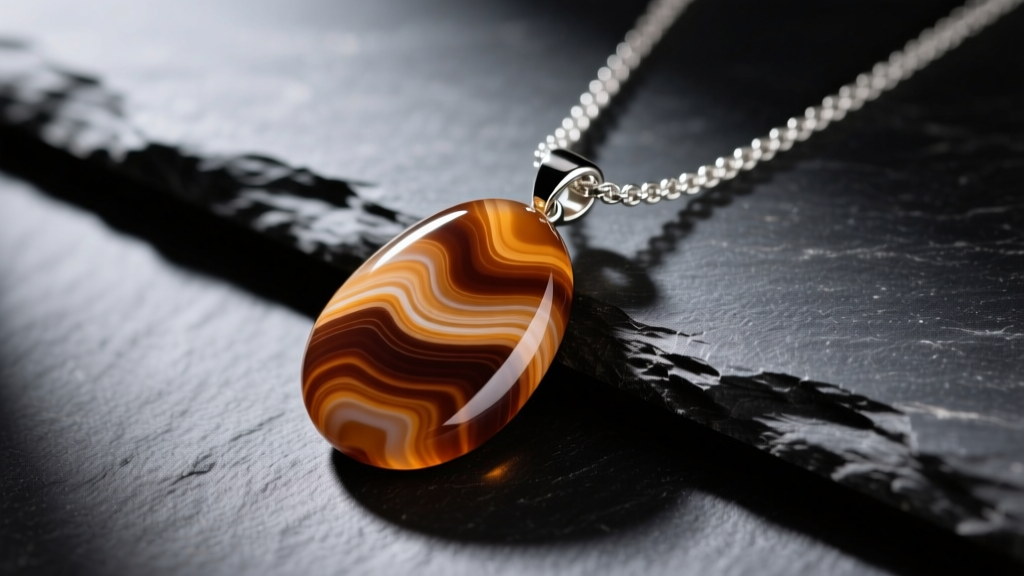
Understanding Brown Jasper: Mineralogy and Durability
Before applying any cleaning agents to your brown jasper necklace, it is crucial to understand the mineralogical properties of the stone. Jasper is an opaque, microcrystalline variety of quartz, specifically classified as a chalcedony. According to the Gemological Institute of America (GIA), chalcedony and jasper rank between 6.5 and 7 on the Mohs scale of hardness. While this makes your necklace relatively resistant to everyday scratches from dust and softer metals, it is not impervious to damage.
Unlike highly porous gemstones such as turquoise or opal, natural brown jasper has a very low porosity, meaning it will not readily absorb water or oils. However, the commercial jewelry market is flooded with 'dyed' jasper—often low-grade agate that has been chemically treated to achieve a rich, uniform brown hue. This distinction is vital for maintenance: while natural brown jasper can withstand gentle washing, dyed stones may bleed color or develop a cloudy, patchy appearance if exposed to warm water or harsh detergents. Always test a small, inconspicuous bead near the clasp with a damp cotton swab before fully submerging your necklace.
The Step-by-Step Cleaning Routine
To safely remove accumulated sebum, dead skin cells, and environmental pollutants from your brown jasper necklace, follow this specialized gemstone cleaning protocol. This method is safe for both the stone and common hardware like sterling silver or gold vermeil.
Step 1: Prepare the Cleaning Solution
Fill a small glass or ceramic bowl with lukewarm distilled water. Avoid tap water, as the dissolved minerals and chlorine can leave microscopic deposits on the stone's polish. Add two to three drops of a pH-neutral, phosphate-free dish soap (such as Dawn or a dedicated jewelry cleaning liquid). Do not use hot water, as sudden thermal expansion can cause internal fractures in stones with microscopic inclusions.
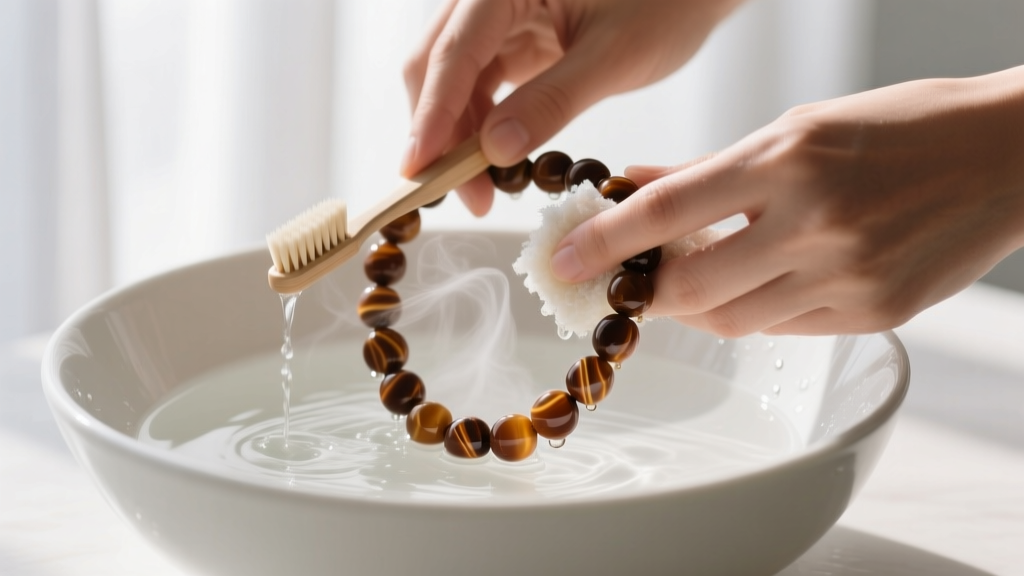
Step 2: Gentle Agitation
Submerge the necklace and let it soak for no more than three to five minutes. Using an extra-soft baby toothbrush or a dedicated makeup brush, gently sweep the bristles across the surface of the jasper beads. Pay special attention to the areas around the drill holes and the clasp mechanism, where dirt and cosmetic residues tend to compact. Never use a hard-bristled brush, as repeated abrasion can eventually dull the factory polish of the chalcedony.
Step 3: Rinsing and Drying
Rinse the necklace thoroughly under a gentle stream of lukewarm distilled water to remove all soap residue. Soap film is the primary culprit behind a 'cloudy' appearance in opaque gemstones. Immediately pat the necklace dry with a lint-free microfiber cloth. Do not allow the necklace to air dry, as evaporating water will leave stubborn mineral spots on the surface of the beads and accelerate the tarnishing of silver hardware.
The Chemical Danger Zone: What to Avoid
When maintaining a brown jasper necklace, knowing what not to do is just as important as your cleaning routine. According to mineralogical data from Mindat.org, quartz-based minerals can be highly reactive to specific chemical environments.
- Ultrasonic Cleaners: While often touted as a miracle solution for jewelry, ultrasonic waves create microscopic cavitation bubbles that implode against the stone. If your brown jasper contains internal stress fractures or natural vugs, these shockwaves can shatter the bead from the inside out.
- Steam Cleaners: The intense, localized heat from steam can cause thermal shock, leading to surface crazing or the complete separation of dyed agate masquerading as jasper.
- Harsh Household Chemicals: Bleach, ammonia, and acetone will strip the protective wax or resin coatings often applied to tumbled jasper beads, leaving them dry, brittle, and dull.
Polishing and Restoring the Luster
Over time, friction from clothing and contact with the skin can create micro-abrasions on the surface of your brown jasper, diminishing its reflective luster. For routine maintenance, buffing the beads with a clean, dry jeweler's microfiber cloth is sufficient to restore a gentle shine.
If your necklace has sustained deeper scratches or has lost its high-gloss factory finish, professional lapidary polishing is required. Lapidaries typically use cerium oxide powder mixed with water on a felt wheel to re-polish quartz-family stones. While DIY gemstone polishing kits exist, attempting to re-polish a fully strung beaded necklace at home is highly discouraged; the friction heat generated by a Dremel tool can easily melt the nylon or silk threading, resulting in a catastrophic strand failure.
Environmental Threats and Storage Solutions
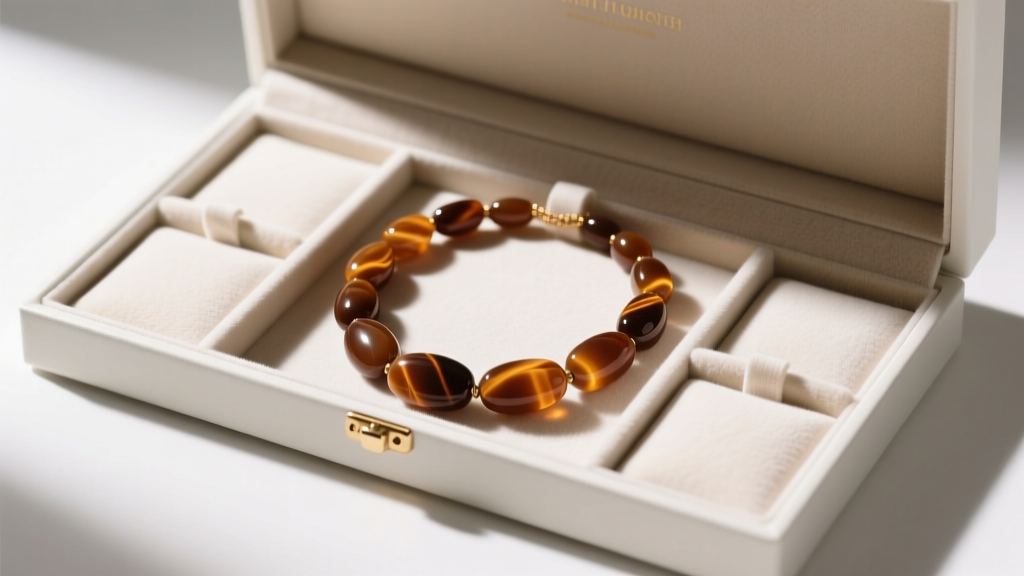
Proper storage is the cornerstone of long-term jewelry preservation. Brown jasper is tough, but the hardware and stringing materials are highly susceptible to environmental degradation. Below is a breakdown of common environmental threats and how to mitigate them.
| Environmental Threat | Impact on Necklace | Prevention Strategy |
|---|---|---|
| High Humidity | Accelerates oxidation and tarnishing of sterling silver clasps and jump rings. | Store with silica gel packets or anti-tarnish strips in an airtight container. |
| Direct Sunlight (UV) | Prolonged UV exposure can fade heat-treated or dyed brown jasper over several years. | Keep jewelry in a closed drawer or opaque jewelry box away from windows. |
| Friction & Impact | Scratches from harder gemstones (like diamonds or sapphires) and chipping from drops. | Store the necklace flat in a soft velvet pouch, separated from other jewelry. |
Caring for the Necklace Hardware and Stringing
The longevity of your brown jasper necklace relies heavily on the integrity of its stringing material and metal hardware. If your necklace is strung on a flexible beading wire (such as Soft Flex or Accu-Flex), inspect the wire near the crimp beads every six months. Look for signs of fraying, kinking, or exposed steel strands. A compromised wire will inevitably snap, often resulting in the loss of the beads.
For the metal components, use a dedicated silver polishing cloth for sterling silver clasps, ensuring you do not rub the polishing compound onto the jasper beads themselves, as it can lodge in the drill holes and create a gray, gritty buildup. If your necklace features gold vermeil (a thick layer of gold over sterling silver), avoid polishing cloths entirely, as the mild abrasives will eventually strip the gold plating. Instead, rely solely on the gentle soap-and-water cleaning method detailed above.
Summary Maintenance Checklist
To keep your brown jasper necklace looking pristine for decades, integrate these actionable steps into your jewelry care routine:
- Weekly: Wipe down the beads with a dry microfiber cloth after wearing to remove skin oils and perfumes.
- Monthly: Perform a gentle wash with lukewarm distilled water and pH-neutral soap, followed by immediate microfiber drying.
- Bi-Annually: Inspect the stringing wire for kinks, check the clasp mechanism for secure closure, and ensure jump rings are fully closed.
- Annually: Replace anti-tarnish strips in your storage box and evaluate the necklace for any professional polishing or restringing needs.


