Is a Vintage Coach Necklace Worth It? 2026 Value Guide
Discover the true market value of a vintage Coach necklace in 2026. Learn authentication tips, material grades, pricing tables, and condition grading.

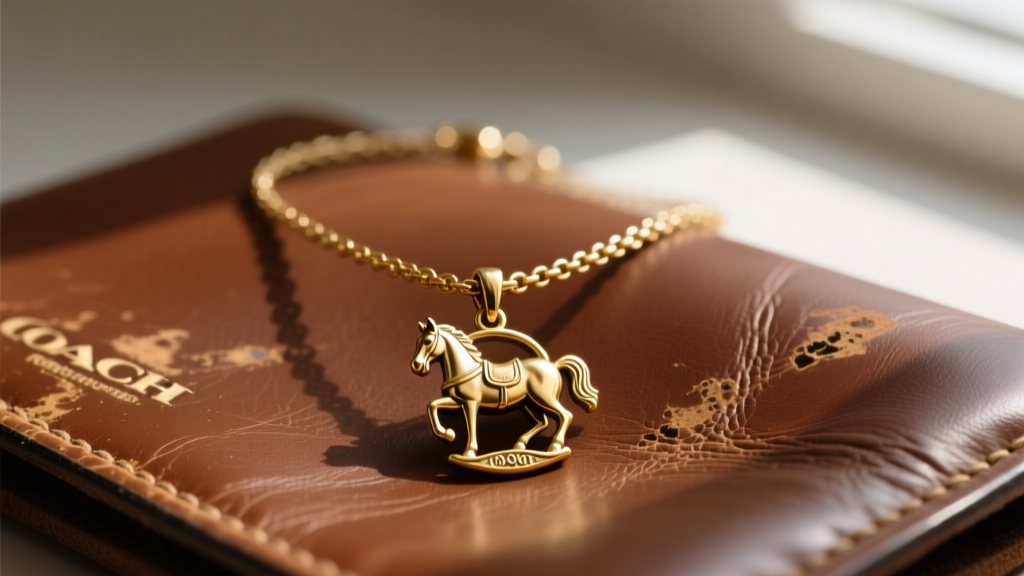
The Allure of Vintage Coach Jewelry: Beyond the Leather
When collectors and fashion enthusiasts think of Coach, the mind immediately goes to heritage leather goods, sturdy canvas totes, and iconic turnlock closures. However, the brand's foray into fashion jewelry during the 1980s and 1990s created a secondary market that remains highly active today. A vintage Coach necklace represents a specific era of American accessible luxury, characterized by heavy cast metals, distinct branding, and a nostalgic aesthetic that pairs seamlessly with modern streetwear and minimalist layering trends.
But as we navigate the 2026 resale market, the critical question for buyers and collectors is one of budget and value assessment. Are these pieces solid investments, or merely overpriced costume jewelry riding the coattails of the Y2K and 90s fashion revivals? To answer this, we must look past the logo and evaluate the metallurgy, manufacturing techniques, and historical significance of these accessories. According to the Vintage Fashion Guild, evaluating costume jewelry requires a strict assessment of base materials and hardware integrity, as these factors dictate both longevity and resale value.
Material Breakdown: What Are You Actually Buying?
Unlike fine jewelry brands that utilize solid 14k or 18k gold, vintage Coach necklaces are fundamentally high-end costume jewelry. Understanding the exact material composition is the first step in assessing whether a asking price is justified.
- Base Metal: The vast majority of vintage Coach pendants and chains are cast from jeweler's brass. This alloy provides a satisfying, heavy drape and weight that mimics fine jewelry, avoiding the lightweight, hollow feel of cheaper stamped aluminum alternatives.
- Plating: Pieces were typically flash-plated in gold-tone or silver-tone finishes. In the 1980s and 90s, this plating was often quite thin (usually under 0.5 microns). While it provided a brilliant initial luster, it is highly susceptible to wear over decades of use.
- Accents: Many necklaces feature cold enamel (usually in Coach's signature black, navy, or deep red) or Swarovski-manufactured crystal pavé, particularly on the horse and carriage motifs.
Common Failure Modes and Value Deductions
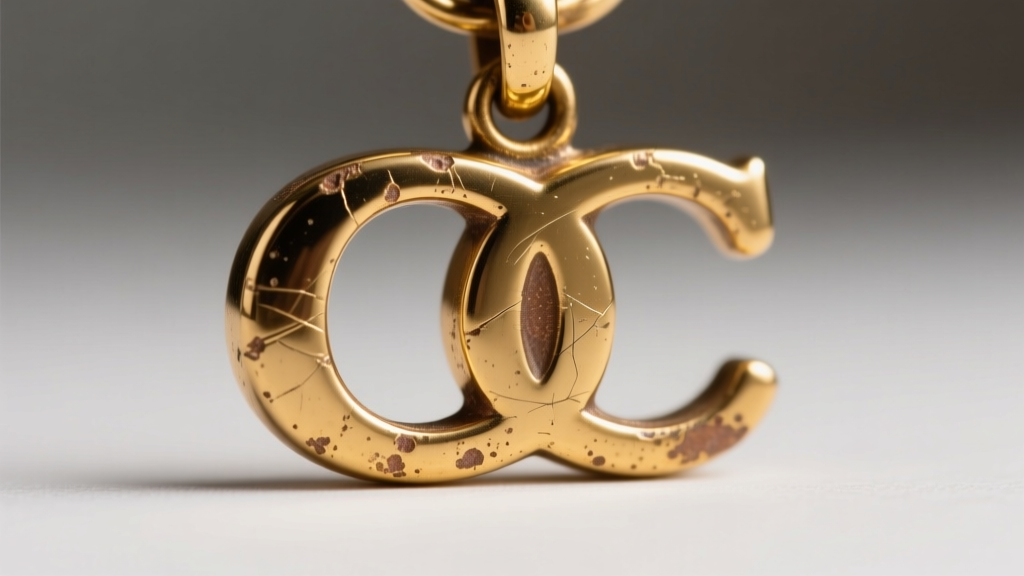
When conducting a budget assessment, you must actively look for specific degradation patterns that severely impact a vintage Coach necklace's value. Brassing is the most common issue; this occurs when the gold-tone plating wears away on high-friction areas (like the back of the pendant or the clasp), revealing the oxidized, darker brass underneath. While some collectors accept minor brassing as a patina of age, severe flaking should reduce the piece's value by at least 40%. Additionally, inspect the cold enamel for micro-chipping. Enamel repair on vintage pieces is notoriously difficult and rarely color-matches the original factory formula, rendering chipped pieces strictly 'fair' condition.
2026 Market Pricing: What Should a Vintage Coach Necklace Cost?
The secondary market for vintage accessories has stabilized significantly by 2026, moving away from the hyper-inflated pandemic-era bidding wars on platforms like Depop and eBay. Today, pricing is strictly dictated by rarity, motif, and condition. Below is a comprehensive value matrix based on recent completed sales and vintage dealer pricing models.
| Necklace Style | Era | Material Profile | Mint Condition Price | Good Condition Price |
|---|---|---|---|---|
| Signature 'C' Pendant (Small) | 1990s | Gold-plated brass | $45 - $65 | $20 - $35 |
| Horse & Carriage Crystal | 1980s-90s | Silver-tone/Crystal | $80 - $130 | $40 - $70 |
| Turnlock Motif Chain | Early 2000s | Enamel/Gold-tone | $50 - $85 | $25 - $45 |
| Runway Statement Collar | 1980s | Mixed metals/Resin | $150 - $250 | $90 - $140 |
Note: 'Mint' implies original packaging, zero plating loss, and pristine clasps. 'Good' implies wearable condition with minor micro-scratches or slight chain stretching, but no structural damage or missing stones.
Authentication & Condition Grading Framework
The proliferation of counterfeit vintage accessories means that authenticating a vintage Coach necklace is a mandatory step before transferring funds. Counterfeiters often struggle to replicate the precise weight and stamping depth of genuine 20th-century Coach hardware. Services like Real Authentication frequently highlight that the hallmark stamp is the most reliable indicator of provenance for vintage Coach accessories.

The 3-Point Authentication Checklist
- The Hallmark Stamp: Genuine vintage pieces will feature a deeply stamped, crisp '© COACH' or simply 'COACH' on the reverse of the pendant or on an attached metal hangtag. The font should be a clean, sans-serif typeface. Fakes often exhibit shallow, laser-etched, or blurred stamps with incorrect kerning.
- Hardware Weight and Casting: Coach utilized sand-cast or die-cast brass for their pendants. The edges should feel smooth but substantial. If the pendant feels unusually light, hollow, or features rough, unfinished seams along the edges, it is likely a modern, cheaply manufactured knockoff.
- Clasp Evolution: Pay attention to the clasp. Early 1980s pieces frequently utilized small spring-ring clasps, while the late 1990s and early 2000s transitioned to heavier lobster-claw clasps. The clasp should bear the Coach stamp or match the exact plating tone of the chain. A mismatched, modern stainless steel clasp on a purportedly 1980s gold-tone chain is a massive red flag indicating a franken-piece or outright fake.
Styling and Care: Preserving Your Investment
Once you have acquired a genuine vintage Coach necklace within your budget, proper maintenance is required to halt further depreciation. Because these pieces rely on thin flash-plating over reactive brass, your cleaning and storage protocols must be meticulous.
Never use ultrasonic cleaners or harsh chemical dips. These will strip the gold or silver plating entirely within seconds, leaving you with a raw brass pendant that will rapidly oxidize and turn your skin green. Instead, use a dry, untreated microfiber cloth to gently buff away skin oils after each wear. If the piece requires deeper cleaning, use a drop of mild, phosphate-free dish soap on a damp cotton swab, carefully avoiding any crystal settings or enamel inlays.
For styling, the chunky, substantial nature of 90s Coach chains makes them ideal anchor pieces for modern layering. Pair a 20-inch gold-tone Coach curb chain with a delicate, modern 16-inch solid gold vermeil choker. The contrast between the heavy, nostalgic brass hardware and refined modern metals creates a curated, eclectic aesthetic that justifies the hunt for these vintage treasures. Store your necklaces individually in anti-tarnish ziplock bags with silica gel packets to control humidity and prevent the dreaded brass oxidation from bleeding through the plating.
Ultimately, the value of a vintage Coach necklace in 2026 lies not in its intrinsic melt-value, but in its historical design, heavy-duty construction, and enduring cultural cachet. By applying this strict budget and assessment framework, you can confidently navigate the vintage market and secure a piece of American fashion history at a fair, market-appropriate price.


