Browning Necklace Buying Guide: Materials and Styles
Discover what to look for in a Browning necklace. Our buying guide covers 316L steel, sterling silver, chain gauges, and authentic outdoor styling.

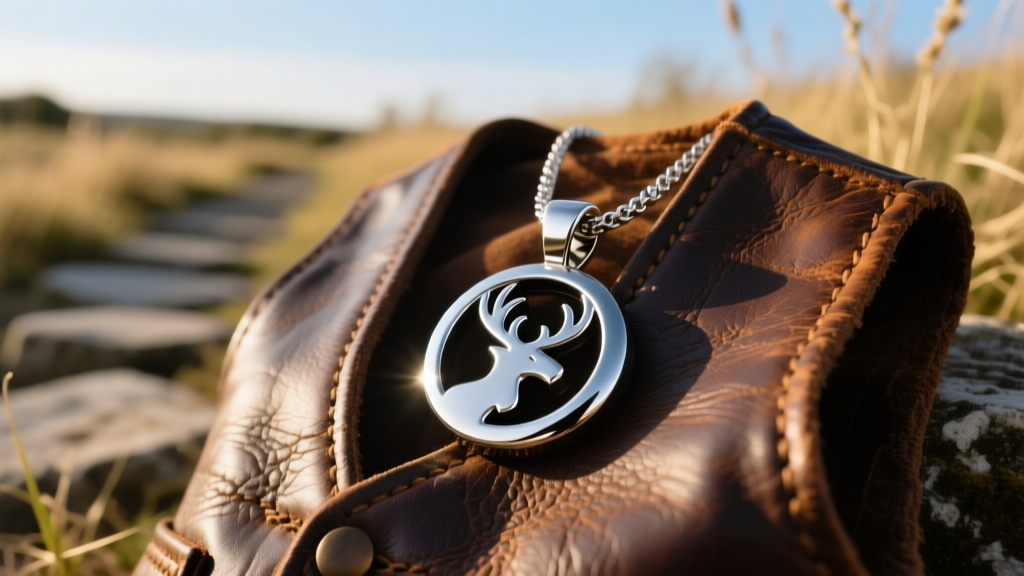
The Intersection of Field Gear and Fine Jewelry
For hunters, sport shooters, and outdoor enthusiasts, jewelry must withstand harsh environmental factors. A browning necklace—whether it features the iconic, officially licensed Buckmark logo or is a custom artisan piece crafted from repurposed brass casings—bridges the gap between rugged field gear and everyday lifestyle styling. However, not all outdoor jewelry is created equal. Many mass-produced pendants fail within a single hunting season due to poor metallurgy, weak chain clasps, or an inability to resist corrosive elements like sweat, gun oil, and insect repellents.
This comprehensive buying guide breaks down the exact material grades, chain gauges, and structural details you need to evaluate before purchasing a Browning necklace. By understanding the metallurgy and mechanics of outdoor jewelry, you can invest in a piece that survives the field and maintains its aesthetic integrity for decades.
Material Metallurgy: What Survives the Field?
The pendant material dictates the lifespan of your necklace. When exposed to the acidic pH of human sweat, sulfur from gunpowder residue, and chemical solvents, inferior metals will pit, tarnish, or snap. Here is a deep dive into the three most common materials used in hunting-themed necklaces.
316L Surgical Stainless Steel
If you want a low-maintenance, highly durable Browning necklace, 316L stainless steel is the gold standard. Unlike standard 304 stainless steel, 316L contains molybdenum, an alloying element that drastically increases resistance to chlorides and industrial solvents. This means it will not pit or rust when exposed to heavy sweat or saltwater. According to the Gemological Institute of America (GIA), stainless steel alloys with high chromium and molybdenum content form an invisible, self-repairing oxide layer that prevents corrosion. Most officially licensed Browning Buckmark pendants are cast in 316L, making them ideal for daily wear in the blind or on the range.
925 Sterling Silver
Sterling silver offers a premium, high-contrast aesthetic that pairs beautifully with both casual and formal outdoor wear. However, 925 silver is 92.5% silver and 7.5% copper. That copper content makes it highly susceptible to oxidation and tarnishing, especially when exposed to sulfur-rich environments (like a shooting range) or high humidity. If you opt for a sterling silver Browning necklace, look for pieces that have been rhodium-plated or e-coated to delay tarnishing. Expect to pay a premium, but accept that it will require regular polishing.
Artisan Brass and Bronze
Many custom Browning-style necklaces are crafted by artisans using repurposed ammunition casings or cast bronze. Brass is an alloy of copper and zinc. When exposed to the elements, it develops a verdigris patina. Some outdoorsmen love this weathered, vintage look, while others prefer to seal the metal with a micro-crystalline wax to maintain its bright, golden luster.
| Material Grade | Best Application | Corrosion / Tarnish Risk | Average Price Range |
|---|---|---|---|
| 316L Stainless Steel | Daily field wear, high sweat, saltwater | Extremely Low (Pitting resistant) | $35 - $75 |
| 925 Sterling Silver | Casual wear, club events, light outdoor | High (Requires frequent polishing) | $85 - $160 |
| Cast Bronze / Brass | Artisan pieces, vintage aesthetic | Moderate (Develops natural patina) | $40 - $90 |
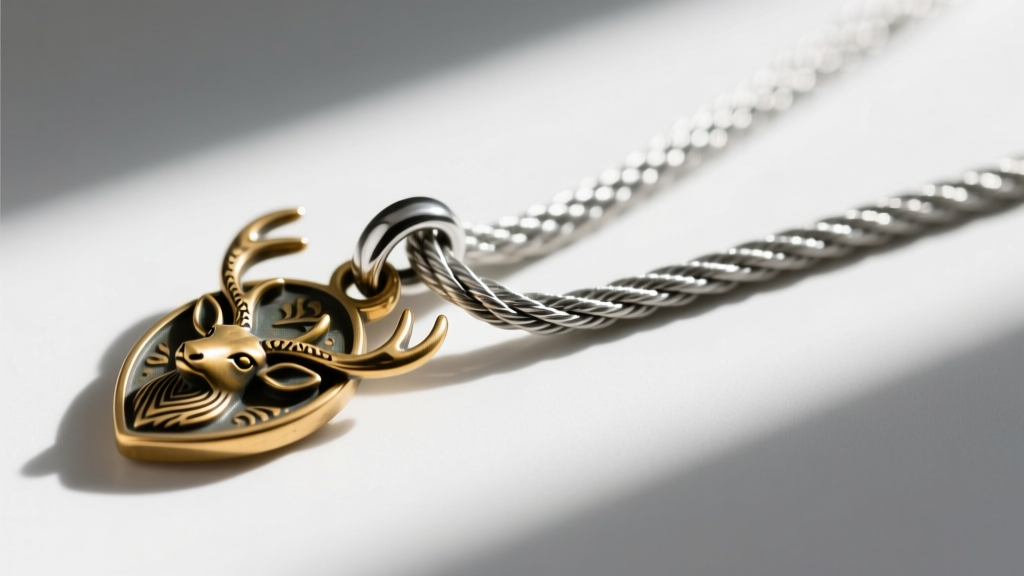
Chain Mechanics and Gauge Sizing
The pendant is only half the equation; the chain is where most outdoor necklaces fail. A heavy brass or steel Browning pendant will easily snap a thin, low-gauge chain during physical activity like climbing into a tree stand or hiking through dense brush.
Understanding Wire Gauge
Chain durability is measured in wire gauge and millimeter thickness. Avoid anything thinner than 18-gauge (approx. 1.0mm) for a hunting pendant. For optimal field durability, look for chains in the 14-gauge to 16-gauge range (1.5mm to 2.0mm). If you prefer a thicker, more masculine aesthetic, a 4mm to 6mm rope or curb chain provides exceptional tensile strength.
The Weak Point: Clasps and Jump Rings
The most common failure point on any necklace is the jump ring—the small circular loop that connects the pendant to the chain. On cheap jewelry, this ring is simply bent closed, leaving a microscopic gap that can pull apart under tension. Always inspect the jump ring on a Browning necklace. It must be soldered closed (fused with heat so there is no seam). Additionally, avoid spring-ring clasps, which are prone to snapping in cold weather when finger dexterity is low. Opt for a heavy-duty lobster clasp or a magnetic tactical clasp rated for at least 30 lbs of pull force.
Chain Styles for the Outdoorsman
- Rope Chains: Excellent durability and a classic look. The twisted links distribute weight evenly, making them ideal for heavier Buckmark pendants.
- Curb Chains: Flat, interlocking links that lay flush against the chest. Great for wearing under a t-shirt or base layer without snagging.
- Ball Chains: Often used for dog tags, but generally discouraged for heavy pendants. The small connector beads can snap under sudden lateral tension.
Pendant Proportions and Field Fit
Sizing a Browning necklace correctly ensures it complements your build and works with your outdoor layering system. Pendant dimensions and chain length must be balanced.
For men, the standard Browning Buckmark pendant typically measures between 1.25 inches and 1.75 inches in height. A pendant larger than 2 inches can feel cumbersome and may catch on rifle slings or jacket zippers. For women, a scaled-down 0.75-inch to 1-inch pendant offers a subtle nod to the hunting lifestyle without overwhelming the neckline.
Chain length is equally critical. A 20-inch chain sits at the collarbone, ideal for wearing over a t-shirt in the summer. A 22-inch to 24-inch chain sits lower on the sternum, allowing the necklace to rest comfortably over a flannel shirt or light fleece. If you plan to wear the necklace outside of a heavy winter parka, you may need to size up to a 26-inch chain or utilize a tactical paracord extender.
Authenticity and Licensing
The outdoor apparel and jewelry market is flooded with unlicensed knockoffs. If you are specifically seeking an authentic Browning necklace, you must verify licensing. According to Browning's official brand guidelines, licensed merchandise will often feature specific trademark stamps, holographic tags, or be sold through authorized pro shops and major sporting goods retailers.
When buying from online marketplaces, scrutinize the product photos. Authentic 316L steel Buckmark pendants will have crisp, CNC-machined or high-quality cast edges, with deep, clean enamel fills (usually black or red). Counterfeit versions often feature shallow engravings, sloppy paint fills, and lightweight, hollow-feeling metals. If the price seems too good to be true—such as a massive, heavy sterling silver pendant for $25—it is almost certainly a zinc alloy plated in a thin wash of silver that will flake off within weeks.
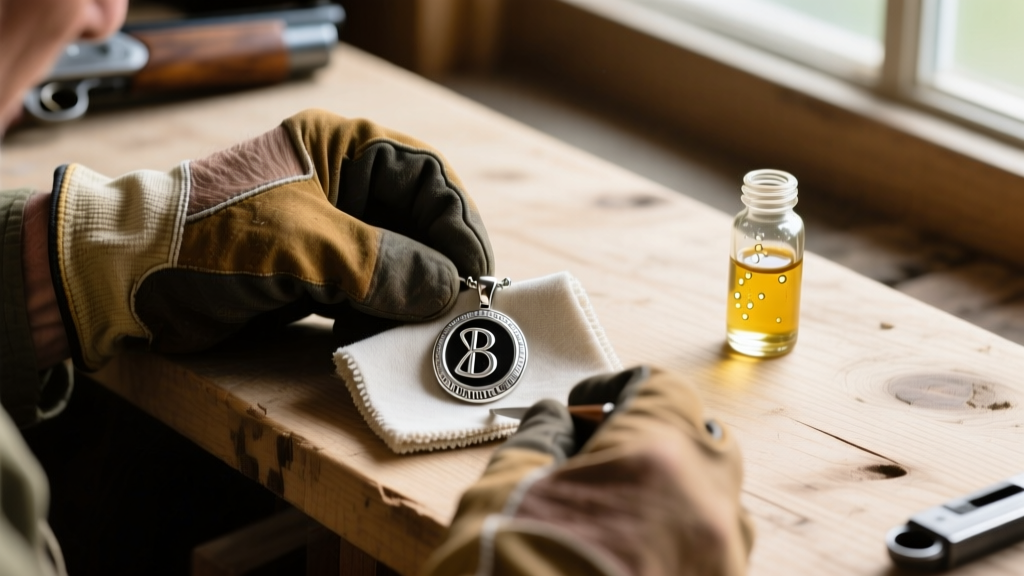
Maintenance: Surviving DEET, Sweat, and Solvents
Outdoor jewelry faces chemical assaults that everyday jewelry never encounters. Proper maintenance is required to keep your Browning necklace in peak condition.
The Danger of DEET and Bug Sprays
N,N-Diethyl-meta-toluamide (DEET) is a powerful solvent found in most insect repellents. While DEET will not harm 316L stainless steel, it can strip protective rhodium plating off sterling silver and melt certain synthetic coatings or enamel fills on cheaper pendants. Always apply bug spray before putting on your necklace, and wipe the pendant down with a damp cloth at the end of the day.
Gun Oil and Carbon Fouling
Solvents like Hoppe's No. 9 and CLP (Cleaner, Lubricant, Protectant) are designed to strip carbon and copper fouling from rifle barrels. If these chemicals transfer from your hands to your sterling silver or brass necklace, they will accelerate oxidation and strip the metal's polish. As recommended by Jewelers of America, always wash your hands thoroughly with a degreasing soap after cleaning firearms and before handling your jewelry.
Routine Cleaning Protocol
For 316L stainless steel, a simple wipe-down with a microfiber cloth and a drop of mild dish soap is sufficient to remove sweat and skin oils. For sterling silver, invest in a treated silver-polishing cloth. Avoid liquid silver dips, as they are highly abrasive and can strip the antiquing (the intentional black oxidation in the crevices of the Buckmark logo that gives the design its depth and contrast).
Final Verdict: Choosing Your Field Companion
A Browning necklace is more than just an accessory; it is a statement of outdoor heritage and lifestyle. By prioritizing 316L surgical stainless steel for low-maintenance durability, insisting on soldered jump rings and heavy-gauge chains, and properly maintaining the metal against field chemicals, you ensure your jewelry survives the hunt. Whether you are tracking game in the backcountry or simply displaying your passion at the local sporting club, selecting the right materials and proportions guarantees your necklace will perform flawlessly in any environment.


