Blue Choker Necklace Guide: Styles, Fits & Pairing Tips
Discover how to choose and style the perfect blue choker necklace. Learn about materials, neckline pairings, and sizing for a flawless everyday look.

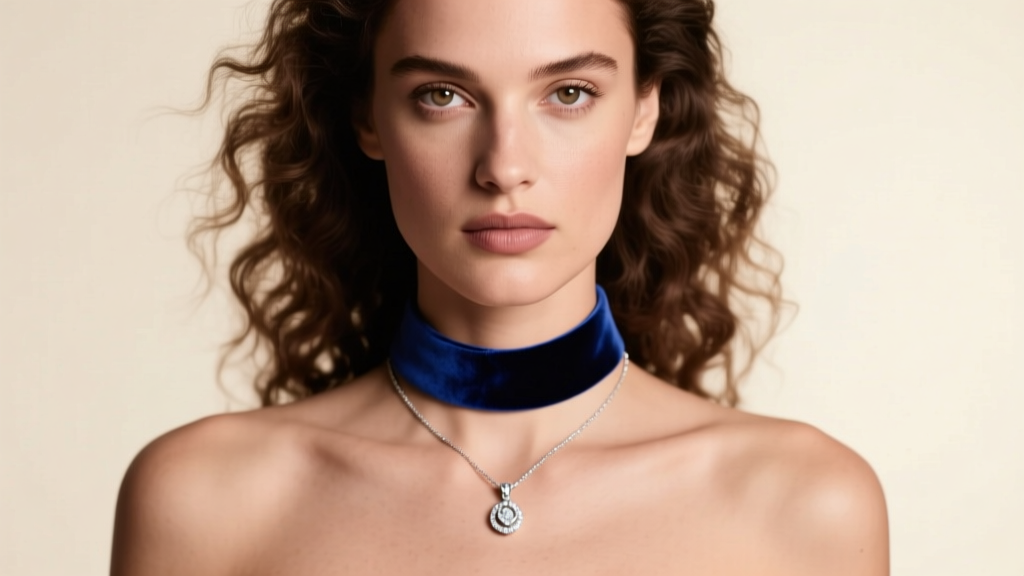
The Resurgence of the Blue Choker Necklace
The blue choker necklace has transcended its 1990s grunge roots and Victorian aristocratic origins to become a staple of modern jewelry wardrobes. Unlike standard 18-inch princess chains, a choker sits snugly at the base of the neck, demanding attention and framing the face. But introducing a bold color like blue into your daily rotation requires an understanding of color theory, material durability, and precise anatomical sizing. Whether you are drawn to the moody elegance of navy velvet or the vibrant pop of cobalt enamel, this beginner-friendly explainer will equip you with the exact specifications needed to choose, fit, and style your blue choker with confidence.
Decoding Materials: Velvet, Enamel, and Gemstones
Not all chokers are created equal. The material dictates not only the price point but the lifespan and maintenance requirements of the piece. When shopping for a blue choker necklace, you will primarily encounter three material categories.
1. Velvet and Ribbon
A classic navy or royal blue velvet ribbon choker is a timeless choice. However, pay close attention to the fabric grade. Cheap synthetic cotton velvets are prone to pilling and edge-fraying after just three to four wears. For longevity, seek out silk-blend velvet or high-grade rayon velvet backed with grosgrain ribbon. The ideal width for a comfortable, modern velvet choker is between 3/8-inch and 5/8-inch. Anything wider than 1-inch can feel restrictive and trap heat against the skin.
2. Vitreous vs. Cold Enamel
For a sleek, contemporary look, a cobalt or cerulean blue enamel choker on a sterling silver base is unmatched. It is crucial to understand the difference between vitreous enamel and cold enamel. Vitreous enamel is kiln-fired at over 1400°F, fusing glass powder to metal. It is highly scratch-resistant and will never yellow, though it can shatter if dropped on a hard tile floor. Cold enamel (epoxy resin) is cured at room temperature. While more impact-resistant, cold enamel is susceptible to UV yellowing over two to three years and can be scratched by everyday wear.
3. Gemstones: Lapis Lazuli vs. Sapphire
If you prefer a beaded or solid gemstone choker, blue offers two distinct geological options. Lapis lazuli provides a stunning, opaque royal blue with golden pyrite flecks. However, it ranks at a mere 5.5 on the Mohs hardness scale and contains calcite, making it highly porous and vulnerable to acids found in sweat and perfume. Conversely, blue sapphire ranks at a 9 on the Mohs scale, making it virtually impervious to daily scratches and perfectly safe for lifelong wear. For a deeper dive into gemstone durability, consult the GIA's Lapis Lazuli Guide and the GIA's Sapphire Guide.
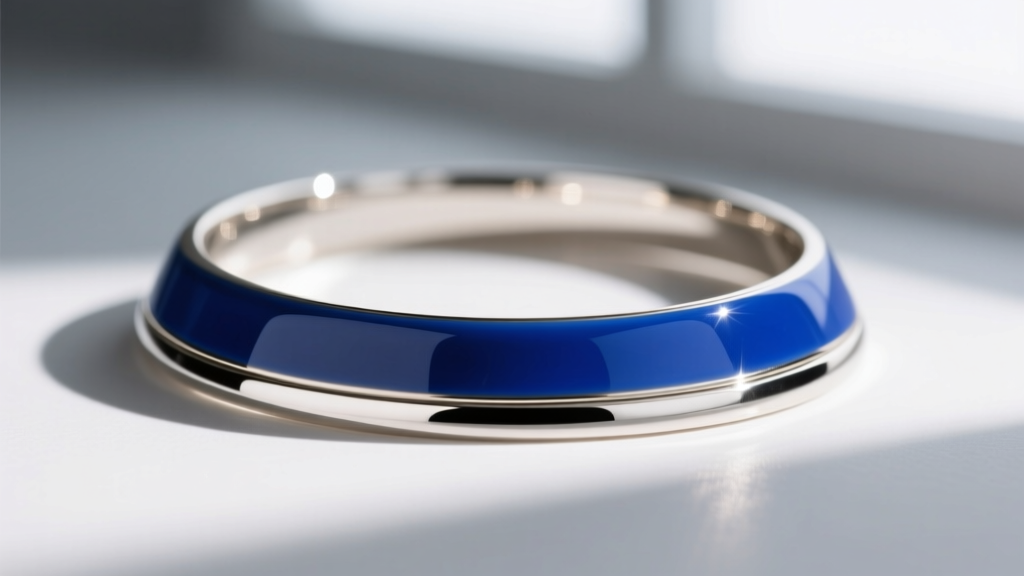
Material Comparison Chart
| Material | Durability (Mohs/Scale) | Avg. Price Range | Maintenance Level | Best Occasion |
|---|---|---|---|---|
| Silk-Blend Velvet | N/A (Fabric) | $25 - $85 | Medium (Dry clean only) | Evening wear, Winter |
| Vitreous Enamel | 6 - 7 (Glass) | $120 - $450 | Low (Wipe with cloth) | Office, Everyday |
| Lapis Lazuli | 5.5 (Porous) | $60 - $200 | High (Avoid water/acid) | Boho, Casual |
| Blue Sapphire | 9 (Excellent) | $800 - $5,000+ | Low (Ultrasonic safe) | Formal, Heirloom |
Sizing and Fit: Finding Your Exact Neck Measurement
The most common failure point for beginners buying a blue choker necklace is improper sizing. A choker that is too tight will cause skin irritation and restrict swallowing, while one that is too loose will slide down into the collarbone, losing its defining silhouette.
The Measurement Protocol
Do not guess your neck size. Use a soft, flexible tailor's measuring tape. Wrap it snugly around the middle of your neck, exactly where you want the choker to sit. Note the measurement in inches. To achieve the perfect fit, add exactly 0.75 to 1 inch to your raw measurement. For example, if your neck measures 13 inches, your ideal choker length is 13.75 to 14 inches.
Standard Lengths and Extenders
- 14 Inches: Fits necks up to 13 inches. Sits snugly in the hollow of the neck.
- 15 Inches: The industry standard. Fits necks up to 14 inches. Offers a comfortable, breathable sit.
- 16 Inches: Borders on 'princess' length. Best for those with larger neck circumferences or those who prefer a looser drape.
Pro-Tip: Always purchase a choker that includes a 2-inch extender chain. This allows for micro-adjustments based on collar thickness and natural daily swelling. Furthermore, inspect the clasp. A 10mm to 12mm lobster claw clasp is vastly superior to a standard 5mm spring ring, which frequently fails due to weak internal tension springs.
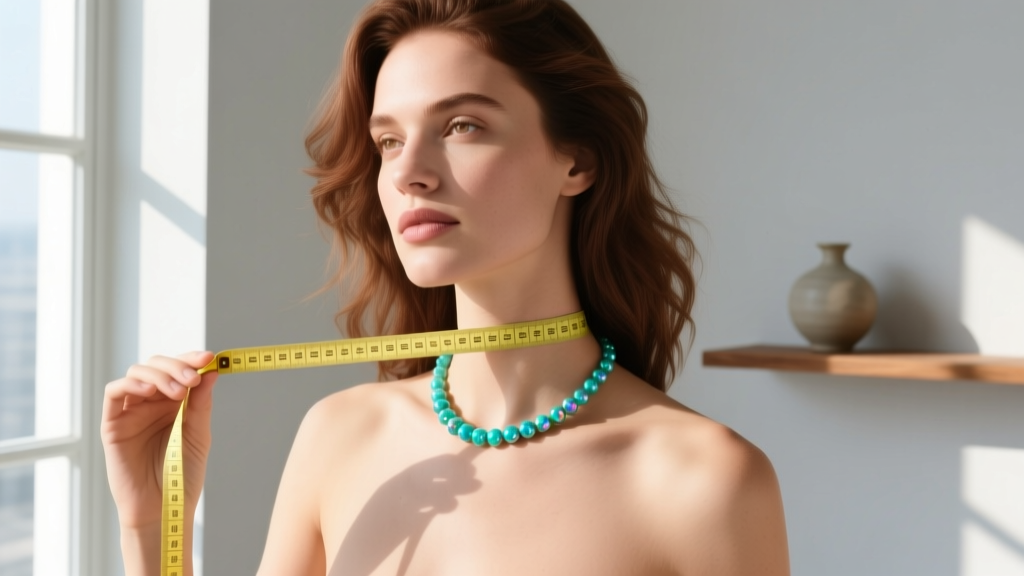
Color Theory: Matching Blue Tones to Your Skin Undertone
Blue is universally considered a versatile color, but the specific shade of your blue choker necklace can dramatically alter your complexion based on your skin's undertone.
Cool Undertones
If your veins appear blue or purple under natural light, you likely have cool undertones. Opt for jewel-toned blues like sapphire, navy, or icy baby blue. These shades harmonize with the pink and red undertones in your skin, creating a brightening effect that makes the eyes pop.
Warm Undertones
If your veins lean green or olive, you have warm undertones. Your best blue chokers will feature hints of green or gray. Think turquoise, teal, or a muted slate blue. These shades complement the golden and peachy hues in your skin without washing you out.
Neutral Undertones
If you cannot distinctly identify warm or cool veins, you are neutral. You have the luxury of wearing any shade of blue, though a rich, true cobalt or royal blue will provide the most striking contrast against your balanced complexion.
Neckline Pairings: What to Wear With Your Choker
A choker acts as a horizontal line across the neck. To create a flattering silhouette, you must pair it with clothing necklines that either parallel or contrast this geometry intentionally.
- The V-Neck (Ideal): The deep vertical plunge of a V-neck contrasts beautifully with the horizontal line of a blue choker, elongating the neck and torso. This is the most foolproof pairing.
- The Scoop Neck (Excellent): A wide scoop neck creates a parallel curve below the choker, framing the collarbone and allowing the blue hue to stand out against bare skin.
- Off-the-Shoulder (Striking): By removing fabric from the shoulders entirely, an off-the-shoulder top anchors the visual weight entirely on the neck and face, making a bold cobalt or navy choker the undisputed focal point.
- The Boatneck / Bateau (Avoid): A boatneck cuts horizontally across the collarbones. Pairing it with a horizontal choker creates a harsh, boxed-in visual effect that shortens the appearance of the neck.
Care and Maintenance for Longevity
Because chokers sit directly against the pulse points, they are constantly exposed to body heat, sweat, and skincare products. Proper maintenance is non-negotiable.
For velvet chokers, never submerge the fabric in water. Spot clean with a damp microfiber cloth and a drop of mild baby shampoo, then lay flat to dry. Store them rolled, not folded, to prevent permanent creasing in the pile.
For enamel and gemstone chokers, always apply your perfume, hairspray, and lotions at least five minutes before putting on your jewelry. The alcohol and chemical solvents in cosmetics can degrade cold enamel resins and strip the natural oils from porous stones like lapis lazuli. Wipe down your enamel and sapphire pieces with a dry, lint-free jeweler's cloth after every wear to remove acidic skin oils.
By understanding the precise material grades, anatomical sizing rules, and color theory behind the blue choker necklace, you can elevate this accessory from a fleeting trend to a permanent, sophisticated pillar of your personal style.


