Troubleshooting Your Brunello Cucinelli Necklace: Care & Repair
Learn how to troubleshoot, clean, and authenticate your Brunello Cucinelli necklace. Expert tips on restoring mixed-media luxury jewelry.

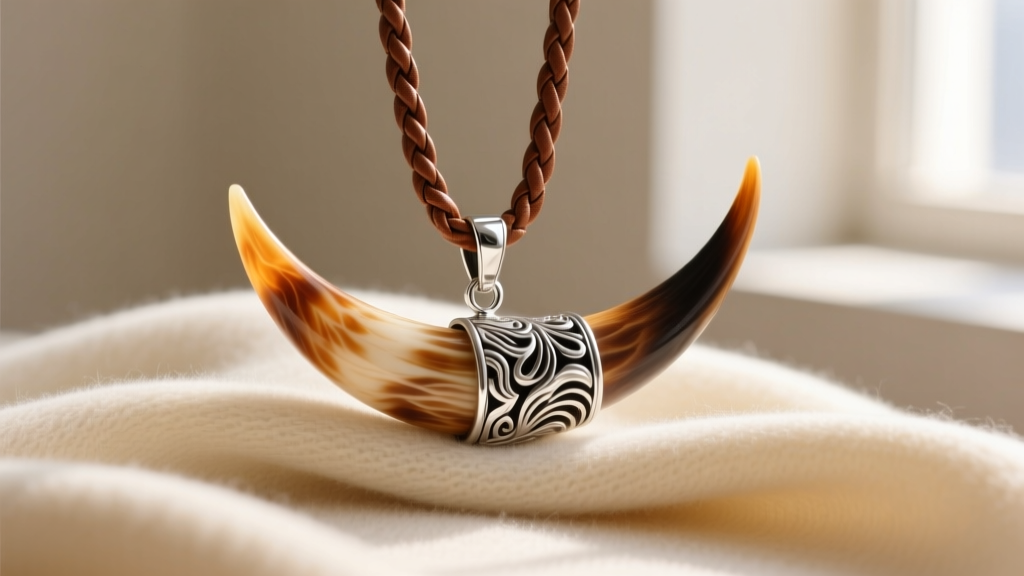
Brunello Cucinelli is synonymous with the 'sporty chic' and 'quiet luxury' aesthetics, utilizing a masterful blend of 925 sterling silver, ethically sourced horn, and braided Nappa leather. However, as the secondary market for heritage luxury goods surges in 2026, owners and collectors face unique maintenance challenges. Mixed-media jewelry requires a highly specialized approach to care; treating a Brunello Cucinelli necklace like a standard solid-gold or pure-silver piece will result in irreversible damage to its organic components. This comprehensive troubleshooting guide addresses the most common failure points, cleaning hazards, and authentication hurdles associated with these exquisite Solomeo-crafted pieces.
Identifying Material Composition and Common Failure Points
Unlike homogenous metal chains, Brunello Cucinelli necklaces often feature complex material intersections. The primary vulnerability lies in the fact that the cleaning agents required for one material are often highly destructive to another. Below is a diagnostic breakdown of the materials typically used in their necklace collections and their specific environmental vulnerabilities.
| Material | Common Vulnerabilities | Preventative Action |
|---|---|---|
| 925 Sterling Silver | Oxidation and silver sulfide tarnish from atmospheric hydrogen sulfide. | Store with anti-tarnish strips; avoid liquid chemical dips. |
| Braided Nappa Leather | Drying, cracking, and dye bleeding when exposed to moisture or alcohol. | Condition annually with pH-neutral leather balm; keep dry. |
| Carved Bovine Horn | Warping, delamination, and brittleness in low-humidity environments. | Maintain 45-55% relative humidity in storage areas. |
| Suede Accents | Crushing of the nap and permanent staining from skin oils and lotions. | Apply a fluorocarbon-based suede protector spray upon purchase. |
Troubleshooting Tarnish on Mixed-Media Silver and Leather
The most frequent mistake owners make is using commercial silver dip solutions (which typically contain thiourea and hydrochloric acid) to remove tarnish. While these liquids instantly strip silver sulfide, they will permanently strip the aniline dye from the adjacent braided leather and dehydrate the horn pendants, causing microscopic cracking.
The Isolation Polishing Method:
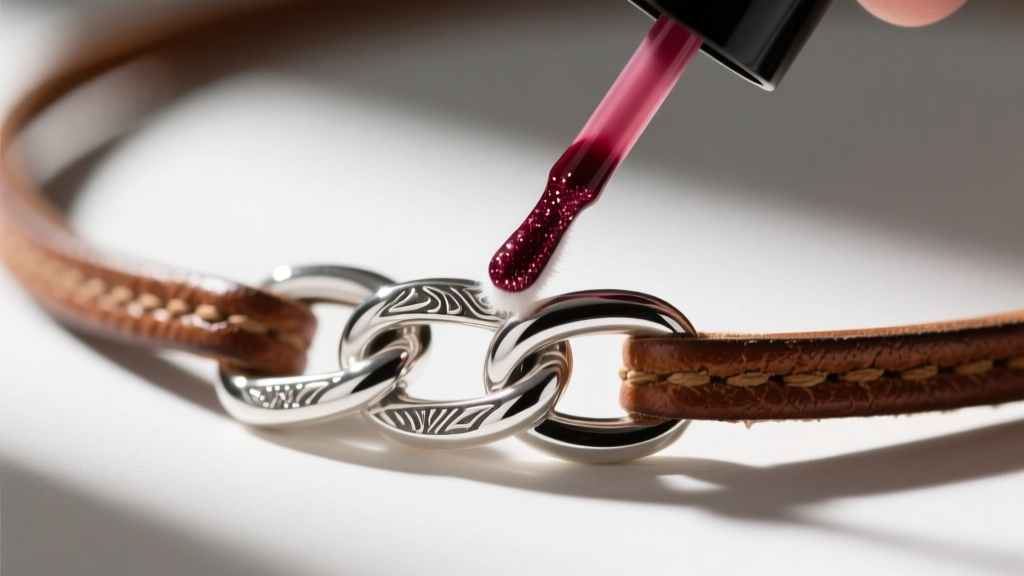
To safely restore the silver components without harming the organic materials, you must isolate the application area. Use a 100% cotton flannel cloth lightly impregnated with a mild abrasive jeweler's rouge or a calcium carbonate-based foam, such as Goddard's Silver Polish Foam. For tight spaces near the leather knots, wrap a microfiber cloth around a wooden skewer or use a dry, untreated silver polishing Q-tip. Never allow liquid polish to pool at the junction where the silver clasp meets the leather cord, as capillary action will draw the chemicals into the porous leather.
Fixing Clasp Mechanisms and Chain Kinks
Brunello Cucinelli often pairs substantial, hand-carved horn pendants with relatively delicate sterling silver box chains or leather cords. This weight disparity places immense mechanical stress on the lobster or spring-ring clasps. Over time, the internal spring mechanism can seize due to the accumulation of skin oils, cosmetic powders, and environmental dust.
Restoring Clasp Tension
Do not use standard WD-40 or household oils, which will attract more grit and eventually turn into a sludge that ruins the silver finish. Instead, use a synthetic watch oil, such as Moebius 9010. Using a 0.5mm needle applicator, apply a micro-drop of the oil directly to the hinge pin of the clasp. Actuate the lever a dozen times to distribute the lubricant, then wipe away any excess with a lint-free swab. This reduces friction without compromising the surrounding materials.
Untangling Delicate Box Chains
If a fine silver box chain kinks, pulling it tight will permanently deform the links. Lay the necklace flat on a dark, non-slip mat. Dust the knot lightly with talc-free baby powder to reduce metal-on-metal friction. Use two fine-point sewing needles to gently tease the center of the knot outward, working from the inside out rather than pulling the ends.
Authenticating Second-Hand Brunello Cucinelli Necklaces
With the explosive growth of quiet luxury, high-end counterfeiters have begun targeting Brunello Cucinelli accessories. Authenticating a pre-owned piece requires looking beyond the packaging and examining the physical craftsmanship and hallmarks.
"True luxury authentication relies on the microscopic imperfections of hand-finishing and the specific thermal and structural properties of organic materials, which are nearly impossible for mass-market counterfeiters to replicate accurately." — Gemological Institute of America (GIA) Guidelines on Organic Gems
Key Authentication Markers:
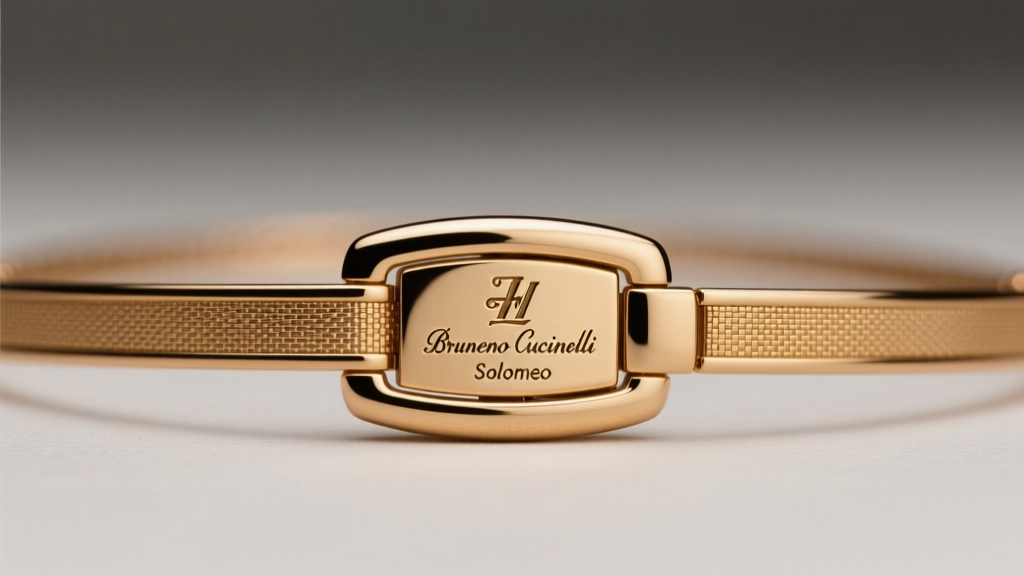
- The Solomeo Hallmark: Authentic silver components will bear the '925' stamp alongside the Brunello Cucinelli logo and often a reference to Solomeo, the brand's historic headquarters. The engraving should be crisp, laser-etched, or deeply struck, not superficially stamped.
- Horn vs. Resin: Counterfeits often use molded resin to mimic carved horn. Under a 10x jeweler's loupe, real horn will display subtle, natural striations and growth lines. Resin will appear perfectly homogenous or contain perfectly spherical mold bubbles. Furthermore, horn feels slightly warmer to the touch than glass or synthetic resins.
- Leather Knotting: Examine the terminal knots where the leather meets the silver. Brunello Cucinelli artisans use complex, tightly bound macramé or whipped endings. Fakes often use simple overhand knots secured with visible, messy cyanoacrylate (super glue), which leaves a hard, shiny residue.
Long-Term Storage to Prevent Organic Material Degradation
Proper storage is critical for preserving the structural integrity of mixed-media necklaces. Horn and leather are both hygroscopic, meaning they absorb and release moisture from the surrounding air. If stored in a standard plastic ziplock bag, trapped ambient moisture can lead to mold growth on the leather, while the lack of airflow accelerates silver tarnishing due to concentrated off-gassing.
Conversely, storing the necklace in a highly arid environment (below 30% Relative Humidity) will cause the horn to lose its internal moisture, leading to irreversible delamination and splitting. According to conservation standards outlined by the National Park Service Leather Conservation guidelines, organic materials should be kept in a stable environment with a relative humidity (RH) between 45% and 55%.
Optimal Storage Protocol:
- Wipe the silver and leather gently with a dry microfiber cloth to remove daily skin oils before storing.
- Wrap the necklace loosely in acid-free, unbuffered archival tissue paper. This allows the materials to breathe while protecting them from dust and light.
- Place the wrapped piece in a breathable cotton jewelry pouch, alongside a 3M Anti-Tarnish strip to absorb atmospheric sulfur.
- Store the pouch in a climate-controlled drawer or closet, avoiding exterior walls or areas near HVAC vents where temperature and humidity fluctuate rapidly.
By understanding the unique material science behind Brunello Cucinelli's mixed-media designs, collectors can ensure these pieces retain their understated elegance and structural integrity for decades. For severe damage, such as a snapped leather core or a fractured horn pendant, always consult the brand's official Care and Repair services rather than attempting a localized fix with a standard jeweler, as specialized sourcing for matching organic materials is strictly controlled.


