How to Authenticate & Buy a Vintage Charm Necklace From 80s
Learn how to authenticate and buy a genuine charm necklace from 80s. Discover hallmark identification, metal testing, and top vintage brands to collect.

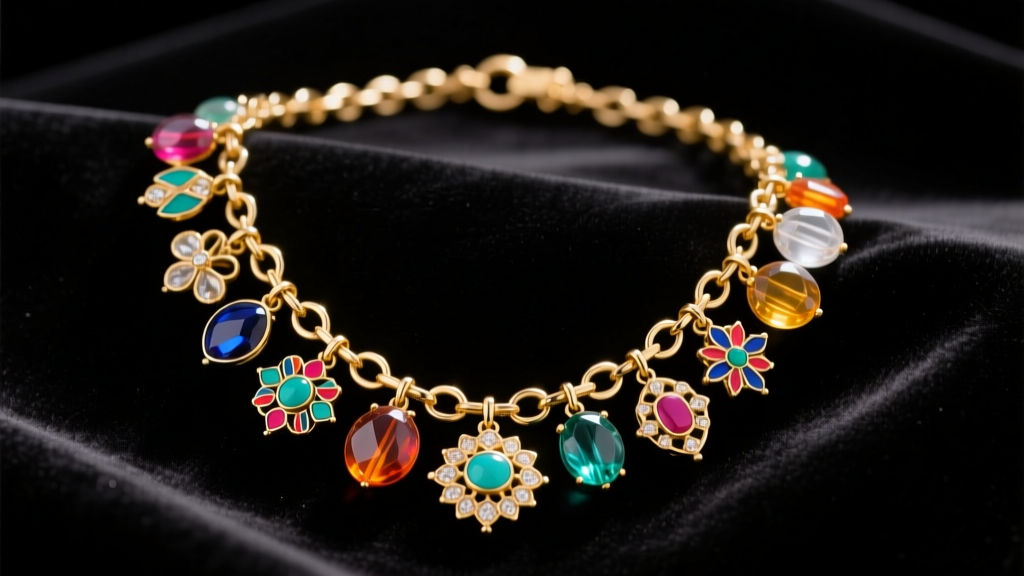
The maximalist revival dominating 2026 fashion has pushed vintage jewelry back into the spotlight, and no piece captures the bold, expressive energy of the era quite like a charm necklace from 80s collections. Unlike the delicate, minimalist layering trends of the 2010s, 1980s charm necklaces were designed to make a statement. They featured chunky chains, oversized geometric charms, vibrant Lucite, and heavy gold electroplating. However, the vintage market is currently flooded with modern reproductions masquerading as authentic 1980s pieces. Whether you are hunting on estate sale apps, browsing Ruby Lane, or digging through local antique malls, knowing how to authenticate, evaluate, and price these specific necklaces is critical for any serious collector or style enthusiast.
The Resurgence of 1980s Maximalism
In 2026, the 'power dressing' aesthetic of the 1980s has been reinterpreted for modern wardrobes. A genuine charm necklace from 80s fashion houses is no longer just a nostalgic artifact; it is a highly sought-after anchor piece for contemporary styling. Collectors are specifically seeking out the heavy, tactile feel of vintage brass and the unique, slightly faded patina of 40-year-old gold plating. The appeal lies in the imperfections and the historical craftsmanship that fast-fashion reproductions simply cannot replicate. When buying vintage, you are not just purchasing a necklace; you are investing in the specific metallurgical techniques and design motifs of the Reagan era.
Decoding Hallmarks and Maker's Marks
The first step in authenticating any vintage piece is examining the hallmarks. According to the comprehensive guides provided by Lang Antiques, maker's marks evolved significantly throughout the 20th century. By the 1980s, copyright symbols and specific plating stamps became standardized.
Top Costume Jewelry Brands of the Era
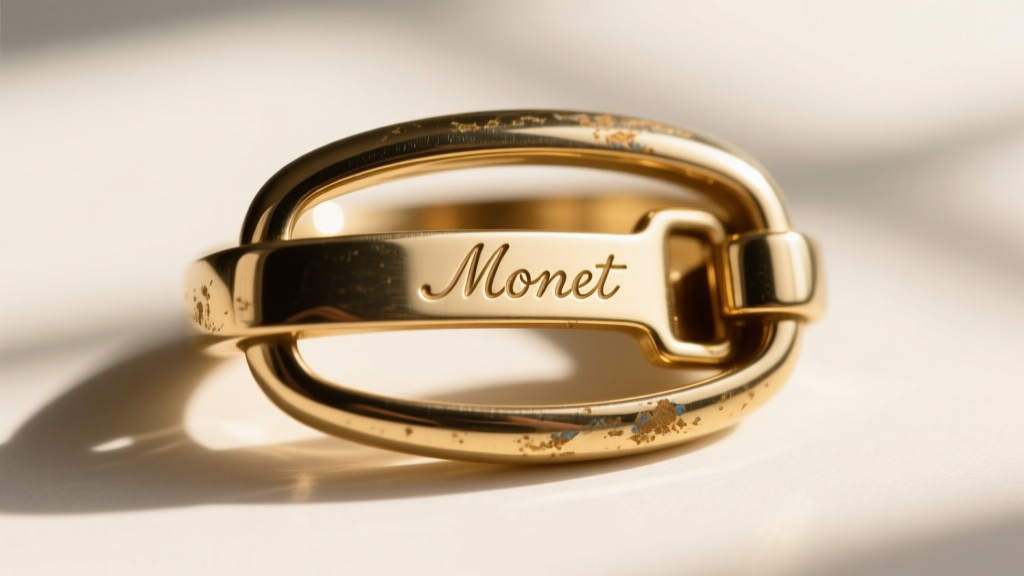
- Monet: A powerhouse of the 1980s. Look for the word 'MONET' stamped in a simple, sans-serif font, often enclosed in a rectangular cartouche. Pieces from the early 80s will frequently feature the © symbol next to the name.
- Napier: Known for bold, architectural designs. Napier marks from the 1980s are typically stamped in block letters or a distinct script, almost always accompanied by the © symbol.
- Sarah Coventry & Avon: While primarily known for direct sales, their 1980s charm necklaces are highly collectible. Look for 'SC' or the full 'Sarah Coventry' script, and the 'AVON' block stamp.
Understanding Metal Stamps
Fine jewelry from the 80s will bear standard purity marks like '14K' or '925'. However, the 1980s was the golden age of high-quality costume jewelry, meaning you will frequently encounter plating marks. Look for HGE (Heavy Gold Electroplate) or 1/20 14K GF (Gold Filled). HGE means the piece has a much thicker layer of gold than standard modern plating, giving it the longevity and rich color that collectors demand today.
Evaluating Chain Construction and Clasp Types
The chain is the structural backbone of any charm necklace from 80s designers. The era favored specific chain weaves that carry unique buying risks and rewards. The most iconic, yet most problematic, is the herringbone chain. While it lays flat and offers a liquid-gold appearance, herringbone chains are notoriously prone to kinking. When inspecting a vintage herringbone chain, lay it completely flat on a glass surface. If it does not lay perfectly flush, or if you feel any rigid bends, walk away. A kinked herringbone chain has compromised structural integrity and will eventually snap under the weight of charms.
Alternatively, rope chains and box chains were heavily utilized in the 1980s and offer vastly superior durability for holding heavy Lucite or metal charms.
The Clasp Transition
Clasp hardware is a dead giveaway for dating a piece. In the early 1980s, the spring ring clasp was the industry standard. By the late 1980s, the lobster claw clasp began to take over due to its ease of use. If you find a necklace that screams 'early 80s design' but features a modern, bulky, cast-metal lobster claw, the clasp has likely been replaced, which diminishes its strict vintage provenance.
| Chain Type | Visual Profile | Durability for Charms | Common 80s Issues |
|---|---|---|---|
| Herringbone | Flat, liquid-like, reflective | Low (Max 15g) | Kinking, snapping, permanent creasing |
| Rope | Twisted, helical, textured | High (Up to 50g+) | Dirt accumulation in crevices, clasp ring wear |
| Box | Square links, geometric, rigid | Medium-High (Up to 35g) | Link crushing if bent, clasp solder failure |
| Curb | Interlocking flat oval links | Very High (50g+) | Link stretching over decades of heavy wear |
Assessing the Charms: Lucite, Enamel, and Metalwork
The charms themselves are the soul of the necklace. In the 1980s, designers moved away from the delicate, realistic figurines of the 1950s and embraced abstract geometry, pop-art motifs, and oversized silhouettes.
- Lucite and Acrylic: Extremely popular in the 80s for creating large, lightweight, brightly colored charms (think neon pinks, jellies, and opaque blacks). When buying, inspect the Lucite for 'crazing'—a network of micro-cracks caused by decades of temperature fluctuations or exposure to alcohol-based perfumes. Crazing cannot be reversed.
- Cloisonné Enamel: Many 80s charm necklaces incorporated cloisonné beads or flat charms, featuring intricate wirework filled with colored glass enamel. Check for 'pitting' or missing enamel near the wire borders. Minor surface scratching is acceptable patina; missing enamel is structural damage.
- Gold-Tone Metalwork: Look for cast brass charms with high-relief textures. The gold plating on high-end 80s pieces was often thick enough to survive 40 years of wear, but you should check the high-friction areas (like the jump ring loops) for 'brassing,' where the base metal begins to show through.
Pricing Guide: What to Pay in the 2026 Market
The vintage jewelry market has matured significantly. Platforms like Ruby Lane and specialized Instagram dealers have established firm baselines for authentic pieces. Here is what you should expect to pay for a verified charm necklace from 80s collections in today's market:
- Tier 1: Unbranded / Basic Costume ($35 - $75)
Pieces with no visible maker's mark, standard gold-tone plating, and basic acrylic charms. Great for everyday styling but holds little investment value. - Tier 2: Branded Costume (Monet, Napier, Avon) ($85 - $180)
Highly collectible pieces with clear hallmarks, intact HGE plating, and original clasps. Napier pieces with rare geometric Lucite charms often push the upper limit of this tier. - Tier 3: Designer / Fine Vintage ($250 - $600+)
Pieces from high-end 80s designers (like Chanel, Dior, or Givenchy costume lines) or solid 14K gold charm necklaces from fine jewelers. These require strict authentication of signatures and metal purity.
Sourcing and Long-Term Care
When sourcing, always request high-resolution macro photos of the clasp, the jump rings, and the back of the largest charm. Jump rings are critical: original 1980s jump rings were often soldered shut or tightly butted. If a charm hangs from a modern, split-ring keychain style loop, it is a later addition.
Once you have acquired your vintage piece, proper care is non-negotiable. Never put an 80s charm necklace in an ultrasonic cleaner. The high-frequency vibrations will shatter vintage Lucite and strip the cloisonné enamel right out of its wire housing. Instead, clean your necklace using a soft, lint-free microfiber cloth and a mild solution of distilled water and phosphate-free dish soap. Dry it immediately to prevent water spots on the metal plating. Store the necklace flat or hanging in a climate-controlled environment, away from direct sunlight which will yellow and warp vintage acrylics over time.
By understanding the specific hallmarks, chain vulnerabilities, and material quirks of the era, you can confidently navigate the vintage market. A well-chosen charm necklace from 80s fashion houses is more than just an accessory; it is a wearable piece of design history that brings unmatched character and bold energy to any modern jewelry collection.


