How to Authenticate and Repair a Vintage Sapphire Necklace
Learn how to authenticate, clean, and repair a vintage sapphire necklace. Expert troubleshooting for antique settings, foil backs, and prong wear.

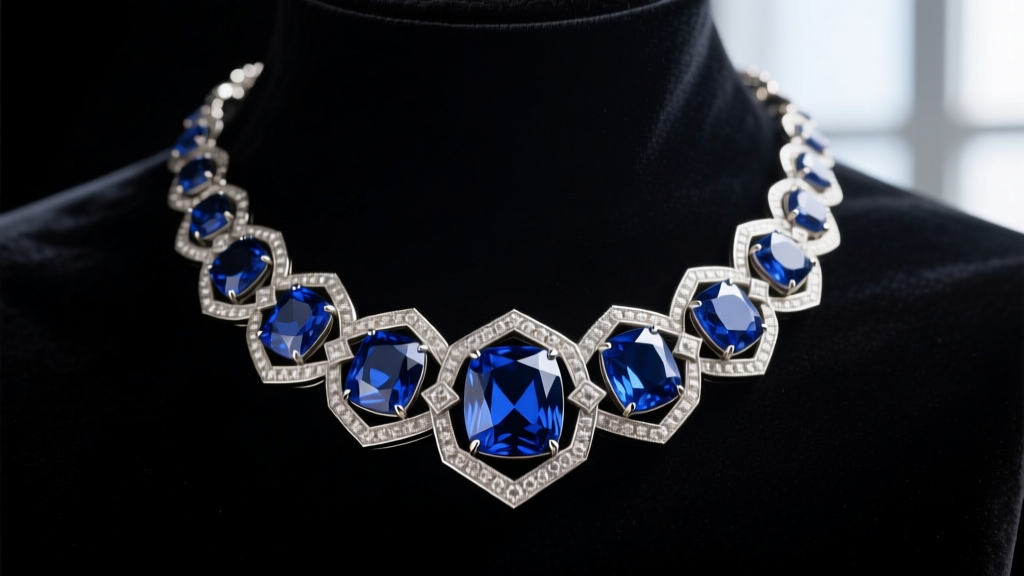
Acquiring a vintage sapphire necklace is a milestone for any jewelry collector, but inheriting or purchasing antique estate jewelry comes with a unique set of structural and gemological challenges. As the market for heirloom corundum continues to surge in 2026, buyers and inheritors are increasingly facing issues ranging from misidentified synthetic stones to catastrophic setting failures. Troubleshooting a vintage sapphire necklace requires a methodical approach that respects the historical integrity of the piece while ensuring it is safe for modern wear.
This guide provides a deep-dive framework for authenticating antique sapphires, assessing the structural integrity of period-specific settings, and safely maintaining fragile historical components like foil backs and antique clasps.
The Authentication Dilemma: Natural vs. Synthetic vs. Glass
The most critical troubleshooting step for any vintage sapphire necklace is verifying the gemstone's origin. The early 20th century saw the widespread introduction of the Verneuil process, meaning many 'antique' pieces from the 1920s and 1930s actually contain flame-fusion synthetic sapphires rather than mined stones.
Identifying Verneuil Synthetics
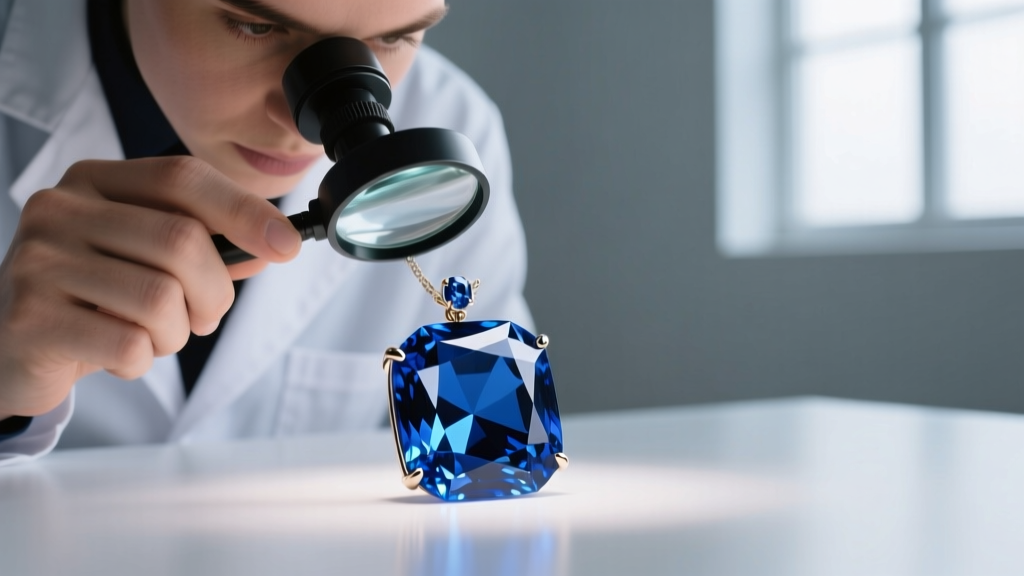
Under a 10x triplet loupe or a gemological microscope, natural sapphires will typically display angular color zoning, silk (rutile needles), and two-phase inclusions. Conversely, Verneuil synthetics are characterized by curved striae (curved growth lines) and spherical gas bubbles. If your vintage pendant exhibits perfectly curved internal lines, you are likely looking at a synthetic stone, which drastically alters the piece's appraisal value.
Heat Treatment and Beryllium Diffusion
According to the Gemological Institute of America (GIA), traditional heat treatment has been practiced for centuries and is generally accepted in the vintage market. However, modern beryllium diffusion—a process that introduces light elements to alter color—is a red flag in antique jewelry. If a piece purportedly from the Victorian era shows signs of lattice diffusion, the stone has likely been replaced or heavily altered in the 21st century. Always request a origin and treatment report from a recognized laboratory like GIA or AGL for any unheated sapphire claiming Kashmir, Burmese, or Ceylon origins.
Troubleshooting Antique Settings and Prong Wear
Sapphires rank a 9 on the Mohs scale, making them incredibly durable. However, the precious metals holding them in a vintage sapphire necklace are highly susceptible to century-long wear. Troubleshooting the setting requires identifying the era of the piece, as metallurgical compositions varied wildly.
| Era | Primary Metal | Common Failure Mode | Troubleshooting / Repair Action |
|---|---|---|---|
| Edwardian (1901-1915) | Platinum over Gold | Brittle filigree snapping; worn milgrain | Laser welding for filigree; avoid traditional torch soldering which can melt the gold backing. |
| Art Deco (1920-1935) | Platinum / White Gold | Flattened box settings; thinning shared prongs | Re-tipping prongs with matching platinum wire (approx. $85-$150 per stone). |
| Retro (1935-1950) | 14k / 18k Rose & Yellow Gold | Soft prong wear; heavy gold abrasion | Build up prong heads using hard gold solder; check for stress fractures at the bail. |
Pro Tip: Never attempt to bend or tighten antique platinum prongs with standard steel pliers. Work-hardened platinum from the 1920s can snap cleanly if manipulated without annealing. Always consult a master jeweler who specializes in estate restoration.
The Foil-Back Hazard: Cleaning Without Ruining the Stone
If your vintage sapphire necklace dates back to the Georgian or early Victorian era (pre-1850), it likely features a closed-back setting with a foil backing. Jewelers of this era placed metallic foil (often silver or copper) behind the sapphire to reflect light and enhance the stone's color and brilliance.
The Ultrasonic Disaster
The most common troubleshooting nightmare in estate jewelry is the destruction of a foil back via modern cleaning methods. Never place a foil-backed vintage sapphire necklace in an ultrasonic cleaner or steam cleaner. The high-frequency vibrations will shatter the foil, and the moisture will cause the metallic backing to oxidize, turning the sapphire a dull, lifeless gray or black.
Safe Cleaning Protocol for Closed-Back Pendants
- Surface Dusting: Use a soft, dry goat-hair gemological brush to gently sweep the crown and table of the sapphire.
- Damp Wiping: If the stone has skin oils or cosmetics on the surface, lightly dampen a microfiber cloth with distilled water (never tap water, which contains chlorine and minerals) and wipe only the top of the stone.
- Avoid Submersion: Never soak the pendant. Water seeping through the porous collet edge will permanently tarnish the silver sulfide foil.
For more historical context on early jewelry construction, the Lang Antiques University offers an excellent database on Georgian and Victorian setting techniques.
Chain and Clasp Failures in Heirloom Pieces
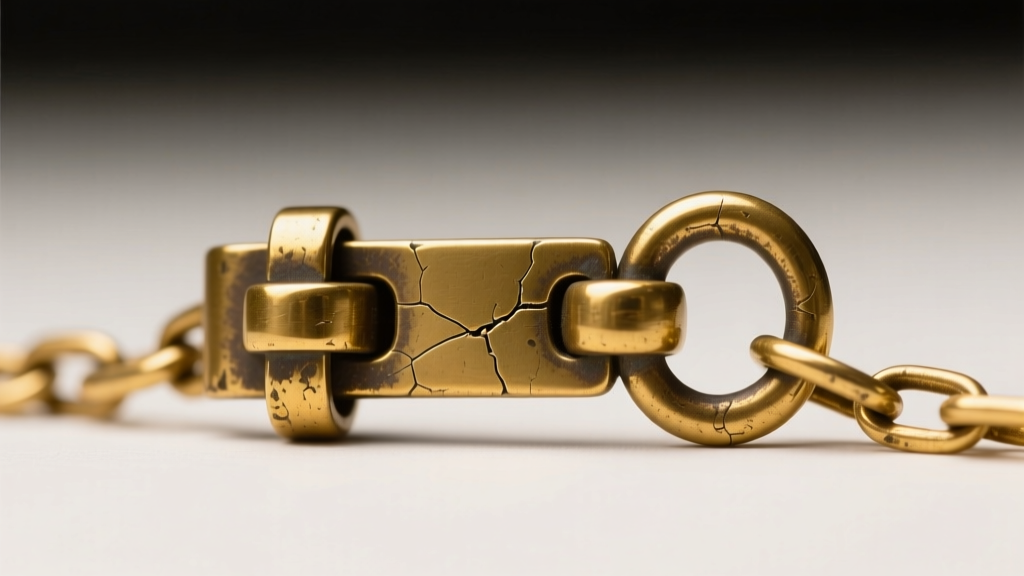
A heavy sapphire pendant is only as secure as the chain and clasp holding it. Vintage chains, particularly delicate rope or link chains from the early 20th century, suffer from metal fatigue and friction wear.
Diagnosing Clasp Vulnerabilities
Many vintage sapphire necklaces were originally fitted with antique barrel clasps, C-clasps, or early spring-ring mechanisms. Over decades of use, the internal springs of early spring-rings lose their tension, and the thin walls of barrel clasps wear down from friction against the jump rings.
The Fix: If the original clasp is structurally compromised, a master jeweler can carefully snip the original jump ring and attach a modern, high-security locking lobster clasp or a double-locking diamond clasp. To preserve the piece's provenance, always ask the jeweler to return the original antique clasp to you in a small archival bag. This maintains the historical completeness of the necklace should you ever sell it at auction.
Navigating Appraisal and Insurance Pitfalls
When troubleshooting the administrative side of owning a vintage sapphire necklace, incorrect appraisals are a frequent point of failure. In 2026, the valuation gap between heated and unheated sapphires is wider than ever. An unheated Burmese sapphire can command a 40% to 60% premium over a heated Ceylon stone of identical visual quality.
Choosing the Right Appraisal Type
Insurance Replacement Value: The cost to replace the exact vintage piece with a comparable one in the current retail market. This is the figure you need for your insurance rider.
Fair Market Value: The price the piece would sell for on the open estate market (usually 30-50% lower than replacement value). Used for estate tax or divorce settlements.
Ensure your apprazer holds a Graduate Gemologist (GG) diploma or is a Fellow of the Gemmological Association (FGA). A general jewelry store employee without advanced gemological training may misidentify the sapphire's origin or miss crucial heat-treatment indicators, leaving you severely underinsured in the event of loss or theft.
Summary: Your Vintage Maintenance Checklist
Owning a vintage sapphire necklace is an exercise in preservation. By avoiding ultrasonic cleaners, having a specialist inspect the prongs every 18 months, and ensuring your gemological paperwork accurately reflects the stone's treatment status, you can ensure the piece survives for another century. Treat the metal with the same respect as the gemstone, and your heirloom will remain a safe, stunning staple in your collection.


