Eddie Munson Necklace Guide: Silver vs Steel Materials
Discover the best materials for an Eddie Munson necklace. We compare 925 silver, 316L steel, and pewter for durability, weight, and skin safety.

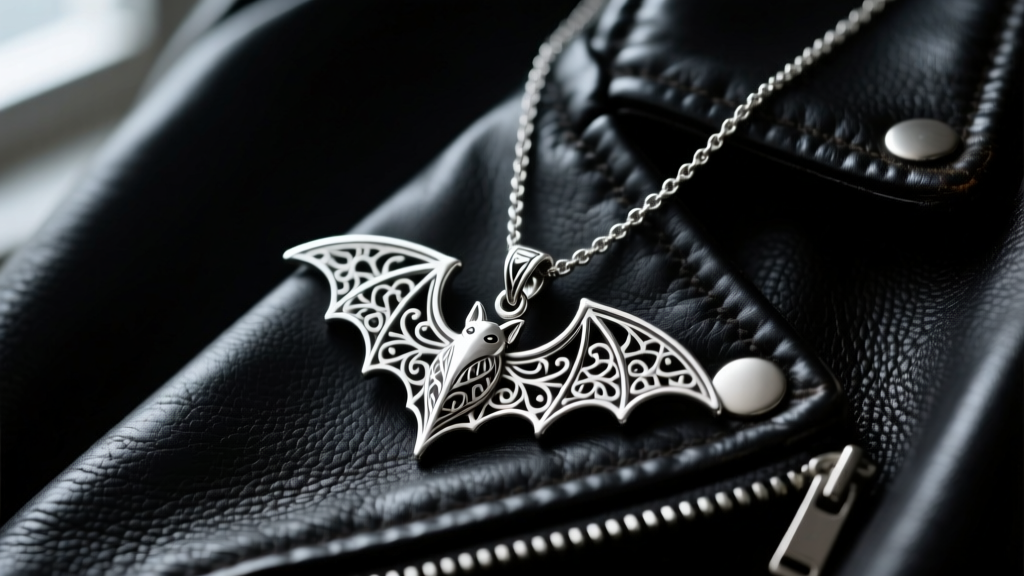
The Anatomy of the Hellfire Club Bat Necklace
The Eddie Munson bat necklace has transcended its origins as a television prop to become a permanent staple in alternative and rock-inspired fashion. However, the market is currently flooded with hundreds of variations, ranging from $15 novelty items to $250 artisan-crafted pieces. For jewelry enthusiasts and collectors, the critical differentiator is not just the visual design, but the underlying metallurgy. Choosing the wrong material for this specific pendant design leads to rapid tarnishing, structural chain failure, and severe contact dermatitis. To make an informed purchase, we must break down the exact material properties, alloy compositions, and structural requirements of the iconic bat and skull motif.
Material Showdown: 925 Silver vs. 316L Steel vs. Pewter
The physical dimensions of a standard Eddie Munson bat pendant—typically spanning 2 inches in width and 1.5 inches in height—create a broad surface area. This large canvas interacts heavily with the environment, meaning the base metal's corrosion resistance and porosity are paramount. Let us examine the three most common metals used in production.
1. 925 Sterling Silver (The Premium Choice)
Authentic 925 sterling silver is an alloy consisting of 92.5% pure silver and 7.5% copper or zinc. The copper is necessary to provide structural hardness, as pure silver is too malleable to hold the intricate detailing of the bat wings and skull. According to the Gemological Institute of America (GIA), the copper content is precisely what causes sterling silver to react with hydrogen sulfide in the air, creating silver sulfide (tarnish).
For the Eddie Munson necklace, jewelers often utilize a technique called "oxidation" or "antiquing." This involves intentionally applying a liver of sulfur solution to darken the recessed areas of the bat's wings and the skull's eye sockets, creating high contrast against the polished high points. If you purchase an oxidized sterling silver piece, you must avoid liquid silver dips, as they will strip the intentional patina and leave the necklace looking flat and lifeless.
2. 316L Surgical Stainless Steel (The Daily Beater)
If you intend to wear your necklace 24/7, including in the shower or at the gym, 316L stainless steel is the superior functional choice. The "L" stands for low carbon, but the secret ingredient is molybdenum. As noted by metallurgical resources like the British Stainless Steel Association, the addition of molybdenum drastically increases the metal's resistance to pitting corrosion from chlorides (like sweat and swimming pool water).
Unlike silver, 316L steel is virtually immune to tarnish and requires zero chemical maintenance. It is also highly hypoallergenic, making it safe for those with nickel sensitivities. The trade-off is weight and color; steel has a darker, colder, and slightly grayer hue than the bright white luster of polished silver, and it feels noticeably heavier on the neck due to its higher density.
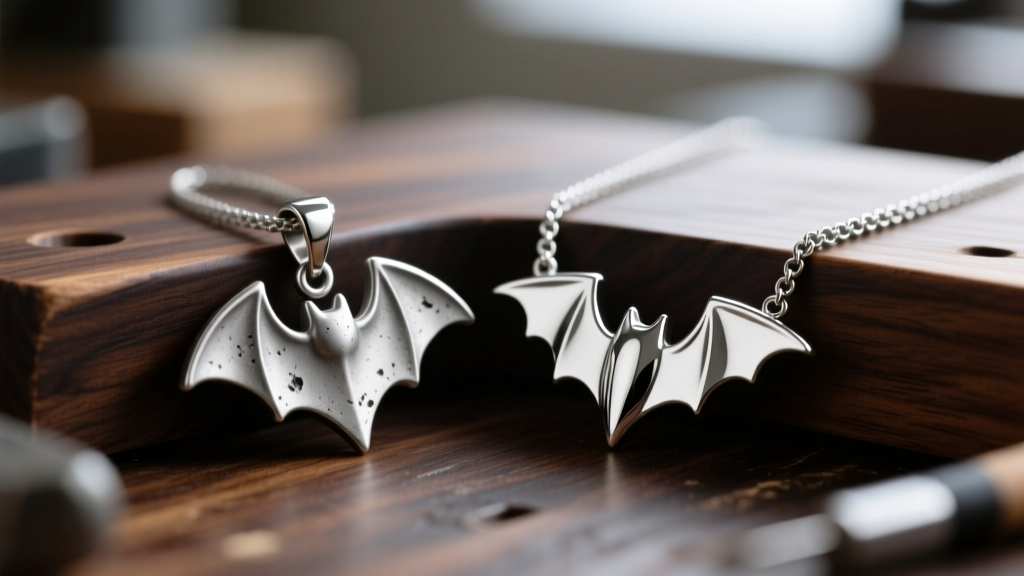
3. Pewter and Zinc Alloys (The Budget Trap)
Necklaces priced under $25 are almost exclusively cast from zinc alloys or pewter, often finished with a micro-thin electroplated layer of silver or rhodium. While they look identical to sterling silver on day one, these materials are highly problematic. Zinc alloys are inherently brittle; if the bat pendant is dropped on a hard surface, the wings are prone to snapping. Furthermore, once the thin plating wears off from friction against your chest, the underlying base metal is exposed. This frequently leads to "green skin" (a reaction to copper or brass in the alloy) or severe allergic contact dermatitis if nickel is present in the casting mix.
Chain Gauge and Clasp Mechanics
The most common point of failure for an Eddie Munson necklace is not the pendant itself, but the chain. A solid metal bat pendant of this size typically weighs between 18 grams and 32 grams. This is considered a heavy pendant in jewelry terms. Hanging a 30-gram piece of metal on a standard 20-gauge or 22-gauge cable chain is a recipe for disaster. The dynamic load—the swinging and pulling as you move—will cause metal fatigue at the jump ring, eventually snapping the chain.
- Optimal Gauge: You need a minimum of a 14-gauge chain, though a 12-gauge is preferred for long-term durability.
- Chain Style: Rolo chains and Cuban curb chains offer the highest tensile strength because of their interlocking, rounded links. Avoid box chains, which are prone to kinking and crushing under heavy pendants.
- The Clasp: Never use a spring ring clasp for a heavy pendant. The internal spring mechanism will fail under the weight. Always opt for a heavy-duty lobster claw clasp with a soldered catch.
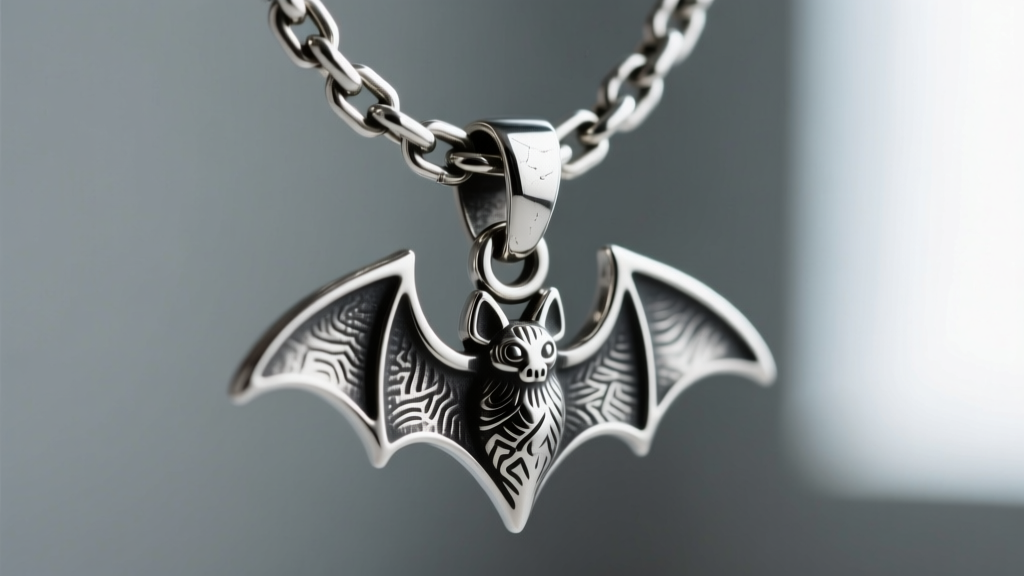
Material Comparison Matrix
| Property | 925 Sterling Silver | 316L Surgical Steel | Zinc Alloy / Pewter |
|---|---|---|---|
| Composition | 92.5% Ag, 7.5% Cu | Fe, Cr, Ni, Mo (Low Carbon) | Zn, Al, Cu (Trace Pb/Ni) |
| Average Weight | 22 - 28 grams | 30 - 40 grams | 15 - 20 grams |
| Tarnish Risk | High (Requires Polishing) | None (Corrosion Resistant) | High (Plating Wears Off) |
| Skin Safety | Excellent (Unless Cu allergy) | Excellent (Hypoallergenic) | Poor (High Dermatitis Risk) |
| Price Range | $85 - $180 | $35 - $75 | $10 - $25 |
Preventing Tarnish and Structural Failure
Maintaining the intricate details of the Hellfire Club bat requires specific care protocols. For sterling silver owners, the best defense against tarnish is storing the necklace in an airtight polyethylene bag with an anti-tarnish silica strip or activated charcoal sachet. When cleaning, use a mild dish soap and a soft-bristled baby toothbrush to gently agitate dirt out of the skull's crevices. Avoid ultrasonic cleaners if your silver pendant features intentional oxidation, as the high-frequency vibrations can sometimes loosen the darkened patina from the recesses.
Expert Jeweler Tip: Inspect the jump ring connecting the bat pendant to the chain. On mass-produced necklaces, jump rings are simply bent shut, leaving a tiny gap. A heavy bat pendant will eventually work its way through this gap and fall off. Take your necklace to a local bench jeweler and ask them to "solder the jump ring shut"—a $10 fix that guarantees you will never lose the pendant.
Final Verdict: Which Metal Should You Choose?
The ideal material for your Eddie Munson necklace depends entirely on your lifestyle and budget. If you are a jewelry collector who values traditional craftsmanship, bright luster, and the prestige of precious metals, invest in a solid 925 Sterling Silver piece with hand-oxidized details. It will develop a unique, personalized patina over the years and can be passed down as an heirloom.
Conversely, if you want a rugged, low-maintenance accessory that can survive daily wear, sweat, and the elements without losing its finish, 316L Surgical Steel is the undisputed champion. It offers incredible structural integrity and skin safety at a fraction of the cost of silver. Above all, avoid the temptation of cheap zinc alloy knockoffs; the savings are entirely negated by the inevitable skin reactions and structural breakage that follow.


