How to Clean and Maintain a Chunky Lariat Necklace
Learn expert cleaning, untangling, and storage tips to maintain your chunky lariat necklace. Protect the Y-drop, sliders, and heavy links from tarnish.

A chunky lariat necklace is a statement piece that commands attention, blending the bold, architectural presence of heavy chain links with the elegant, elongating drape of a Y-drop lasso. However, this striking contrast in scale also creates unique mechanical and chemical vulnerabilities. The heavy 10-gauge to 14-gauge main chain places immense tensile stress on the delicate 18-gauge to 22-gauge drop chain, while the sliding mechanism is a magnet for skin oils, dead cells, and environmental debris.
If you want your lariat to retain its structural integrity and brilliant finish through 2026 and beyond, standard jewelry care won't suffice. According to the Gemological Institute of America (GIA), mixed-gauge jewelry requires highly specific cleaning protocols to prevent micro-abrasions and stress fractures. Below is your comprehensive, expert-level guide to cleaning, untangling, and preserving your chunky lariat necklace.
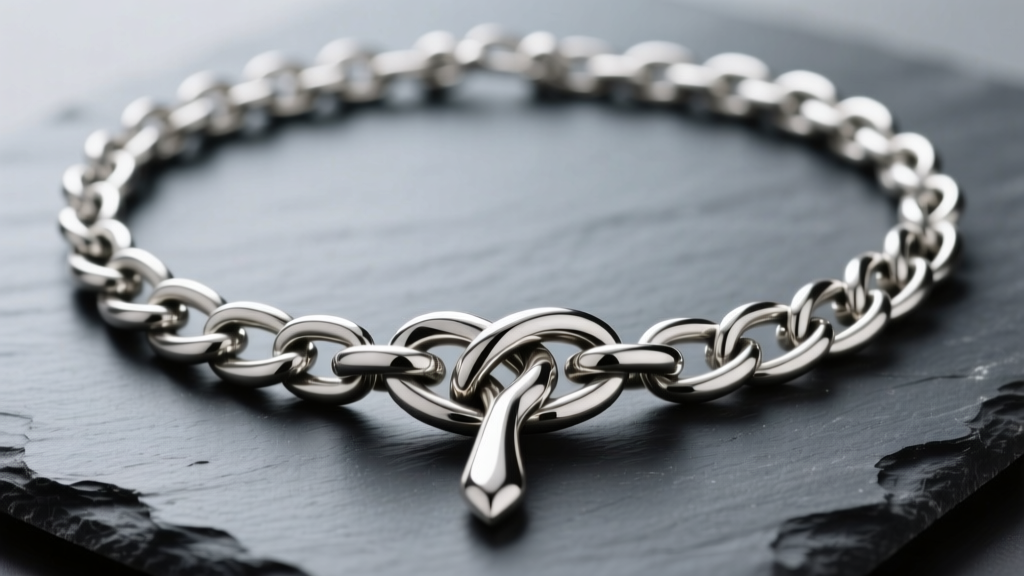
The Unique Anatomy of a Chunky Lariat
Before applying any cleaning solution, you must understand the structural stress points of a lariat design. Unlike a standard clasp necklace, a lariat relies on a sliding ring (often a soldered jump ring or a specialized silicone-lined slider) that glides along the main chain.
- The Friction Zone: The sliding ring constantly rubs against the main chain links, grinding microscopic particles of tarnish, lotion, and sebum into the metal's crevices.
- The Gauge Disparity: The transition point where the heavy main chain meets the gossamer-thin Y-drop is a critical failure point. Aggressive polishing or pulling can snap the delicate drop chain.
- The Tassel/Weight End: The weighted end of the lasso is designed to pull the necklace taut. If this weight is a porous stone or unsealed brass, it will react poorly to liquid chemical dips.
Step-by-Step Cleaning Protocols by Material
The Jewelers of America strongly advises against using ultrasonic cleaners for mixed-metal or plated jewelry, as the high-frequency vibrations can easily snap a delicate lariat drop chain and strip gold vermeil. Instead, use these targeted manual methods.
Sterling Silver & Oxidized Silver
Sterling silver tarnishes due to a chemical reaction with sulfur in the air, forming silver sulfide. For a chunky silver lariat, avoid the popular "aluminum foil and baking soda" dip. While effective for solid silver, this electrochemical reaction will completely strip the intentional black oxidation from crevices, ruining the chain's dimensional contrast. Instead, use a specialized silver polishing cloth on the heavy links, and a soft, damp baby toothbrush with a drop of mild dish soap (like Dawn) for the delicate drop chain.
Gold Vermeil & Plated Brass
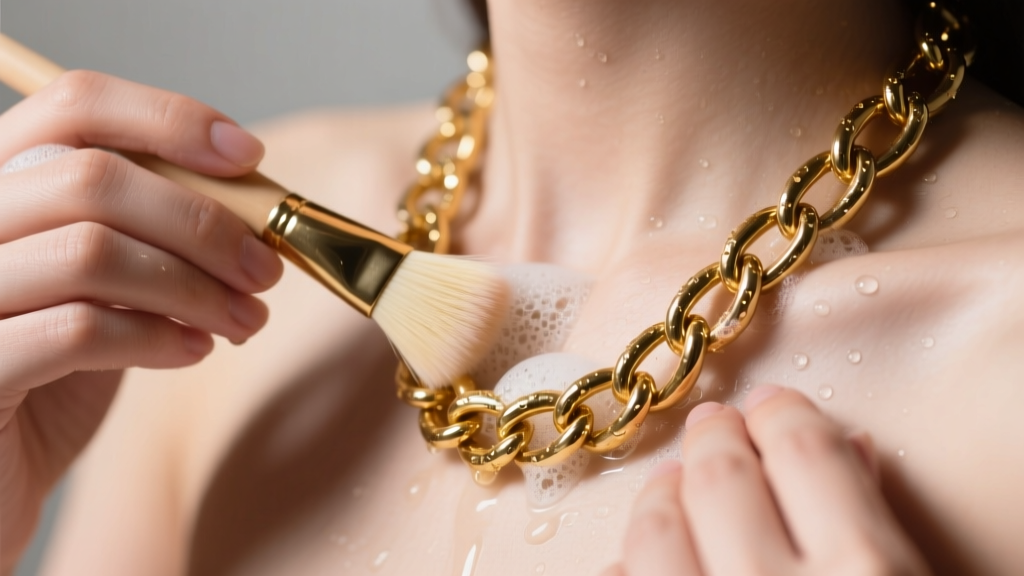
High-quality gold vermeil features a 2.5-micron layer of gold over sterling silver. Brass pieces are often flash-plated. Both are highly susceptible to friction wear. Never use abrasive pastes or stiff-bristled brushes. Mix a solution of lukewarm distilled water and a few drops of pH-neutral castile soap. Submerge the necklace for exactly three minutes to loosen sebum, then gently agitate the water. Rinse with distilled water (tap water contains chlorine and minerals that cause spotting) and pat dry with a microfiber cloth.
Cleaning Agent Compatibility Chart
| Material | Recommended Cleaner | Agents to Avoid | Drying Method |
|---|---|---|---|
| Sterling Silver (Polished) | Mild dish soap, Silver polish cloth | Bleach, ammonia, toothpaste | Microfiber cloth, air dry |
| Oxidized Silver | Damp microfiber cloth only | Chemical dips, baking soda baths | Pat dry immediately |
| Gold Vermeil (2.5μm) | pH-neutral castile soap, distilled water | Ultrasonic cleaners, polishing pastes | Lint-free microfiber |
| Raw Brass / Bronze | Lemon juice & salt (for deep patina removal) | Commercial silver dips | Towel dry, apply micro-wax |
Mastering the Tangle: Untangling the Y-Drop
The lasso drop of a chunky lariat necklace is notorious for knotting, especially when stored loosely in a jewelry box. When a fine 20-gauge chain knots upon itself, the friction between the metal links creates a microscopic weld that pulling will only tighten.
- The Cornstarch Method: Lay the tangled lariat flat on a dark, hard surface. Generously dust the knot with pure cornstarch. Unlike talcum powder, cornstarch absorbs residual skin oils without turning into a pasty cement. Tap the table gently to vibrate the powder deep into the knot's core.
- The Needle Technique: Take a size 10 beading needle (or a fine sewing pin). Do not pull the ends of the chain. Instead, insert the needle into the exact center of the knot and gently wiggle it to create a micro-gap.
- Work Outward: Once the center is loosened, use two needles to gently push the outer loops outward, allowing the cornstarch to act as a dry lubricant.
Expert Warning: Never use olive oil or WD-40 to untangle jewelry. These substances will oxidize, turn rancid, and attract dust, effectively gluing the delicate lariat links together permanently.
Slider and Clasp Maintenance
The sliding ring is the engine of your lariat necklace. If it becomes stiff or catches on the heavy links, it is usually due to a buildup of compacted dead skin cells and cosmetic residues inside the ring's inner diameter.
To restore a smooth glide, take a wooden toothpick and dip the very tip in food-grade mineral oil. Trace the inside seam of the sliding ring, depositing a microscopic amount of oil. Slide the ring back and forth along the chunky chain ten to fifteen times. The oil will break down the sebum, and the friction of the heavy links will wipe the ring clean. Wipe away any excess oil with a cotton swab to prevent it from transferring to your clothing.
Proper Storage to Prevent Kinking
Because of the heavy weight disparity, tossing a chunky lariat into a drawer guarantees a tangled mess and potential stress fractures on the Y-drop. Proper storage requires isolating the drop chain from the main body.
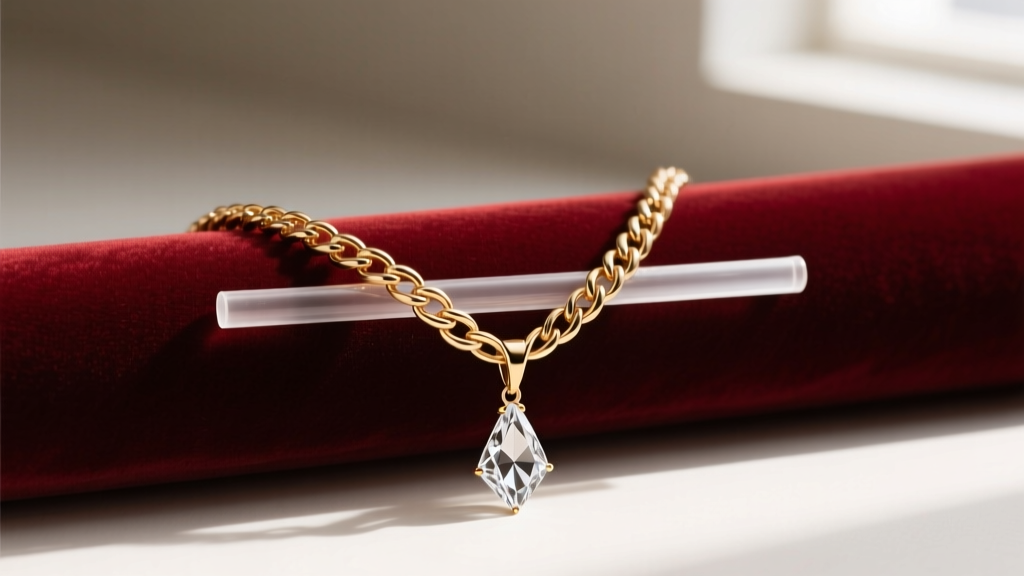
- The Straw Trick: Thread the delicate Y-drop chain through a two-inch piece of clear plastic drinking straw before clasping the main chain. This rigid sleeve prevents the drop from wrapping around the heavy links and stops the metal from kinking.
- Vertical Hanging: If your jewelry armoire has hooks, hang the lariat by its main clasp. Gravity will naturally pull the heavy links straight, keeping the slider at the bottom and the chain tangle-free.
- Anti-Tarnish Strips: Store the piece in a sealed polyethylene bag with a 3M anti-tarnish strip. This absorbs atmospheric sulfur, drastically reducing the need for frequent polishing, which inevitably wears down plated and vermeil finishes over time.
When to Seek Professional Jeweler Help
While routine maintenance can be done at home, certain issues require a professional bench jeweler. If the heavy main chain develops a stiff link (a sign of metal fatigue or a bent inner wire), do not force it. If the soldered joint connecting the Y-drop to the slider ring shows a visible hairline gap, stop wearing the piece immediately; the sheer weight of the chunky chain will eventually snap the drop entirely. A jeweler can easily re-solder this jump ring using a laser welder, which applies localized heat without damaging the surrounding metal or melting any adjacent gemstone weights.
By respecting the unique mechanics of the chunky lariat design and adhering to material-specific cleaning protocols, you ensure this striking silhouette remains a flawless, functional staple in your wardrobe for years to come.


