Is a Beaded Medallion Necklace Worth the Price? Value Guide
Discover if a beaded medallion necklace is worth your budget. We break down materials, pricing tiers, and construction to help you assess true value.

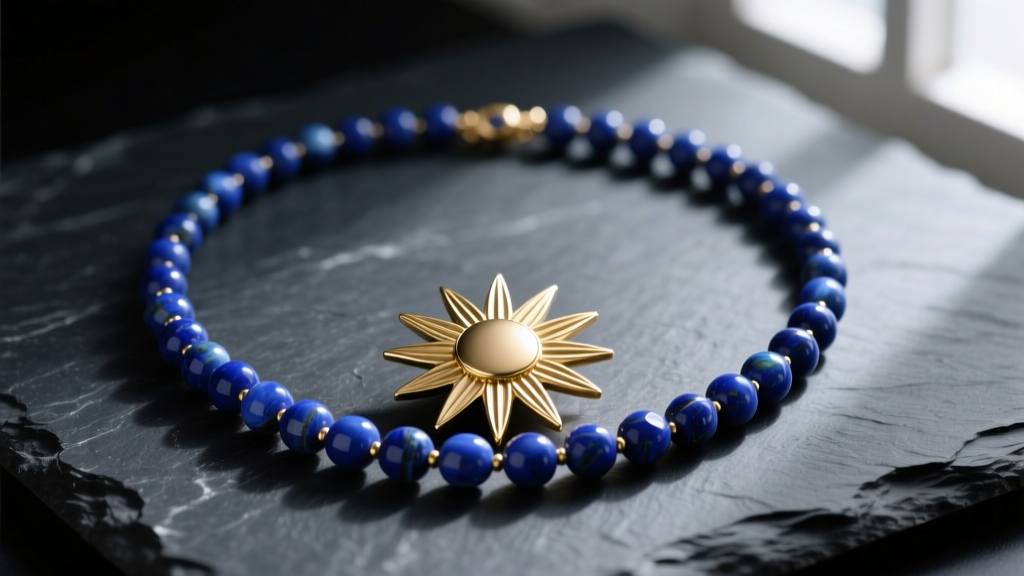
The beaded medallion necklace has cemented its place as a staple in contemporary jewelry, blending the bohemian charm of seed beads with the structured elegance of a central metal pendant. However, as we navigate the 2026 jewelry market, the price disparity between seemingly identical pieces can be staggering. You might find a beaded medallion necklace at a fast-fashion retailer for $24, while an artisan-crafted version commands $185.
As a jewelry appraiser and style analyst, I frequently see consumers overpay for poor construction or miss out on genuine value because they cannot decipher the materials. This comprehensive budget and value assessment will equip you with the exact metrics needed to evaluate a beaded medallion necklace, ensuring your investment aligns with its true material and structural worth.
The Anatomy of a Beaded Medallion Necklace
To accurately assess value, you must deconstruct the piece into its three core components. The price of a beaded medallion necklace is dictated by the synergy of these elements, not just the visual design.
- The Medallion: The focal point, typically ranging from 15mm to 35mm in diameter. Value hinges on whether it is solid gold, gold vermeil, or flash-plated brass.
- The Bead Strand: The flexible collar that suspends the medallion. This can comprise glass seed beads, semi-precious gemstones, or synthetic acrylics.
- The Hardware & Stringing: The invisible heroes. The clasp type, jump ring gauge, and the internal stringing material dictate the necklace's lifespan.
Pricing Tiers: What Should You Actually Pay?
Understanding the market tiers prevents you from paying luxury prices for fast-fashion materials. Below is a breakdown of what to expect at different price points in the current market.
| Tier | Price Range | Medallion Material | Bead Composition | Hardware & Stringing | Expected Lifespan |
|---|---|---|---|---|---|
| Fast Fashion | $18 - $45 | Brass with flash plating (0.1 microns) | Acrylic or dyed howlite | Spring ring clasp, nylon thread | 6 - 12 months |
| Mid-Tier Artisan | $85 - $180 | Sterling silver with heavy vermeil (2.5+ microns) | Czech glass, natural semi-precious stones | Lobster clasp, 49-strand beading wire | 3 - 7 years |
| Fine Jewelry | $350 - $800+ | Solid 14k or 18k gold | Precious gems, high-grade tourmaline or sapphire | Solid gold components, silk knotting or micro-wire | Lifetime (with care) |
Evaluating the Medallion: Plated vs. Solid
The medallion accounts for roughly 40% to 60% of the necklace's total production cost. When assessing a gold-toned beaded medallion necklace, you must look beyond the color and investigate the plating thickness.
According to the Federal Trade Commission (FTC) guidelines, the term "vermeil" is strictly regulated. To be legally sold as gold vermeil in the United States, the medallion must have a sterling silver base and be plated with a minimum of 2.5 microns of gold (usually 14k or 18k).
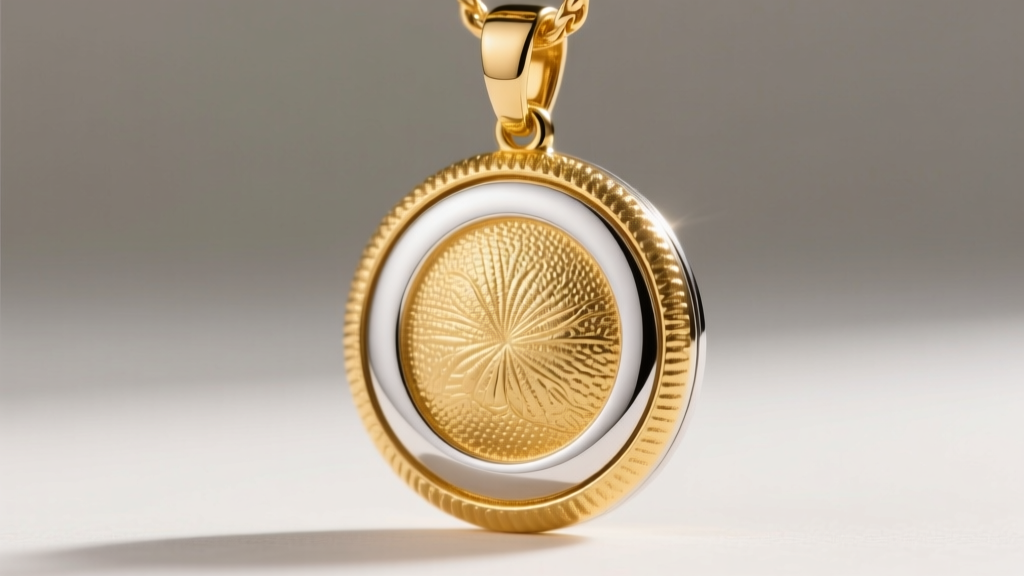
Cheaper alternatives use "flash plating" over brass or zinc alloys. Flash plating is typically less than 0.5 microns thick. While it looks identical in the display case, the friction from your skin and the natural acids in your sweat will strip flash plating within months, leaving a dull, oxidized base metal. If a brand cannot explicitly state the plating micron thickness and base metal, assume it is flash-plated brass and adjust your budget expectations accordingly.
The Bead Factor: Glass, Gemstone, or Synthetic?
The beads flanking the medallion significantly impact both the drape and the price. The Gemological Institute of America (GIA) notes that natural gemstones will always carry a premium due to mining and cutting costs. However, in the mid-tier market, high-quality Czech fire-polished glass beads offer exceptional value. They provide a brilliant luster and uniform sizing that rivals semi-precious stones like agate or jasper, but at a fraction of the cost. Avoid acrylic beads at all costs; they scratch easily, develop a cloudy film from skin oils, and severely degrade the perceived value of the medallion they accompany.
Construction & Failure Modes: Where Cheap Necklaces Break
A beaded medallion necklace is only as strong as its weakest structural link. When conducting your value assessment, inspect the following failure points:
- Stringing Material: Budget necklaces use monofilament nylon or cheap cotton thread, which degrades rapidly when exposed to lotions and perspiration. High-value pieces use multi-strand stainless steel beading wire (like 49-strand Soft Flex) coated in nylon. This offers the drape of silk with the tensile strength of steel.
- Crimp Beads vs. Knots: If the necklace uses beading wire, the ends must be secured with metal crimp beads that are flattened with specialized pliers. If you see a simple overhand knot holding a heavy metal medallion on a thin thread, it is a structural liability waiting to snap.
- Jump Ring Integrity: The jump ring connecting the medallion to the bead strand must be soldered closed or made of a thick gauge (minimum 18-gauge). Thin, unsoldered jump rings will easily pull apart under the weight of a solid metal medallion.
The Value Assessment Framework
Before purchasing a beaded medallion necklace, run the piece through this rapid 4-point value assessment checklist to determine if the asking price is justified:
- The Magnet Test: Bring a small neodymium magnet near the medallion and clasp. Gold, silver, and brass are non-magnetic. If the clasp or medallion exhibits a strong magnetic pull, it contains steel or iron, indicating ultra-low-tier manufacturing.
- The Weight Check: A high-quality medallion should have a satisfying, dense heft. Hollow-stamped brass medallions feel suspiciously light and are prone to denting if dropped.
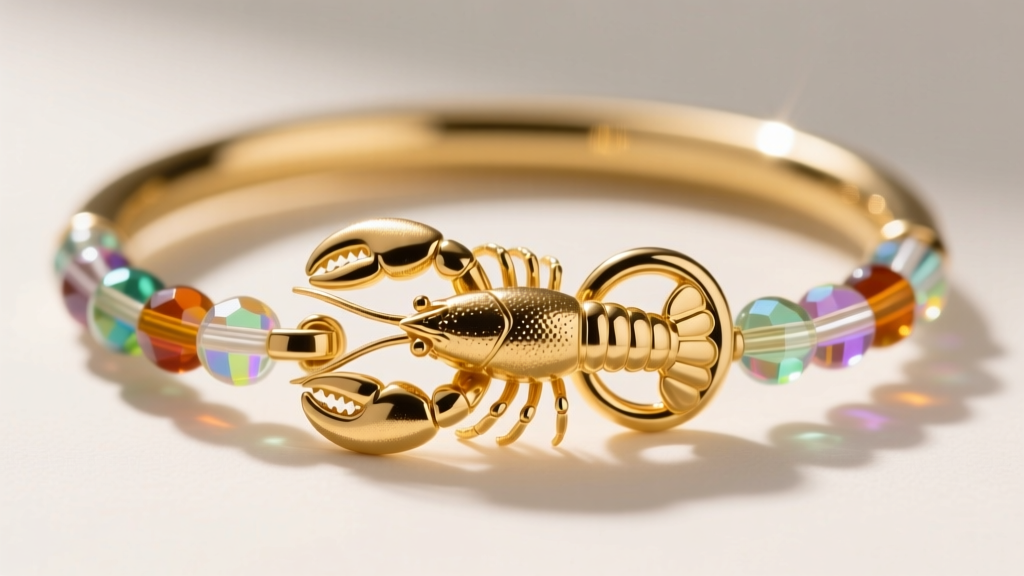
- The Clasp Audit: Ensure the necklace features a lobster claw clasp rather than a spring ring. Lobster clasps offer a stronger internal spring mechanism and are easier to operate, justifying a slightly higher price point.
- The Drape Test: Hold the necklace by the clasp and let the medallion hang. The bead strand should curve naturally without kinking. Kinking indicates the use of rigid, low-quality stringing wire that will eventually snap.
Final Verdict: Where to Allocate Your Budget
The beaded medallion necklace is a highly versatile accessory, but its value is entirely dependent on material transparency. If your budget is under $50, treat the purchase as a temporary seasonal accessory and expect the plating to wear off within a year.
However, if you are looking for a long-term staple that offers genuine cost-per-wear value, the $90 to $160 range is the sweet spot. In this tier, you secure a sterling silver base with 2.5-micron vermeil plating, durable 49-strand stringing, and high-quality glass or semi-precious beads. By prioritizing structural integrity and regulated metal thickness over brand markup, you can acquire a stunning, resilient beaded medallion necklace that will anchor your wardrobe for years to come.


