How to Clean & Care for a Pendant Picture Necklace
Preserve your memories. Learn expert cleaning, moisture prevention, and maintenance tips for every type of pendant picture necklace in this detailed guide.

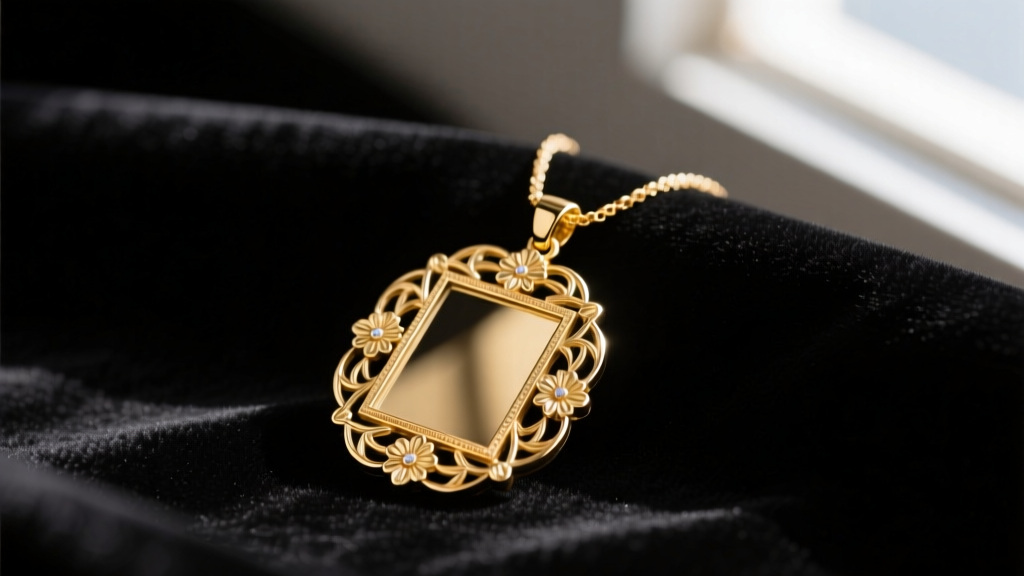
The Hidden Vulnerabilities of Photo Pendants
A pendant picture necklace is more than just an accessory; it is a wearable archive of personal history. Whether it holds a vintage tintype, a modern laser-printed portrait, or a digital transfer, the intersection of delicate photographic materials and jewelry metals creates unique maintenance challenges. In 2026, with the rise of mixed-media resin pendants and micro-engraved lockets, understanding the specific failure modes of these pieces is critical. The greatest enemy of any picture pendant is not necessarily tarnish, but moisture intrusion and chemical degradation. When liquid seeps beneath a glass cabochon or into a locket hinge, it can cause irreversible silvering, mold growth, or ink bleeding on the photograph inside. According to the Smithsonian Museum Conservation Institute, photographic emulsions and modern inkjet dyes are highly reactive to the alkaline and acidic compounds found in standard jewelry cleaners.
Identifying Your Pendant Picture Necklace Type
Before applying any cleaning solution, you must accurately identify the construction of your pendant. The cleaning protocol for a solid metal photo-etched piece will destroy a resin-sealed paper insert. Here are the three primary categories you will encounter:
1. Glass or Resin Cabochon Pendants
These feature a domed glass or epoxy resin cover secured over the photo by a metal bezel or prongs. Resin is particularly prone to micro-scratches and UV yellowing over time, while glass can trap moisture if the bezel tension loosens. Capillary action can pull liquid cleaners directly under the glass edge, ruining the image.
2. Traditional Hinged Lockets
Lockets open to reveal internal compartments where photos are slipped behind thin glass or plastic retainers. The primary mechanical vulnerability is the hinge and the bail. Over-tightening or forcing a stiff hinge can snap the solder joint, while liquid cleaners can pool in the interior crevices and degrade the paper.
3. Photo-Etched or Enamel Metal Pendants
In these designs, the image is laser-etched directly into the metal or transferred via fired enamel. There is no paper or glass involved. These are the most durable and can withstand more rigorous cleaning, though abrasive polishes will permanently erase the etched contrast.
The Master Cleaning Protocol (Step-by-Step)
For glass-covered, resin, and hinged lockets containing paper photographs, you must use a strictly controlled, low-moisture approach. The Gemological Institute of America (GIA) recommends mild, pH-neutral solutions for complex jewelry assemblies.
- Step 1: Dry Dusting. Use a clean, soft-bristled makeup brush or a canned air duster (held at a 45-degree angle) to remove loose grit from the bezel and chain. Grit trapped under a polishing cloth will scratch glass and resin.
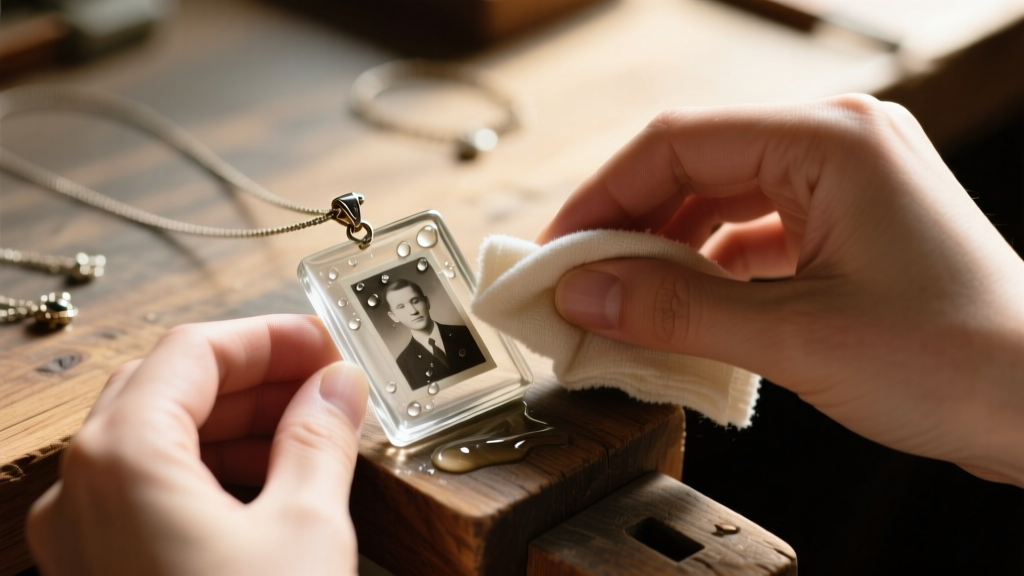
- Step 2: Targeted Metal Cleaning. Mix a few drops of pH-neutral dish soap (like Dawn Free & Clear) into distilled water. Distilled water is crucial, as tap water contains chlorine and minerals that can leave spots or react with silver. Dip a cotton swab into the solution, squeeze out 90% of the moisture, and gently trace the metal bezel and chain. Avoid touching the glass or resin seam.
- Step 3: Glass and Resin Polishing. Use a dry, lint-free microfiber cloth to buff the glass or resin surface. For resin pendants with minor surface scratches, apply a tiny drop of Novus Plastic Polish #2, buffing in circular motions until clear.
- Step 4: Immediate Drying. Use a wooden toothpick wrapped in a single ply of tissue paper to wick away any accidental moisture trapped in the crevices where the metal meets the glass. Do not use heat or hair dryers, as thermal expansion can crack glass or warp resin.
What NEVER to Do: The Danger Zone
Many well-intentioned owners destroy their pendant picture necklaces by applying generic jewelry cleaning hacks. Avoid these critical errors:
Never submerge a locket or glass-bezel pendant in water, and never use ultrasonic cleaners. The high-frequency vibrations will shatter glass, crack resin, and instantly loosen the prongs holding your photo in place.
- No Ammonia or Alcohol: Glass cleaners like Windex or rubbing alcohol will strip the anti-glare coatings on modern locket glass and will instantly dissolve the binders in archival inkjet papers.
- No Toothpaste: Toothpaste contains silica abrasives that will permanently frost glass cabochons and scratch the contrast out of photo-etched metal surfaces.
- No Liquid Oils on Hinges: If a locket hinge is stiff, do not use WD-40 or sewing machine oil. These attract dust and eventually turn into a gummy paste that seizes the mechanism. Instead, use a dry lubricant.
Maintenance Matrix: Care by Material & Type
Use this reference table to determine the safest maintenance routine for your specific pendant picture necklace.
| Pendant Type | Safe Cleaning Agent | Moisture Risk Level | Polishing Method | Hinge / Moving Parts Care |
|---|---|---|---|---|
| Glass Cabochon (Bezel) | Damp microfiber only | High (Edge seepage) | Jeweler's cloth on metal only | N/A (Static) |
| Resin-Sealed Photo | Dry microfiber | Medium (Resin degradation) | Novus Plastic Polish #2 | N/A (Static) |
| Hinged Silver Locket | Distilled water + mild soap | Extreme (Interior pooling) | Anti-tarnish polishing cloth | 0.5mm graphite (pencil lead) |
| Photo-Etched Steel/Gold | Isopropyl alcohol (70%) | Low (No paper inside) | Soft bristle brush | N/A (Static) |
Advanced Hinge Maintenance for Lockets
A stiff locket hinge is a common point of failure. Forcing it open can snap the soldered joint, requiring expensive laser welding to repair. To safely lubricate a stubborn locket hinge, take a standard 0.5mm mechanical pencil and extend the graphite lead. Rub the graphite directly into the hinge barrel while gently working the locket open and closed. Graphite is an excellent dry lubricant that will not attract dust, gum up the mechanism, or pose any chemical threat to the photographs stored inside. According to Jewelers of America, keeping moving parts free of debris and properly lubricated with dry agents extends the lifespan of vintage hinges by decades.
Selecting the Right Photo Insert
Maintenance also involves the materials you place inside the pendant. If you are replacing a photo in a locket or under a glass cabochon, the type of paper and ink dictates its longevity. Standard inkjet prints use water-soluble dyes that will bleed and blur if exposed to even high ambient humidity. Thermal printer photos (like those from photo booths) fade rapidly under UV light. For a pendant picture necklace, always use a laser-printed image on acid-free, archival-quality paper. Laser printers use toner (a plastic polymer fused to the paper), which is entirely waterproof and highly resistant to UV fading, ensuring your image survives even if minor moisture intrusion occurs.
Long-Term Storage and Moisture Control
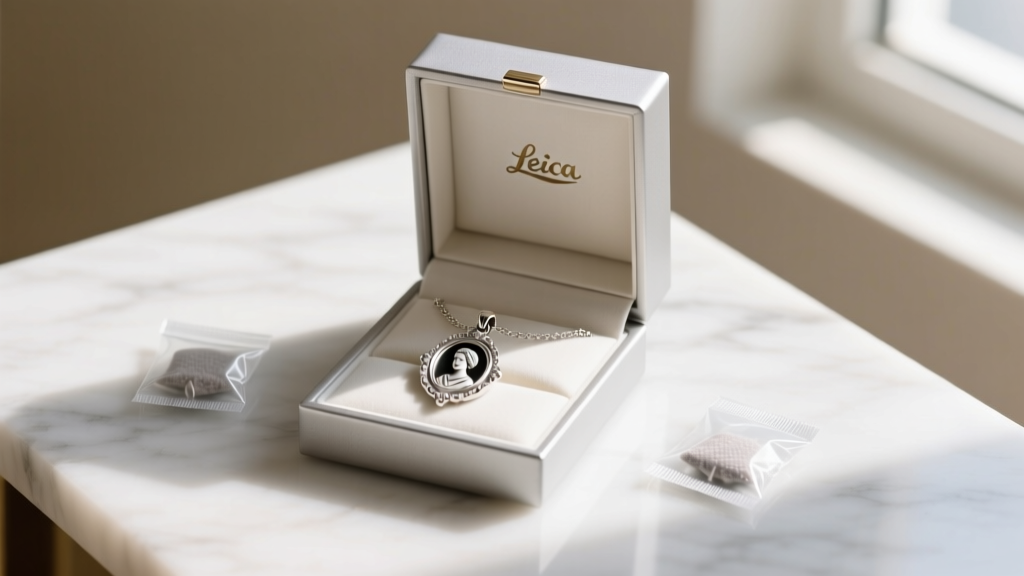
When you are not wearing your pendant picture necklace, proper storage is non-negotiable. Silver and copper alloys tarnish when exposed to sulfur and humidity, and the resulting off-gassing can chemically burn the photograph inside a sealed locket. Store the necklace in an airtight polyethylene ziplock bag alongside a 3M anti-tarnish strip and a small silica gel desiccant packet. The silica gel maintains a low-humidity microclimate, preventing the paper from absorbing ambient moisture and warping behind the glass. Never store picture pendants in PVC plastic boxes or cardboard jewelry rolls, as the acids and plasticizers in these materials will accelerate both metal corrosion and photographic degradation.
When to See a Professional Jeweler
While daily cleaning and hinge maintenance can be done at home, certain issues require professional intervention. If you notice the glass cabochon rattling, the bezel lifting, or moisture trapped beneath the glass (indicated by a foggy appearance or dark spots on the photo edge), stop wearing the necklace immediately. A bench jeweler can carefully lift the prongs or unseat the bezel, extract the photograph, clean the interior glass, and re-tighten the metal setting using specialized bezel rollers. Attempting to pry open a tight bezel with household tools will almost certainly scratch the metal and shatter the glass, destroying the photo in the process. Regular professional check-ups every two years will ensure your wearable memories remain pristine for generations.


