How to Clean, Polish, and Store a Tagua Nut Necklace
Learn how to safely clean, polish, and store your tagua nut necklace. Expert tips to prevent cracking, dye bleeding, and moisture damage.


Understanding Vegetable Ivory: The Material Science of Tagua
Often referred to as 'vegetable ivory,' tagua is the seed of the Phytelephas palm, native to the tropical rainforests of South America. For eco-conscious jewelry lovers, a tagua nut necklace offers a stunning, sustainable alternative to animal ivory and synthetic plastics. However, because it is an organic, botanical material, it requires a highly specific care regimen. Unlike glass or metal, tagua is primarily composed of hemicellulose (specifically mannans), making it incredibly dense (approx. 1.2 g/cm³) but highly hygroscopic. This means the beads actively absorb and release moisture from their environment to reach equilibrium.
When a tagua nut necklace is exposed to rapid fluctuations in humidity or direct water immersion, the cellular structure expands and contracts unevenly. This mechanical stress is the primary cause of micro-fractures, surface checking (cracking), and structural failure. Furthermore, tagua ranks at about 2.5 on the Mohs hardness scale—similar to amber or coral—making it highly susceptible to scratching from abrasive cleaners or harsh brushing. Understanding these material properties is the first step in preserving the longevity and vibrant dye of your jewelry.
Daily Maintenance and Dry Cleaning Protocols
The golden rule of organic gem care, as outlined by the Gemological Institute of America (GIA), is to minimize liquid exposure whenever possible. For day-to-day maintenance of your tagua nut necklace, dry cleaning is the safest and most effective method.
The Microfiber Method
After wearing your necklace, natural skin oils, sweat, and environmental dust will accumulate on the surface of the beads. While a small amount of natural sebum can actually help condition the tagua, excessive buildup will attract dirt and dull the polish. Take a clean, lint-free microfiber cloth and gently buff each bead individually. Apply very light pressure, moving in the direction of the bead's natural grain if visible. This removes surface debris without risking the moisture-related swelling that liquid cleaners cause.
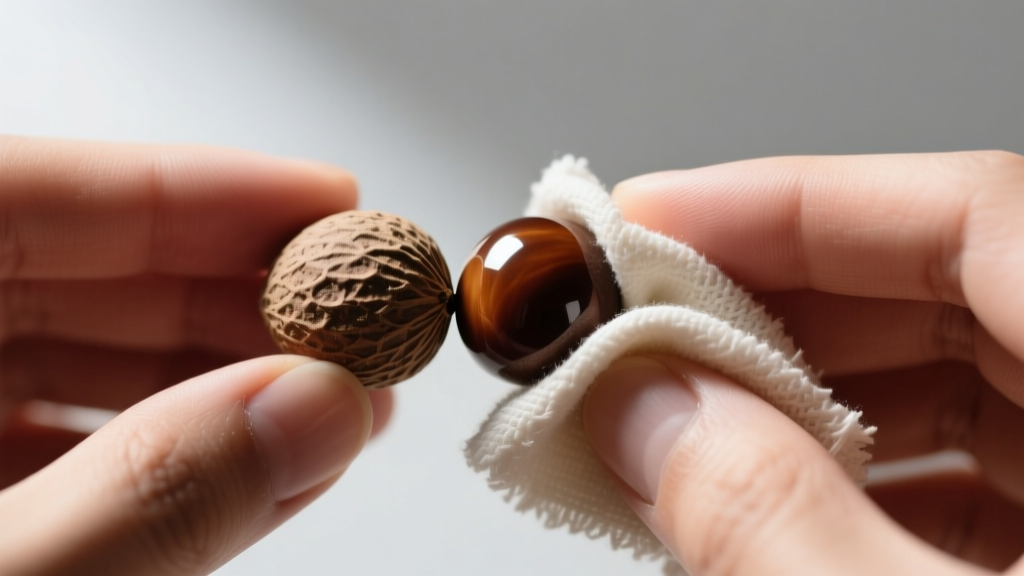
Soft Brushing for Carved Details
Many tagua pendants and beads feature intricate hand-carved motifs or deep grooves where dust settles. To clean these recessed areas, use a brand-new, ultra-soft makeup brush (like a goat-hair blending brush) or a dedicated jewelry brush with natural, soft bristles. Never use standard toothbrushes, as the stiff nylon bristles will leave micro-scratches on the 2.5 Mohs surface, permanently clouding the finish.
Deep Cleaning: When Moisture is Unavoidable
If your tagua nut necklace has been exposed to heavy perspiration, cosmetics, or accidental spills, dry buffing will not suffice. You must perform a controlled damp cleaning. The critical risk here is dye bleeding; many tagua beads are dyed using water-soluble natural or synthetic dyes that will leach onto your skin or clothing if over-saturated.
The Controlled Damp-Wipe Technique
- Dampen a corner of a soft cotton cloth with distilled water (tap water contains minerals and chlorine that can stain the porous surface).
- Wring the cloth out completely until it is barely damp, not wet.
- Wipe a single, inconspicuous bead first. If any color transfers to the cloth, stop immediately; the dye is not sealed, and you must stick to dry cleaning only.
- If no dye bleeds, gently wipe the rest of the necklace, avoiding the stringing material.
- Immediately dry the beads with a separate, bone-dry towel to prevent moisture from seeping into the core.
Cleaning Agent Matrix: What to Use and What to Avoid
Choosing the wrong chemical agent can dissolve the natural binders in the tagua or strip its polished finish. Refer to the table below before applying any substance to your necklace.
| Cleaning Agent | Safety Level | Effect on Tagua Nut |
|---|---|---|
| Distilled Water (Damp) | Safe (with caution) | Cleans surface; risk of dye bleed if over-wet. |
| Mild Castile Soap | Moderate | Use only as a tiny drop on a damp cloth for stubborn grime. |
| Jewelry Dips / Silver Polish | Highly Unsafe | Ammonia and acids will etch and permanently ruin the surface. |
| Ultrasonic Cleaners | Highly Unsafe | Cavitation bubbles will pit the porous surface and shatter beads. |
| Rubbing Alcohol | Unsafe | Dehydrates the hemicellulose rapidly, causing severe cracking. |
| Steam Cleaners | Highly Unsafe | Thermal shock and moisture will instantly destroy the structural integrity. |
Restoring the Luster: Polishing and Rehydrating
Over time, a tagua nut necklace may lose its factory luster, appearing chalky or dull. This is a sign of surface dehydration. To restore the deep, ivory-like shine, you need to introduce a stable lipid or wax to fill the microscopic pores on the bead's surface.
Expert Warning: Never use food-based oils like olive oil, coconut oil, or vegetable oil to condition your tagua jewelry. These oils contain triglycerides that will oxidize and go rancid over time, leaving your necklace with a permanent, unpleasant odor and a sticky, yellowed residue.
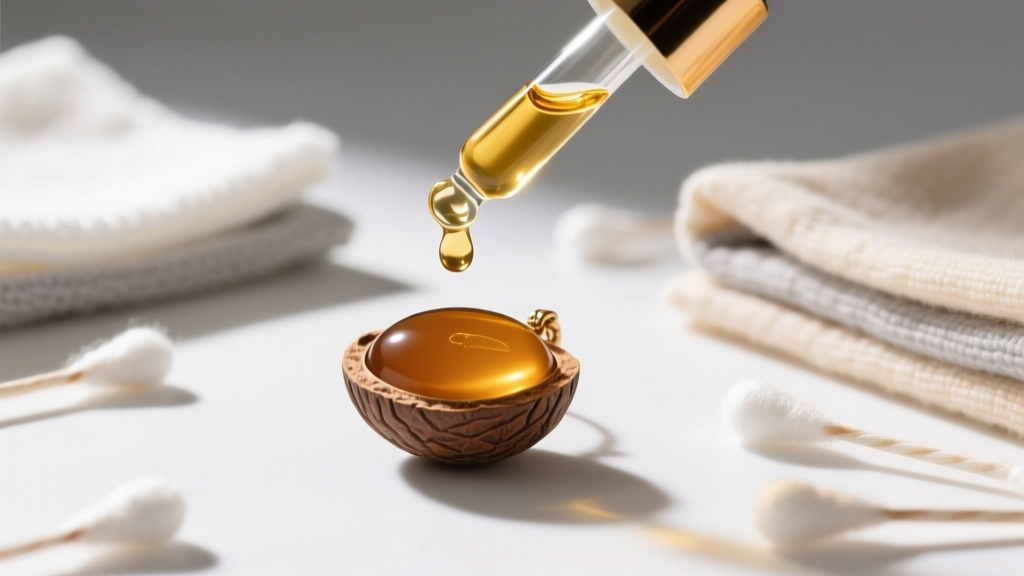
The Jojoba Oil and Wax Method
Jojoba oil is technically a liquid wax ester, meaning it closely mimics human sebum and will not go rancid. Apply a single drop of pure, unrefined jojoba oil to a soft cloth. Rub it gently into the tagua beads, allowing the oil to penetrate the surface for about 15 minutes. Afterward, buff the beads vigorously with a clean section of the cloth to remove any excess. For an even more durable, museum-grade seal, you can follow this with a light application of microcrystalline wax (such as Renaissance Wax), which is widely recommended by the Smithsonian Museum Conservation Institute for stabilizing organic artifacts. This wax creates a breathable, moisture-resistant barrier that protects the dye and locks in hydration.
Caring for the Cord, Thread, and Hardware
A tagua nut necklace is only as strong as its stringing material. Because tagua is relatively heavy, it puts significant tension on the cord. Artisans typically string tagua on hemp, cotton, silk, or synthetic elastic. If your necklace features natural fibers like hemp or cotton, keep them completely dry during the cleaning process. Water will cause natural fibers to swell, stretch, and eventually rot from the inside out.
If the cord becomes soiled, use a dry, soft-bristled brush to lift dirt from the fibers. For metal hardware (such as sterling silver or brass clasps), remove the tagua beads from the equation. Polish the metal clasp with a dedicated metal polishing cloth, ensuring the polishing compounds do not transfer onto the porous tagua beads, which would cause permanent staining.
Long-Term Storage and Climate Control
Proper storage is the most critical factor in preventing catastrophic failure (cracking) in organic jewelry. According to sustainability and conservation data from organizations like the Rainforest Alliance, preserving the natural integrity of forest-harvested materials requires mimicking their native stable environments.
- Humidity Control: Store your tagua nut necklace in an environment with a relative humidity (RH) between 40% and 50%. If you live in an arid climate or use central heating in the winter, the ambient RH can drop below 20%, which will rapidly dehydrate and crack the beads. Use a room humidifier or store the necklace in a sealed container with a small, dampened sponge (ensure the sponge does not touch the beads).
- UV Protection: Prolonged exposure to direct ultraviolet light will bleach the natural tagua and fade synthetic dyes. Always store the necklace in a dark jewelry box or a lined drawer.
- Thermal Stability: Never leave your necklace in a parked car, near a radiator, or in direct sunlight. Rapid thermal expansion will cause the beads to split along their natural grain lines.
Troubleshooting Common Tagua Issues
Issue: The beads feel rough or chalky.
Solution: This is surface dehydration. Perform the jojoba oil and microcrystalline wax polishing method outlined above to restore smoothness.
Issue: Minor surface scratches are visible.
Solution: Because tagua is soft, you can lightly buff out micro-scratches using a jeweler's rouge cloth or a very fine grit (3000+) micro-mesh pad. Do this dry, and follow up immediately with a wax seal.
Issue: Dye is transferring to my skin.
Solution: The beads were likely dyed but not sealed. Coat the beads in a thin layer of microcrystalline wax or a jewelry-safe clear resin spray to lock the dye in place and create a physical barrier between the bead and your skin.


